We’ve all been there: staring at a cluttered kitchen drawer filled with “as-seen-on-TV” contraptions that have more dust on them than actual seasoning. It’s easy to fall into the trap of impulse buying, treating your kitchen budget like a high-risk speculative stock without doing any of the due diligence first. But here’s the thing—just like a well-diversified portfolio, your kitchen needs a strategy. You don’t need everything under the sun; you just need the right assets that actually move the needle on your cooking efficiency. Finding the few kitchen gadgets worth buying is less about mindless consumption and more about making high-impact investments that yield a delicious return on your time and effort.
In this guide, I’m cutting through the marketing fluff to bring you my curated list of five essential tools. I’ve applied the same analytical rigor I used on Wall Street to these picks, ensuring each one offers maximum utility for your culinary lifestyle. We’re going to dive into the heavy hitters that act as the bedrock of a functional kitchen, helping you streamline your meal prep and elevate your flavors without breaking the bank. Get ready to stop wasting capital on clutter and start investing in tools that truly pay dividends every single time you preheat the oven.
Table of Contents
The High-Yield Chef's Knife
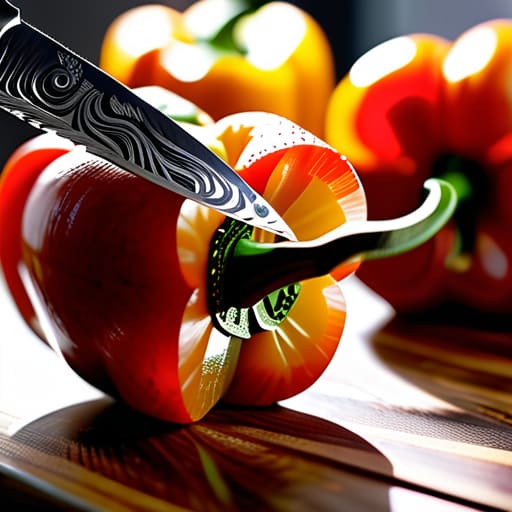
If you’re still hacking away at your vegetables with a dull, serrated multipurpose blade, we need to have a serious talk about your return on investment. In the financial world, we talk about efficiency and minimizing friction, and that is exactly what a high-quality, forged chef’s knife does for your kitchen workflow. It’s not just a tool; it’s your most reliable asset, the one piece of equipment that works harder for you than any other.
The Cast Iron Workhorse
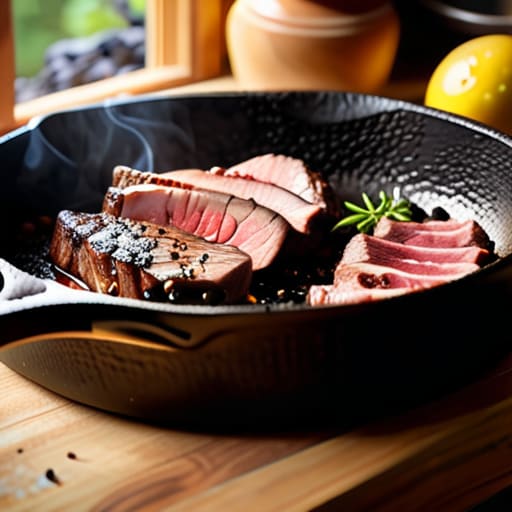
I like to think of a seasoned cast iron skillet as the compound interest of the culinary world. It starts off simple, maybe even a little rough around the edges, but as you continue to use it, it actually gets better with age. Every time you sear a steak or bake a cornbread, you’re adding a layer of “interest” to that non-stick seasoning, making it more valuable over time rather than depreciating like your cheap Teflon pans.
The Digital Instant-Read Thermometer
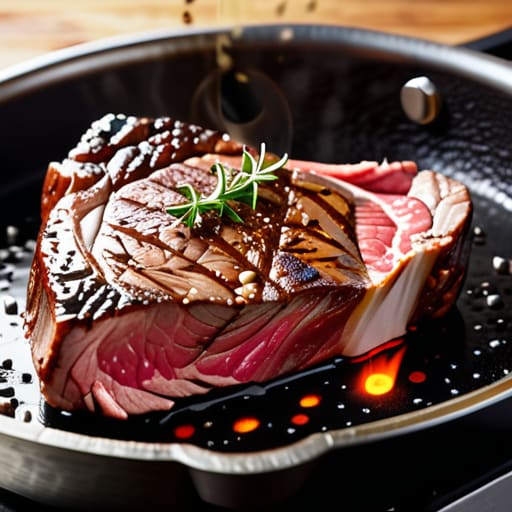
We’ve all been there: you’ve spent forty dollars on a beautiful ribeye, only to realize you overcooked it by ten degrees because you were “eyeballing it.” In my old life on Wall Street, we called that unnecessary risk exposure. Relying on guesswork when you’re dealing with high-quality ingredients is a recipe for a net loss, and quite frankly, your taste buds deserve better than a gamble.
The Versatile Dutch Oven
If I were building a diversified portfolio, the Dutch oven would be my heavyweight index fund. It’s incredibly versatile, capable of handling everything from slow-simmered stews to crusty sourdough bread and even deep-frying. It isn’t a niche tool meant for one specific task; rather, it’s a broad-market powerhouse that covers a wide range of culinary “sectors” with ease.
The Reliable Immersion Blender
Sometimes, you don’t need a massive, expensive kitchen overhaul to see massive gains in productivity; sometimes, you just need a strategic tactical move. An immersion blender is exactly that—a compact, high-efficiency tool that eliminates the messy, time-consuming step of transferring hot liquids into a traditional blender. It streamlines your workflow, allowing you to pivot from cooking to serving with much higher operational efficiency.
The Bottom Line: Cooking Up a Smart Kitchen Budget
Treat your kitchen gear like a diversified portfolio; focus on high-quality “blue chip” tools that offer long-term durability rather than chasing every trendy, single-use gadget that’ll end up gathering dust.
Always calculate your “cost per use” before hitting the checkout button—a pricey chef’s knife is a high-yield investment if you use it daily, but a fancy bread maker is a liability if it just sits on your counter.
Prioritize versatility to maximize your ROI, opting for multi-functional tools that expand your culinary repertoire without cluttering your financial or physical space.
The ROI of Your Kitchen
“Don’t let your kitchen drawer become a graveyard of impulse buys; instead, treat every gadget like a strategic investment—if it isn’t going to increase your culinary efficiency or provide a high daily dividend of joy, it’s just overhead you don’t need.”
Madeline Thompson
Investing in Your Culinary Future
At the end of the day, choosing the right kitchen tools is a lot like building a diversified investment portfolio. You don’t need every shiny new gadget on the market to see a return; instead, you need a few high-quality assets that do the heavy lifting. Whether it’s that precision chef’s knife that saves you time every single morning or a versatile Dutch oven that acts as your culinary cornerstone, the goal is to prioritize long-term utility over fleeting trends. By focusing on items that offer both durability and efficiency, you aren’t just spending money—you are strategically allocating your capital to improve your daily quality of life.
Remember, the most important ingredient in any kitchen—and any successful financial plan—is the confidence to take action. Don’t let the fear of a “bad purchase” keep you from upgrading your lifestyle or your skills. Start small, invest in the essentials, and watch how those incremental improvements compound over time. Just like a well-managed savings account, a well-equipped kitchen provides a sense of security and creative freedom that grows richer with every meal you prepare. Now, go grab that spatula, whip up something incredible, and remember that you are the chef of your own destiny.
Frequently Asked Questions
Is it actually more cost-effective to invest in premium gadgets upfront, or am I better off sticking to budget options and upgrading later?
Think of it like building a diversified portfolio. Buying a bunch of cheap, “budget” gadgets is like scattering pennies across low-yield savings accounts; you’ll constantly be replacing them, which drains your capital through frequent “transaction costs.” I’m a firm believer in the “Buy Once, Cry Once” philosophy. Investing in premium tools upfront is like buying a high-quality index fund—it’s a higher initial outlay, but the long-term dividends in durability and performance are massive.
How do I distinguish between a "must-have" tool that adds real value and a trendy gadget that's just going to gather dust in my pantry?
Think of it like evaluating a stock: you want to look at the utility versus the hype. Before you swipe that card, ask yourself if the tool solves a recurring problem or just looks pretty on a countertop. A “must-have” is like a high-yield savings account—it works for you every single day. If it only performs one niche trick you’ll use once a year, it’s just a speculative bubble. Don’t let your pantry become a graveyard of bad investments!
Are there any specific high-quality items that offer the best "return on investment" for someone trying to meal prep on a tight budget?
If you’re meal prepping on a budget, think of your kitchen tools as your capital expenditures. The absolute best ROI comes from a high-capacity slow cooker or an Instant Pot. They turn “cheap” cuts of meat into gourmet meals with minimal oversight, saving you both time and money. Pair that with a set of durable, airtight glass containers. It prevents “food waste leakage”—which, in financial terms, is basically just throwing your hard-earned cash in the trash.