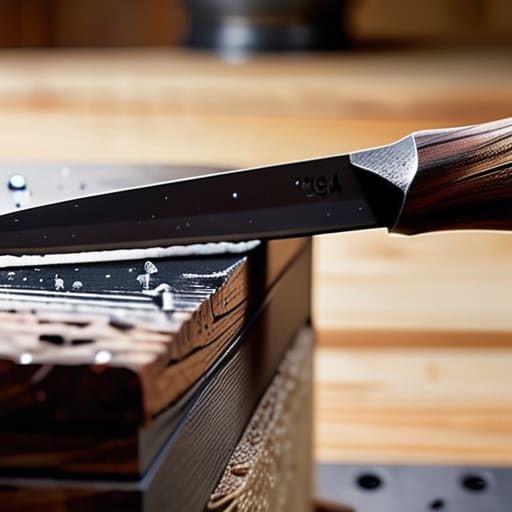
I was halfway through prepping a batch of mirepoix for my food truck’s signature stew when my chef’s knife decided to quit on me, hacking away at a carrot like it was trying to saw through a piece of old lumber. It was frustrating, messy, and—honestly—a total waste of expensive ingredients. Most people think that when your equipment gets dull, you just need to buy a newer, flashier model, but that’s just throwing money down the drain. The truth is, learning how to sharpen tools isn’t about spending more; it’s about protecting the assets you already have. Much like managing a high-yield portfolio, maintaining your gear is the secret to long-term efficiency and avoiding those costly, last-minute replacements.
In this guide, I’m stripping away the complicated jargon to give you a straightforward, no-nonsense blueprint for getting your edges back. We’re going to walk through the essential techniques and the right equipment so you can stop struggling with blunt blades and start working with precision and ease. Whether you’re in the kitchen or tackling a DIY project, I promise you’ll walk away with the confidence to keep your tools performing at their absolute peak.
Table of Contents
- Step-by-Step Instructions
- Mastering Whetstone Sharpening Techniques for a Flawless Edge
- Honing Steel vs Sharpening Stone Choosing Your Perfect Ingredient
- Pro-Tips for a Sharp Edge (And a Sharp Mind)
- The Secret Sauce to a Sharp Edge
- The ROI of a Sharp Blade
- The Final Prep: Investing in Your Edge
- Frequently Asked Questions
Guide Overview
Tools & Supplies
- Chisel (flat edge metal tool)
- Utility Knife (replaceable blade tool)
- Combination Whetstone (1 unit)
- Honing Oil or Water (1 bottle)
- Leather Strop (1 unit)
- Microfiber Cloth (1 unit)
Step-by-Step Instructions
- 1. First things first, you need to gather your equipment, which is basically your financial toolkit. You can’t expect a smooth result if you’re trying to sharpen a high-end chef’s knife on a piece of sidewalk concrete. Grab a high-quality whetstone, a honing steel, and a damp cloth to keep things steady. Think of this like setting up your workstation before a big market day; if your setup is messy, your execution will be too.
- 2. Once you’ve got your gear, it’s time to prep your stone. Most whetstones need to be soaked in water for about 10 to 15 minutes until the bubbles stop rising. I like to think of this as building your liquidity; you need that water to act as a lubricant so you aren’t creating unnecessary friction and heat. If you skip this, you’re essentially trying to run a business without a cash reserve, and things are going to get messy fast.
- 3. Now, let’s get into the actual angle. This is where most people trip up, but it’s the most crucial part of the process. Hold your knife at a consistent angle—usually about 15 to 20 degrees—against the stone. It’s all about consistency and discipline. If your angle is wobbling all over the place, you’re just wasting your energy and your resources, much like diversifying into bad investments without a clear strategy.
- 4. Start with the coarse side of the stone to do the heavy lifting. Use gentle, sweeping motions, moving the blade from the heel to the tip, making sure you’re covering the entire edge. You’ll feel a slight “burr” forming on the opposite side of the blade; that’s your signal that you’re actually making progress. Don’t get discouraged by the resistance; just like tackling a complex tax return, it takes a little elbow grease to get it right.
- 5. Once you feel that burr, flip the knife over and repeat the process on the other side. You want to refine that edge using the finer side of the whetstone. This is the “polishing” phase, where we turn a rough draft into a finalized masterpiece. It’s a lot like fine-tuning your monthly budget—you’ve done the big cuts, and now you’re just smoothing out the edges to ensure everything runs perfectly.
- 6. After you’ve finished sharpening, give your blade a quick test. A simple way to do this is to see if it can cleanly slice through a piece of paper or a ripe tomato without tearing. If it catches or drags, you might need to go back and spend a little more time on that refinement stage. Remember, a dull tool is a liability, both in the kitchen and in your career.
- 7. Finally, clean your knife thoroughly and dry it immediately to prevent any rust. Wipe down your whetstone as well so it’s ready for your next session. Keeping your tools in top shape is just smart asset management. If you take care of your tools today, they’ll take care of you when the dinner rush—or a big career opportunity—hits.
Mastering Whetstone Sharpening Techniques for a Flawless Edge
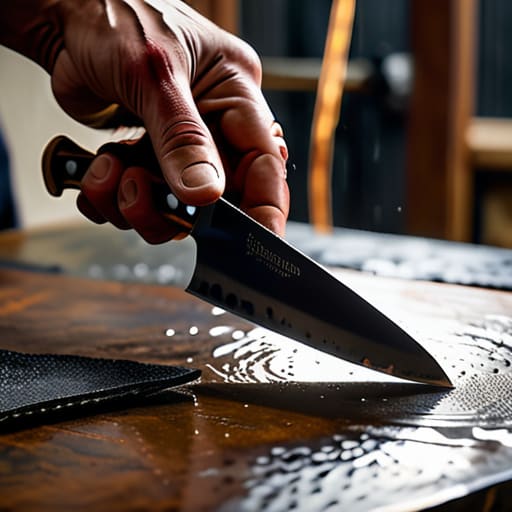
Now, if you really want to level up from a hobbyist to a pro, we need to talk about the heavy lifting: whetstone sharpening techniques. Think of a whetstone like a high-yield savings account; it requires a bit more patience and consistent “deposits” of effort, but the compound interest on your blade’s performance is massive. When you’re working the stone, the most critical factor is finding that perfect sharpening angle for different tools. If you’re working on a delicate paring knife, you want a shallower angle, whereas a heavy cleaver needs a bit more grit to bite into.
Don’t mistake this for your daily maintenance, either. I often get asked about honing steel vs sharpening stone, and here’s the breakdown: a honing steel is like a quick daily check of your budget to keep things aligned, while the whetstone is the deep-dive audit that actually fixes the structural issues. Mastering the stone is what truly ensures maintaining blade edge longevity, preventing that dreaded “dullness fatigue” that makes cooking feel like a chore rather than a joy.
Honing Steel vs Sharpening Stone Choosing Your Perfect Ingredient
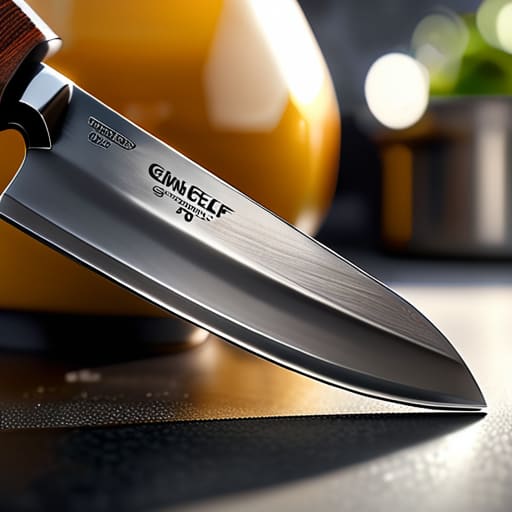
Now, I see a lot of people get caught up in the debate of honing steel vs sharpening stone, and honestly, it’s a bit like choosing between a quick snack and a slow-cooked reduction. They aren’t actually the same thing! Using a honing steel isn’t about removing metal to create a new edge; it’s more about realigning the microscopic teeth of the blade that have folded over during use. Think of it as a quick “rebalancing” of your budget—it doesn’t add new funds, but it keeps everything organized and ready for action.
On the other hand, if your blade has truly lost its bite, you need to go back to the fundamentals with a stone. This is where you’re actually grinding away tiny amounts of metal to reshape the edge entirely. While a steel is great for daily maintenance, a stone is your heavy hitter for maintaining blade edge longevity over the long haul. If you try to rely solely on a steel for a dull knife, you’re essentially trying to fix a massive deficit with nothing but loose change; eventually, you’re going to need to sit down and do the real work.
Pro-Tips for a Sharp Edge (And a Sharp Mind)
- Don’t skimp on the quality of your stone. Just like you wouldn’t try to build a high-growth portfolio using penny stocks, using a low-grade, uneven whetstone will only frustrate you and potentially ruin your blades. Invest in a solid medium-grit stone; it’s the “diversified index fund” of sharpening tools—reliable and effective for almost everything.
- Consistency is your best friend, whether you’re maintaining a steady angle on a knife or staying consistent with your monthly savings contributions. If your angle wobbles, your edge will too. Find that sweet spot—usually around 15 to 20 degrees—and hold it like your life depends on it.
- Always keep your tools lubricated during the process. Whether you’re using water for a whetstone or oil for a specialized stone, skipping this step is like trying to run a business without any cash flow—everything just grinds to a halt and creates unnecessary friction.
- Respect the “Mise en Place” of sharpening. Before you even touch the stone, clear your workspace, prep your water, and ensure your knife is clean. You wouldn’t start a complex reduction sauce in a cluttered, messy kitchen, so don’t attempt precision sharpening in a chaotic environment.
- Listen to the feedback from your tools. A good sharpening session has a rhythm, much like the predictable patterns in a market cycle. If you feel the blade “catching” or skipping, you need to adjust your pressure or your angle. Tuning in to these subtle cues is what separates a hobbyist from a pro.
The Secret Sauce to a Sharp Edge
Treat your tools like your capital—invest in high-quality sharpening equipment now to prevent the “costly” headache of replacing dull, damaged blades later.
Think of sharpening as your essential mise en place; taking the time to prep your tools properly ensures that your actual “cooking” (or working!) is efficient, precise, and stress-free.
Don’t confuse honing with sharpening; one is like a quick daily budget check to keep things tidy, while the other is the deep-dive financial audit that actually rebuilds your edge from the ground up.
The ROI of a Sharp Blade
“Think of sharpening your tools like managing your overhead: it might feel like a distraction from the actual work, but if you don’t invest that time in your foundation, you’re just going to end up with a lot of wasted effort and a very dull bottom line.”
Madeline Thompson
The Final Prep: Investing in Your Edge
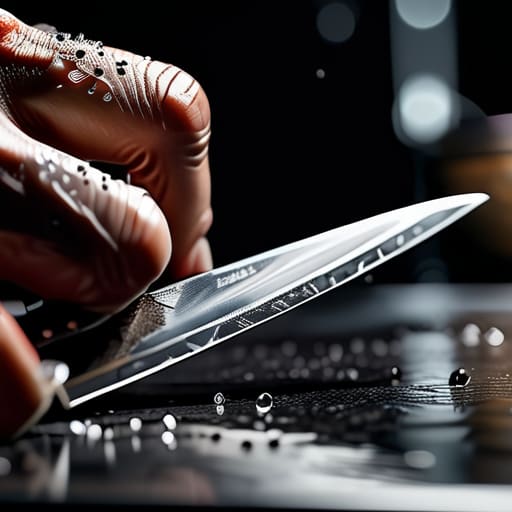
At the end of the day, whether you’re choosing between a honing steel for quick maintenance or committing to the deep work of a whetstone, you’re essentially performing essential capital expenditure for your kitchen. We’ve covered how to select your tools, the nuances of different stones, and the precise techniques required to achieve that razor-sharp finish. Just like managing a diversified investment portfolio, you can’t just set it and forget it; you need consistent, mindful maintenance to ensure your tools don’t lose their value over time. If you treat your knives with the same respect you treat your financial budget, you’ll find that they serve you reliably through every high-pressure service and home-cooked feast.
Mastering your tools is about more than just clean cuts; it’s about building the confidence to execute your vision without friction. I’ve learned from both the trading floor and the food truck that the best results come when you have the right foundation in place. Don’t be intimidated by the learning curve—think of it as investing in your future self. Once you nail this technique, you aren’t just sharpening steel; you’re sharpening your ability to perform at your peak. Now, grab those blades, get to work, and go create something absolutely delicious.
Frequently Asked Questions
How often should I actually be sharpening my knives, or am I over-investing my time in maintenance?
Think of sharpening like your monthly budget: you don’t need to overhaul everything every single day, but you can’t ignore it until you’re broke. For most, honing with a steel should be a daily ritual to maintain the edge, while actual stone sharpening usually happens every few months. Don’t over-invest your time and wear down your “capital” too fast, but don’t wait until your knife is useless to take action!
Is it worth spending the extra capital on high-end professional sharpening services, or can I master this at home with a decent budget?
Think of this like choosing between a high-yield savings account and a quick cash grab. If you’re working with heirloom knives—your “blue chip” assets—investing in a professional service is worth the capital to protect that value. However, for your daily drivers, mastering it at home is a massive ROI. Learning the skill yourself is like building an emergency fund; it gives you long-term independence and saves you serious overhead in the long run.
I’ve noticed my blades feel "off" even after sharpening—could I be using the wrong angle, similar to how a bad recipe balance ruins a dish?
Spot on! You’ve hit the nail on the head. Think of your sharpening angle like the seasoning in a delicate sauce—if you overdo it or get the ratio wrong, the whole thing falls apart. If your angle is inconsistent, you’re essentially adding too much salt; you might be hitting the edge, but you’re ruining the “flavor” of the cut. Precision is everything, whether you’re balancing a budget or maintaining a perfect 15-degree bevel.