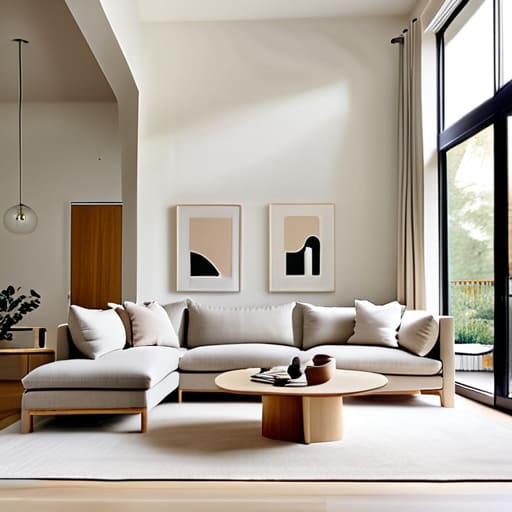
I remember my first tiny studio apartment in the city; it was so cramped I felt like I was trying to cook a five-course meal in a toaster oven. Every time I looked at those “expert” design blogs, they’d suggest spending thousands on “minimalist luxury” furniture just to figure out how to make a small room look bigger. Honestly? That’s just bad math. It’s like trying to fix a budget deficit by buying a more expensive credit card—it doesn’t solve the underlying problem of resource management. You don’t need a massive injection of capital to create breathing room; you just need to understand the ingredients of your space.
I’m not here to sell you a lifestyle of expensive, empty white boxes. Instead, I’m going to show you how to apply some strategic seasoning to your layout. We’re going to treat your square footage like a high-yield investment portfolio: maximizing every inch without overleveraging your bank account. I’ll share the exact, no-nonsense techniques I used to transform my own shoebox apartment into a space that feels intentionally curated rather than just cluttered. Let’s get to work.
Table of Contents
- Plating Perfection With Neutral Color Palettes for Small Rooms
- Using Mirrors to Expand Space Like a Gourmet Garnish
- The Secret Ingredients: 5 Ways to Bulk Up Your Space Without Overcrowding the Menu
- The Recipe for a Spacious Sanctuary
- The Secret Ingredient to Spatial Abundance
- Serving Up Your New Space
- Frequently Asked Questions
Plating Perfection With Neutral Color Palettes for Small Rooms
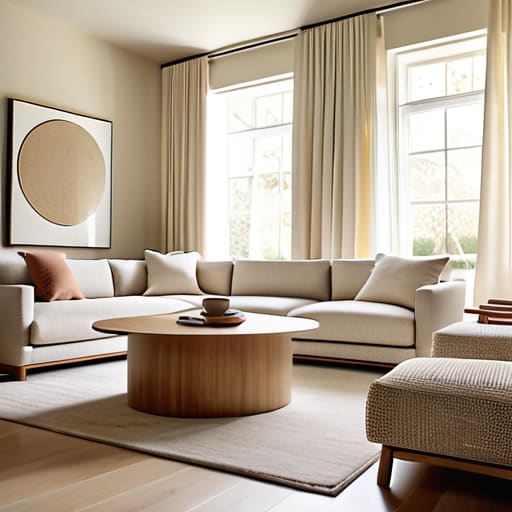
Think of your room’s color scheme like the base of a delicate consommé; if the foundation is too heavy or cluttered, you lose the clarity of the entire dish. When I’m working with limited square footage, I always lean toward neutral color palettes for small rooms to create a sense of seamless continuity. By sticking to soft whites, creamy beiges, or light greys, you prevent the eye from hitting “walls” of heavy pigment, allowing the space to breathe. It’s much like how a clean, white plate makes the colors of a gourmet dish pop—the simplicity of the background actually makes the room feel more substantial.
If you want to take this a step further, don’t just settle for flat paint. I love playing with texture to add depth without adding bulk. Think of it as layering flavors; you want complexity without overwhelming the palate. Integrating subtle textures, like a linen curtain or a light oak finish, keeps the room from feeling sterile while still maximizing small apartment space through visual lightness. It’s all about that perfect balance between minimalism and warmth.
Using Mirrors to Expand Space Like a Gourmet Garnish
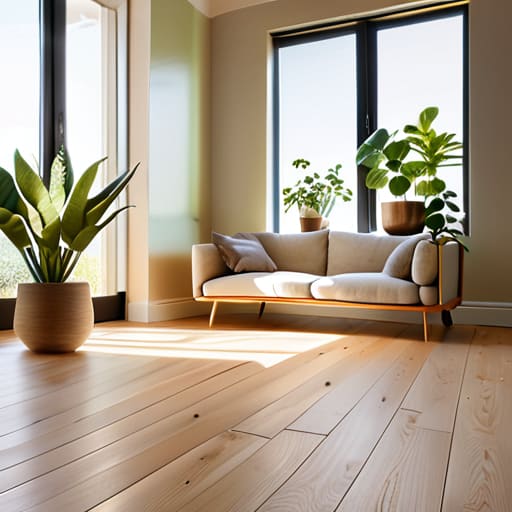
If you think of your room as a dish, mirrors are essentially the gourmet garnish that elevates the entire presentation. Just like a splash of bright acidity can brighten a heavy stew, using mirrors to expand space adds a layer of depth and light that a flat wall simply can’t provide. I always tell my clients that if you’re struggling with a cramped layout, placing a large, floor-length mirror opposite a window is the ultimate “cheat code.” It effectively doubles your natural light and creates an illusion of depth that makes a tiny studio feel like a sprawling suite.
Think of it as diversifying your portfolio; you aren’t just adding an object, you’re investing in visual real estate. When you’re focused on maximizing small apartment space, mirrors act as your most versatile asset. You don’t need a massive, expensive piece either. Even a curated gallery wall of smaller, vintage mirrors can mimic the effect of a high-end dining room. It’s all about that strategic placement to trick the eye into seeing more room to breathe, ensuring your living area feels as open and inviting as a well-set banquet table.
The Secret Ingredients: 5 Ways to Bulk Up Your Space Without Overcrowding the Menu
- Don’t let your furniture become a heavy, overstuffed buffet. Just like you wouldn’t pile too much protein on a small plate, avoid bulky, oversized sofas that swallow the floor. Opt for pieces with “legs”—furniture that sits elevated off the ground—to let the eye travel underneath, creating a sense of continuous flow.
- Think of your lighting like a well-balanced seasoning; you need layers to avoid dark, cramped corners. Relying on a single overhead light is like eating a meal with no salt—it’s flat and uninspiring. Use floor lamps, sconces, and even small accent lights to draw the eye upward and outward, making the room feel much more voluminous.
- Verticality is your best friend when floor real estate is limited. If you can’t expand horizontally, go vertical! Use tall bookshelves or hang your curtains higher than the actual window frame. It’s the spatial equivalent of building a multi-tiered wedding cake; it draws the gaze up, tricking the brain into perceiving much more height and grandeur.
- Watch out for “clutter creep,” which is the spatial version of a messy kitchen station. A countertop covered in scraps makes cooking impossible, and a room covered in knick-knacks makes living impossible. Stick to a “less is more” philosophy with your decor—choose a few high-quality, impactful pieces rather than a dozen tiny trinkets that create visual noise.
- Create “breathing room” by utilizing multifunctional pieces that work as hard as a sous chef. A storage ottoman or a nest of tables can serve multiple purposes without taking up permanent, heavy real estate. Keeping your “inventory” flexible ensures that your space remains as versatile and efficient as a high-end professional kitchen.
The Recipe for a Spacious Sanctuary
Think of your furniture like ingredients in a stew; if you overstuff the pot, you lose the flavor. Opt for multi-functional pieces that serve a purpose without crowding your “kitchen” space.
Just as a splash of acid brightens a heavy sauce, lighting brightens a dim corner. Layer your light sources to eliminate dark shadows that make a room feel like it’s shrinking.
Don’t let clutter become the “unwanted grease” of your decor. Keep your surfaces clean and organized to ensure the flow of your room feels as seamless as a well-executed reduction.
The Secret Ingredient to Spatial Abundance
“Think of your floor plan like a high-end tasting menu; if you crowd the table with too many heavy ingredients, you lose the essence of the experience. To make a small room feel expansive, you have to curate your furniture with the same restraint a chef uses when balancing flavors—less is often much, much more.”
Madeline Thompson
Serving Up Your New Space
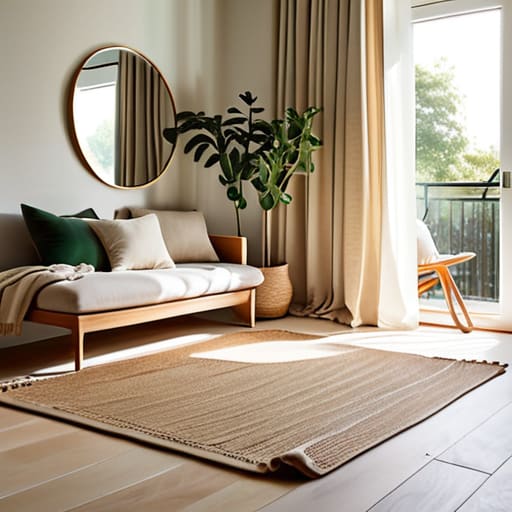
At the end of the day, making a small room feel expansive isn’t about having a massive budget or a sprawling floor plan; it’s about the intentionality of your ingredients. Just like I learned on Wall Street, it’s not about how much capital you start with, but how effectively you allocate your resources. By sticking to a cohesive, neutral color palette to prevent visual clutter and using mirrors to create the illusion of depth, you are essentially optimizing your spatial assets. You’ve laid the groundwork, much like prepping your mise en place before a dinner rush, ensuring that every element in the room serves a specific, functional, and aesthetic purpose.
As you move forward with your redesign, remember that a well-curated room—much like a well-managed portfolio—is a work in progress. Don’t feel like you have to overhaul everything overnight; sometimes, the most impactful returns come from the smallest adjustments. Whether you’re tweaking your decor or fine-tuning your monthly budget, the goal is to create an environment that feels abundant and nourishing. So, take a deep breath, grab your metaphorical apron, and start crafting a space that feels as expansive and satisfying as a five-star feast. You’ve totally got this!
Frequently Asked Questions
If I want to add some color without making the room feel "heavy" or cluttered, what’s the best way to balance bold accents with my neutral base?
Think of color like seasoning; you don’t want to dump a whole jar of cayenne into a delicate broth! To keep things airy, stick to your neutral “base” for the large-scale items—think rugs and sofas—and use bold hues as your “micro-greens.” A vibrant velvet pillow or a pop of teal in a vase adds zest without overwhelming the palate. It’s all about that perfect ratio of spice to substance.
I love the idea of using mirrors, but how do I choose the right placement so they actually brighten the space instead of just reflecting a messy corner?
Think of mirror placement like seasoning a dish; if you overdo it in the wrong spot, you ruin the whole flavor. To avoid reflecting that “cluttered pantry” corner, aim for “light-catching” locations. Position your mirror directly opposite a window to bounce natural light deep into the room, or perpendicular to it to soften the glare. It’s all about directing the flow of light to create an illusion of abundance, rather than just duplicating the chaos.
Is it better to invest in a few large, statement furniture pieces or several smaller items to keep the room from feeling cramped?
Think of this like a high-end tasting menu versus a buffet. If you crowd your room with too many small items, it feels cluttered and overwhelming—just like a plate with too many tiny garnishes. I always recommend investing in a few quality, statement pieces. A single, well-proportioned sofa acts like a rich, foundational sauce; it anchors the space and creates visual flow, making your room feel curated and expensive rather than cramped and chaotic.