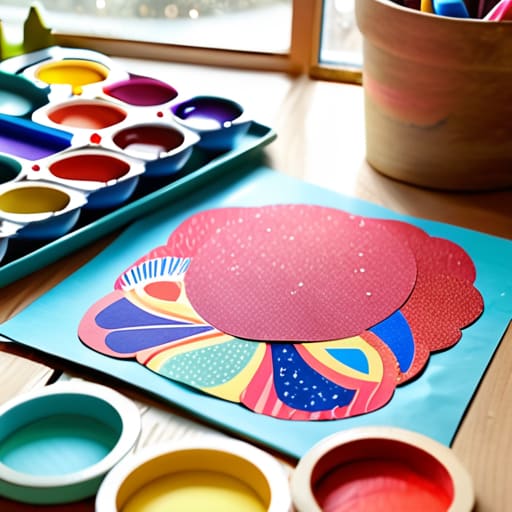
Ever feel like your afternoon is spiraling into chaos, much like a kitchen during a dinner rush when you realize you’ve run out of salt? We’ve all been there—the kids are restless, the screens are starting to feel like a mindless way to pass the time, and you’re looking for a way to spark some creativity without draining your bank account. Finding engaging kids craft ideas shouldn’t feel like a high-stakes investment that leaves you with a mountain of debt and a cluttered living room. In fact, I like to think of playtime as a way to build “creative capital,” where the goal is to maximize engagement while minimizing the overhead costs of expensive, specialized kits.
In this post, I’ve curated a list of five simple yet incredibly rewarding projects that prove you don’t need a massive budget to foster a sense of accomplishment. I’m going to show you how to turn everyday household items into masterpieces, teaching your little ones that resourcefulness is the ultimate ingredient for success. Get ready to dive into some low-cost, high-impact activities that will keep them busy and leave you feeling like a total productivity pro.
Table of Contents
Upcycled Cardboard Kitchenware
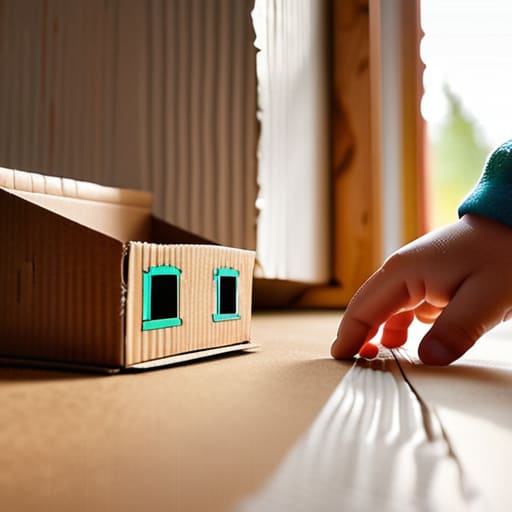
You don’t need to head to a high-end toy store to spark a child’s imagination; sometimes, the best investments are found in your recycling bin. Grab those old delivery boxes and some non-toxic glue to create a miniature “chef’s kitchen.” This is a fantastic way to teach kids about resourcefulness, showing them that value isn’t always about the price tag, but about how you repurpose what you already own.
Homemade Playdough Pantry
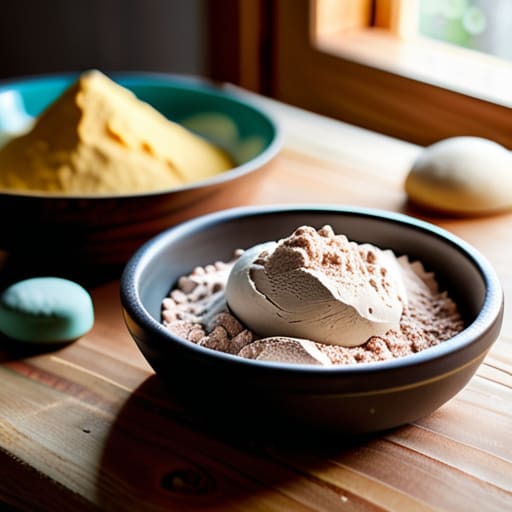
Making your own playdough is a lot like prepping a mise en place before a big dinner service—it’s all about having your ingredients ready and measured out. Using basic pantry staples like flour, salt, and cream of tartar, you can whip up a batch of sensory dough that’s far cheaper than those pre-packaged tubs. It’s a wonderful way to introduce the concept of unit pricing; when you see how much a bag of flour makes compared to a tiny jar of store-bought dough, the math starts to click.
Painted Rock Garden Stones
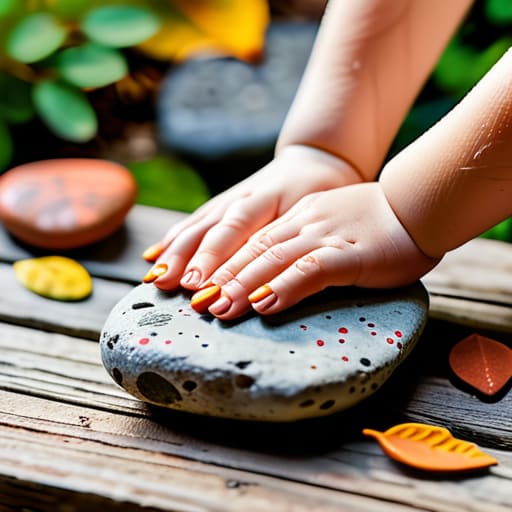
If you’re looking to diversify your “portfolio” of activities without spending a dime, it’s time to head outside and collect some stones. This project is all about finding beauty in the raw materials provided by nature. Once you have your collection, use some acrylic paints to turn them into little characters or colorful garden markers. It teaches kids that you can find hidden gems in even the most ordinary environments.
DIY Paper Plate Bird Feeders
Let’s talk about giving back, which is just as important as growing your wealth. Creating bird feeders out of paper plates, peanut butter, and birdseed is a sweet way to teach kids about the ecosystem of generosity. It’s a small, manageable way to invest in the world around them, much like how small, consistent contributions to a savings account can lead to a massive payoff later on.
Mason Jar Sensory Bottles
We all have those moments where life feels a little too chaotic, much like a kitchen during the lunch rush. Sensory bottles—made by filling old glass jars with water, glitter, and a bit of glycerin—are perfect for teaching kids about emotional regulation. Watching the glitter settle is like watching a volatile stock market finally reach a state of equilibrium; it’s calming, visual, and incredibly effective.
The Secret Sauce to Budget-Friendly Creativity
Think of these crafts like a well-managed kitchen pantry: you don’t need expensive, specialized tools to create something amazing; it’s all about how you use the basic ingredients you already have on hand.
Just as a little prep work makes cooking a breeze, setting aside a tiny “creative fund” or prepping your materials in advance prevents those mid-project impulse buys that can quickly bloat your household budget.
Remember that the goal isn’t a Michelin-star masterpiece every time—it’s about the process and the joy of creating, much like how the best meals are often the ones made with simple ingredients and a lot of heart.
Investing in Creativity
“Think of these craft projects like a well-managed diversified portfolio: you don’t need a massive initial investment to see incredible returns in your child’s development; sometimes, the most enriching growth comes from the simplest, most cost-effective ingredients.”
Madeline Thompson
The Secret Ingredient to Creative Success
As we’ve seen through these five projects, you don’t need a massive capital investment or a professional studio to foster creativity in your home. Whether you were repurposing old jars or turning recycled cardboard into a masterpiece, the core lesson remains the same: the best results come from maximizing your existing resources. Just like when I was managing a high-stakes portfolio on Wall Street, the goal isn’t to spend the most, but to use what you have with intentionality and precision. These crafts aren’t just about keeping the kids busy; they are about teaching them that with a little bit of foresight and the right “ingredients,” they can build something incredible from almost nothing.
At the end of the day, I want you to remember that these moments are about much more than just glue sticks and glitter. Think of these activities as a way to invest in your children’s confidence and problem-solving skills—a high-yield return that no bank account can match. Don’t be afraid to let things get a little messy; after all, even the most sophisticated recipes require a bit of a cleanup afterward. Approach your parenting and your household creativity with an optimistic mindset, and you’ll find that the joy of creating something together is the most rewarding dividend of all.
Frequently Asked Questions
How can I keep my kids engaged with crafts without constantly buying expensive new supplies that end up cluttering my pantry?
Think of your craft supplies like a pantry inventory: you don’t need to keep buying new ingredients to make a gourmet meal; you just need to use what’s already on hand. Instead of hitting the craft store, raid your recycling bin or that junk drawer. Cardboard boxes, egg cartons, and old buttons are your “low-cost staples.” By repurposing what you already own, you’re practicing smart resource management while sparking creativity—and keeping your budget (and counters) clutter-free!
Are there specific ways to use common household items so I'm not treating every craft project like a luxury grocery run?
Think of your junk drawer like a pantry full of spices—it’s all about how you use what’s already on hand! Instead of hitting the craft store for expensive kits, raid your recycling bin. Cardboard boxes are your “base ingredient” for structures, and old buttons or scrap fabric are the perfect garnishes for creativity. Using what you have prevents “budget creep” and keeps the fun high without the luxury grocery store price tag.
How do I balance these creative activities with a busy schedule so they don't feel like just another "expense" of my time and energy?
Think of these activities like prepping your mise en place. If you try to cook a five-course meal without prep, you’ll burn the kitchen down—or in this case, burn yourself out. Don’t view crafting as a massive time investment; treat it like a quick snack. Set a timer for twenty minutes or use scraps you already have on hand. By minimizing the “overhead” of setup and cleanup, you turn creativity into a rewarding recharge rather than a draining chore.