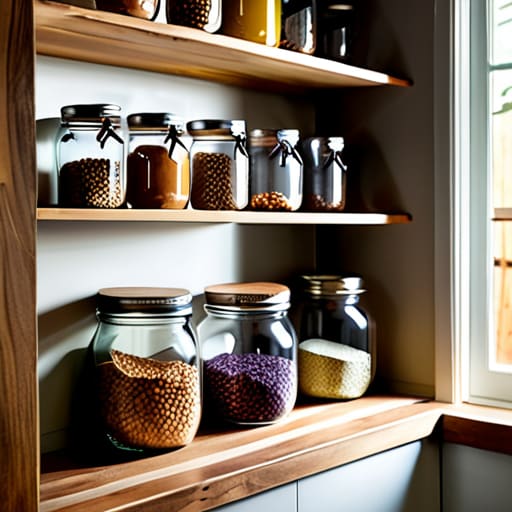
Posted on

Diy Home Decor Ideas on a Budget

Creative diy home decor ideas on budget.

Have you ever walked into a room and felt like something was missing, but when you looked at your bank account, you felt a sudden pang of panic? We’ve all been there—staring at a bland living space and realizing that “designer looks” usually come with a sky-high price tag. It’s a lot like trying to host a five-star dinner party on a fast-food budget; you want the elegance, but you can’t afford to overextend your resources. The truth is, creating a space that feels curated and soulful doesn’t require a massive capital investment. You just need to approach your home with the same strategic mindset I used on Wall Street: knowing exactly where to allocate your funds to get the maximum return on your investment.

In this post, I’m sharing my favorite diy home decor ideas that will help you transform your surroundings without draining your savings. Think of this as your personal recipe for a stylish home—I’ve hand-picked five specific projects that are easy to execute and incredibly high-impact. We’re going to skip the expensive showroom fluff and focus on smart, creative hacks that turn everyday items into stunning focal points. Get ready to whip up a space that looks expensive, feels cozy, and—most importantly—keeps your financial goals perfectly seasoned and on track.

Table of Contents

Upcycle Your Kitchenware

Upcycle your kitchenware with creative DIY ideas.

Think of your old, mismatched kitchen canisters or those slightly chipped ceramic bowls as raw ingredients waiting for a transformation. Instead of letting them gather dust in the back of the pantry—which is essentially the culinary equivalent of letting money rot in a low-interest savings account—give them a second life. A quick coat of matte spray paint or some delicate gold leafing can turn a $2 thrift store find into a centerpiece that looks like it was curated for a high-end bistro.

Curate a Gallery Wall of Memories.

You don’t need a massive budget to create a focal point that screams personality and sophistication. I like to think of a gallery wall as a diversified portfolio for your living room walls. Instead of buying one expensive, mass-produced piece of art that feels a bit hollow, mix and match vintage frames from local flea markets with personal photographs, pressed botanicals, or even interesting fabric scraps.

The Magic of Textile Layering

The Magic of Textile Layering in decor.

If your living room feels a bit “thin” or uninspired, don’t rush out to buy a whole new furniture set; that’s a massive capital expenditure you probably don’t need right now. Instead, focus on layering textiles like throw pillows, blankets, and rugs. This is the home decor version of seasoning a dish—it’s those final, crucial touches that bring all the heavy elements together and provide a sense of warmth and luxury.

Repurpose Lighting for Ambiance

Lighting is often the most overlooked “ingredient” in home design, but it has the power to completely change the market value of your mood. If you have an old lamp that looks a bit dated, don’t scrap it. A simple DIY project involving a new shade or even just swapping out a standard bulb for a warm, dimmable smart bulb can transform a workspace into a sanctuary.

Bring the Outdoors In with Greenery

There is nothing quite like a lush, green plant to breathe life into a stale corner, and the best part is that it’s incredibly cost-effective. You can start small with simple cuttings from a friend’s plant—essentially getting your startup capital for free—and watch them grow into beautiful additions to your space. Propagating plants is the ultimate way to grow your home’s beauty without a heavy upfront investment.

The Secret Sauce to a Stylish Home

Think of your home decor budget like a recipe; you don’t need the most expensive ingredients to create a masterpiece, just the right balance of DIY creativity and smart spending.

Just like mastering a complex sauce takes patience, decorating on a budget is a marathon, not a sprint—focus on small, high-impact changes that build your “aesthetic equity” over time.

Don’t be afraid to experiment with “fusion” decor by mixing thrifted finds with new accents, much like how a little culinary risk-taking can turn a standard meal into a signature dish.

The Secret Ingredient to a Beautiful Home

“Think of DIY home decor like managing a startup budget: you don’t need a massive capital injection to see a high return on investment. It’s all about sourcing the right ‘ingredients,’ being resourceful with what you already have in your pantry, and having the courage to experiment until the final result tastes—or looks—exactly like home.”

Madeline Thompson

Serving Up Your Finished Space

At the end of the day, refreshing your space doesn’t require a massive capital injection or a professional interior design firm. Whether you were repurposing old glassware to create stunning centerpieces, upcycling thrifted furniture with a fresh coat of paint, or curating a gallery wall with budget-friendly prints, you’ve essentially mastered the art of maximizing your ROI. Just like a well-balanced recipe, these DIY projects work because they combine thoughtful preparation with a bit of creative flair. You’ve taken the raw ingredients of your current home and transformed them into something far more flavorful and personal without draining your savings account.

As you move forward, I want you to remember that your home—much like your bank account or your career—is a work in progress that requires consistent, intentional seasoning. Don’t feel pressured to renovate everything overnight; instead, focus on making small, strategic investments that bring you joy. Think of every DIY project as a way to invest in your own happiness while keeping your financial foundation rock solid. You have the tools, the vision, and now the blueprint to create a life that looks as good as it feels. Now, go out there and start cooking up something beautiful!

Frequently Asked Questions

How do I know if a DIY project is actually a good investment or if I'm just "spending money to save money"?

Think of a DIY project like a recipe: you have to account for the “hidden ingredients”—your time and energy. If you’re spending $200 on tools to save $50 on a rug, that’s a bad investment; it’s like buying a professional sous-vide machine just to boil an egg. A project is worth it when the “return on investment” is either a massive boost to your home’s value or a significant reduction in long-term costs.

What are some budget-friendly ways to upgrade my space without it looking like a cluttered craft project?

Think of it like seasoning a dish: you want flavor, not a mess. To avoid that “cluttered craft project” look, focus on high-impact, intentional upgrades. Swap out cheap hardware for sleek brass pulls—it’s like upgrading from instant noodles to truffle oil. Or, try a monochromatic paint refresh; it adds depth without the visual noise. Stick to a tight color palette to keep your space looking curated and expensive, rather than just busy.

Can you suggest some DIY decor ideas that won't eat up my entire "fun fund" for the month?

Think of your “fun fund” like a high-quality balsamic glaze—you want to use it strategically to add flavor, not drown the whole dish! Instead of a massive shopping spree, try “upcycling” your current inventory. A quick coat of paint on an old lamp or rearranging your bookshelf can feel like a total room makeover. It’s all about maximizing your ROI (Return on Investment) without depleting your capital!


Posted on

How to Declutter Your Email Inbox for Good

Tips on how to declutter your inbox.

Ever walked into your kitchen only to find that the spice rack is so jammed with expired paprika and dusty cumin that you can’t even find the salt? That’s exactly what your email feels like right now. We’ve been sold this lie that we need expensive, high-tech productivity apps or a complete digital overhaul to find peace, but honestly, that’s just wasted capital. Most of those “solutions” are just more clutter in disguise. If you’re staring at a notification count that looks more like a stock market crash than a workspace, you don’t need a miracle; you just need to learn how to declutter your inbox without losing your mind—or your lunch break.

I’m not here to give you a lecture on complex algorithms or sell you a subscription to a tool you’ll never use. Instead, I’m sharing the exact, no-nonsense systems I used to transition from the chaos of Wall Street to the high-speed demands of running a food truck. We are going to treat your digital space like a professional kitchen: prepping for success by clearing out the junk so you can focus on the high-value ingredients that actually move the needle for your career and your wallet.

Table of Contents

Sifting Through the Clutter With Digital Minimalism Tips

Sifting Through the Clutter With Digital Minimalism Tips

Think of your inbox like a pantry that’s been neglected for months; if you keep cramming every single receipt and promotional flyer in there, you’ll never find the “ingredients” you actually need to get work done. To fix this, I recommend adopting some digital minimalism tips that prioritize quality over quantity. Start by performing a ruthless audit. If you haven’t opened a specific newsletter in three weeks, it’s time to unsubscribe from newsletters that are just adding noise to your mental workspace. It’s much like clearing out expired spices—if it’s not adding flavor to your life, it’s just taking up valuable real estate.

Once you’ve cleared the excess, you need a system to keep the chaos at bay. I’m a huge proponent of certain email management strategies that lean into structure. Instead of letting every message sit in your primary view, try implementing a basic email folder organization system. Think of folders as your mise en place: separate your “urgent orders” from your “long-term recipes” (or projects). By categorizing as you go, you prevent that overwhelming feeling of staring at a mountain of unread messages, making your digital workflow feel as organized as a professional kitchen.

Unsubscribe From Newsletters to Clear the Countertop

Unsubscribe From Newsletters to Clear the Countertop

Now, let’s talk about those pesky newsletters. You know the ones—the daily “flash sales” or the industry updates you haven’t actually read since 2021. In the culinary world, if you keep old, expired spices in your cabinet, they don’t just take up space; they ruin the flavor of everything else you’re trying to cook. Your inbox works the exact same way. Every unread marketing email is like a stale ingredient cluttering your workstation, making it harder to find the high-quality information you actually need. To get serious about managing email overload, you have to be willing to toss the junk.

I want you to treat your subscription list like a seasonal menu. If a newsletter isn’t adding value to your life or your career, it’s time to cut it from the recipe. Don’t just delete them—that’s like throwing away a spoiled carton of milk only to buy another one tomorrow. You have to actively unsubscribe from newsletters that no longer serve your goals. It might feel a little stingy at first, like passing up a discount code, but the mental clarity you gain is worth far more than a 10% coupon for something you don’t even need.

Five Secret Ingredients for a Lean, Mean, Inbox Machine

  • Batch your “prep work” by setting specific times to check email. Just like I wouldn’t chop onions every five minutes while trying to sear a steak, checking your inbox constantly breaks your flow and burns through your mental energy. Set two or three windows a day to tackle them, and let the rest of the time be for deep, meaningful work.
  • Use the “One-Touch Rule” to prevent leftovers from piling up. When you open an email, decide right then: delete it, delegate it, or do it. If you just read it and leave it sitting there, you’re basically leaving half-eaten appetizers on the counter—it’s just going to get messy and take up space.
  • Organize with folders that actually make sense, not a chaotic junk drawer. Think of your folders like a well-organized spice rack; you need to know exactly where the cumin is when you’re in the middle of a recipe. Create broad categories like “Action Required,” “Waiting on Response,” and “Reference” so you aren’t hunting for files like they’re lost recipe cards.
  • Automate your “mise en place” using filters and rules. In the kitchen, we prep everything before the heat hits the pan. Do the same for your inbox by setting up rules that automatically move receipts to a “Finance” folder or news alerts to a “Reading” folder. Let the technology do the heavy lifting so you can focus on the main course.
  • Treat your archive like a deep freezer. If an email is finished but you might need it for a “rainy day” audit or a future project, don’t let it sit in your primary view. Archive it immediately. It’s still there if you need to defrost it later, but it’s not cluttering up your active workspace.

The Recipe for a Lean, Mean, Inbox Machine

Treat your inbox like a high-stakes budget; if a subscription isn’t adding value to your life, stop letting it drain your mental energy.

Don’t let unread emails sit like old leftovers in the back of the fridge—either deal with them immediately or toss them out to prevent a digital mess.

Establish a “mise en place” for your digital life by setting up folders and filters, ensuring every important message has its own designated station.

## The Secret Ingredient to Digital Focus

“Treat your inbox like a high-end kitchen pantry; if you keep cramming in expired coupons and junk mail, you’ll never have the mental space to cook up the big career moves that actually matter.”

Madeline Thompson

The Final Reduction: Serving Up a Clean Slate

The Final Reduction: Serving Up a Clean Slate

At the end of the day, clearing out your inbox isn’t just about hitting “delete”; it’s about applying the same discipline you’d use when managing a kitchen budget or prepping for a dinner rush. We’ve talked about sifting through the digital noise with minimalism, clearing off your metaphorical countertop by unsubscribing from those useless newsletters, and organizing your space so you aren’t hunting for ingredients mid-service. Just like you wouldn’t let spoiled milk sit in the fridge, you shouldn’t let stale, irrelevant emails sit in your workspace. When you treat your digital real estate with the same respect you give your financial investments, you create the breathing room necessary to focus on what actually moves the needle in your career and your life.

I know that staring at a mountain of unread messages can feel as overwhelming as a massive, unexpected catering order, but remember that progress is made one small bite at a time. You don’t have to achieve a perfectly empty inbox by sunset; you just need to start investing in your own peace of mind. Think of this decluttering process as the mise en place for your future success—it’s the essential preparation that allows you to execute your biggest goals with precision and flavor. So, take a deep breath, pick one folder, and start cleaning. You’ve got the tools, the recipe, and the drive to make your digital life delicious.

Frequently Asked Questions

If I unsubscribe from everything, how will I make sure I don't miss out on those occasional "flash sale" coupons or important industry updates I actually need?

Think of it like seasoning: you don’t want a bowl of pure salt, just a pinch to make the flavors pop. Instead of letting every newsletter sit in your main inbox, set up a “VIP” folder or a separate email account just for those deals and industry digests. This way, your primary inbox stays clean for the “main course” tasks, while your special folder acts like a well-organized spice rack for when you actually need that extra kick.

I have thousands of unread emails from years ago—is it better to spend time organizing them, or should I just "clear the table" and delete them all at once?

Look, I get it. Staring at thousands of unread emails feels like looking at a pantry full of expired cans from 2015. You want to organize them, but that’s like trying to inventory every single grain of salt in a messy kitchen—it’s a massive time sink with zero ROI. My advice? Clear the table. Bulk delete or archive everything older than six months. If it was truly vital, they would’ve followed up by now. Let’s start fresh!

Once my inbox is finally clean, what’s the best way to maintain it so the digital clutter doesn't start piling up again like dishes in a sink?

Think of your inbox like a busy dinner service: if you don’t clear the plates as you go, you’ll end up buried under a mountain of dirty dishes. To keep that digital kitchen spotless, try the “One-Touch Rule.” When an email hits your inbox, decide immediately: archive it, delete it, or turn it into a task. Don’t let it sit there marinating; treat every new message like a fresh ingredient that needs immediate prep!

Posted on

How to Improve Your Credit Score Faster

Tips on how to improve your credit score.

I still remember the suffocating feeling of staring at a rejection letter for a small business loan back when I was first transitioning from Wall Street to the food truck life. It wasn’t just the “no” that stung; it was the realization that my numbers didn’t reflect the hard work I was putting into my recipes. Most “experts” will try to sell you on some magic overnight fix or a pricey service to jumpstart your rating, but let me tell you: there are no shortcuts to a high score, just like there’s no shortcut to a perfectly reduced balsamic glaze. If you’re searching for how to improve your credit score, you don’t need a miracle worker; you need a solid, repeatable process.

Think of this guide as your culinary roadmap to financial health. I’m not here to feed you fluff or expensive, useless “hacks” that leave your bank account feeling empty. Instead, I’m going to share the exact, no-nonsense ingredients I used to rebuild my own standing and stabilize my business finances. We are going to break down the mechanics of credit into manageable, bite-sized steps that actually work, ensuring your financial foundation is as robust and reliable as a well-seasoned cast-iron skillet.

Table of Contents

Understanding the Impact of Payment History on Credit

Understanding the Impact of Payment History on Credit.

If you think of your credit score as a signature dish, your payment history is undoubtedly the base stock. You can have the most expensive truffles and saffron in the world, but if your stock is burnt or thin, the entire meal falls apart. In the world of lending, the impact of payment history on credit is massive, often accounting for about 35% of your total FICO score. This means that every time you hit “pay” on time, you’re adding a layer of richness to your financial reputation; every late payment, however, is like accidentally adding way too much salt to a delicate sauce—it’s incredibly hard to fix once it’s in there.

Consistency is the secret ingredient here. It’s not just about the big, flashy payments; it’s about the steady, reliable rhythm of showing lenders you can handle your obligations month after month. Think of it as slow-cooking a brisket—you can’t rush the process, and you certainly can’t skip steps if you want a perfect result. By staying disciplined with your due dates, you’re building a foundation of trust that makes everything else, from securing a mortgage to getting better interest rates, taste a whole lot sweeter.

Mastering the Credit Utilization Ratio Explained

Mastering the Credit Utilization Ratio Explained infographic.

Now, let’s talk about one of the most important “ingredients” in your financial pantry: your credit utilization ratio. If payment history is the foundation of your dish, think of your utilization ratio as the seasoning. Too much salt ruins the soup, and too much credit usage ruins your score. When we talk about credit utilization ratio explained, it’s really just the math behind how much of your available credit you’re actually using. If you have a $1,000 limit and you’ve spent $900, your “flavor profile” is looking a bit heavy and risky to lenders.

To keep your score tasting light and healthy, I always recommend aiming to keep that balance below 30%. In my food truck, I wouldn’t dream of using every single ounce of my inventory in one day; I need to keep a reserve for tomorrow. The same logic applies here. By paying down your balances regularly, you show lenders you have masterful control over your resources. It’s one of the fastest-acting factors affecting FICO score results, so don’t let your balances simmer too high for too long!

Five Secret Ingredients for a High-Flavor Credit Score

  • Set up autopay for your minimum balances. Think of this like prepping your mise en place—it’s all about having your ingredients ready before the heat turns up so you never miss a step (or a payment).
  • Keep your credit card balances low, even if you have a high limit. It’s like seasoning a soup; a little goes a long way, but if you dump the whole salt shaker in at once, you’ve ruined the whole batch.
  • Don’t close those old credit accounts just because you aren’t using them. Those older accounts are like a well-aged balsamic vinegar; they add depth and history to your credit profile that you just can’t replicate with something new.
  • Check your credit reports for errors every few months. You wouldn’t serve a dish without tasting it first, right? Spotting a mistake early is much easier than trying to fix a ruined meal after it’s already been sent to the table.
  • Avoid applying for too many new lines of credit in a short window. It’s like trying to cook five different complex recipes at the same time—you’re going to get overwhelmed, and your “financial kitchen” is going to feel cluttered and stressed.

The Secret Sauce for Your Credit Score

Think of your payment history as your base stock; if it’s inconsistent or bitter, the whole dish suffers, so keep those payments timely to ensure a rich, reliable foundation.

Don’t let your credit utilization boil over—keep your balances low, much like you’d control heat to prevent a sauce from breaking, to keep your ratio in the sweet spot.

Treat your credit journey like a slow-simmered stew rather than a microwave meal; it requires patience and consistent ingredients, but the long-term financial payoff is way more satisfying.

The Secret Ingredient to a Healthy Score

“Think of your credit score like a slow-simmered reduction; you can’t rush the process with high heat and quick fixes. It’s about the consistent, small additions—like timely payments and mindful spending—that eventually create something rich, stable, and incredibly rewarding.”

Madeline Thompson

Serving Up Your Financial Success

Serving Up Your Financial Success.

At the end of the day, building a stellar credit score is a lot like slow-cooking a signature brisket; you can’t rush the process, and you definitely can’t skip the essential steps. We’ve walked through the importance of keeping your payment history pristine—think of it as your foundation of fresh ingredients—and we’ve tackled the art of managing your credit utilization ratio to ensure you aren’t overstuffing your financial plate. By keeping your balances low and your payments consistent, you are essentially seasoning your financial future with precision. Remember, every small adjustment you make to your spending habits acts like a pinch of salt that brings the whole dish together, turning a mediocre score into something truly gourmet and reliable.

I know that staring at a credit report can sometimes feel as overwhelming as a kitchen full of orders during a lunch rush, but don’t let it intimidate you. You have the tools, the recipe, and the drive to turn things around. Financial freedom isn’t an overnight miracle; it’s a series of intentional, delicious choices made one day at a time. So, take a deep breath, grab your metaphorical apron, and start cooking up that better future. You are more than capable of mastering your money and creating a life that tastes just as good as it looks on paper. Let’s get to work!

Frequently Asked Questions

If I’ve accidentally missed a payment in the past, how long will that "bitter taste" linger on my credit report before things start looking sweeter?

Think of a missed payment like a burnt batch of garlic confit—it’s a setback, but it doesn’t ruin your entire kitchen reputation. Generally, that “bitter taste” stays on your credit report for seven years. However, don’t let that discourage you! As time passes, the impact fades, much like a strong spice mellowing in a slow-cooked stew. Focus on consistent, timely payments now to start sweetening your score immediately.

Is it better to pay off my smallest credit card balance first to get a quick win, or should I focus on the one with the highest interest rate?

Think of this like choosing between clearing out a cluttered pantry or tackling that one expensive, high-end spice that’s costing you a fortune. If you need a quick dopamine hit to stay motivated, go with the smallest balance—that’s the “Snowball Method.” But, if you want to save the most money long-term, focus on the highest interest rate first. Personally? I like to prioritize the high interest; it’s like reducing a sauce to save your budget from simmering away!

Does checking my own credit score frequently act like a "tasting spoon" that lowers my score, or is it safe to check as often as I want?

Think of checking your own score like tasting a sauce as you cook—it’s essential for making sure everything is on track! Checking your own score is a “soft inquiry,” which is totally safe and won’t ding your credit at all. It’s much better to sample your progress frequently than to wait until the meal is served and realize you missed a key ingredient. Keep tasting; it’s the best way to stay in control!

Posted on

How to Make Your Home Smell Amazing (naturally)

Tips on how to get rid of household odors.

I’ll never forget the first time I tried to host a dinner party in my tiny studio apartment after a week of experimenting with heavy garlic and spicy kimchi. I thought I could just mask the scent with a $40 luxury candle, but all I ended up with was a space that smelled like expensive vanilla-scented garbage. It was a total budget fail and a sensory nightmare. Most people think they need to spend a fortune on high-end air purifiers or chemical sprays to solve the problem, but honestly, learning how to get rid of household odors isn’t about throwing money at a scent; it’s about understanding the “ingredients” of your environment.

Think of your home like a complex recipe: if the base is off, no amount of garnish will fix it. I’m not here to sell you on overpriced aerosols that just move the smell around. Instead, I’m going to show you how to audit your space with the precision of a financial statement and the intuition of a chef. We are going to tackle these stubborn scents using smart, cost-effective methods that actually work, ensuring your home feels as fresh and organized as a perfectly balanced ledger.

Table of Contents

Kitchen Odor Neutralization Savoring a Pure Culinary Atmosphere

Kitchen Odor Neutralization Savoring a Pure Culinary Atmosphere

Think of your kitchen like a high-stakes kitchen line during a rush; if you don’t manage the prep and the cleanup, the scent of last night’s garlic shrimp will linger long after the service ends. Effective kitchen odor neutralization isn’t just about masking a smell with a heavy floral spray—that’s the culinary equivalent of dumping way too much salt in a sauce to hide the fact that it’s burnt. Instead, you want to address the source. I always keep a bowl of white vinegar simmering on the stove when I’ve been heavy on the spices; it acts like a financial audit, sweeping through the air to neutralize those stubborn molecules.

If you’re looking for a more budget-friendly approach, a natural air freshener DIY is your best friend. Grab some citrus peels and a cinnamon stick, toss them into a small pot of simmering water, and you’ve essentially created a “savings account” of pleasant aromas for pennies. It’s much more satisfying than buying expensive, chemical-laden sprays that offer zero long-term ROI for your home’s atmosphere.

Eliminating Pet Smells in House With Gourmet Precision

Eliminating Pet Smells in House With Gourmet Precision

If your home smells more like a kennel than a gourmet bistro, don’t panic—it’s just a case of poor inventory management. Think of pet odors like unexpected overhead costs; if you don’t address them immediately, they’ll eat into your “living comfort” budget. Eliminating pet smells in house requires the same precision I used when balancing a P&L statement: you have to find the source before you can fix the bottom line. Start by deep-cleaning your soft surfaces. I’m talking about cleaning smelly carpets with a heavy-duty vacuum and a sprinkle of baking soda to soak up those lingering scents.

Once you’ve tackled the heavy lifting, it’s time for the finishing touches. Instead of buying those overpriced, chemical-heavy sprays that offer zero ROI, I highly recommend a natural air freshener DIY approach. A simple mixture of distilled water, witch hazel, and a few drops of essential oils acts like a high-quality garnish—it adds a beautiful scent without masking the underlying issues. By treating your home maintenance like a well-executed recipe, you’ll ensure your space remains a premium environment for both you and your furry sous-chefs.

The Secret Ingredients: 5 Pro-Tips for a Freshly Balanced Home

  • Treat your air quality like a diversified portfolio—don’t rely on just one “stock.” Instead of masking smells with heavy, expensive artificial sprays (which are basically the high-interest debt of home fragrance), invest in natural neutralizers like activated charcoal or baking soda. They work in the background to absorb the “bad debt” of odors without leaving a scent-based deficit.
  • Master the art of “ventilation turnover.” Just like you wouldn’t let a pan of searing steak sit in a closed kitchen without turning on the fan, you shouldn’t let stale air linger in your living spaces. Open those windows for at least fifteen minutes a day to create a natural cash flow of fresh air, flushing out the stagnant scents that settle in your carpets and upholstery.
  • Deep clean your textiles with the same rigor you’d use for a quarterly budget audit. Fabric is a magnet for odors, much like how small, unmonitored expenses can bleed a bank account dry. Vacuuming regularly and occasionally using a fabric refresher can prevent those “hidden costs” of smell from accumulating in your rugs and curtains.
  • Manage your waste stream with strict discipline. If you think of your trash can as a high-risk investment, you wouldn’t leave it unmonitored. Ensure you’re using airtight bins and cleaning them out regularly to prevent organic matter from decomposing and creating an olfactory deficit that’s hard to recover from.
  • Use essential oils as your “flavor enhancers.” Once you’ve neutralized the bad smells, you can add a subtle, sophisticated note to your home using a diffuser. Think of it as the finishing salt on a gourmet dish—a little goes a long way, and it should complement the atmosphere rather than overpowering the entire room.

The Recipe for a Fresh Home: My Top Takeaways

Think of odor control like managing your overhead costs—it’s much cheaper and easier to prevent smells with regular cleaning than it is to try and “bail out” a heavy stench later.

Just as you wouldn’t use expired spices in a signature dish, don’t let old trash or neglected corners become the “bad ingredients” that ruin your home’s overall atmosphere.

Treat your cleaning routine like a diversified investment portfolio; by tackling different zones (kitchen, pets, laundry) with consistent, small efforts, you ensure long-term stability and a fresh environment.

The Secret Ingredient to a Fresh Home

“Think of managing household odors like managing a high-stakes budget: you can’t just mask the scent with a cheap, superficial spray and hope for the best. You have to identify the source, eliminate the ‘debt’ of the smell, and invest in quality cleaning habits to ensure your home’s atmosphere stays as balanced and inviting as a perfectly seasoned reduction.”

Madeline Thompson

The Secret Sauce to a Fresh Home

The Secret Sauce to a Fresh Home.

At the end of the day, tackling those stubborn household smells is a lot like managing a high-stakes budget or perfecting a delicate soufflé—it all comes down to having the right strategy and the right tools. We’ve looked at how to neutralize those heavy kitchen aromas and how to handle pet scents with the same meticulous attention to detail you’d use when balancing a profit and loss statement. Whether you are using natural baking soda to absorb odors or implementing a regular cleaning routine, the goal is the same: eliminating the clutter (even the invisible kind) so you can actually enjoy the space you’ve worked so hard to build.

Remember, creating an environment that smells as good as it looks isn’t just about vanity; it’s about investing in your own well-being and peace of mind. Just as I learned on Wall Street that small, consistent adjustments lead to massive long-term gains, you’ll find that these small scent-control habits pay huge dividends in your daily happiness. Don’t let a lingering odor spoil your “main course” of relaxation. Take control of your atmosphere today, and treat your home to the premium experience it truly deserves. You’ve got this!

Frequently Asked Questions

Are there any natural, budget-friendly ways to keep my home smelling fresh without investing in expensive luxury candles or high-end diffusers?

Think of your home’s scent like a budget you’re managing: you don’t need a massive windfall to see results. Skip the pricey luxury candles—they’re like high-interest debt for your nose! Instead, use “low-cost ingredients” like simmering cinnamon sticks and citrus peels on the stove. It’s a DIY simmer pot that creates a rich, layered aroma for pennies. It’s efficient, effective, and keeps your “scent budget” perfectly balanced.

How can I tackle lingering odors in my fabrics, like curtains or rugs, without accidentally ruining the material or overspending on professional cleaning services?

Treating your fabrics is a lot like managing a high-stakes investment portfolio: you want maximum impact with minimal risk to your principal assets. Instead of dropping a fortune on professional cleaners, try a “low-cost, high-yield” approach with baking soda. Sprinkle it liberally over rugs or curtains, let it sit to absorb the odors, and vacuum it up. It’s a budget-friendly way to refresh your space without the risk of “overleveraging” your cleaning budget!

Is there a way to balance effective odor elimination with maintaining a healthy indoor environment, especially if I'm trying to avoid harsh chemicals?

Think of this like choosing between processed ingredients and organic, whole foods—the “natural” route is much better for your long-term health. Just as I wouldn’t use artificial flavorings in my signature sauce, avoid those heavy synthetic sprays. Instead, use “clean ingredients” like baking soda or white vinegar. They act like a solid financial budget: they work behind the scenes to neutralize issues without the toxic “interest rates” of harsh chemicals.

Posted on

How to Teach Your Kids About Money

How to teach kids about money guide.

I still remember the chaos of my first professional kitchen—the frantic shouting, the sizzling pans, and the terrifying realization that if you don’t prep your ingredients correctly, the whole service goes down the drain. It’s exactly like my old life on Wall Street, where one missed decimal point could ruin a portfolio. Honestly, most “expert” advice on how to teach kids about money feels like being handed a complicated, five-star recipe when you don’t even know how to boil an egg yet. People make it sound so clinical and intimidating, as if you need a PhD in economics just to explain a piggy bank to a seven-year-old.

But here’s my promise to you: we aren’t going to do the boring, textbook approach. Instead, I’m going to show you how to treat financial literacy like mastering a fundamental technique, like learning to dice an onion or seasoning a cast-iron skillet. I’ll share the exact, no-nonsense strategies I use to blend my finance background with real-world grit, ensuring your kids develop a healthy relationship with wealth that lasts a lifetime. Let’s get cooking.

Table of Contents

Simple Financial Literacy Activities for Toddlers

Simple Financial Literacy Activities for Toddlers jar.

Now, I know what you’re thinking: “Madeline, my toddler is more interested in eating play-dough than discussing interest rates!” And honestly? I get it. At this age, we aren’t looking for a lecture on compound interest; we’re just trying to lay the foundation. Think of this stage as the mise en place of their financial life—getting all the little ingredients in place before the real cooking begins. One of my favorite financial literacy activities for toddlers is the “Clear Jar Method.” Instead of an opaque piggy bank, use a clear glass jar. When they see those shiny coins physically accumulating, it makes the abstract concept of growth feel real and tangible.

You can also turn a quick trip to the grocery store into a mini-lesson. While I’m usually busy scouting for the freshest heirloom tomatoes, I love letting my little ones help with the “choice” process. If we have a small budget for fruit, let them pick between two different apples. It’s a tiny, low-stakes way of teaching kids the value of money by showing them that every choice involves a trade-off. It’s all about making these early encounters with currency feel like a fun game rather than a math test.

Teaching Kids the Value of Money Through Playful Discovery

Teaching Kids the Value of Money Through Playful Discovery

Once they move past the toddler stage, you can start treating money management like a kitchen experiment—it’s all about testing different ingredients to see what sticks. One of my favorite ways to approach this is by using allowance to teach finance through a hands-on “choice” system. Instead of just handing over a weekly sum, give them three clear jars: one for spending, one for saving, and one for giving. It’s much like prepping a mise en place; when they see exactly where their “ingredients” are going, they start to understand the difference between a quick impulse buy and a long-term goal.

As they get older, you can scale up the complexity, much like moving from a simple sauté to a multi-course tasting menu. For the older crowd, teaching teenagers about budgeting can involve real-world scenarios, like letting them manage the grocery budget for a single week. It’s a bit of a trial by fire, sure, but it’s the best way to build those essential money management skills for children before they head out into the real world. After all, you wouldn’t expect a chef to master a soufflé without a little practice first!

Five Ingredients for a Financially Savvy Kid

  • Set up a “Three-Jar System” to teach them the basics of budgeting. Instead of one big piggy bank, give them three clear jars labeled “Spend,” “Save,” and “Give.” It’s just like prepping your mise en place; when they see their money physically divided, they start to understand that every dollar has a specific purpose and a dedicated station.
  • Turn grocery shopping into a real-world math lab. Next time you’re at the store, give them a small “budget” for a specific item—like fruit—and let them compare prices. It’s the ultimate lesson in value versus cost, teaching them that sometimes the premium brand isn’t worth the extra markup if the generic version tastes just as good.
  • Introduce the concept of “delayed gratification” through small, manageable goals. If they want a fancy new Lego set, don’t just buy it; help them map out how many weeks of allowance it will take to get there. It’s the financial version of slow-cooking a brisket—the wait makes the final result so much more rewarding.
  • Be transparent about the “why” behind your own spending. You don’t need to show them your bank statements, but explaining why you’re choosing a home-cooked meal over takeout because you’re saving for a family vacation makes money feel real and purposeful, rather than a mysterious concept that only adults control.
  • Let them make “low-stakes” mistakes. If they spend all their birthday money on a cheap plastic toy that breaks in an hour, resist the urge to swoop in and save them. That little sting of regret is actually a vital seasoning; it’s a much cheaper lesson to learn now than a massive financial blunder when they’re twenty-five.

The Secret Sauce for Financial Success

Treat money lessons like a slow-simmered stew; you can’t rush the process, so focus on consistent, small conversations rather than one big, overwhelming lecture.

Let them get their hands “messy” with real-world decisions, because making small mistakes with a piggy bank now prevents major kitchen fires with their finances later.

Connect every dollar to a purpose, helping them see that managing money isn’t about restriction, but about gathering the right ingredients to build the life they actually want to taste.

The Secret Ingredient to Financial Freedom

“Teaching kids about money isn’t about handing them a calculator and a lecture; it’s about teaching them how to prep their ingredients early so they aren’t scrambling when life serves up a complex recipe.”

Madeline Thompson

Serving Up a Bright Financial Future

Serving Up a Bright Financial Future.

At the end of the day, teaching your kids about money isn’t about memorizing complex spreadsheets or mastering the intricacies of the stock market before they even hit middle school. It’s about the little things we do every single day—whether that’s turning a trip to the grocery store into a lesson on budgeting, using play to simulate real-world choices, or simply showing them how to save for that one special toy they’ve been eyeing. Just like perfecting a delicate soufflé, building financial literacy is a gradual process that requires patience, the right ingredients, and a whole lot of practice. By introducing these concepts early through play and real-life scenarios, you are essentially prepping the kitchen for their long-term success.

Remember, you don’t have to be a Wall Street expert to guide your children toward a healthy relationship with money. You just have to be willing to experiment, make a few mistakes along the way, and keep the conversation light and encouraging. Think of yourself not as a strict instructor, but as a sous-chef helping them develop their own unique flavor when it comes to managing their resources. If we approach these lessons with curiosity rather than fear, we give our kids the most delicious gift possible: the confidence to navigate the world on their own terms. Now, let’s go out there and start cooking up some incredible financial habits together!

Frequently Asked Questions

How do I handle it when my child wants to spend all their money on something silly instead of saving for a bigger goal?

Think of this like a kid wanting to eat nothing but dessert for dinner. It’s tempting, but it won’t fuel them long-term! Instead of a hard “no,” try the “Ingredient Method.” Acknowledge the “silly” purchase but explain that every dollar spent on a temporary treat is an ingredient taken away from their “Main Course”—that big goal they’re dreaming of. It’s all about teaching them to balance the menu of their spending.

At what age should I actually start giving them an allowance, and should it be tied to chores or just given freely?

Think of an allowance like a starter dough—you want to begin when they’re old enough to grasp the concept of “more” or “less,” usually around age five or six. As for the chore debate? I’m a fan of a hybrid approach. Give a small “base” amount for being part of the family, but offer “bonus” tasks for extra work. It teaches them that while some income is steady, extra effort yields a bigger feast!

What are some kid-friendly ways to explain more complex stuff, like how credit cards work or why we don't just print more money?

Think of credit cards like a “pre-order” at a restaurant: you get the meal now, but you’ve promised to pay the chef later. If you don’t pay up quickly, they add a “late fee” that makes the meal way more expensive! As for printing more money? Imagine if everyone suddenly had infinite free toppings at my food truck. The toppings would become so common they’d lose their value, and suddenly, a single sprinkle would cost a fortune!

Posted on

How to Spot and Avoid Common Online Scams

Tips on how to spot online scams.

I still remember the frantic, cold sweat I felt back in my Wall Street days when a “guaranteed” investment opportunity landed in my inbox—it looked as polished as a Michelin-star plating, but it tasted like pure deception. Most experts will try to lecture you with endless, dry lists of technical red flags that feel about as appetizing as unseasoned tofu, but let’s be real: knowing how to spot online scams isn’t about memorizing complex code; it’s about developing a gut instinct for when something just feels off. Just like you’d never trust a chef who refuses to let you see the kitchen, you shouldn’t trust a digital offer that demands instant action without showing its ingredients.

I’m not here to give you a textbook lecture or scare you into paralysis. Instead, I’m going to share the practical, no-nonsense toolkit I use to protect my business and my bank account, treating your digital security like the essential prep work it is. We’re going to break down the most common digital traps using simple, real-world logic so you can navigate the internet with the same confidence you have when choosing a fine wine.

Table of Contents

Savoring the Truth Spotting Phishing Email Red Flags

Savoring the Truth Spotting Phishing Email Red Flags

Think of a phishing email like a dish that looks gourmet in the photos but tastes like nothing but salt and disappointment when you actually take a bite. Scammers are masters of presentation; they use familiar logos and urgent language to make you feel like you need to act immediately. One of the biggest phishing email red flags is that sense of artificial panic. If an email claims your bank account is frozen or you’ve won a prize you never entered to win, don’t reach for your credit card—reach for your skepticism instead.

Just like you wouldn’t trust a recipe from a stranger on a dark alleyway, you shouldn’t trust links from unverified senders. Always hover your mouse over any link before clicking to see where it’s actually leading; if the URL looks like a jumbled mess of random characters, it’s a recipe for disaster. Mastering social engineering prevention is all about slowing down the cooking process. When you take a moment to inspect the “ingredients” of an email—the sender’s address, the typos, and the suspicious requests—you protect your financial health from being served up on a silver platter to a thief.

Identifying Fraudulent Websites Before They Sour Your Experience

Identifying Fraudulent Websites Before They Sour Your Experience.

Think of a fraudulent website like a restaurant with a beautiful, glossy menu but a kitchen that looks like a disaster zone. It might look tempting at first glance, but once you peek behind the curtain, things get messy fast. When you’re browsing, always take a second to inspect the “ingredients” of a URL. Scammers are masters of disguise, often creating sites that look nearly identical to your favorite retailers, just with a tiny, subtle typo in the web address. Identifying fraudulent websites starts with checking that little padlock icon in your browser bar; if it’s missing or the URL looks “off,” don’t take the bait.

Just like you wouldn’t trust a chef who can’t keep their workspace clean, don’t trust a site that feels rushed or unprofessional. Look for broken links, grainy images, or weirdly aggressive pop-ups demanding your credit card info immediately. These are classic common cybercrime tactics designed to pressure you into making a mistake. Protecting your digital wallet is all about being a discerning critic—if a deal feels too good to be true, it’s probably just a recipe for disaster.

Five Ingredients for a Scam-Free Digital Diet

  • Check the “Expiration Date” on Urgency: If an email or text is screaming that your account will be closed in ten minutes unless you act now, it’s likely a recipe for disaster. Real institutions don’t cook with that much heat; they give you time to breathe and think.
  • Inspect the Source Like You’re Checking Produce: Just like you wouldn’t buy bruised tomatoes, don’t trust a sender’s address that looks slightly “off.” If a bank email comes from a generic Gmail account or has a typo in the domain name, toss it in the bin immediately.
  • Beware of the “Too Good to Be True” Specials: If a website is offering a high-end designer bag or a massive investment return for pennies on the dollar, it’s a cheap imitation. In both finance and cooking, if the price doesn’t match the quality, someone is trying to pull a fast one on you.
  • Don’t Hand Over Your Secret Sauce: Never, ever give out your passwords, PINs, or social security numbers via a link sent in a message. Your sensitive data is your secret recipe—keep it locked up tight and only share it through official, secure channels you’ve verified yourself.
  • Look for the “Seal of Quality” on Websites: Before you enter your credit card info, check for that little padlock icon in the URL bar and ensure the site starts with “https.” It’s the digital equivalent of checking a restaurant’s health rating before you sit down to eat.

The Chef's Checklist for a Scam-Free Feast

Always inspect your digital ingredients; if an email or a website looks “off” or feels rushed, treat it like a suspicious carton of milk—toss it out immediately before it ruins your entire financial batch.

Never let a scammer rush your cooking; fraudsters love to create a sense of artificial urgency to make you panic, but remember that real institutions will always give you the space to double-check your facts.

Protect your secret sauce by guarding your personal data; just as you wouldn’t hand over your signature recipe to a stranger, never share your passwords or sensitive info with unverified sources.

## Protecting Your Financial Recipe

“Think of online security like a high-end kitchen: you wouldn’t dream of using expired ingredients in a signature dish, so don’t let a suspicious link or a shady website become the bitter ingredient that ruins your hard-earned financial success.”

Madeline Thompson

Serving Up Your Financial Safety Net

Serving Up Your Financial Safety Net.

At the end of the day, protecting your hard-earned money is a lot like prepping a high-stakes kitchen service; you can’t afford to be sloppy with the details. We’ve walked through the red flags of those fishy phishing emails and learned how to vet websites so they don’t leave a bad taste in your mouth. Remember, if a digital offer looks too good to be true—like a five-star meal for the price of a side of fries—it’s almost certainly a scam. By staying vigilant and trusting your gut when something feels off, you are effectively guarding your pantry against those who want to steal your ingredients. Keeping a sharp eye on these digital traps is the best way to ensure your financial recipe stays intact and your savings remain untouched by scammers.

I know that navigating the digital world can sometimes feel as overwhelming as a chaotic dinner rush, but don’t let the fear of scams dampen your appetite for growth. Think of these security measures not as chores, but as the essential seasoning that makes your long-term success possible. You have worked too hard on your career and your budget to let a single fraudulent link ruin the feast you’ve been building. Stay curious, stay cautious, and most importantly, stay empowered. Once you master these skills, you’ll be able to navigate the online marketplace with the same confidence and precision as a master chef, ready to seize every delicious opportunity that comes your way.

Frequently Asked Questions

If a message looks legitimate but feels "off," should I trust my gut or double-check the technical details first?

Listen, if a message feels “off,” trust your gut immediately. In cooking, if a sauce smells slightly sour, you don’t keep stirring it hoping it’ll turn sweet—you toss it. Your intuition is your first line of defense. Once your internal alarm bells ring, then bring in the technical tools. Double-check the sender’s actual address or the URL, but never ignore that initial instinct. If it feels wrong, it probably is.

Are there specific red flags I should look for when a scammer tries to impersonate a trusted brand I actually shop with?

Think of brand impersonation like a counterfeit designer sauce; it looks right at first glance, but the flavor is completely off. Watch for subtle “seasoning” errors: slight misspellings in the sender’s email address or a sense of frantic urgency that feels unseasoned and rushed. Real brands won’t pressure you to “act now or lose everything.” If the tone feels bitter and the links look a little wilted, trust your gut and walk away.

Once I realize I might have accidentally clicked a bad link, what’s the first "emergency ingredient" I need to add to my financial defense plan?

If you realize you’ve accidentally swallowed a bitter pill by clicking a bad link, your first “emergency ingredient” is immediate damage control: freeze your accounts. Think of it like pulling a burnt pan off the heat before the smoke alarm goes off. Contact your bank instantly to freeze your credit cards and change your passwords. It’s better to deal with a temporary “kitchen closure” than to let a scammer feast on your hard-earned savings.

Posted on

How to Keep Your House Tidy With a Busy Schedule

Tips on how to keep your house tidy.

If you’ve ever scrolled through social media and felt personally attacked by those “aesthetic” cleaning videos—you know, the ones where people spend four hours color-coding their spice racks with $50 glass jars—please, let’s just stop right there. Honestly, trying to follow those hyper-curated perfectionist trends is the fastest way to burn through your mental capital and your bank account. I spent years on Wall Street learning that efficiency isn’t about how expensive your tools are; it’s about how well you manage your assets. Learning how to keep your house tidy shouldn’t feel like a second full-time job or a luxury lifestyle you can’t afford. It’s not about achieving a museum-grade showroom; it’s about creating a functional space where you can actually breathe.

I’m not here to sell you a lifestyle of endless scrubbing or a subscription to a fancy organizational system. Instead, I’m going to give you my no-nonsense, kitchen-tested blueprint for maintaining order without losing your mind. We’re going to treat your home management like a well-balanced recipe: focusing on high-impact habits that yield the best results with the least amount of wasted effort. Let’s get into the real, gritty, and surprisingly rewarding ways to master your space.

Table of Contents

Mastering Decluttering Techniques for Beginners

Mastering Decluttering Techniques for Beginners guide.

Think of decluttering like auditing a messy balance sheet; you can’t fix the numbers until you actually face the data. When I first started transitioning from the high-stakes world of Wall Street to the chaotic kitchen of my food truck, I realized that excess “inventory” was my biggest enemy. To get started, I recommend using decluttering techniques for beginners that focus on small, manageable wins. Instead of trying to tackle the whole house in one afternoon—which is a recipe for burnout—try the “one drawer a day” rule. It’s much like simmering a delicate sauce; if you rush the heat, you’ll burn the whole thing, but if you take it slow, the results are incredible.

Once you’ve cleared the surface level, it’s time to implement some effective decluttering habits that actually stick. I like to view my belongings through a “cost-benefit analysis” lens: if an item isn’t adding value to your daily life or bringing you genuine joy, it’s essentially a bad investment. By systematically removing the fluff, you aren’t just cleaning; you are optimizing your personal capital to make room for things that truly matter.

Effective Decluttering Habits for a Polished Life

Effective Decluttering Habits for a Polished Life.

Once you’ve mastered those initial decluttering techniques for beginners, the real magic happens when you stop treating tidying like a one-time deep clean and start treating it like daily mise en place. In a professional kitchen, you wouldn’t dream of starting a complex risotto without prepping your aromatics first; your home works the same way. Instead of waiting for a massive weekend “cleanup” that feels as daunting as a market crash, try implementing effective decluttering habits that take mere minutes. I’m talking about the “one-in, one-out” rule—every time a new gadget or cookbook enters your kitchen, an old one has to find a new home or head to donation.

Think of this as managing your domestic overhead. If you let small messes accumulate, they eventually compound like high-interest debt, becoming an overwhelming burden. To prevent this, I swear by a micro-version of a cleaning schedule for busy families: a quick ten-minute “reset” every evening. By clearing the counters and putting away stray mail before bed, you’re essentially protecting your mental capital, ensuring you wake up to a calm, organized space ready for whatever the day throws at you.

Mise en Place for Your Living Space: 5 Pro-Tips for a Seamless Home

  • Practice the ‘Mise en Place’ Method: In a professional kitchen, everything is prepped and in its place before the heat hits the pan. Apply this to your home by setting up ‘stations’—a dedicated spot for keys, mail, and chargers. When your essentials have a permanent home, you stop wasting mental capital searching for them.
  • Audit Your Inventory Like a Quarterly Report: We wouldn’t let a business run with massive amounts of dead stock sitting in a warehouse, so don’t do it with your closet. Every few months, do a quick audit. If an item hasn’t provided a “return on investment” in terms of joy or utility, it’s time to liquidate it.
  • The ‘One-In, One-Out’ Policy: Think of this as managing your household’s inflation. To prevent clutter from spiraling out of control, every time you bring a new item into your home, one old item must leave. It keeps your domestic economy balanced and prevents that overwhelming feeling of being overleveraged with stuff.
  • Batch Your Cleaning Tasks: You wouldn’t prep one single onion at a time for a banquet; you’d chop them all at once to maximize efficiency. Instead of cleaning sporadically, batch your chores. Dedicate a specific block of time to “high-impact” zones like the kitchen or bathroom to get the most bang for your buck.
  • Invest in High-Quality ‘Kitchen Tools’ for Your Home: Just like a dull knife makes cooking a chore, poor organization tools make tidying feel like a struggle. Invest in decent baskets, clear bins, or drawer dividers. It’s a small upfront cost that pays massive dividends in long-term maintenance and sanity.

The Recipe for a Sustainably Organized Home

Treat decluttering like a kitchen clean-out: you can’t cook a five-star meal in a space crowded with expired ingredients, so clear out the “financial debt” of your physical belongings to make room for what truly adds value to your life.

Consistency is your secret ingredient; just as you wouldn’t skip meal prep if you wanted to eat healthy, you shouldn’t skip daily tidying if you want to avoid the “bankruptcy” of a massive, overwhelming mess.

Invest in systems that work for your specific lifestyle, because a beautiful organizational setup is useless if it’s too complex to maintain—think of it as choosing a reliable slow cooker over a temperamental sous-vide for your daily routine.

## The Mise en Place of Life

“Think of tidying your home like prepping a professional kitchen: if your workspace is cluttered with ingredients you don’t need, you’ll never have the clarity to cook up a life you actually love. A clean space isn’t just about aesthetics; it’s about managing your personal inventory so you can focus on the high-value moments.”

Madeline Thompson

The Secret Sauce to a Seamless Home

The Secret Sauce to a Seamless Home.

At the end of the day, keeping a tidy home isn’t about achieving some impossible, sterile perfection you see in a magazine; it’s about building a sustainable system that works for your unique lifestyle. We’ve talked about how mastering decluttering techniques is much like prepping your mise en place—getting everything in its right place so you aren’t scrambling when things get busy. By implementing those small, consistent habits, you’re essentially investing in your future self, much like how a small, regular contribution to a savings account grows into something substantial over time. Once you treat your organization like a strategic asset rather than a chore, the mental clutter begins to clear right along with the physical mess.

I want you to remember that your home should be your sanctuary, not another item on a stressful to-do list that drains your emotional capital. Think of this process as a slow-simmered reduction: it takes patience, a little heat, and constant attention, but the result is something far richer and more rewarding. Don’t get discouraged if you have a “messy kitchen” day; just reset and try again tomorrow. You are the head chef of your own life, and by curating your environment with intention, you are creating the perfect space to cook up a life you actually love.

Frequently Asked Questions

How do I stay consistent with tidying when my schedule feels as chaotic as a dinner rush during a holiday weekend?

Think of consistency like a well-managed mise en place. When the dinner rush hits, you don’t stop prepping; you just work in smaller, focused bursts. Don’t try to deep-clean the whole “kitchen” at once. Instead, aim for “micro-preps”: five-minute resets after meals or clearing one surface before bed. It’s about managing your energy budget, not just your time. Small, steady investments prevent a total financial—or domestic—collapse when things get hectic.

Is it better to tackle one room at a time like a multi-course meal, or should I try to blitz the whole house at once?

Think of this like a high-stakes dinner service. If you try to cook a ten-course banquet all at once without a plan, you’re going to end up with a kitchen fire and a lot of burnt sauce. I’m a firm believer in the “multi-course” approach: tackle one room at a time. It prevents burnout and lets you celebrate small wins, much like checking off a single, perfect recipe before moving on to the next.

How can I prevent the "revolving door" effect where I clean a space only to have it become a mess again within a few days?

Think of this like a kitchen with no mise en place. If you cook without prepping, you’re left with a chaotic counter and a mountain of dishes by dessert. To stop the revolving door, you need “closing shifts.” Just like I wipe down my food truck counters at the end of a rush, spend ten minutes every night resetting your main spaces. If everything has a designated “home,” you’re investing in future sanity rather than just paying off clutter debt.

Posted on

Clever Diy Storage Solutions for Small Homes

Clever diy storage solutions for small homes

I remember standing in the middle of my first food truck kitchen, staring at a chaotic mountain of copper pans and spice jars that seemed to have a mind of their own. It was a sensory nightmare—the clatter of metal hitting metal and the sheer stress of knowing I couldn’t find my saffron when a rush hit. I realized right then that most high-end organizational advice is just expensive fluff designed to separate you from your hard-earned cash. You don’t need a custom-built, $5,000 cabinetry system to reclaim your sanity; you just need smart, strategic diy storage solutions that actually work for your specific workflow.

I’m not here to sell you on some Pinterest-perfect fantasy that requires a professional contractor and a massive line of credit. Instead, I’m going to show you how to apply the same precision and resourcefulness I used to balance Wall Street spreadsheets and gourmet recipes to your own living space. We are going to focus on low-cost, high-impact projects that maximize every square inch of your home without breaking your budget. Consider this your roadmap to a streamlined life, where your environment finally feels as organized as a perfectly prepped mise en place.

Table of Contents

Budget Friendly Decluttering Savoring the Joy of Less

Budget Friendly Decluttering Savoring the Joy of Less

Think of decluttering like cleaning out a pantry that’s been neglected for months; if you don’t clear out the expired spices, you’ll never find the ingredients you actually need for a great meal. When we talk about budget friendly decluttering, I want you to view it as a way to reclaim your “financial real estate.” Every square inch of your home is an asset, and letting clutter pile up is like letting your capital sit in a low-interest savings account—it’s just not working for you!

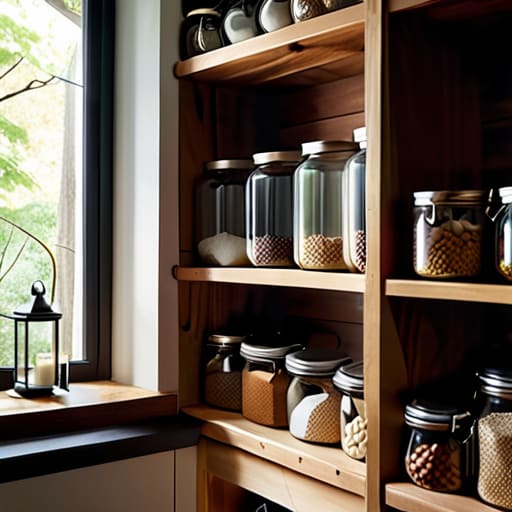
Instead of running to a big-box retailer to buy expensive plastic bins, let’s get creative with some repurposed container ideas. I’ve found that glass mason jars or even sturdy tin cans from my kitchen can be transformed into chic desk organizers or spice holders with just a bit of paint. Using upcycled home organization techniques isn’t just about saving a few bucks; it’s about being resourceful and intentional with what you already own. It’s much more satisfying to build a streamlined space from scratch than to simply buy your way out of a mess.

Small Apartment Storage Hacks for a Perfectly Plated Life

Small Apartment Storage Hacks for a Perfectly Plated Life

If you’re living in a studio or a cozy one-bedroom, you know that square footage can feel more precious than a perfectly aged balsamic. When your kitchen, workspace, and living area all occupy the same footprint, you can’t afford to let your belongings “overcook” and spill over into your walking paths. This is where small apartment storage hacks become your secret ingredient. Think vertically; if you can’t expand your floor plan, use your walls. Installing floating shelves or using over-the-door organizers is like adding a second tier to a wedding cake—it maximizes the presentation without taking up extra table space.

I’m also a huge believer in repurposed container ideas to keep your pantry and desk from looking like a chaotic kitchen rush. Don’t go out and buy expensive, matching acrylic bins just yet—that’s a drain on your capital! Instead, look at those glass sauce jars or sturdy tin cans in your recycling bin. With a little bit of cleaning and perhaps a coat of matte paint, they become chic, uniform vessels for spices or office supplies. It’s all about upcycled home organization that keeps your overhead low and your aesthetic high.
The Mise en Place of Organization: 5 DIY Storage Recipes to Master Your Space

  • Repurpose Mason Jars for Pantry Precision: Think of these like small-batch investments. Instead of letting bulk goods clutter your counters, use glass jars to portion out grains and spices. It keeps your “inventory” visible and prevents the financial waste of buying duplicates you didn’t know you had.
  • Upcycle Wine Crates into Modular Shelving: In the finance world, we love a good diversified portfolio; in decor, we love modularity. Old wooden crates can be sanded and stacked to create custom shelving that grows with your collection, giving you high-end aesthetics without the high-end markup.
  • Use Tension Rods for Hidden Cabinet Organization: Just like a well-managed budget acts as a buffer for unexpected expenses, tension rods can create “buffer zones” in your cabinets. Use them under sinks to hang cleaning supplies or in cabinets to create dividers for baking sheets, keeping everything from sliding into a chaotic mess.
  • Turn Overstock Cardboard into Custom Drawer Dividers: Don’t let your organizational budget go to zero! You can transform sturdy cardboard boxes into custom-fit drawer organizers. It’s the culinary equivalent of “scrapping the bones” to make a rich stock—you’re extracting maximum value from something most people would just toss.
  • Install Command Hooks for Vertical Efficiency: When your square footage is limited, you have to think vertically, much like how you might scale a small startup. Use heavy-duty hooks to hang everything from kitchen utensils to lightweight storage bins, clearing up your “floor space” and making your daily routine much more streamlined.

The Secret Sauce to a Sustainable Space

Treat your storage like a well-managed budget—don’t over-invest in fancy bins until you’ve audited your “inventory” and cleared out the clutter that’s draining your mental capital.

Think of vertical space as your high-yield savings account; by utilizing walls and high shelves, you’re maximizing your square footage without having to pay for a bigger “kitchen.”

Consistency is your most important ingredient; just as you wouldn’t let dirty dishes pile up in a professional kitchen, a five-minute nightly reset prevents organizational debt from accumulating.

The ROI of Organization

Think of DIY storage solutions as the mise en place of your home; when you invest a little time into prepping your space, you stop wasting your most valuable currency—time—on searching for what you need, and start spending it on what actually nourishes your soul.

Madeline Thompson

The Final Course: Serving Up Your Organized Life

The Final Course: Serving Up Your Organized Life

At the end of the day, mastering your space is a lot like managing a high-stakes kitchen or a complex investment portfolio—it all comes down to how you organize your resources. We’ve walked through the art of budget-friendly decluttering to ensure you aren’t wasting precious capital on things you don’t need, and we’ve explored those clever small-space hacks to make sure every square inch of your home is working as hard as a seasoned sous-chef. Whether you are repurposing old mason jars for pantry staples or building custom shelving to maximize your vertical real estate, remember that every DIY project is an investment in your peace of mind.

Don’t feel like you have to overhaul your entire life in a single afternoon; even the most complex recipes are prepared one ingredient at a time. Start small, stay consistent, and treat your home organization like a long-term savings account—the small, daily deposits of tidying and clever storage will eventually yield a massive return on happiness. You have the tools, the vision, and the drive to create a life that feels as balanced and beautiful as a perfectly plated meal. Now, go out there and start building your masterpiece!

Frequently Asked Questions

How can I create stylish DIY storage solutions without spending a fortune on high-end craft supplies?

Think of your DIY projects like a smart pantry audit—you don’t need expensive imported spices to make a meal incredible; you just need to use what you already have. Skip the high-end craft stores and raid your recycling bin or the local thrift shop. Upcycled glass jars make chic spice containers, and sturdy cardboard boxes can become elegant drawer organizers with just a bit of leftover fabric or paint. It’s all about maximizing your existing assets!

What are some clever ways to repurpose old kitchen containers or pantry items into organizational tools?

Don’t toss those empty glass pasta sauce jars just yet! Think of them as low-cost assets in your organizational portfolio. Wash them out, pop on some uniform labels, and suddenly you’ve got a high-yield system for storing spices or loose tea. You can even repurpose old mason jars to hold loose change or office supplies. It’s all about maximizing your existing inventory—repurposing is basically the “compound interest” of home organization!

If I'm living in a rental, how can I implement these storage hacks without losing my security deposit?

Think of your rental like a delicate reduction sauce—you want to add flavor without scorching the pan! To protect that security deposit, skip the heavy-duty drilling and opt for “no-damage” tools. Command hooks and tension rods are your best friends here; they provide structure without leaving permanent scars on the walls. It’s all about high-impact organization with low-risk execution. Invest in freestanding shelving instead of built-ins to keep your space customizable and your landlord happy.

Posted on

How to Make Any Room Feel Cozy

Tips on how to make your home cozy.

I used to think that creating a sanctuary required a massive capital injection—the kind of high-end, designer-label splurge that would make even my old Wall Street colleagues blush. I’d see these influencers posting about “aesthetic” living rooms filled with expensive, sterile furniture, and I’d think, that’s not comfort, that’s just a showroom. But here’s the truth: you don’t need a massive budget to figure out how to make your home cozy. In fact, trying to buy “coziness” is like trying to buy a Michelin star without ever stepping into a kitchen; you can have all the expensive equipment in the world, but if you don’t understand the soul of the ingredients, you’re just left with an empty, expensive shell.

In this guide, I’m stripping away the overpriced fluff and giving you the real, bottom-line strategy for building warmth. We aren’t going to chase fleeting trends that drain your savings account; instead, we’re going to focus on layering textures and scents much like you’d balance acidity and fat in a reduction sauce. I promise to show you how to curate a space that feels deeply nourishing and personal, ensuring your home provides a high return on investment for your mental well-being.

Table of Contents

Mastering Warm Lighting for Living Rooms

Mastering Warm Lighting for Living Rooms.

If your living room feels a bit “cold,” don’t immediately reach for your credit card to buy a new sofa. Think of your lighting like the seasoning in a delicate sauce; if you rely solely on one harsh ingredient—like that aggressive overhead light—the whole dish falls flat. To truly master warm lighting for living rooms, you need to diversify your “flavor profile” by layering different light sources. I always tell my team that a single bright bulb is like a high-interest loan: it provides immediate visibility, but it leaves you feeling drained in the long run.

Instead, aim for a mix of floor lamps, table lamps, and even some dimmable sconces to create depth. I love using bulbs with a lower Kelvin rating to mimic the soft, golden glow of a sunset. This approach is a cornerstone of creating a sanctuary at home, turning a sterile space into something that feels emotionally rich. When you layer these soft glows, you aren’t just illuminating a room; you’re investing in a sensory experience that pays dividends in relaxation every single evening.

Textile Layering Techniques for Rich Textures

Textile Layering Techniques for Rich Textures.

If lighting is the seasoning that sets the mood, then textiles are the hearty, protein-rich base of your home’s flavor profile. To truly master textile layering techniques, you have to think like a chef building a complex sauce. You wouldn’t just throw a splash of cream into a pan and call it a day; you layer flavors to create depth. In your living room, this means moving beyond a single, flat sofa cushion. Instead, mix a heavy velvet pillow with a lighter linen one, or drape a chunky knit throw over a sleek cotton armchair. This creates a tactile richness that makes the space feel expensive and intentional, rather than just cluttered.

Don’t view these additions as unnecessary expenses, but rather as high-yield investments in your daily well-being. When you focus on varying the weights and weaves of your fabrics, you are essentially creating a sanctuary at home that appeals to more than just the eyes. It’s about the sensory experience—the way a soft faux-fur rug feels underfoot after a long workday. Much like diversifying a stock portfolio to mitigate risk, layering different textures ensures your space feels balanced and resilient against the cold, sterile feeling of a minimalist aesthetic.

The Secret Ingredients: 5 Ways to Season Your Space for Maximum Comfort

  • Curate a Sensory Menu: Just like a great meal hits every taste bud, a cozy home needs a full sensory profile. Don’t just stop at the visual; light a cedarwood candle or simmer some cinnamon on the stove to add that “aromatic layer” that makes a room feel lived-in and loved.
  • Invest in High-Yield Greenery: Think of indoor plants as the compound interest of interior design. They require a little upfront effort and consistent “deposits” of water, but the long-term payoff in air quality and visual vibrancy is an absolute winner for your mental wellness.
  • Declutter to Balance Your Books: You can’t cook a gourmet meal in a kitchen overflowing with junk, and you can’t relax in a room full of visual noise. Treat your surfaces like a lean budget—trim the excess clutter so your most meaningful pieces have the room they need to shine.
  • Create a Dedicated “Nook” Fund: In finance, we talk about diversifying your assets; in home design, you should diversify your relaxation zones. Carve out a specific corner—even if it’s just a single armchair—and treat it as your personal “low-risk” zone where the only goal is complete stillness.
  • The Scent of Stability: Consistency is key in both a balanced portfolio and a cozy home. Find a signature scent or a specific way you arrange your pillows that signals to your brain, “The workday is over, and we are officially in the safe zone.”

The Recipe for a High-Yield Home Atmosphere

Treat your lighting like a diversified portfolio; avoid the “single-stock” risk of one harsh overhead light by spreading warmth through various lamps and dimmers to create a balanced, stable glow.

Think of textiles as your home’s liquid assets—layering different textures like velvet and wool adds immediate depth and “interest” to your space without requiring a massive capital injection.

Prioritize “quality over quantity” when selecting decor, much like choosing premium ingredients; a few well-curated, soulful pieces will always yield a better return on comfort than a room filled with cheap, cluttered filler.

## The ROI of Atmosphere

“Think of coziness as the ultimate long-term investment; you aren’t just buying a soft throw blanket or a dimmable lamp, you’re diversifying your emotional assets to ensure your home provides a high yield of peace and comfort every single day.”

Madeline Thompson

The Final Recipe for a Cozy Home

The Final Recipe for a Cozy Home.

At the end of the day, curating a cozy home is a lot like balancing a complex recipe; it’s about the synergy of all your ingredients working together. We’ve looked at how the right lighting can act as the perfect seasoning to set the mood, and how layering textiles provides that rich, textural depth that makes a room feel substantial rather than superficial. Just as you wouldn’t serve a gourmet meal without checking the seasoning one last time, take a moment to walk through your space and see where the “flavors” might be missing. Whether it’s a soft throw or a warm lamp, every small adjustment is an investment in your daily well-being that pays dividends in comfort.

Remember, building a sanctuary doesn’t require a massive capital injection or a total renovation. It’s about making intentional, small-scale decisions that yield a high return on happiness. Think of your home as your most important personal asset—it’s the place where you recharge your mental and emotional reserves. Don’t feel pressured to achieve perfection overnight; instead, focus on gradual, meaningful improvements that reflect who you are. Just like mastering a difficult culinary technique or a complex financial portfolio, the real magic happens in the consistency of the process. Now, go grab a blanket, dim the lights, and start savoring the comfort you’ve built.

Frequently Asked Questions

How can I achieve that high-end, cozy aesthetic without blowing my entire monthly budget on designer decor?

Think of it like making a gourmet reduction: you don’t need the most expensive ingredients to get a concentrated, high-end flavor; you just need to know where to invest your capital. Instead of buying a full designer set, allocate your “decor budget” toward a few high-impact “anchor pieces”—like a heavy velvet pillow or a sculptural vase. For everything else, shop the thrift markets. It’s all about strategic sourcing to create a rich, layered look without the luxury markup.

Are there specific ways to layer textiles that won't make my small living space feel cluttered or visually "expensive" in a bad way?

Think of layering like balancing flavors in a delicate sauce; you want depth without overpowering the palate. In a small space, avoid “heavy” fabrics like thick velvet everywhere. Instead, mix textures—try a chunky knit throw over a smooth linen sofa. Stick to a cohesive color palette to prevent visual noise. It’s about high-quality accents, not high volume. By choosing a few intentional, tactile pieces, you get that “rich” feeling without the clutter.

Can you suggest some lighting hacks that provide warmth without the high electricity costs of running multiple lamps all night?

Think of your electricity bill like an ingredient list—you want maximum flavor without blowing your budget. Instead of running five different lamps, swap your old bulbs for warm-toned LEDs. They’re the “low-sodium” version of lighting: all the warmth, none of the heavy cost. You can also use smart plugs to schedule dimmers, creating that perfect ambiance on a timer. It’s like prepping your mise en place; you’re working smarter, not harder, to save.

Posted on

How to Save for a Big Purchase Without Going Into Debt

Tips on how to save for a big purchase.

I still remember the frantic, caffeine-fueled nights on Wall Street, staring at spreadsheets that felt more like a recipe for burnout than a roadmap to wealth. Back then, everyone told me that learning how to save for a big purchase required a monastic lifestyle of deprivation—cutting out every joy just to watch a number climb in a bank account. It’s a total myth that you have to live on crackers and tap water to afford your dreams. Honestly, that kind of “all-or-nothing” mentality is the fastest way to lose your appetite for life altogether.

I’m not here to give you a lecture on austerity or some complicated, soul-crushing financial formula that leaves you feeling empty. Instead, I want to show you how to approach your goals with the same precision I use when prepping a complex reduction sauce. I’ll share the exact, no-nonsense strategies I used to transition from corporate finance to food entrepreneurship, focusing on building a budget that actually tastes good. We’re going to learn how to slow-cook your savings so that when you finally reach that big milestone, you can actually savor the moment without any lingering guilt.

Table of Contents

Artful Financial Goal Setting Strategies for Your Next Feast

Artful Financial Goal Setting Strategies for Your Next Feast

Think of your financial goal like a complex soufflé; if you just throw everything in the oven at once without a recipe, you’re going to end up with a mess. To avoid that, you need solid financial goal setting strategies that break your big dream down into manageable bites. I like to categorize my targets into short-term vs long-term savings buckets. If you’re eyeing a new espresso machine, that’s a quick sauté. But if you’re saving for a down payment on a house? That’s a slow-cooked brisket that requires patience and a very specific temperature setting.

Once you know what you’re cooking for, you need to prep your workstation. This is where automated savings plans become your best friend in the kitchen. By setting up a recurring transfer to a separate account the moment your paycheck hits, you’re essentially prepping your ingredients before the chaos of the day begins. It removes the temptation to snack on your capital through impulse buys, ensuring that your “big feast” remains fully funded and ready to serve when the time finally comes.

Budgeting for Large Expenses Without Losing Your Flavor

Budgeting for Large Expenses Without Losing Your Flavor

Now, let’s talk about the actual kitchen work: budgeting for large expenses without feeling like you’re stuck eating plain crackers every night. When I was on Wall Street, I saw people slash their entire lives to meet a single number, and honestly? That’s a recipe for burnout. If you restrict your lifestyle too aggressively, you’ll end up “binge-spending” out of frustration. Instead, think of your budget like a balanced recipe. You need the heavy hitters—your rent and utilities—but you also need those little splashes of flavor, like that Friday night takeout or a weekend coffee run, to keep you going.

To make this sustainable, I’m a huge fan of automated savings plans. Think of it like a slow cooker; you set it, walk away, and let the magic happen in the background without having to micromanage the heat every five minutes. By setting up a recurring transfer to a separate account, you’re essentially prepping your ingredients before the rush starts. This takes the guesswork out of managing impulse spending because the money for your big goal is already tucked away safely before you even have the chance to accidentally spend it on something shiny and unnecessary.

Five Secret Ingredients to Perfecting Your Big-Purchase Prep

  • Automate your “mise en place” by setting up automatic transfers to a dedicated savings account. Just like prepping your vegetables before the heat hits the pan, having your funds ready to go ensures you won’t be scrambling—or overspending—when the moment arrives.
  • Trim the “unnecessary garnishes” from your monthly spending. We all love those little daily luxuries, but if they’re eating up your budget like too much truffle oil, it might be time to scale back so you can afford the main course later.
  • Create a “Sinking Fund” specifically for this goal. Think of it like a slow-cooker recipe; you’re putting in small, consistent amounts of effort (and cash) over time, allowing the magic to happen without any high-pressure cooking at the end.
  • Shop around for high-yield savings accounts to make your money work harder. Leaving your savings in a standard checking account is like letting your dough sit in a cold kitchen; you want to find an environment that helps it rise and grow faster through interest.
  • Track your progress with a visual “recipe card.” Whether it’s a spreadsheet or a fun chart on your fridge, seeing how close you are to your goal provides that same dopamine hit you get when you finally plate a masterpiece.

The Secret Sauce to Your Savings Success

Treat your big purchase like a complex recipe; you can’t just throw everything in the pan at once. Break your goal down into small, manageable “prep steps” so you don’t feel overwhelmed by the total cost.

Don’t let your budget become a bland, tasteless diet. Build in “flavor buffers” by automating your savings so you can still enjoy your daily latte without feeling like you’ve ruined your financial recipe.

Constant tasting is key to a perfect dish, and the same goes for your money. Regularly check in on your progress to adjust your seasonings—if you’re falling behind, tweak your spending before the whole meal is ruined.

## The Secret Ingredient to Big Wins

“Saving for a major milestone isn’t about deprivation; it’s about slow-cooking your capital so that when you finally sit down to enjoy that big purchase, it tastes like pure, hard-earned success.”

Madeline Thompson

The Final Course: Serving Up Your Success

The Final Course: Serving Up Your Success

At the end of the day, saving for a major milestone isn’t about deprivation; it’s about intentional preparation. We’ve walked through the importance of setting clear, delicious goals, much like choosing the perfect star ingredient for a signature dish. We’ve also looked at how to balance your budget so you aren’t just eating plain crackers while waiting for that house or car to arrive. By treating your savings like a slow-cooked reduction—letting it simmer and build strength over time—you ensure that when you finally reach that big purchase, you aren’t just buying an item, you are tasting the reward of your own discipline.

I know that staring at a massive price tag can feel as intimidating as a five-course banquet when you’ve only ever cooked toast. But remember, every master chef started with a single onion and a hot pan. Don’t let the scale of your dream discourage you from taking that first small, bite-sized step today. Whether it’s automating a tiny transfer or cutting back on one unnecessary “side dish” expense, you are building momentum. Keep your eyes on the prize, trust your recipe, and soon enough, you’ll be sitting down to a feast that you earned with every single smart decision you made.

Frequently Asked Questions

How do I know if I’m saving enough for my goal, or if I’m just over-seasoning my budget and leaving myself too little to eat every month?

Think of it like tasting a sauce as you cook: you don’t want to dump in so much salt that the whole dish becomes inedible. If your monthly “flavor” (your lifestyle) feels bland or you’re skipping meals to hit a savings target, you’ve over-seasoned. Aim for a “simmer,” not a “boil.” If you can cover your essentials and still have a little room for joy without touching your savings stash, you’ve found the perfect balance.

Should I keep my big-purchase funds in a standard savings account, or is there a "slow-cooker" equivalent like a High-Yield Savings Account that helps my money grow faster?

Think of a standard savings account like a microwave: it’s quick and easy, but it’s not exactly doing much for the flavor. If you leave your big-purchase funds there, inflation might just nibble away at your purchasing power. You definitely want the “slow-cooker” approach. A High-Yield Savings Account (HYSA) lets your money simmer in a much richer environment, earning significantly more interest so your savings actually gain some depth while you wait.

What do I do if an unexpected "kitchen fire"—like a sudden car repair or medical bill—eats into the funds I’ve already set aside for my big goal?

First, don’t panic—every chef has dealt with a scorched pan now and then. When a sudden “kitchen fire” like a medical bill hits your savings, treat it as a temporary recipe adjustment rather than a total kitchen shutdown. Reassess your monthly budget to see where you can trim the “garnish” to replenish those funds. It’s not a failure; it’s just a pivot. Stay patient, adjust your heat, and keep cooking toward that goal.