
Ever feel like your life is a high-pressure kitchen during a Saturday night rush, where the orders are piling up, the burners are too high, and you’re just one wrong move away from a total meltdown? We’ve all been there—staring at a mounting pile of bills or a chaotic work calendar, feeling like our internal resources are running on a deficit. Most people treat wellness like an optional garnish, something you toss on at the end if there’s extra time, but I’ve learned that neglecting yourself is the fastest way to go bankrupt emotionally. Finding effective self care ideas isn’t just about luxury; it’s about protecting your most valuable asset: you.
In this post, I’m breaking down five intentional ways to reinvest in your own well-being without breaking the bank or your schedule. Think of these as your personal diversified portfolio for mental and physical health. We aren’t just talking about bubble baths here; I’m sharing actionable strategies that will help you stabilize your internal economy and find that perfect balance between hustle and harmony. Get ready to learn how to replenish your reserves so you can show up to your career and your kitchen with full flavor and zero burnout.
Table of Contents
Audit Your Social Capital
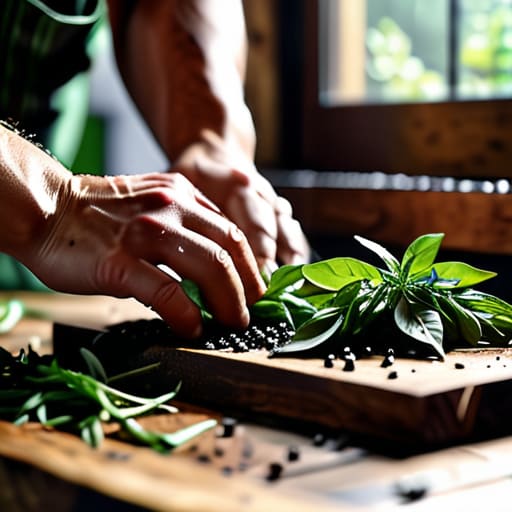
Think of your social circle like your ingredient list. If you’re trying to whip up a high-end reduction but you’re using spoiled herbs, no amount of technique is going to save the dish. In the same way, spending too much time with “energy vampires”—those people who constantly drain your mental reserves—is like a hidden tax on your happiness. You have to be willing to prune the deadwood to make room for the high-yield relationships that actually nourish you.
Prep Your Mental Mise en Place
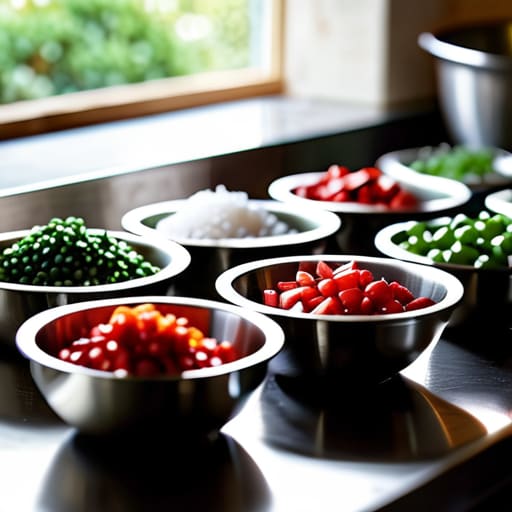
In a professional kitchen, “mise en place” is everything; it’s the act of having every single ingredient chopped, measured, and ready before the heat even hits the pan. If you start cooking without it, you’re going to end up in a chaotic scramble, probably burning the garlic while you’re frantically looking for the salt. Your brain works the exact same way. When you wake up and immediately dive into a mountain of unorganized tasks, you’re essentially cooking in a kitchen fire.
Invest in High-Quality Fuel

We spend so much time obsessing over our 401(k)s and our career trajectories, but we often treat our bodies like a cheap, clearance-aisle pantry. If you’re fueling your high-performance career with nothing but caffeine and processed snacks, you are essentially trying to run a luxury restaurant on a budget of instant noodles. You might get through the shift, but the quality of your output—and your mood—is going to suffer significantly.
Schedule Your Downtime Like a Board Meeting
One of the biggest mistakes I see people make is treating rest as an “if I have time” luxury rather than a non-negotiable line item in their budget. In finance, if you don’t account for expenses, you’re going to end up in the red. In life, if you don’t account for rest, you’re going to end up in total burnout. You cannot expect a high return on your professional efforts if you are constantly operating at a deficit.
Diversify Your Joy
When you’re hyper-focused on your career, it’s easy to let your entire identity become tied to your job title or your salary. This is incredibly risky. If your career hits a rough patch—and let’s face it, markets fluctuate—and that’s your only source of fulfillment, your entire sense of self can go into a sudden market crash. You need to build a more resilient emotional portfolio.
The Secret Sauce to Sustaining Your Success
Treat your energy like a finite budget; if you overspend on stress without reinvesting in rest, you’re headed for a total burnout bankruptcy.
Small, consistent acts of self-care are like the slow-simmered stocks of life—they might not seem flashy in the moment, but they provide the essential depth and nourishment you need for long-term growth.
Remember that investing in your own well-being isn’t a luxury expense or a “frivolous” cost; it is the most high-yield asset in your entire portfolio, ensuring you have the mental capital to tackle your career and your kitchen with confidence.
The ROI of Rest
Think of self-care not as an indulgence, but as your most essential capital investment; you can’t expect to cook up a high-growth career if you’re running on an empty pantry and a burnt-out burner.
Madeline Thompson
The Secret Ingredient to Your Success
At the end of the day, implementing these self-care ideas isn’t about adding more items to a never-ending to-do list; it’s about strategic resource management. Just like I learned on Wall Street, you can’t expect a high return on your career or your personal life if you’re constantly operating with a deficit. Whether you’re carving out time for a quiet morning ritual or setting firm boundaries to protect your mental bandwidth, you are essentially reinvesting in your most valuable asset: yourself. Think of these moments as the essential prep work that ensures the main course of your life doesn’t burn under the pressure of a high-stakes kitchen.
As you move forward, remember that consistency beats intensity every single time. You don’t need a massive windfall of time or money to start feeling the benefits of a better self-care routine; you just need the discipline to prioritize your own well-being amidst the chaos. Treating your mental and physical health with the same respect you give your financial portfolio will yield dividends that no stock market can match. So, go ahead and take that small, delicious step toward a more balanced life today. You’ve worked hard for your success, so make sure you’re actually present enough to savor it.
Frequently Asked Questions
How do I balance investing time in self-care without blowing my monthly budget?
Think of self-care like a recipe: you don’t need truffle oil to make a meal delicious. You can achieve high returns on your well-being without a massive capital outlay. Swap that pricey spa membership for a long hike or a DIY facial using pantry staples. Investing in yourself doesn’t have to be a luxury expense; sometimes, the best “dividends” come from low-cost, high-impact habits like reading or a consistent sleep schedule.
Can you suggest some quick self-care rituals for when my career gets as chaotic as a dinner rush?
When the metaphorical dinner rush hits and your inbox is screaming, you can’t afford a long sabbatical. Think of these as “micro-investments” in your mental capital. First, try the “Three-Minute Mise en Place”: step away from the screen and just breathe, organizing your thoughts like you’re prepping ingredients. Next, grab a high-quality tea; it’s a small, sensory luxury that resets your palate. These tiny rituals prevent burnout from compounding like high-interest debt.
How do I know if my self-care habits are actually providing a good return on investment for my mental health?
Think of it like auditing your kitchen expenses: you need to see if the ingredients are actually yielding a finished dish. If your “self-care” leaves you feeling more drained or guilty—like a recipe that looks great on Pinterest but tastes like cardboard—it’s a bad investment. A high-yield habit should leave you with more emotional capital to spend on your career and goals. If the ROI isn’t a sense of renewed energy, it’s time to rebalance your portfolio.