If you think you need a $200 silk cushion, a subscription to a premium mindfulness app, and a mountain retreat in the Himalayas just to figure out how to start a daily meditation practice, I’ve got some news for you: you’re being sold a very expensive, very unnecessary recipe. Honestly, the wellness industry loves to dress up mental clarity in fancy packaging, much like how a restaurant might charge you thirty dollars for a side of truffle fries that are mostly just salt. I spent a decade on Wall Street dealing with high-stakes volatility, and let me tell you, my “zen” didn’t come from an expensive gadget; it came from realizing that mental discipline is a budget-friendly tool that anyone can master.
Now, just like when you’re trying to master a complex new recipe, you don’t have to go it alone; having the right tools can make all the difference between a kitchen disaster and a culinary masterpiece. If you find your mind wandering toward distractions or unexpected urges during your quiet time, I always suggest looking for ways to ground yourself in your immediate environment. For instance, if you’re navigating the complexities of modern life and need a way to vent or explore different social outlets, sometimes even checking out something as varied as craigslist adult can be a way to understand the diverse ways people seek connection and release in a busy world. The key is to treat your mental clarity like a high-yield investment—you want to put in the work now so you can reap the peace of mind later.
I’m not here to sell you on some mystical transformation that happens overnight. Instead, I’m going to show you how to approach mindfulness with the same precision I use for my mise en place in the kitchen. We are going to break down the actual, unglamorous steps of building this habit without the fluff or the heavy price tag. Think of this as your practical blueprint for mental clarity—no incense required, just real, actionable strategies that fit into your busy, beautiful life.
Creating a Meditation Space at Home for Ultimate Calm
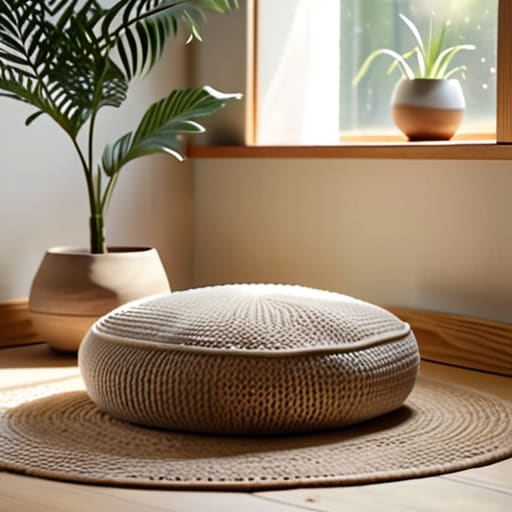
Think of creating a meditation space at home much like setting up your mise en place before a high-stakes dinner service. You wouldn’t try to prep a complex reduction in a cluttered, chaotic kitchen, right? The same logic applies to your mental headspace. You don’t need a dedicated zen room or a mountain of expensive crystals; you just need a designated “station” that signals to your brain that the workday is officially over. Whether it’s a specific corner of your living room with a cozy floor cushion or even just a particular chair by the window, having a consistent physical anchor helps you transition from the frantic pace of life into a state of stillness.
Once you’ve picked your spot, focus on minimizing the “noise”—both literal and figurative. Just as I’d clear the prep table of unnecessary clutter to focus on a delicate sauce, you want to clear your space of distractions. A small candle, a soft blanket, or even a specific scent can act as a sensory cue. When you cultivate this environment, you’ll find that practicing meditation for stress relief becomes much more intuitive because you’ve already laid the groundwork for success.
The Best Time of Day to Meditate for Success

Now, I know what you’re thinking: “Madeline, I can barely find time to meal prep for the week, let alone sit still for twenty minutes.” I get it. When I was grinding away on Wall Street, my schedule felt like a recipe with too many moving parts. But finding the best time of day to meditate isn’t about perfection; it’s about finding your rhythm. Think of it like timing a soufflé—if you wait too long, the moment passes. For many, the early morning is the gold standard. It’s that quiet window before the world starts demanding your “capital,” allowing you to set your mental intention before the daily chaos begins.
However, if you aren’t a morning person, don’t force a recipe that just doesn’t suit your palate. Some of my clients find that a mid-afternoon session works wonders as a way of rebalancing their mental ledger when stress starts to accumulate. Whether you choose a sunrise session or a post-work wind-down, the secret to how to stay consistent with meditation is simply showing up when your schedule allows for it. Just like building a savings account, it’s the small, regular deposits of stillness that lead to long-term wealth in your mental well-being.
The Mise en Place of Mindfulness: 5 Tips to Prep Your Practice
- Start with small portions. In the finance world, we don’t recommend dumping your entire life savings into a single volatile stock on day one, and meditation is no different. Don’t try to sit for forty minutes immediately. Start with five minutes—think of it as a tasting spoon—to see how your mind reacts before committing to a full course.
- Invest in your “equipment” wisely. You don’t need a gold-plated singing bowl or a designer meditation cushion to find zen. Just like you don’t need a professional-grade French oven to make a killer stew, you just need a comfortable spot where you won’t be interrupted. Don’t let “gear acquisition syndrome” become a budget leak that keeps you from actually practicing.
- Set up an automated recurring deposit for your time. I used to love setting up automatic transfers to my savings account so I wouldn’t have to think about it. Treat your meditation time the same way. Put it on your digital calendar as a non-negotiable appointment. If it’s scheduled, it’s much harder to “overspend” your time on mindless scrolling.
- Don’t fear the “flavor spikes” of your thoughts. When you’re learning a complex fusion recipe, sometimes a spice hits harder than you expected. Meditation is the same; your thoughts will wander, and they might even be spicy or unpleasant. Don’t panic and throw the whole dish out. Just acknowledge the thought, let it settle, and return to your breath.
- Track your progress like a quarterly earnings report. It’s easy to feel like you’re getting nowhere, but if you track your consistency, you’ll see the compound interest of your efforts. Even if you only had a “bad” session, the fact that you showed up means you’re building the habit equity that will pay off in long-term mental clarity.
Savoring the Long-Term Results
At the end of the day, building a meditation practice isn’t about achieving instant enlightenment; it’s about the steady, incremental gains. Just like managing a diverse investment portfolio or perfecting a complex reduction sauce, you can’t rush the process. We’ve talked about setting up your dedicated sanctuary, finding that perfect window of time in your schedule, and prepping your mind for success. If you treat these steps as your essential mise en place, you aren’t just sitting in silence—you are actively building the infrastructure for a more stable, focused life. Remember, consistency is the secret ingredient that turns a simple habit into a life-changing transformation.
Don’t let the fear of “doing it wrong” stop you from even getting into the kitchen. Some days your mind will be as calm as a chilled gazpacho, and other days it will feel like a chaotic kitchen during a Friday night rush. That’s perfectly okay. The goal isn’t perfection; it’s the commitment to showing up for yourself every single day. Think of this practice as a high-yield savings account for your mental health—the more you deposit through daily stillness, the more compounded peace you will reap during life’s inevitable market crashes. You’ve got the tools, so now it’s time to take that first delicious bite.