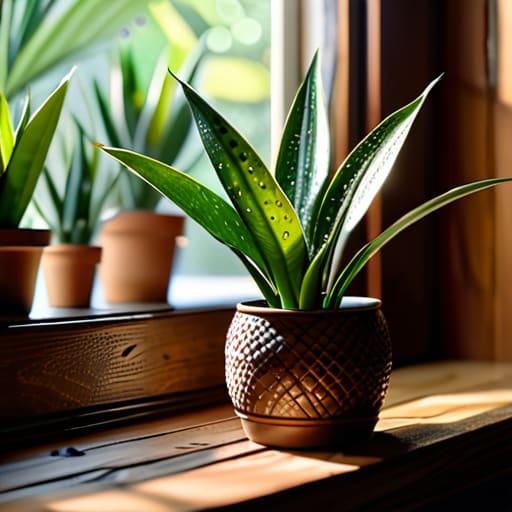
Let’s be honest: walking into a nursery can feel a lot like staring at a complex, high-stakes balance sheet or a menu written entirely in French. You want that lush, vibrant aesthetic, but you’re terrified of making a “bad investment” that ends up dead on your windowsill within a week. I’ve been there, and trust me, nothing kills your vibe faster than watching a beautiful green leaf turn into a crispy brown mess. Finding the right houseplants for beginners shouldn’t feel like a high-risk gamble; it should feel like mastering a foolproof recipe that guarantees a win every single time.
In this post, I’m cutting through the botanical noise to give you my curated “starter kit” of greenery. I’ve hand-picked five specific plants that offer the highest ROI for your effort, focusing on species that are incredibly forgiving even if you have a bit of a “black thumb.” You’re going to learn which plants are the ultimate low-maintenance champions and how to nurture them without breaking a sweat. Let’s get your indoor jungle growing—one easy, successful step at a time!
Table of Contents
- The Snake Plant: Your High-Yield Savings Account
- Pothos: The Compound Interest of Greenery
- ZZ Plant: The Recession-Proof Essential
- Spider Plant: The Diversified Portfolio
- Peace Lily: The Quality Control Specialist
- The Secret Sauce to a Thriving Indoor Jungle
- Investing in Your Indoor Greenery
- Sowing the Seeds of Success
- Frequently Asked Questions
The Snake Plant: Your High-Yield Savings Account
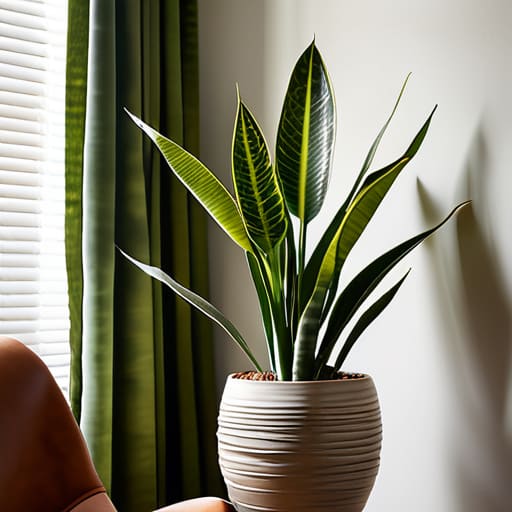
If I were looking at a portfolio, the Snake Plant would be my equivalent of a high-yield savings account. It’s incredibly reliable, requires almost zero effort to maintain, and it just keeps growing in the background while you focus on more volatile investments. You don’t need to worry about perfect lighting or a strict watering schedule; this plant is happy to sit in a dim corner and just exist beautifully.
Pothos: The Compound Interest of Greenery
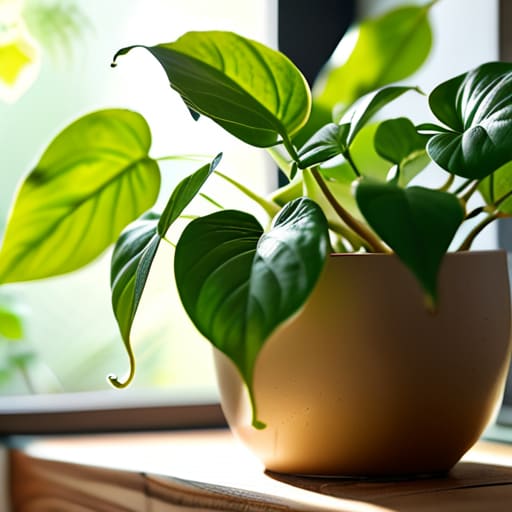
The Pothos is like compound interest in plant form. It starts small, but once it gets a foothold, it begins to trail and vine in ways that feel incredibly rewarding. Watching those new leaves sprout is a lot like seeing your dividends reinvest themselves; it’s a slow, steady visual representation of growth over time.
ZZ Plant: The Recession-Proof Essential
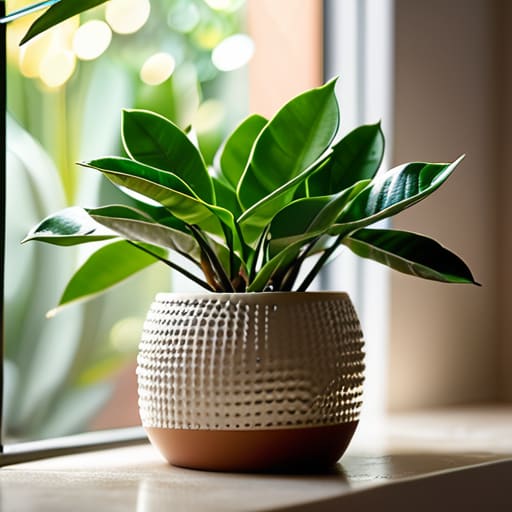
When the economy gets shaky, you want assets that can weather any storm, and the ZZ Plant is exactly that. It has these thick, waxy leaves that act like a built-in emergency fund, storing moisture so the plant can survive long periods of neglect. It’s essentially the recession-proof option for anyone who knows they might forget to water their plants during a busy season.
Spider Plant: The Diversified Portfolio
If you’re looking to expand your collection, the Spider Plant is like diversifying your portfolio. It doesn’t just sit there being one single unit; it produces “babies” or plantlets that hang down from the mother plant. These little offshoots are essentially free assets that you can eventually snip off and pot in their own containers to start new lines of growth.
Peace Lily: The Quality Control Specialist
Every good kitchen needs a chef who knows exactly when the sauce is breaking, and the Peace Lily is your plant version of quality control. It is incredibly communicative; when it needs water, it will dramatically droop its leaves to signal that it’s time for a liquidity injection. It’s not being dramatic for the sake of it; it’s simply providing you with real-time data.
The Secret Sauce to a Thriving Indoor Jungle
Don’t overcomplicate your initial investment; just like starting a small business, it’s better to master a few “low-cost, high-reward” plants before scaling up your collection.
Consistency is your best ingredient—treating your plant care schedule with the same discipline as a monthly budget will prevent the “sudden bankruptcy” of a wilted leaf.
Treat every mistake as a learning opportunity rather than a loss; even the best chefs (and investors!) have a few burnt dishes before they find their rhythm.
Investing in Your Indoor Greenery
“Think of picking your first houseplant like choosing a foolproof recipe; you want something low-maintenance that delivers a high-reward feeling every time you see it thrive. Just like building a diversified portfolio, you don’t need a massive initial investment to start seeing growth—you just need the right foundation and a little bit of patience.”
Madeline Thompson
Sowing the Seeds of Success
Think of these five beginner-friendly plants as your initial seed capital. Just like when I first started managing high-stakes portfolios on Wall Street, you don’t need to master the most volatile assets right away. By starting with resilient choices like the Snake Plant or the Pothos, you are essentially building a diversified portfolio of greenery that is designed to withstand a little bit of neglect. You’ve learned that the secret isn’t in having a perfect green thumb, but in understanding the basic ingredients—light, water, and soil—that allow these living things to thrive.
At the end of the day, nurturing a plant is a lot like managing your personal finances or building a career; it requires patience, consistency, and the willingness to learn from a few wilted leaves along the way. Don’t let a single mistake discourage you from expanding your indoor jungle. Every expert gardener was once a beginner who accidentally overwatered a succulent, and every successful entrepreneur faced a few bad investments. Embrace the process, enjoy the slow growth, and remember that the most rewarding results always come to those who stay invested in the journey.
Frequently Asked Questions
I've picked out my beginner plants, but how do I know if I'm overspending on fancy fertilizers or if my plants actually need them?
Think of fertilizer like expensive truffle oil: it’s a luxury, not a necessity. If your plants are growing steadily and looking lush, don’t blow your budget on premium blends. You’re essentially overleveraging your “green” capital. Start with a basic, multipurpose liquid food—it’s the “store-brand rice” of the plant world. Only invest in those pricey specialty nutrients if you’re seeing a specific deficiency, otherwise, keep that extra cash in your savings!
Is there a way to tell if I'm overwatering my plants, or am I just throwing money down the drain by replacing them every month?
Think of overwatering like over-seasoning a delicate sauce—once you’ve added too much, it’s hard to fix the balance. If your plant’s leaves are turning yellow and mushy, you’re likely drowning the roots. It’s essentially a bad investment; you’re pouring capital into a “sinking” asset. Before you write off the cost and buy a replacement, check the soil moisture first. Don’t let a little liquid gold turn into a total loss!
How can I balance my budget for home decor without letting my "plant parent" impulses lead to a total financial deficit?
Think of your home decor budget like a recipe: you need a solid base before you start tossing in expensive garnishes. I call this the “Sourcing Strategy.” Instead of impulse-buying every lush Monstera you see, set a monthly “greenery allowance” in your budget. Treat your plant spending like a fixed expense, not a variable splurge. If you want that high-end statement piece, save up for it like a premium ingredient—it’ll taste much sweeter when it doesn’t break the bank!