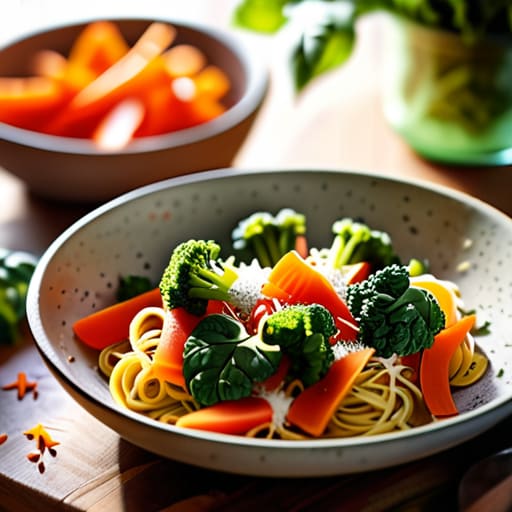
I used to think that “eating healthy” meant spending my entire paycheck on overpriced, organic microgreens that wilted faster than a bad stock trend. Honestly, the wellness industry loves to make it feel like you need a PhD and a massive budget just to figure out how to eat more vegetables without losing your mind—or your savings. Between the complicated meal prep hacks and the “superfood” hype, it’s easy to feel like you’re failing a test you never even signed up for.
But here’s the truth: you don’t need a gourmet pantry or a massive windfall to nourish your body. I’m going to show you how to treat your vegetable intake like a high-yield investment portfolio—focusing on smart, scalable strategies that actually stick. We’re skipping the expensive gimmicks and focusing on practical, flavor-first methods that work for real life, whether you’re grinding at a desk or running a food truck. Let’s stop overcomplicating the menu and start building a plate that actually pays dividends.
Table of Contents
- Building Your High Yield Vegetable Meal Prep Ideas
- Hidden Ways to Add Greens to Your Daily Assets
- Diversifying Your Plate: 5 Pro-Tips for a High-Growth Veggie Portfolio
- The Bottom Line: Maximizing Your Nutritional ROI
- ## The Compounding Interest of Nutrition
- The Final Course: Investing in Your Long-Term Vitality
- Frequently Asked Questions
Building Your High Yield Vegetable Meal Prep Ideas
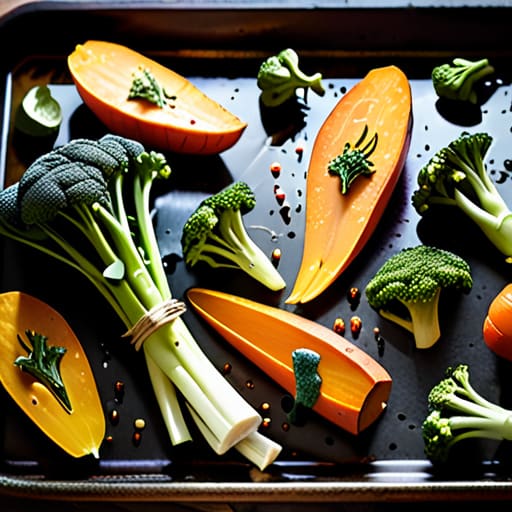
Think of your weekly meal prep as setting up a high-yield savings account; you’re making small deposits now to ensure a massive payout of energy later. To avoid the “flavor bankruptcy” that often comes with healthy eating, I swear by roasting everything. Instead of steaming your veggies into a sad, mushy mess, toss them in olive oil and sea salt, then blast them in a hot oven. This caramelization is like compound interest for your taste buds—it builds layers of flavor that make even the simplest broccoli feel like a gourmet side dish. These are some of my favorite easy vegetable recipes for beginners because they require minimal effort but offer a high return on investment.
If you’re short on time, look for hidden ways to add greens to your existing routines. I love finely chopping kale or spinach and folding it into my morning omelets or even blending it into a fruit smoothie. It’s a low-risk, high-reward strategy that boosts your nutrient density without requiring a complete overhaul of your pantry. Just like diversifying a portfolio, adding these small, consistent elements ensures your nutritional “assets” are always working for you.
Hidden Ways to Add Greens to Your Daily Assets

Think of your daily meals like a diversified investment portfolio; you don’t always need a massive, flashy IPO to see real growth. Sometimes, the best gains come from those subtle, incremental additions that compound over time. One of my favorite hidden ways to add greens is the “stealth mode” approach: finely chopping spinach or kale and folding it into sauces, smoothies, or even your morning omelets. You won’t even notice the texture change, but your nutritional balance will thank you for the sudden influx of micronutrients.
Another strategy is to treat your greens like a high-interest savings account—let them sit in the background to strengthen your overall foundation. When you’re whipping up a quick pasta or a grain bowl, toss in a handful of arugula or shredded cabbage. It’s one of the simplest plant-based nutrition tips I’ve ever implemented, and it requires almost zero extra “capital” in terms of prep time. By integrating these small, strategic bites into your existing routine, you’re effectively increasing fiber intake naturally without the stress of a total dietary overhaul.
Diversifying Your Plate: 5 Pro-Tips for a High-Growth Veggie Portfolio
- Think of your grocery list like a balanced budget; don’t over-allocate to expensive, niche produce that might spoil before you use it. Instead, invest heavily in versatile “blue chip” vegetables like spinach, carrots, or bell peppers that can pivot between salads, stir-frys, and soups without losing their value.
- Avoid “lifestyle creep” in your kitchen by not overcomplicating your recipes. You don’t need a complex, multi-step gourmet technique to enjoy broccoli; sometimes, a simple roasted approach with a bit of olive oil and salt is the high-margin, low-effort win you need on a busy Tuesday.
- Treat your frozen vegetable aisle like a high-yield savings account. They are incredibly stable, won’t “crash” (wilt) in your crisper drawer, and provide a guaranteed return on nutrition whenever you need a quick boost without the risk of fresh produce going bad.
- Practice “fractional investing” with your portions. If a massive kale salad feels too daunting for your current appetite, don’t force a total market overhaul. Just start by adding a small fraction of greens to a meal you already love—it’s the compound interest of nutrition.
- Audit your flavor profile to prevent “burnout.” Just like you wouldn’t want a portfolio that only holds one type of stock, eating the same steamed zucchini every day will lead to emotional bankruptcy. Rotate your spices and textures to keep your palate engaged and your long-term eating habits sustainable.
The Bottom Line: Maximizing Your Nutritional ROI
Treat your veggie intake like a diversified portfolio; don’t just stick to one “stock” like broccoli, but mix in various colors and textures to ensure you’re getting a full spectrum of nutritional dividends.
Automate your health “contributions” by prepping your greens in advance, much like setting up a recurring transfer to your savings account to ensure consistency without the daily decision fatigue.
Watch out for the “hidden fees” of processed snacks, and instead, reinvest those calories into high-quality, whole-food assets that provide long-term energy rather than a quick, unsustainable spike.
## The Compounding Interest of Nutrition
“Think of every extra serving of greens as a micro-investment in your future self; you might not see the market shift overnight, but the long-term dividends on your energy and health are going to be absolutely massive.”
Madeline Thompson
The Final Course: Investing in Your Long-Term Vitality
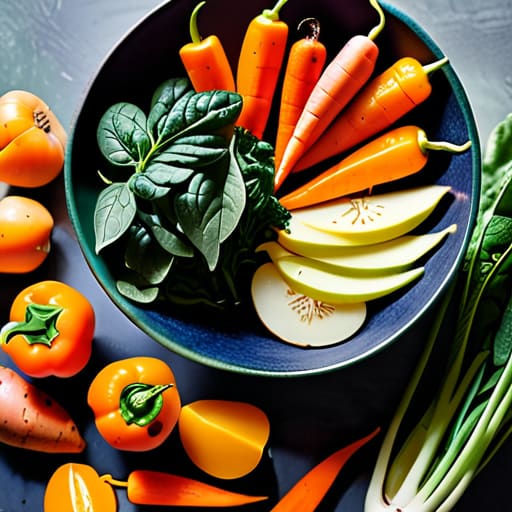
At the end of the day, increasing your vegetable intake isn’t about a radical, overnight overhaul of your pantry; it’s about making strategic, incremental adjustments that compound over time. We’ve looked at how you can treat meal prepping like a high-yield savings account and how sneaking greens into your favorite sauces is essentially like finding hidden dividends in your daily budget. Whether you are diversifying your plate with roasted root vegetables or adding a handful of spinach to your morning smoothie, you are effectively reallocating your nutritional capital toward a much more prosperous version of yourself. Remember, you don’t need to eat a salad for every single meal to see a return on your investment; you just need to be consistent with the small, smart choices.
Think of your health as the ultimate long-term asset. Just like building wealth on Wall Street, the real magic happens through the power of consistent, disciplined habits rather than a single lucky windfall. You wouldn’t expect a massive brokerage account to appear overnight without regular contributions, and your body works the exact same way. So, go ahead and treat your next grocery run like a savvy market move. Embrace the process, experiment with new flavors, and enjoy the delicious rewards of a well-balanced life. You have the tools, you have the recipe, and now, it’s time to start cooking up your best self.
Frequently Asked Questions
How can I increase my veggie intake without blowing my grocery budget?
Think of your grocery list like a budget spreadsheet: you want maximum ROI without the unnecessary overhead. To keep your veggie intake high and your spending low, stop chasing those overpriced, pre-cut organic kits—that’s just paying a premium for convenience. Instead, pivot to seasonal produce and frozen staples. Frozen veggies are like high-yield savings accounts; they’re nutrient-dense, won’t spoil, and cost a fraction of the price. Smart shopping is all about minimizing waste!
What are some quick, "low-effort" ways to sneak vegetables into meals when I'm too busy to actually cook?
Think of these as your “passive income” strategies for nutrition. When you’re too busy to manage a full kitchen overhaul, lean on high-efficiency shortcuts. Toss a handful of baby spinach into your morning smoothie—it wilts to nothing but packs a massive nutritional dividend. Or, keep frozen veggie medleys in the freezer; they’re like pre-set automated savings. Just dump them into whatever pasta or grain bowl you’re heating up. Zero prep, maximum ROI.
How do I handle the "flavor deficit" if I'm transitioning from a diet heavy in processed foods to more plant-based options?
Think of this like transitioning from high-interest debt to a diversified savings account—it’s a bit of a shock to the system at first! Processed foods are basically “flavor loans” that hit your tongue instantly but leave you empty later. To bridge the gap, invest in high-quality “flavor assets” like smoked paprika, nutritional yeast, or fermented hot sauces. These provide that punchy, umami satisfaction without the crash, helping your palate adjust to a more sustainable, high-value diet.