I remember sitting on my floor in my tiny first apartment, staring at a tangled mountain of thread and a sewing machine that felt more like a complex piece of Wall Street trading software than a creative tool. I had this grand vision of upcycling my wardrobe, but instead, I was just staring at a manual that felt like it was written in ancient Greek. Most people will tell you that you need a massive investment in designer kits and high-end equipment to get started, but let me tell you: that is a total financial sinkhole. Mastering the sewing basics for beginners isn’t about having the most expensive bobbin or the fanciest shears; it’s about understanding the mechanics, much like understanding the fundamental ingredients in a reduction sauce.
I’m not here to sell you a dream or a thousand-dollar starter kit. My goal is to give you a straight-shooting roadmap that treats your time and your bank account with respect. We are going to strip away the fluff and focus on the essential techniques that actually yield results, moving from the first stitch to a finished seam with the same precision I used to balance a quarterly budget. Consider this your no-nonsense recipe for success.
Table of Contents
Curating Your Beginner Sewing Kit Essentials
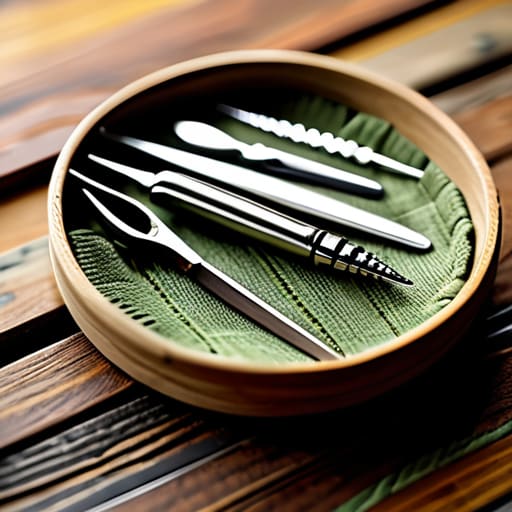
Before you dive into your first project, you need to stock your pantry—or in this case, your sewing basket. Just like I wouldn’t dream of starting a complex reduction without high-quality stock, you shouldn’t attempt a garment without the right beginner sewing kit essentials. Think of your tools as your mise en place; having everything prepped and ready prevents that mid-project panic when you realize you’re missing a seam ripper. You’ll want a sharp pair of fabric shears (never use them on paper, or you’ll dull them faster than a cheap knife!), a handful of assorted needles, a measuring tape, and some decent quality thread.
Investing in a few quality essential sewing machine tools early on is much like choosing the right kitchen appliances. You could buy the cheapest, most frustrating tools available, but you’ll end up spending more time fixing errors than actually creating. Don’t feel like you need to buy the entire catalog at the craft store, though. Start with the basics, focus on getting comfortable with your machine, and treat every little mistake as a learning opportunity rather than a sunk cost. Once you have your foundation set, we can start talking about the fancy stuff!
Navigating the Sewing Fabric Types Guide
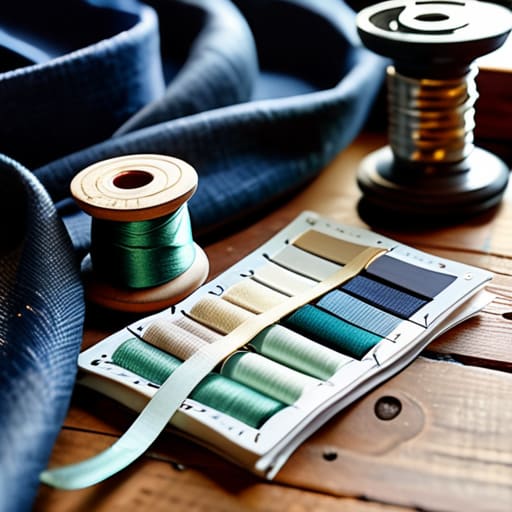
Now, let’s talk about the “ingredients” of your project: the fabric. Just like you wouldn’t try to make a delicate soufflé with heavy-duty flour, you can’t treat a flimsy silk the same way you treat a sturdy denim. Navigating a sewing fabric types guide is a lot like reading a nutrition label; you need to know exactly what you’re working with before you start mixing things together. If you choose a fabric that’s too slippery or too thick for your current skill level, it’s going to feel like trying to cook a five-course meal when you haven’t even mastered boiling water yet.
For your first few projects, I highly recommend sticking to natural fibers like cotton. Cotton is the “reliable pantry staple” of the sewing world—it’s predictable, holds its shape, and doesn’t jump around under the needle. Once you feel confident with your basic sewing stitches for beginners, you can start experimenting with more “exotic” textures like linen or rayon. Think of it as expanding your culinary palate; you have to master the basics before you start playing with those complex, temperamental spices!
Measuring Twice and Cutting Once: My Top 5 Pro-Tips for Sewing Success
- Treat your measurements like a strict budget; if you’re sloppy with the numbers at the start, you’ll end up with a massive deficit by the time you reach the final seam. Always double-check your dimensions before you even touch the fabric!
- Don’t let the “cost of entry” scare you away from high-quality thread. Using cheap, fuzzy thread is like trying to make a gourmet reduction with watered-down stock—it’s going to compromise the integrity of your entire project.
- Embrace the “trial run” method by practicing your stitches on scrap fabric first. In the financial world, we call this a pilot program; in sewing, it’s your safety net to ensure your tension is dialed in before you commit to the real deal.
- Organize your workspace like a well-oiled kitchen brigade. If you’re hunting for your seam ripper every five minutes, you’re losing momentum, and in both cooking and sewing, lost momentum is the quickest way to burnout.
- Give yourself permission to “fail fast” and pivot. Your first few projects might look a little more “rustic” than a designer piece, but think of it as a rough draft—every mistake is just a lesson that adds value to your growing skill set.
The Recipe for Sewing Success
Don’t overspend on fancy tools right out of the gate; think of your initial kit like a starter pantry—get the high-quality essentials first, and you can add the “gourmet” specialized gadgets as your skills grow.
Treat your fabric choice like choosing the right protein for a dish; using a heavy denim when you meant to use a light silk is a recipe for a structural disaster, so always match your material to your intended design.
Precision is your best friend, whether you’re balancing a budget or cutting a pattern; taking an extra minute to measure twice ensures you won’t have to “re-cook” your entire project due to a costly mistake.
Investing in Your Creative Capital
“Think of learning your first few stitches like building a diversified portfolio; you start with the foundational basics to minimize risk, but once you master the technique, you’ve unlocked the ability to create something truly high-yield and uniquely yours.”
Madeline Thompson
Stitching Your Way to Success
At this point, you’ve gathered your essential tools and learned how to navigate the vast world of fabric, which is honestly the hardest part of the setup. Just like when I first transitioned from analyzing spreadsheets to managing my food truck’s inventory, the initial learning curve can feel a bit overwhelming. But remember, you don’t need to master every complex pattern right away. By focusing on your foundational kit and understanding how different textiles behave under a needle, you are essentially building a solid financial base for your new creative hobby. You’ve laid the groundwork; now it’s time to let the creativity flow.
As you take that first stitch, try not to sweat the small stuff—even the most seasoned pros deal with a few tangled threads and crooked seams now and then. Think of every mistake as a “minor loss” in a larger investment strategy; it’s just part of the process of refining your technique and increasing your long-term returns. Whether you are making a simple tote bag or a custom garment, the real reward is the confidence you build with every completed project. So, grab your shears, trust your instincts, and let’s start making something beautiful!
Frequently Asked Questions
I've got my kit and my fabric, but how do I actually start my first project without feeling like I'm about to crash my kitchen during a dinner rush?
Think of your first project like a “test kitchen” run. You wouldn’t attempt a complex soufflé on your first day, so don’t start with a tailored blazer! Pick a simple pattern—like a pillowcase or a drawstring bag—to practice your “mise en place.” Focus on steady pacing and straight lines. If you mess up a seam, don’t panic; just rip it out and try again. It’s all about building muscle memory before the dinner rush!
How much should I realistically budget for my sewing hobby before it starts eating into my grocery fund?
Think of your sewing budget like a grocery list: you wouldn’t spend your entire paycheck on truffle oil, right? Start by setting a “flavor profile”—a monthly limit—that keeps your sewing supplies from cannibalizing your food budget. I’d suggest allocating about 5-10% of your discretionary income. Treat your initial tool investment like a high-quality chef’s knife; it’s a one-time cost that saves you money on cheap, flimsy replacements later!
Are there specific sewing patterns that are "beginner-friendly," or am I better off just winging it like a freestyle cooking session?
Think of it this way: you wouldn’t try to master a complex Beef Wellington on your first night in the kitchen, right? Winging it might sound fun, but it usually leads to a messy kitchen and wasted ingredients. Stick to beginner-friendly patterns—like simple tote bags or elastic-waist skirts. They act like a foolproof recipe, guiding your technique so you don’t end up with a “financial loss” of wasted fabric and frustration!