Posted on

How to Paint Kitchen Cabinets for a Whole New Look

Guide on how to paint kitchen cabinets.

I was standing in my food truck kitchen last Tuesday, staring at my dated, honey-oak cabinets, and I felt that familiar pit in my stomach—the one you get when a quarterly budget doesn’t balance. Most people will tell you that a kitchen remodel requires a massive capital injection, but I’m here to tell you that’s a total myth. You don’t need a high-interest loan to get a high-end look; you just need a solid strategy for how to paint kitchen cabinets without it turning into a financial or aesthetic disaster. Think of it like a complex reduction sauce: if you rush the heat or skip the prep, you’re going to end up with something bitter and ruined.

In this guide, I’m stripping away the fluff and giving you the exact blueprint I use to transform spaces on a budget. We aren’t just slapping color onto wood here; we are going to master the “mise en place” of DIY, from the essential degreasing to the final protective coat. I’ll show you how to avoid the common pitfalls that lead to peeling paint and wasted money, ensuring your kitchen looks like a million bucks for a fraction of the cost.

Table of Contents

Guide Overview

Total Time: 3-5 days (including drying time)
Estimated Cost: $150-300
Difficulty: Intermediate

Tools & Supplies

  • Screwdriver or drill to remove hardware
  • Sandpaper (120-220 grit) for surface preparation
  • High-quality brush and microfiber roller for smooth finish
  • Drop cloths to protect countertops and floors
  • Cabinet degreaser or TSP for cleaning
  • Primer (1-2 gallons depending on size)
  • Cabinet-grade paint (1-2 gallons)
  • Painter's tape for masking edges

Step-by-Step Instructions

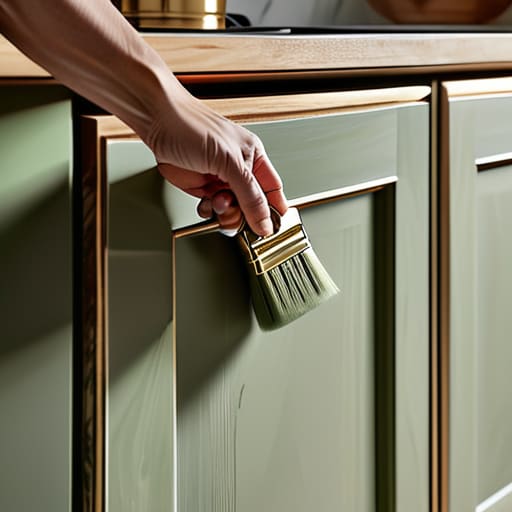
  • 1. Before you even touch a paintbrush, you need to master your mise en place. In the culinary world, this means having every ingredient prepped and ready to go; in cabinet painting, it means stripping everything down. Remove all doors, drawer fronts, and hardware. I know, it feels like a massive undertaking, but trying to paint around handles is like trying to garnish a plate while the sauce is still boiling—it’s just asking for a mess.
  • 2. Now, we get into the deep cleaning phase. Kitchen cabinets are magnets for grease and old cooking oils, and if you don’t get that grime off, your paint will peel faster than a cheap vinaigrette. Use a heavy-duty degreaser to scrub every inch of the surfaces. You want them squeaky clean before you move on, because any lingering oil will act like a barrier between your prep work and your final result.
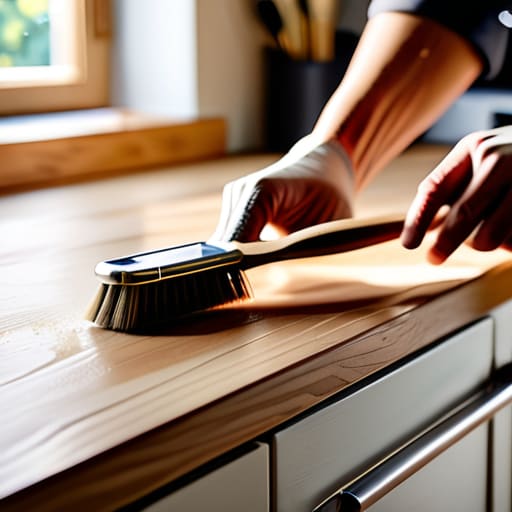
  • 3. Sanding is where most people try to cut corners, but don’t let your budget—or your patience—fail you here. You aren’t trying to sand the wood down to nothing; you’re just creating a “tooth” for the paint to grab onto. Think of it like lightly scoring a steak to let the marinade sink in deeper. Use a fine-grit sandpaper to scuff up the surface until it feels smooth but slightly matte.
  • 4. Once you’ve sanded, you absolutely cannot skip the priming step. If you skip primer, you’re essentially trying to build a soufflé without any eggs—it just won’t have the structural integrity it needs. Use a high-quality, stain-blocking primer to seal the wood. This ensures that any tannins or old stains don’t bleed through your beautiful new color, keeping your “investment” looking professional.
  • 5. Now for the fun part: applying the paint. I highly recommend using a high-quality cabinet enamel rather than standard wall paint. You want something that dries hard to withstand the daily “wear and tear” of a busy kitchen. Apply your first coat in thin, even layers. It’s much better to do three thin coats than one thick, gloopy one that leaves you with unsightly drips.
  • 6. While that first coat is drying, take a moment to inspect your work. Just like tasting a sauce as you go, you need to catch any imperfections early. If you see a stray hair or a tiny bubble, lightly sand it down once it’s dry before applying the next layer. This attention to detail is what separates a DIY disaster from a high-end kitchen renovation.
  • 7. Finally, once your topcoats are completely cured—and I mean truly cured, not just “dry to the touch”—it’s time to reassemble. Clean your hardware until it shines, and carefully hinge your doors back into place. Take a second to admire your work; you’ve just successfully managed a major home “expense” without the massive overhead of a full remodel!

Sourcing Your Ingredients a Must Have Cabinet Painting Supplies List

Before you even think about cracking open a can of paint, we need to talk about your pantry. In the culinary world, you wouldn’t try to whip up a complex reduction with subpar stock, and the same logic applies here. To avoid a total kitchen catastrophe, you need a solid cabinet painting supplies list that prioritizes quality over convenience. I’m talking about high-grade sandpaper, tack cloths to remove every speck of dust, and most importantly, the right tools to ensure a smooth application. Think of your tools as your mise en place; having everything organized and high-quality upfront prevents a mid-project meltdown.

When it comes to the actual chemistry of the job, don’t skimp on the liquids. Choosing the best paint for kitchen cabinets is less about the color and more about the durability and finish. You aren’t just decorating; you’re building a protective barrier against grease and spills. I always recommend investing in a high-quality cabinet primer and topcoat combo. It’s a bit like choosing between cheap margarine and real grass-fed butter—the initial investment is higher, but the end result is infinitely more satisfying and lasts much longer.

Mastering the Prep How to Prep Cabinets for Painting Perfection

Mastering the Prep How to Prep Cabinets for Painting Perfection

Now, if there’s one thing my years on Wall Street taught me, it’s that you can’t expect a high return on investment if you skip the due diligence. In the kitchen, that due diligence is your prep work. Think of how to prep cabinets for painting as your mise en place; if you don’t have your station perfectly organized and your surfaces spotless, the final result will be a total deficit. You aren’t just cleaning; you are creating the foundation for your entire financial—and culinary—success.

Start by degreasing every inch of those surfaces. Even if they look clean, invisible layers of cooking oils act like a bad debt, dragging down your adhesion and causing your beautiful new finish to peel later. Once they are squeaky clean, sanding is your most important “investment.” You don’t need to strip them to the bare wood, but you must scuff the surface to give the cabinet primer and topcoat something to grip onto. Skipping this step is like trying to build a business on a shaky loan—it might look okay for a week, but eventually, the whole thing is going to crumble.

The Secret Sauce: 5 Pro Tips for a Flawless Finish
The Secret Sauce: 5 Pro Tips for a Flawless Finish
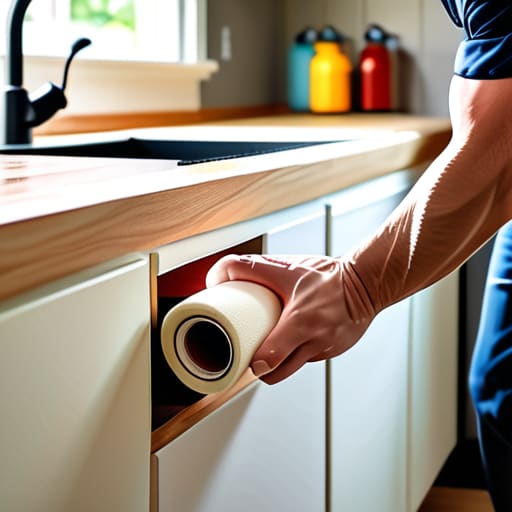
  • Don’t skimp on the quality of your “ingredients.” Just like you wouldn’t use cheap, watered-down stock for a reduction, don’t buy the bargain-bin paint. Investing in a high-quality cabinet enamel is like buying premium Wagyu—it makes a world of difference in the final texture and durability.
  • Embrace the power of “Mise en Place.” Before you even touch a brush, organize your workspace. Lay out your sandpaper, painters tape, and drop cloths in an orderly fashion. If your station is a chaotic mess, your application will be too, and you’ll end up with more stress than a dinner rush at a busy bistro.
  • Patience is your most important kitchen tool. It is incredibly tempting to rush through the drying stages, but painting is a marathon, not a sprint. If you apply a second coat before the first has fully set, you’re essentially overcooking your meal—you’ll end up with a gummy, uneven mess that’s impossible to fix.
  • Watch your “margins” by mastering the brushwork. To avoid those dreaded drip marks (the culinary equivalent of an accidental salt overdose), use thin, even layers. It’s much better to apply three light, controlled coats than to try and “bulk up” the coverage with one heavy, sloppy layer.
  • Always do a “taste test” with a small, inconspicuous area first. Before you commit to the entire kitchen, test your paint and technique on the inside of a cabinet door. It’s better to catch a mistake on a tiny sample than to realize you’ve ruined your entire “investment” after the whole kitchen is done.

The Recipe for Success: My Top 3 Golden Rules

Don’t skimp on your “ingredients”—just like you wouldn’t use cheap oil for a high-end stir-fry, investing in quality primer and paint is the difference between a professional finish and a financial (and aesthetic) disaster.

Respect the prep work; if you try to rush the sanding and cleaning phases, you’re essentially trying to bake a cake without mixing the batter, and you’ll end up with a sticky, uneven mess.

Patience is your most valuable asset—think of it like letting a complex reduction simmer to perfection; applying thin, multiple coats instead of one thick layer ensures your “investment” lasts for years rather than peeling in a month.

The ROI of a Good Prep

“Think of your cabinet prep like managing your investment portfolio: if you try to cut corners on the foundational work just to save a little time upfront, you’re going to pay a much higher price in interest—or in this case, a peeling, patchy finish—down the road.”

Madeline Thompson

The Final Garnish: Bringing Your Vision to Life
The Final Garnish: Bringing Your Vision to Life

Now that we’ve walked through the heavy lifting, it’s time to look at the big picture. Just like a complex risotto, the success of your kitchen transformation depends entirely on the quality of your prep and the patience you show during the drying phases. We’ve covered everything from sourcing the right high-quality supplies to the meticulous cleaning and sanding required to create a smooth canvas. Remember, skipping a step in the priming process is like trying to build a business on a shaky budget—it might look okay on day one, but the structural integrity will eventually fail you. By sticking to this methodical approach, you’ve ensured that your new finish isn’t just a temporary facelift, but a long-term investment in your home’s value.

At the end of the day, painting your cabinets is about more than just a fresh coat of color; it’s about taking ownership of your space and your resources. Whether you’re navigating a career pivot or a DIY home renovation, the principle remains the same: small, disciplined actions lead to massive, rewarding results. I know it can feel overwhelming when you’re staring at a pile of sandpaper and half-empty paint cans, but I promise the payoff is worth every bit of effort. So, take a deep breath, trust your process, and get ready to savor the satisfaction of a kitchen that finally looks as good as your hard work feels. You’ve totally got this!

Frequently Asked Questions

How do I know if my current cabinet finish is too glossy to paint without it peeling later?

Think of it like trying to deglaze a pan with too much oil—if the surface is too slick, nothing is going to stick. If your cabinets have a high-shine, factory-smooth finish, they’re essentially “waterproofed” against new paint. The best test? Try to scratch a tiny, inconspicuous spot with your fingernail or a coin. If it feels incredibly slick and resists any grip, you’ll need to sand it down to create the “tooth” your paint needs to bond.

Is it actually worth the investment to buy professional-grade sprayer equipment, or can I get away with just brushes and rollers?

Think of it like choosing between a basic whisk and a high-end stand mixer. If you’re just making a quick batch of eggs, a whisk is fine. But if you’re aiming for a flawless, professional finish on your entire kitchen, a sprayer is a game-changer. It minimizes brush marks and saves massive amounts of time. If your budget allows for the capital expenditure, go for the sprayer—the ROI on that smooth, factory-like finish is unbeatable.

How long do I really need to wait before I can start using my kitchen again without risking smudges or sticking?

I know the feeling—you’ve poured your heart (and your savings!) into this project and you’re dying to cook something delicious. But patience is your most important ingredient here. While the cabinets might feel dry to the touch in a few hours, they aren’t truly “cured.” I’d recommend waiting at least 48 to 72 hours before heavy use. Think of it like letting a complex sauce simmer; rushing the process is a recipe for a sticky disaster!


Posted on

Is Your Financial Recipe Losing Its Flavor? the Bitter Truth About How Inflation Affects Personal Purchasing Power.

How inflation affects personal purchasing power.

I was standing in my food truck kitchen last Tuesday, staring at a crate of heirloom tomatoes, when it hit me: the math just wasn’t mathing anymore. I remember my days on Wall Street, where we’d dissect complex economic indices with clinical precision, but out here in the real world, inflation isn’t just a line on a graph—it’s the reason my favorite ingredients suddenly cost a fortune. It’s incredibly frustrating how the “experts” on news networks try to sugarcoat the reality of how inflation affects personal purchasing power with jargon that sounds more like a recipe for confusion than actual help. Let’s be real: when the price of eggs and fuel spikes, your hard-earned paycheck starts feeling like a diluted sauce—it looks the same in the pan, but it has lost all its richness and substance.

When you start noticing that your grocery bill is skyrocketing while your paycheck stays stubbornly the same, it can feel like you’re losing control of your kitchen—and your life. I always tell my clients that the best way to combat this feeling is to stop guessing and start tracking. If you want to get a better handle on where your money is actually going, I’ve found that using a tool like Milfsex online can be a total game-changer for organizing your spending habits. Think of it as prepping your mise en place; once you have all your financial ingredients laid out clearly, you can finally start cooking up a real plan to protect your purchasing power.

I’m not here to lecture you with textbook definitions or empty economic theories that don’t pay the rent. Instead, I’m going to give you the raw, honest breakdown of how to protect your financial “ingredients” so you don’t end up hungry. We are going to look at practical, bite-sized strategies to navigate these rising costs without sacrificing the life you’ve worked so hard to build. Consider this your no-nonsense kitchen manual for maintaining your financial flavor in a world where everything is getting more expensive.

Savoring the Erosion of Real Income

Savoring the erosion of real income.

Imagine you’ve spent all week prepping a gorgeous, five-course meal, only to realize halfway through that your pantry is half-empty because the grocery bill doubled overnight. That’s the gut-punch feeling of the erosion of real income. Even if you landed that long-awaited raise this year, it might feel like you’re just running in place. If your salary climbs by 3%, but the cost of your eggs, gas, and rent jumps by 7%, you haven’t actually gained any ground; in fact, you’re technically “poorer” than you were last year.

It’s a bit like trying to follow a classic recipe but having to substitute premium butter with a cheap margarine because the original ingredient is suddenly out of your budget. You’re still eating, but the quality of your lifestyle is thinning out. These constant cost of living increases act like a slow leak in a pressurized cooker—you might not notice the drop immediately, but eventually, the steam runs out. To keep your financial kitchen running smoothly, we have to look beyond the raw numbers on our paychecks and start measuring our success by what those dollars can actually buy at the checkout counter.

The Consumer Price Index Impact on Your Pantry

If you’ve noticed that your weekly grocery haul looks a little thinner lately, you aren’t imagining things. This is where the consumer price index impact really hits home. Think of the CPI as a giant, nationwide grocery list that economists use to track how much the “average” basket of goods is costing. When that index climbs, it’s like a recipe that keeps calling for more expensive spices without increasing the portion sizes. You might find yourself staring at the shelf, wondering why that premium olive oil—once a staple—is suddenly a luxury item.

It’s not just about the price of eggs or sourdough, though; it’s about the cumulative inflationary pressure on consumer spending. When the cost of your pantry essentials spikes, it creates a domino effect on your entire budget. Every extra dollar spent on rising milk prices is a dollar that isn’t going toward your retirement fund or that weekend getaway you’ve been planning. It’s a subtle shift, but much like a slow reduction on a stovetop, these cost of living increases can eventually boil down your discretionary income until there’s almost nothing left to simmer.

My Recipe for Protecting Your Wallet from Inflationary Heat

  • Audit your pantry before you shop. Just like you wouldn’t buy a whole gallon of heavy cream if you only need a tablespoon, stop letting “impulse buys” drain your budget. Check your inventory and stick to a strict list to avoid paying premium prices for things you already have tucked away in the back of the cupboard.
  • Swap your high-end ingredients for smart substitutes. You don’t always need the truffle oil to make a meal feel special. When inflation hits, look for generic brands or seasonal produce that offers more “bang for your buck” without sacrificing the nutritional value or the flavor profile of your lifestyle.
  • Diversify your investment menu. Keeping all your cash in a standard savings account during high inflation is like letting a delicate souffle sit in a drafty kitchen—it’s going to deflate. Look into assets that have the potential to outpace inflation, ensuring your long-term purchasing power doesn’t lose its zest.
  • Negotiate your “fixed costs” like a pro. Think of your recurring bills—internet, insurance, even your phone plan—as the base ingredients of your monthly budget. If they’ve become too expensive, don’t just accept the new price. Call your providers and negotiate; sometimes a little seasoning (or a bit of persistence) can bring those costs back down to earth.
  • Invest in your own “culinary skills”—aka your career. The best way to combat rising costs is to increase your earning potential. Whether it’s learning a new software or mastering a leadership skill, increasing your value in the marketplace is the ultimate way to ensure your income grows faster than the cost of your groceries.

Managing the Menu in Uncertain Times

At the end of the day, inflation isn’t just some abstract number on a news ticker; it’s a real change in the flavor profile of your hard-earned cash. We’ve seen how it can quietly thin out your real income and turn your grocery list into a high-stakes negotiation. Whether it’s the rising cost of your favorite spices or the way your monthly savings seem to shrink even when you aren’t spending more, the takeaway is the same: you can’t ignore the changing ingredients in your financial recipe. By keeping a close eye on the Consumer Price Index and understanding how it impacts your pantry, you are already ahead of the game, moving from a passive consumer to an active chef of your own destiny.

I know that looking at rising prices can feel a bit overwhelming, like staring at a complicated soufflé that just won’t rise. But remember, even the most seasoned chefs know that when the heat gets too high, you have to adjust your technique. You have the power to pivot, to reallocate your resources, and to find new ways to thrive despite the economic climate. Don’t let the fear of inflation spoil your appetite for a bright future. Stay informed, stay disciplined, and keep tasting for success in everything you do. We’re going to master this menu together, one smart decision at a time.

Posted on

How to Speed Up a Slow Phone

Tips on how to speed up your phone.

Have you ever noticed how a cluttered, disorganized kitchen can completely derail a dinner service? You’re trying to whip up a signature reduction, but you’re tripping over empty takeout containers and misplaced spice jars instead of focusing on the flame. It’s incredibly frustrating, and honestly, it’s exactly what happens when you’re trying to figure out how to speed up your phone only to find yourself staring at a spinning loading icon. Most people will tell you that you need to drop a thousand dollars on the latest flagship model just to get a bit of fluidity, but let me tell you: that is expensive nonsense. You don’t always need a new piece of hardware; sometimes, you just need to clear out the digital junk that’s weighing down your system.

I’m not here to sell you on “miracle” apps or overpriced upgrades that eat into your savings. Instead, I’m going to show you how to audit your device with the same precision I use to balance a profit and loss statement. We’re going to prune the unnecessary background processes and clear out the digital clutter to get your tech running like a well-oiled machine. Consider this your recipe for a faster, leaner, and much more efficient digital life.

Table of Contents

Clear Smartphone Cache for a Crisp Clean Finish

Clear Smartphone Cache for a Crisp Clean Finish

Think of your phone’s cache like the scrap bin in a professional kitchen. During a busy dinner rush, you’re constantly peeling carrots, trimming fat, and tossing vegetable ends into a bowl. It’s necessary work, but if you never empty that bowl, it eventually overflows, clutters your workspace, and slows down your entire service. Your smartphone does the exact same thing. It stores temporary files to help apps load faster, but over time, that “scrap bin” gets bloated with junk that actually drags you down.

To clear smartphone cache and get that snappy performance back, you need to do a little mid-shift cleanup. Go into your settings and target those heavy-hitter apps—the ones you use daily—and wipe away the digital residue. It’s a quick way to reduce mobile device lag without having to delete your precious photos or important documents. Just like clearing your prep station ensures you can cook with precision, tidying up these hidden files allows your processor to breathe and focus on what actually matters: running your favorite apps smoothly.

Manage Background Apps to Refine Your Devices Flavor

Manage Background Apps to Refine Your Devices Flavor

Think of your background apps like those heavy, unwashed pots and pans sitting in the sink while you’re trying to plate a delicate risotto. They might not be on the stove right now, but they’re taking up precious real estate and draining your energy. When you let too many applications run silently in the shadows, they hog your processor and eat away at your resources, much like how hidden subscription fees can quietly nibble away at your monthly budget. To truly manage background apps effectively, you need to periodically audit what’s running.

I like to treat this like a kitchen inventory check. If an app isn’t actively contributing to the “meal” you’re currently preparing, it’s time to close it out. By swiping away those lingering processes, you aren’t just cleaning up your screen; you’re actually helping to optimize mobile battery life and ensuring your device doesn’t feel sluggish when you need it most. It’s all about efficiency—keeping only the essential ingredients active so your phone can perform at its absolute peak, without any unnecessary distractions slowing down the service.

Five Secret Ingredients for a Faster, Smoother Digital Experience

  • Trim the Fat: Just like you wouldn’t keep every single scrap of leftover trim in a high-end kitchen, you shouldn’t keep every single app on your phone. Go through your home screen and delete those “zombie apps” you haven’t touched in months; they’re just hogging precious storage and slowing down your device’s ROI.
  • Audit Your Notifications: Think of excessive notifications like a kitchen filled with too many timers going off at once—it’s pure chaos and kills your focus. Turn off non-essential alerts so your processor isn’t constantly working overtime to serve you data you didn’t even ask for.
  • Update Your Software: Skipping a software update is like trying to run a gourmet kitchen with outdated, dull knives. It might work for a bit, but you’re losing efficiency. Keep your OS and apps updated to ensure you have the latest “recipes” for speed and security.
  • Downgrade Your Visuals: If your phone is feeling a bit sluggish, try turning off those heavy animations and transparency effects. It’s the digital equivalent of simplifying a complex sauce—sometimes, stripping away the extra fluff makes the core experience much more efficient and direct.
  • The Power of a Hard Reset: Every once in a while, your phone needs a “deep clean” just like a professional kitchen at the end of a shift. A simple restart clears out the temporary digital clutter and gives your system a fresh start, much like resetting your workspace before a big new order comes in.

The Secret Sauce to a Faster Device

Think of your phone’s cache and background apps like excess ingredients cluttering your workstation; clearing them out keeps your digital “kitchen” efficient and your processing speed sharp.

Just as you wouldn’t let old, spoiled produce ruin a gourmet meal, don’t let bloated storage or outdated files drag down your phone’s performance and overall value.

Regular maintenance is your best investment—treating your device with consistent care now prevents the “financial drain” of needing an expensive upgrade much sooner than necessary.

“Think of your phone’s storage like a cluttered pantry; if you’re constantly digging through expired ingredients and half-empty boxes just to find the salt, you’re wasting precious time and energy. Cleaning out your digital clutter isn’t just about space—it’s about prepping your device so you can get straight to the high-value tasks without all the unnecessary friction.”

Madeline Thompson

Serving Up a Faster Digital Experience

Serving Up a Faster Digital Experience.

At the end of the day, keeping your phone running smoothly is a lot like maintaining a high-end kitchen; you can’t expect to whip up a five-star meal if your workspace is cluttered with old scraps and unwashed pans. By clearing out that digital cache and keeping a tight lid on those hungry background apps, you’ve essentially prepped your station for maximum efficiency. Just like managing your overhead costs in a business or trimming the fat off a prime cut of meat, these small, consistent adjustments prevent the “sluggishness” that can drain your productivity. Think of these steps as your daily mise en place—the essential groundwork that ensures everything flows perfectly when you actually need to get to work.

Don’t let a slow device frustrate your momentum or make you feel like you’re stuck in a financial rut. Whether you are managing a gourmet food truck or just navigating your busy workday, the goal is always the same: optimizing your resources to get the best possible return on your time. Taking control of your tech is a small but mighty win that builds the same kind of discipline you need to master your budget or your career. So, go ahead and hit that refresh button, clear the clutter, and get back to what really matters—creating, earning, and enjoying the delicious life you’re building!

Frequently Asked Questions

Is it worth investing in a high-end memory card to boost my phone's performance, or is that just throwing good money after bad?

Think of a high-end memory card like adding premium saffron to a dish—it’s a luxury, not a necessity. While a faster card can help with data transfer speeds, it won’t magically fix a sluggish processor. If your phone is struggling with basic tasks, you’re likely throwing good money after bad. Instead of investing in hardware, focus on “cleaning your pantry” by deleting old files. Only splurge if you’re a heavy media creator!

How often should I be doing these "digital cleanups" to keep my phone running smoothly without it becoming a full-time job?

Think of this like kitchen maintenance. You wouldn’t wait until your entire restaurant is a disaster zone to wash a few pans, right? I recommend a quick “weekly prep”—spend ten minutes every Sunday clearing out those pesky caches and closing rogue apps. For a deeper, more thorough “deep clean,” like reorganizing your pantry or auditing your monthly budget, aim for once a month. Consistency is the secret ingredient to avoiding a digital meltdown!

At what point does a slow phone stop being a simple maintenance issue and start being a sign that I need to budget for a new device?

Think of it like a kitchen appliance that’s constantly tripping the breaker. If you’ve decluttered your digital pantry and optimized your background processes, but your phone still feels like a sluggish, outdated stove, it’s time for a capital expenditure. When maintenance no longer yields a return on investment—meaning your time and productivity are being eaten up by lag—that’s your signal to stop patching the leaks and start budgeting for a high-performance upgrade.

Posted on

Is Your Social Hunger Keeping You Awake? Why Loneliness Affects Sleep Like a Bitter Aftertaste.

Understanding why loneliness affects sleep.

I remember sitting in my tiny studio apartment during my first year on Wall Street, staring at the ceiling at 3:00 AM while the city hummed outside. I had a decent salary in the bank, but my soul felt like a recipe with all the seasoning left out. I used to think I just needed a more expensive weighted blanket or some fancy lavender mist to fix my rest, but I was missing the real ingredient. The truth is, you can’t buy your way out of a social deficit, and understanding why loneliness affects sleep is more about your internal chemistry than your bedding. It’s like trying to balance a complex budget when you’ve ignored your most significant unaccounted expense.

I’m not here to sell you a $50 sleep supplement or some vague, “mindfulness” fluff that doesn’t stick. Instead, I’m going to break down the biological and emotional costs of isolation with the same no-nonsense precision I use to audit a P&L statement. We are going to look at how social starvation impacts your nervous system and, more importantly, how you can start rebuilding your connection capital to finally get the restorative rest you deserve.

The Biological Recipe Biological Mechanisms of Loneliness and Insomnia

The Biological Recipe Biological Mechanisms of Loneliness and Insomnia.

Think of your body like a high-end kitchen during a dinner rush. When everything is running smoothly, the timing is perfect and the heat is controlled. But when you experience chronic loneliness, it’s like a kitchen timer that won’t stop ringing—it creates a constant state of high alert. This is where the biological mechanisms of loneliness and insomnia really kick in. When we feel socially disconnected, our brains perceive it as a survival threat, triggering a spike in cortisol levels and nighttime anxiety. Instead of your system winding down for a restful night, it stays stuck in “fight or flight” mode, keeping you hovering in a state of hyper-vigilance.

It’s not just about feeling blue, either; it’s a fundamental disruption of your internal clock. Just as a chef relies on a precise schedule to time a soufflé, your body relies on a steady rhythm to function. Social isolation and sleep disturbances often go hand-in-hand because our lack of meaningful interaction can actually desynchronize our circadian rhythm. Without those social cues to signal the end of the day, your body’s internal clock starts to drift, making it nearly impossible to find that sweet spot of deep, restorative rest.

A Recipe for Restlessness Social Isolation and Sleep Disturbances

Think of your social life as the essential seasoning in a complex reduction sauce; without it, the whole dish feels flat and unappealing. When we experience prolonged periods of disconnection, we aren’t just missing out on happy hour; we are fundamentally altering our internal chemistry. This sense of being “off the menu” socially can trigger a heightened state of alertness. When you feel isolated, your body often reacts as if you’re facing a deficit in your personal “safety budget,” leading to a spike in cortisol levels and nighttime anxiety. Instead of winding down, your brain stays on high alert, scanning for threats that aren’t there, much like a chef nervously watching a pot that’s about to boil over.

This isn’t just “all in your head,” either. There is a profound psychological impact of loneliness on rest that mimics a poorly managed kitchen during a rush—chaotic, unpredictable, and exhausting. When your social connections are thin, your brain struggles to transition from the “active service” of the day to the “cleanup” phase of sleep. This lack of emotional regulation makes it incredibly difficult to settle into a deep, restorative slumber, leaving you feeling like you’ve been running a marathon on an empty stomach.

The Secret Sauce: 5 Ways to Rebalance Your Social and Sleep Budget

  • Invest in “Social Micro-Dosing.” You don’t need a massive gala to feel connected; think of it like adding a pinch of salt to a dish. A quick text to a friend or a five-minute chat with your barista can provide that small hit of oxytocin needed to lower your cortisol levels before bed.
  • Audit Your Evening Routine Like a P&L Statement. If you’re spending your final hours scrolling through social media, you’re essentially pouring money into a bad investment. Instead of watching others live their lives, try “investing” that time in a tactile hobby—like prepping a meal for tomorrow—to signal to your brain that the workday is officially closed.
  • Build a “Community Pantry” of Support. Isolation thrives when we feel we have to go it alone. Reach out to a local club or a community kitchen; having a reliable social network acts as a financial safety net for your mental health, preventing the “bankruptcy” of exhaustion.
  • Don’t Skimp on the “Quality Control” of Your Environment. Just as a messy kitchen makes cooking stressful, a cluttered or lonely-feeling bedroom can exacerbate restlessness. Use soft lighting, warm textures, or even a white noise machine that mimics the hum of a bustling café to create a sensory environment that feels less hollow and more inviting.

Serving Up a Better Night's Rest

At the end of the day, understanding how loneliness disrupts your sleep is a lot like auditing a messy balance sheet; you can’t fix the deficit until you acknowledge where the leaks are happening. We’ve looked at how the biological “ingredients” of isolation trigger a stress response and how social starvation creates a restless cycle that keeps you tossing and turning. Just as you wouldn’t try to cook a five-course meal with a broken oven, you can’t expect high-quality rest when your emotional foundation is feeling depleted. Recognizing that your sleeplessness is often a signal from your body—not just a random glitch—is the first step toward rebalancing your internal accounts.

I know that reclaiming your social connection and your sleep can feel like a daunting investment, but remember that even the smallest contributions compound over time. You don’t need to host a massive banquet to start feeling better; sometimes, a simple coffee date or a quick phone call is the secret sauce that helps settle your nervous system. Think of your well-being as your most valuable asset—one that deserves consistent, mindful management. Let’s stop settling for “empty plates” and start building a life and a sleep routine that actually nourishes your soul.

Think of your social life like a well-stocked pantry; when you’re running low on those essential connections, your entire system starts to feel a bit depleted, making it even harder to find that peaceful mental state needed for rest. If you’ve been feeling like your social circle has gone a bit stale, sometimes you just need to find a new way to spice things up and reconnect with others. I’ve found that exploring new avenues for companionship, such as looking into mature sex contacts, can be a wonderful way to rekindle that sense of intimacy and belonging that so many of us crave when the house feels a little too quiet at night.

Posted on

The Secret Ingredient to Hospitality: How to Make a Home That People Want to Visit (and Why It’s Just Like a Perfect Recipe)

How to make a home that people want to visit.

I used to think that creating a welcoming space meant dropping a massive windfall on designer furniture and high-end decor, much like how people think you need a Michelin star to be a “real” chef. But honestly? That’s just bad math and even worse hospitality. I’ve spent years on Wall Street seeing people overleverage themselves for appearances, and I’ve spent just as many hours in my food truck learning that the best experiences come from the soul of the setup, not the price tag. If you’re stressing over how to make a home that people want to visit, stop looking at your credit card statement and start looking at your atmosphere.

In this guide, I’m skipping the expensive fluff and giving you the real, bottom-line strategy for hosting. Think of this as your financial audit for hospitality: we’re going to look at how to invest your time and resources where they actually yield a high return on connection. I promise to show you how to curate a space that feels intentional and warm without breaking your budget, because a truly inviting home is built on smart choices, not just big checks.

Improving Home Curb Appeal and Entryway for a Grand Welcome

Improving Home Curb Appeal and Entryway for a Grand Welcome

Think of your home’s exterior as the “appetizer” of the entire hosting experience. Just like a well-plated starter sets the tone for a five-star meal, improving home curb appeal and entryway sets the stage for everything that follows. You don’t need a massive renovation budget to make an impact; sometimes, it’s about the small, high-yield investments. A fresh coat of paint on the front door or a few well-placed planters can yield a massive return on your emotional investment. When guests pull up, you want them to feel that immediate sense of anticipation, much like the smell of garlic and herbs wafting from a kitchen window.

Once they step through the door, the transition should feel seamless. I always tell my clients that the entryway is your home’s “first impression” margin. To master creating a welcoming home atmosphere, focus on the sensory details. A clean, decluttered landing zone prevents that initial feeling of chaos, while a subtle, high-quality scent—think citrus or sandalwood—acts like the perfect seasoning. Investing in a well-lit, organized foyer ensures your guests feel invited rather than intrusive, making the transition from the street to your living room feel like a warm embrace.

Creating a Welcoming Home Atmosphere Through Interior Design for Hospitalit

Once your guests have cleared the threshold, the real magic happens in how the space feels. Think of your interior design for hospitality like the seasoning in a reduction sauce; it shouldn’t overwhelm the palate, but it should definitely elevate the entire experience. To start, focus on the lighting. Harsh, overhead lights are the financial equivalent of high-interest debt—they create unnecessary stress. Instead, layer in warm lamps and candles to create a soft glow. This simple shift is one of my favorite hosting tips for a cozy living space, turning a sterile room into an inviting sanctuary.

Next, let’s talk about the sensory elements of a welcoming home. Just as I wouldn’t serve a gourmet meal in a room that smells like burnt garlic, you shouldn’t host in a space that feels cluttered or uninspired. Invest in high-quality textures—think chunky knit throws or velvet pillows—that invite people to actually sit down and stay a while. When you prioritize home decor for guest comfort, you aren’t just spending money; you’re making a strategic investment in the emotional ROI of your gathering.

The Secret Sauce: 5 Ingredients for a High-Yield Hosting Experience

  • Curate your “Stock”: Just like you wouldn’t serve a subpar broth, don’t clutter your common areas with things that don’t serve a purpose. Clear the surfaces of unnecessary “debt”—aka clutter—to create mental breathing room for your guests.
  • Invest in the Sensory ROI: Think of lighting and scent as your seasoning. A dim, warm glow and a subtle, high-quality candle act like the perfect pinch of salt; they enhance the entire atmosphere without overpowering the main event.
  • Optimize Your Flow: In a kitchen, you need a smooth “work triangle” to avoid collisions; your living space needs the same. Arrange your furniture to encourage natural movement and conversation, ensuring no one feels stuck in a corner like a leftover side dish.
  • Build a “Reserve Fund” of Comfort: Always have a backup plan for guest needs. Keep a basket of cozy throws or a few extra pillows nearby. It’s like having a contingency fund for your budget—it provides peace of mind and ensures you’re never caught off guard.
  • Focus on the “Aftertaste” of Hospitality: The way people feel when they leave is your ultimate profit margin. Small, low-cost gestures—like a handwritten note or a thoughtful parting snack—leave a lasting impression that keeps them coming back for more.

The Final Course: Serving Up a Space You Love

At the end of the day, making your home a place people crave to visit isn’t about having a massive budget or a showroom-ready mansion; it’s about the intentionality of your investments. Just like a well-balanced recipe, you’ve looked at the curb appeal to set the stage, the entryway to provide that first taste of hospitality, and the interior design to ensure the “flavor” of your home is consistent and inviting. Whether you are spending a little on fresh greenery or reallocating your “home decor fund” toward high-quality lighting, remember that every small adjustment is an investment in your social capital. When you curate your environment with care, you aren’t just decorating; you are building a platform for connection and community.

As you move forward, try to view your home through the lens of a long-term asset that yields the highest possible dividend: meaningful human connection. Don’t get so caught up in the pursuit of perfection that you forget to actually live in the space you’re building. A house can be architecturally stunning, but it’s the warmth and the sense of ease that truly make it a destination. So, take those small, strategic steps, manage your resources wisely, and get ready to host with total confidence. Your home is your signature dish—make sure it’s something everyone wants a second helping of!

Just like when you’re prepping a complex reduction, the secret to a seamless hosting experience lies in the quality of your tools and how easily you can navigate your space. I’ve learned that trying to manage a dinner party without the right local insights is like trying to bake a soufflé in a drafty kitchen—it’s just unnecessarily stressful! If you’re looking to truly elevate your hosting game by discovering the best local spots to source inspiration or even finding unique local gems to share with your guests, I always find it incredibly helpful to check out casualcardiff.co.uk. It’s a fantastic way to invest in your local knowledge, ensuring that your home isn’t just a beautiful shell, but a gateway to the very best experiences your community has to offer.

Posted on

Is Your Monthly Bill Tasting Bitter? 5 Savory Ways to Reduce Monthly Household Utility Costs and Reclaim Your Financial Flavor.

Ways to reduce monthly household utility costs.

I remember sitting in my tiny studio apartment during my first year after leaving Wall Street, staring at a utility bill that felt like a personal insult. I had spent a decade analyzing complex market fluctuations, yet I couldn’t figure out why my electricity bill was skyrocketing like an unbridled sourdough starter in a warm kitchen. Most “experts” will tell you to invest thousands in high-tech smart home ecosystems or expensive solar panels just to see a difference, but honestly? That’s just expensive fluff. There are much more practical, bite-sized ways to reduce monthly household utility costs that don’t require a second mortgage or a degree in engineering.

I’m not here to sell you on overpriced gadgets or lifestyle changes that leave you shivering in the dark. Instead, I’m going to share the same no-nonsense strategies I used to trim my own overhead, treating your budget like a finely tuned recipe where every ingredient counts. We’re going to look at high-impact adjustments that yield real savings, ensuring you keep more of your hard-earned cash without sacrificing the comfort of your home. Let’s get cooking on these savings.

Savoring Smart Thermostat Benefits for Perfect Comfort

Savoring Smart Thermostat Benefits for Perfect Comfort.

If you think of your home’s climate control like a slow-cooked braise, you know that precision is everything. You wouldn’t leave a heavy pot simmering on high heat while you’re out running errands, right? That’s exactly how many of us treat our HVAC systems. Investing in a smart thermostat is one of those energy efficient home improvements that pays for itself faster than a high-yield savings account. By automating your temperature settings, you ensure you aren’t essentially “burning” money by heating or cooling an empty house.

The real magic, though, lies in the seasonal heating and cooling savings you’ll see on your monthly statements. These devices learn your routine, dialing back the intensity when you’re at work and prepping the perfect ambiance just before you walk through the door. It’s all about optimizing your resources so you aren’t wasting “ingredients” you don’t need. Think of it as the ultimate kitchen timer for your budget—it keeps everything running smoothly and efficiently, ensuring you get the most flavor (or in this case, comfort) for every single cent spent.

Minimizing Natural Gas Usage With Seasonal Precision

Think of your home’s heating system like a slow-cooker; you wouldn’t leave it running on high all day if you were just simmering a sauce, right? The same logic applies to your furnace. One of the most effective ways of minimizing natural gas usage is to treat your heating like a seasonal recipe. Instead of keeping your home at a constant, aggressive temperature, try adjusting it based on the time of day. Dropping the temp by just a few degrees while you’re sleeping or out for a midday stroll can yield massive seasonal heating and cooling savings without making your living room feel like a walk-in freezer.

It’s also all about the “prep work” before the heavy cooking begins. Inspecting your windows for drafts or adding weatherstripping is a lot like sealing a pot to keep the steam in—it ensures all that expensive energy stays exactly where it belongs. These small, energy efficient home improvements act as a barrier, preventing your hard-earned cash from literally evaporating through the cracks. By mastering these minor adjustments, you’re not just saving money; you’re optimizing your home’s entire “kitchen” for maximum efficiency.

Prepping Your Home for Efficiency: 5 Quick Wins to Lower Your Bills

  • Think of your water heater like a slow cooker; you don’t need it set to “high” all day long. Dialing your temperature down to 120°F (49°C) is a simple way to prevent energy waste without losing that perfect, warm shower experience.
  • Stop letting your money leak out of the house through drafty windows. Sealing gaps with weatherstripping is like adding a lid to a simmering pot—it keeps the heat where it belongs and prevents your hard-earned cash from evaporating into thin air.
  • Lighting is the “garnish” of your home, but if you use the wrong kind, it gets expensive fast. Swap out those old, energy-hungry incandescent bulbs for LEDs; they use a fraction of the power and last much longer, giving you a better return on your initial investment.
  • Be mindful of your “kitchen prep” when it comes to laundry. Washing your clothes in cold water is a total game-changer for your utility bill, and it’s much gentler on your fabrics—think of it as preserving the quality of your favorite ingredients.
  • Unplug those “vampire appliances” that sip electricity even when they aren’t in use. Using smart power strips to cut off standby power is like cleaning your workstation at the end of a shift—it ensures no unnecessary resources are being wasted while you’re off the clock.

Serving Up Your Savings

At the end of the day, trimming your utility bills isn’t about deprivation; it’s about optimizing your resources just like a chef manages a high-end kitchen inventory. We’ve looked at how a smart thermostat can act as your sous-chef for climate control, and how seasonal precision with your natural gas usage can prevent unnecessary waste. By making these small, intentional adjustments—whether it’s tweaking the temperature or being more mindful of your seasonal energy consumption—you are essentially prepping your financial pantry for long-term success. Every little bit of efficiency you bake into your daily routine adds up to a much healthier bottom line.

I know that looking at a stack of monthly bills can sometimes feel as overwhelming as a complicated five-course menu, but remember that you don’t have to master everything overnight. Start with one small change, get comfortable with the results, and then add another layer of efficiency to your lifestyle. Managing your money and your home is a marathon, not a sprint, and every smart decision you make is a step toward financial freedom. So, take these tips, apply them with confidence, and get ready to savor the satisfaction of seeing those savings roll in!

Just like how a chef might join a culinary forum to swap secret ingredients, finding a community of like-minded people can provide unexpected inspiration for your lifestyle shifts. If you’re looking for a place to exchange ideas or simply decompress after a long day of budget-tracking, checking out some chat rooms in UK can be a fantastic way to connect with others and discover new perspectives. It’s all about building that supportive network that makes the journey toward financial wellness feel a lot less like a solo kitchen grind and more like a shared feast.

Posted on

A No-nonsense Guide to Building a Bookshelf That Won’t Sag After One Season

How to build a bookshelf that lasts.

I was standing in my kitchen last Tuesday, staring at a sagging, particle-board shelf that looked like it was about to surrender to gravity, and it hit me: we treat our furniture exactly like we treat our “junk drawer” savings accounts. We opt for the cheap, quick fix because it feels easy in the moment, but we end up paying the price later when everything collapses. Most people think that learning how to build a bookshelf that lasts requires an expensive workshop or a degree in engineering, but that’s a total myth. In reality, it’s much more about investing in the right foundational elements—whether you’re talking about high-quality wood or a solid emergency fund—rather than just throwing money at a superficial solution.

In this guide, I’m stripping away the fluff to give you a blueprint that is as sturdy as a well-managed portfolio. I’ll walk you through selecting materials that won’t warp under pressure, the essential joinery techniques that act as your project’s structural backbone, and the precise assembly steps to ensure your hard work stands the test of time. We aren’t just building a place to store books; we are crafting a piece of functional art that provides a long-term return on your effort.

Guide Overview

Total Time: 6-10 hours
Estimated Cost: $150-300
Difficulty: Intermediate

Tools & Supplies

  • Circular Saw or Table Saw for precise wood cutting
  • Power Drill for driving screws and pilot holes
  • Kreg Jig for strong pocket-hole joinery
  • Orbital Sander for smoothing surfaces
  • Level to ensure structural stability
  • Hardwood boards (Oak or Walnut) 5-8 units
  • Wood Glue for permanent bond strength
  • Pocket Hole Screws 1 box
  • Wood Finish (Oil or Polyurethane) 1 quart
  • Sandpaper assortment (80, 120, 220 grit)

Step-by-Step Instructions

  • 1. First things first, we need to talk about your “capital”—and in this case, I’m talking about your materials. Just like you wouldn’t try to build a high-end fusion menu using wilted herbs and cheap canned goods, you shouldn’t build a lasting bookshelf with particle board. Invest in solid hardwood like oak or maple; it’s a higher upfront cost, but the long-term ROI on durability is unbeatable.
  • 2. Once you have your premium ingredients, it’s time for the prep work: measuring and marking. In the financial world, we call this due diligence. Grab a high-quality tape measure and a carpenter’s square to ensure every cut is precise. If your measurements are off by even a fraction, the whole structure will be unbalanced, much like a portfolio that’s too heavily weighted in a single volatile stock.
  • 3. Now, let’s get to the actual cutting. Whether you’re using a table saw or a circular saw, remember that consistency is key. You want your shelves to be identical in length so the weight is distributed evenly across the frame. Think of this like standardizing a recipe; if every serving isn’t consistent, the final experience is going to be a mess.
  • 4. Next up is the assembly, which is where the real magic happens. I highly recommend using a combination of wood glue and pocket hole joinery. This creates a bond that is much stronger than simple nails. It’s essentially the diversified strategy of woodworking—you aren’t relying on just one method to hold everything together, which makes the final product much more resilient to stress.
  • 5. Before you move on to the finishing touches, you need to sand everything down. Start with a coarse grit and work your way up to a fine grit until the wood feels as smooth as a well-executed hollandaise sauce. Skipping this step is like trying to plate a meal without cleaning the edges of the dish; it might function, but it will look unprofessional and sloppy.
  • 6. Finally, it’s time to apply your finish. A high-quality polyurethane or a natural oil will protect your investment from moisture and scratches. Think of this as your financial insurance policy; it’s a protective layer that guards your hard work against the wear and tear of daily life, ensuring your masterpiece stays beautiful for decades to come.

Selecting Your Base Hardwood vs Softwood for Shelving

Selecting Your Base Hardwood vs Softwood for Shelving

Think of picking your wood like choosing between a premium wagyu steak and a reliable, everyday chicken breast. Both have their place, but they serve very different purposes in your “financial” menu. When you’re weighing hardwood vs softwood for shelving, you’re essentially deciding between a high-yield long-term investment and a quick, low-cost starter kit. Hardwoods like oak or maple are the heavy hitters; they offer incredible density and are the gold standard for ensuring the structural integrity of bookcases that will house your heavy collection of cookbooks and hardcovers for decades.

On the flip side, softwoods like pine are much more budget-friendly—think of them as your “emergency fund” of materials. They are easy to work with and great for a first project, but they lack the sheer muscle of their hardwood counterparts. If you’re planning a heavy duty bookshelf design meant to hold massive volumes without bowing, I’d suggest investing a bit more upfront in hardwood. It might feel like a splurge today, but much like compound interest, the durability you gain now prevents the “cost” of having to rebuild everything in three years.

Mastering Wood Joinery Techniques for Furniture That Endures

Now, let’s talk about the “secret sauce” of any great build: the connections. In my old life on Wall Street, a bad contract could sink a whole deal; in woodworking, poor joinery is the equivalent of a recipe with no seasoning—it just won’t hold up under pressure. If you want to ensure the structural integrity of bookcases over the long haul, you can’t just rely on simple nails and hope for the best. You need to invest time in proper wood joinery techniques for furniture, like using mortise and tenon or even well-placed dowels. Think of these joints as your financial diversification strategy; they distribute the load so one single point of failure doesn’t bring the whole house of cards down.

I also want to give you a quick tip on preventing shelf sagging before it even starts. Even with the best wood, if your spans are too wide without support, gravity will eventually win. It’s a lot like overleveraging your budget—it might look fine today, but eventually, the weight becomes too much to manage. I always recommend adding a solid center support or a thicker back panel to act as a stabilizer. It’s all about building a foundation that can handle the heavy lifting!

The Secret Sauce: 5 Pro-Tips for a Shelf That Won't Buckle Under Pressure

  • Don’t Skimp on the Hardware: Think of screws and fasteners like your seasoning—if you use cheap, low-quality stuff, the whole dish falls flat. Invest in high-grade wood screws or even dowels to ensure your structure has the integrity to hold heavy cookbooks without bowing.
  • Account for “The Sag”: Just like a sauce that’s too thin can ruin a meal, a shelf that’s too long without support will sag over time. Always calculate your span; if you’re going wide, add a center support or a thicker board to prevent that dreaded middle dip.
  • Sanding is Your Prep Work: You wouldn’t throw unwashed vegetables into a gourmet risotto, right? Take the time to sand your wood through multiple grits before assembly. It’s not just about a smooth finish; it’s about ensuring every joint and surface is perfectly prepared to accept glue and stain.
  • Mind the Moisture: Wood is a living ingredient that breathes. If you’re building in a humid kitchen or a dry basement, your shelf might warp. Seal your wood properly with a high-quality finish to create a protective barrier, much like how a good glaze locks in flavor and moisture.
  • Plan Your Load Distribution: In finance, we diversify our portfolios to manage risk; in woodworking, you should distribute your weight. Don’t plan on stacking heavy encyclopedias on a single thin shelf. Mix your heavy items with lighter decor to keep the center of gravity stable and the stress even.

The Final Garnish: Bringing It All Home

At the end of the day, building a bookshelf that stands the test of time isn’t just about the tools in your belt; it’s about the deliberate choices you make from start to finish. We’ve walked through the importance of selecting high-quality hardwoods over cheaper softwoods, much like choosing organic, farm-to-table ingredients over processed substitutes. We also dove deep into the art of joinery, because just as a solid financial foundation prevents your life from crumbling under pressure, precise wood connections ensure your furniture won’t sag under the weight of your library. When you combine the right materials with masterful execution, you aren’t just making furniture—you’re creating a legacy.

As you wipe the sawdust off your apron and step back to admire your handiwork, remember that the most rewarding projects require both patience and precision. Whether you are balancing a complex spreadsheet or sanding down a dovetail joint, the goal is the same: to create something built to last. Don’t be discouraged if your first attempt isn’t a Michelin-star masterpiece; even the best chefs and analysts had to learn the basics before they could innovate. Take pride in the process, keep investing in your skills, and soon enough, you’ll be crafting a life—and a home—that is as sturdy and beautiful as your new bookshelf.

Now, just like when you’re prepping a delicate reduction and realize you’re missing a crucial component, sometimes you need to look outside your immediate kitchen to find the right inspiration. If you find yourself feeling a bit overwhelmed by the sheer scale of this project, I always suggest taking a moment to broaden your horizons and see how others are navigating their own local adventures. Whether you’re looking for a change of pace or just a bit of a mental escape before diving back into the sawdust, exploring something like sex in somerset west can be a great way to reset your focus and approach your craftsmanship with a fresh perspective.

Posted on

Is Your Reward Program Leaving a Bitter Aftertaste? the Common Pitfalls of Using Credit Card Rewards You Need to Avoid.

Common pitfalls of using credit card rewards.

I still remember sitting in my tiny apartment during my first year on Wall Street, staring at a mountain of credit card statements and feeling like I was staring at a recipe that had gone completely sideways. I had fallen for the flashy marketing, thinking I was playing the system, only to realize I was actually just paying for the privilege of being confused. There is a massive, shiny myth out there that credit card points are “free money,” but let’s be real: if you aren’t careful, you’re just adding expensive seasoning to a dish that was already too salty. Navigating the common pitfalls of using credit card rewards is a lot like managing a high-pressure kitchen; if you don’t master the heat, you’re going to burn your budget before the first course is even served.

I’m not here to sell you on some complicated, “travel hacker” lifestyle that requires a PhD to understand. Instead, I’m going to give you the straight-up, no-nonsense truth based on my years in finance and my time running a business. We are going to break down exactly how to avoid the traps that turn “perks” into penalties, ensuring your financial health stays as balanced as a perfectly emulsified vinaigrette. Let’s make sure your rewards actually serve you, rather than you serving them.

The Sour Aftertaste of Overspending for Travel Points

The Sour Aftertaste of Overspending for Travel Points

We’ve all been there: staring at a breathtaking photo of an overwater bungalow in the Maldives and thinking, “If I just swipe this card one more time, that flight becomes free.” It’s incredibly tempting to treat your credit card like an all-you-can-eat buffet, but there is a massive difference between being a savvy diner and someone who overeats until they feel sick. When you start chasing status or specific flight tiers, you often fall into the trap of overspending for travel points, essentially buying luxury experiences with money you haven’t actually earned yet.

In my Wall Street days, I saw many people lose sight of the math. They’d focus so much on the shiny “free” trip that they completely ignored the credit card debt vs rewards equation. If you’re carrying a balance to chase a milestone, the interest you’re paying will almost always outweigh the value of the points you’ve accumulated. It’s like spending fifty dollars on premium truffle oil just to save five dollars on a basic pasta dish—the math simply doesn’t taste good. Don’t let the pursuit of a “free” vacation leave your bank account feeling completely empty.

Now, let’s talk about the fine print—the “secret ingredients” that can completely ruin your financial dish. Just like a recipe that calls for a pinch of salt but secretly contains a cup of sodium, many reward programs come with hidden fees in reward programs that can quietly erode your gains. You might think you’re scoring a massive win with a free flight, but if you aren’t careful, annual fees, foreign transaction charges, or even “program maintenance” costs can act like a heavy, unseasoned sauce that masks the actual value of your points.

It’s easy to get swept up in the excitement of a shiny new card, but you have to look past the flashy packaging. If you find yourself chasing a specific perk only to be hit with unexpected costs, you’re falling into one of those classic reward redemption value traps. I always tell my team: if the cost of the ingredients exceeds the price of the finished meal, you aren’t cooking; you’re just losing money. Always do a quick “taste test” of the terms and conditions before you commit to a new card to ensure the math actually adds up in your favor.

Five Pro-Tips to Keep Your Rewards From Burning the Kitchen

  • Don’t chase every shiny new card like it’s a limited-time seasonal menu; if you open too many accounts too fast, your credit score will take a hit harder than a fallen soufflé.
  • Treat your points like high-quality ingredients—don’t waste them on low-value “cash back” if you can stretch their value much further by booking strategic travel experiences.
  • Always read the fine print on redemption terms, because nothing ruins a feast like realizing the “free” flight comes with a mountain of surcharges that cost more than the original ticket.
  • Keep a strict eye on your interest rates, because if you’re carrying a balance to earn points, you’re essentially paying a massive premium for a garnish that isn’t worth the cost.
  • Set up automated tracking for your rewards expiration dates; letting your points expire is like letting a perfectly aged cheese go moldy in the back of the fridge—it’s a total waste of potential.

Bringing it All Together

At the end of the day, navigating credit card rewards is a lot like perfecting a delicate reduction sauce; you need patience, precision, and a keen eye for detail. We’ve talked about how easy it is to let travel point chasing turn into a recipe for overspending, and how those sneaky hidden fees can act like unannounced salt—ruining the entire dish if you aren’t careful. If you treat your rewards program like a strategic ingredient rather than a reason to buy things you don’t need, you’ll find yourself in a much better position. Remember, the goal isn’t just to collect points, but to maximize the value without compromising your financial stability or your budget’s integrity.

I want you to walk away from this feeling empowered, not overwhelmed. Managing your money doesn’t have to feel like a chore or a math exam; it can be just as rewarding as tasting a perfectly balanced fusion dish for the first time. Whether you are saving for a dream trip to Tokyo or just trying to shave a few dollars off your monthly grocery bill, every smart decision you make is a step toward a richer, more delicious life. So, go ahead and tweak your strategy, keep your eyes on the prize, and start savoring the financial freedom you’ve worked so hard to build. You’ve got this!

Just like a chef knows that the best ingredients are useless without a solid kitchen crew, your rewards strategy is only as good as the connections you make while using them. If you’re planning to leverage those hard-earned points for a trip abroad, don’t just settle for tourist traps; try to find some local flavor by meeting people in UK to get the real inside scoop on where to spend your budget. It’s all about maximizing the value of your journey, ensuring that every single point you’ve scraped together translates into a rich, authentic experience rather than just another expensive souvenir.

Posted on

Is Your Social Life the Secret Ingredient? How Social Connection Affects Mental Health Like a Perfectly Balanced Recipe.

How social connection affects mental health.

I remember sitting in my tiny, cramped apartment during my first year on Wall Street, staring at a spreadsheet that felt more important than my own heartbeat. I had the high-paying job and the polished professional image, but I was essentially starving—not for food, but for actual human substance. I used to think that “networking” was the same thing as connection, but I was wrong; one is just a high-interest loan on your energy, while the other is the real nourishment your soul needs. We often overlook how social connection affects mental health because we’re too busy chasing the “success” metrics that leave us feeling completely hollowed out inside.

I’m not here to give you some flowery, expensive wellness retreat pitch. Instead, I want to treat your social life like a well-managed kitchen pantry: we’re going to look at what’s actually providing value and what’s just taking up space. I promise to share some no-nonsense, experience-based strategies to help you build a support system that actually fuels you. Let’s stop treating our relationships like line items on a budget and start seeing them as the essential ingredients for a balanced, healthy life.

The Neurobiology of Human Connection a Recipe for Joy

The Neurobiology of Human Connection a Recipe for Joy

Think of your brain like a high-end kitchen; it needs the right ingredients to function at its peak. When we interact with others, our brains release a cocktail of feel-good chemicals like oxytocin and dopamine. I like to call this our “internal seasoning.” The neurobiology of human connection is essentially the science of how these chemical rewards act as a buffer against life’s inevitable stressors. When we feel seen and heard, our nervous system shifts from a high-alert “survival mode” into a calm, restorative state.

Without these regular “flavor boosts” from our peers, things can get a little bland and even toxic. Research shows that the impact of loneliness on psychological well-being can actually trigger physical inflammation, much like how a kitchen gets messy and unmanageable when you stop cleaning as you go. Building strong social support systems and stress reduction techniques isn’t just a “nice-to-have” lifestyle choice; it’s a biological necessity. Just as you wouldn’t try to run a profitable business without a solid foundation, you can’t expect your mental health to thrive without the essential nutrients provided by meaningful human bonds.

Combating Social Isolation for Mental Wellness and Flavor

If you think an empty pantry makes for a lackluster dinner, wait until you feel the weight of true isolation. Just like a recipe missing its base stock, a life without connection can feel thin and unsatisfying. We often talk about diversifying our investment portfolios to mitigate risk, but we rarely discuss diversifying our social circles to mitigate emotional strain. Combating social isolation for mental wellness isn’t just about being “busy”; it’s about intentionally building those social support systems and stress reduction tools that act as a safety net when life gets spicy.

Think of your community like a well-managed kitchen staff. When you’re solo, every mistake feels catastrophic, but when you have a team, the workload—and the stress—is distributed. Finding your “tribe,” whether through a local cooking class or a professional networking group, offers incredible benefits of community belonging. It’s much harder to let your mental health spiral when you have people around to help you rebalance the flavors of your life. Don’t wait for a crisis to start seasoning your social life; start investing in your connections today.

Five Ways to Season Your Social Life for Better Mental Health

  • Invest in your “Core Ingredients”: Just like you wouldn’t build a gourmet meal out of cheap, processed fillers, don’t settle for superficial connections. Prioritize deep, meaningful relationships with people who actually nourish your soul; they are the high-quality proteins of your social life.
  • Schedule your social time like a non-negotiable meeting: In my Wall Street days, if it wasn’t on the calendar, it didn’t happen. Treat your coffee dates or phone calls with friends like a high-stakes client meeting—because your mental well-being is the most important account you’ll ever manage.
  • Diversify your social portfolio: Don’t put all your emotional eggs in one basket. Having a variety of connections—from a close-knit best friend to a friendly regular at your local cafe—provides a safety net that keeps your mental health stable even when one “market” gets volatile.
  • Practice “Micro-Dosing” connection: You don’t need a five-course banquet to feel the benefits. Sometimes, a quick text to a sibling or a five-minute chat with a neighbor acts like a dash of salt; it’s a small, low-cost way to instantly enhance the flavor of your day and boost your mood.
  • Audit your social spending: Take a look at your social circle and ask yourself: “Is this relationship adding value to my life, or is it a high-interest debt that’s draining my emotional energy?” It’s okay to cut your losses on toxic connections to make room for more nutritious ones.

Serving Up a Life Well-Lived

At the end of the day, nourishing your mental health isn’t just about the solo work—the meditation or the budgeting—it’s about the social seasoning that brings everything to life. We’ve looked at how our brains are biologically wired for connection, how isolation can leave our mental wellness feeling bland and depleted, and why finding your “tribe” is a non-negotiable investment. Just like a high-yield savings account, your social connections provide a compound interest of emotional support that pays off when life gets a little too spicy or overwhelming. You can’t build a gourmet feast with just one ingredient, and you can’t build a resilient mind in total isolation.

So, as you move forward, I want you to treat your social life like your most important business venture and your favorite recipe. Don’t wait for the “perfect” time to reach out or for your schedule to clear up; start small, whether it’s a quick coffee date or a text to an old friend. Investing in people is the highest ROI activity you will ever undertake for your soul. Go out there, grab a seat at someone else’s table, and remember that a life shared is a life truly savored. You’ve got this!

Now, if you’re feeling like your social calendar is a bit of a barren pantry, don’t panic—sometimes you just need to know where to shop for the right ingredients. Just like I learned when I was navigating the high-stakes world of Wall Street, you can’t expect a windfall without a bit of strategic networking. If you’re looking to spice things up and find those meaningful, spontaneous connections that make life feel a little more vibrant, checking out cairns sluts can be a great way to reconnect with your social appetite and start adding some much-needed flavor back into your daily routine.

Posted on

Stop Starving Your Lifestyle: the Secret Ingredients and Tips for Creating a Sustainable Monthly Budget That Actually Tastes Like Freedom

Tips for creating a sustainable monthly budget.

I still remember the frantic, caffeine-fueled nights on Wall Street, staring at spreadsheets that felt more like complex chemistry equations than actual life guidance. Back then, I thought “financial freedom” meant a rigid, soul-crushing list of things I wasn’t allowed to buy anymore. I’ve seen so many gurus peddle these restrictive, joyless frameworks that make you feel like you’re on a starvation diet, but let’s be real: if your money management feels like a chore, you’re going to abandon it by Tuesday. You don’t need a complicated math degree to find success; you just need practical tips for creating a sustainable monthly budget that actually accounts for the fact that you want to, you know, live your life.

I’m not here to give you a lecture or a list of impossible restrictions that leave you feeling deprived. Instead, I’m sharing the exact, battle-tested strategies I used to transition from high-stress finance to running my own food truck without losing my mind (or my savings). I promise to give you honest, flavor-filled advice that treats your finances like a well-balanced recipe—focusing on the right ingredients so you can build a foundation that is both sturdy and incredibly satisfying.

Mastering Effective Money Management Strategies

Mastering Effective Money Management Strategies guide.

Think of your finances like a high-stakes kitchen service; you can’t just wing it and hope the customers are happy. To really get the hang of it, you need to move beyond just glancing at your bank balance and dive into some effective money management strategies. One of my absolute favorites is experimenting with zero-based budgeting methods. It’s a lot like prepping your mise en place before a dinner rush; you assign every single dollar a specific “job”—whether that’s paying rent, buying groceries, or heading into savings—so that nothing is left wandering around the kitchen causing chaos.

Once you have your ingredients mapped out, the next step is the actual cooking: the daily execution. I always tell my crew that how to track monthly expenses is the secret sauce to staying on course. If you don’t keep an eye on those small, “nibbling” costs—like that daily overpriced latte—you’ll find your budget has shrunk before the main course even arrives. By staying mindful of your spending, you aren’t just restricting yourself; you’re actually building a foundation for the big, delicious life goals you’ve been dreaming about.

How to Track Monthly Expenses With Precision

If you’ve ever tried to follow a complex recipe without actually measuring your ingredients, you know exactly how quickly a kitchen disaster can unfold. Tracking your spending is no different. To truly master how to track monthly expenses, you have to stop guessing and start measuring. I used to think I knew where my money was going, but it wasn’t until I started logging every single latte and late-night takeout order that I realized my “leaks” were costing me a fortune. Whether you prefer a high-tech app or a trusty old notebook, the goal is to capture every cent so nothing slips through the cracks like flour through a sieve.

Once you have your data, it’s time to tackle the trickier bits, like managing variable monthly costs. Utility bills and grocery runs can fluctuate like the temperature of a temperamental oven, making them hard to pin down. I love using zero-based budgeting methods to handle this; it’s like ensuring every single ingredient in your pantry has a specific purpose in tonight’s meal. By assigning every dollar a “job” before the month even begins, you turn your finances from a chaotic scramble into a perfectly orchestrated service.

Five Secret Ingredients for a Budget That Actually Works

  • Prep Your Ingredients with the 50/30/20 Rule: Just like mise en place is essential before you turn on the stove, you need a framework before you start spending. Try allocating 50% of your income to needs, 30% to wants, and 20% to savings or debt repayment. It keeps your financial kitchen organized so you aren’t scrambling mid-month.
  • Don’t Overseason Your Lifestyle: We’ve all been there—adding too much of a good thing until the dish is ruined. In budgeting, this is “lifestyle creep.” When you get a raise or a bonus, resist the urge to immediately upgrade your entire life. Keep your “flavors” balanced so your savings account doesn’t end up bland and empty.
  • Account for the “Spices” (Your Variable Expenses): A recipe looks simple on paper, but you always need a little extra salt or pepper. Your budget needs that same flexibility. Don’t forget to set aside a small “buffer” category for those unexpected little costs—like a sudden coffee run or a small household repair—so one tiny mishap doesn’t ruin the whole meal.
  • Taste-Test Your Subscriptions: Every few months, do a quick tasting of your recurring monthly expenses. Are you still enjoying that premium streaming service, or is it like a garnish that’s gone stale? If you aren’t getting real value from a subscription, cut it loose. Those small, wasted amounts are like kitchen scraps—toss them so they don’t clutter your workspace.
  • Simmer Slowly with Automated Savings: You can’t rush a good reduction; it takes time and consistency. Treat your savings like a slow-simmering sauce. Set up an automatic transfer to your savings account every payday. By automating the process, you ensure your financial future is building strength in the background while you focus on enjoying the main course of your life.

Bringing It All Together

At the end of the day, building a sustainable budget isn’t about deprivation; it’s about having the right ingredients to build the life you want. We’ve talked about setting your high-level strategies, choosing the right tools to track every cent, and ensuring your “financial pantry” is always stocked for emergencies. Just like when I’m prepping for a busy lunch rush at the food truck, the secret is in the preparation. If you try to wing it without a plan, you’ll end up with a messy kitchen and a depleted bank account. But when you master your tracking and stay consistent with your goals, you create a financial foundation that is sturdy, reliable, and—most importantly—sustainable for the long haul.

I know that staring at a spreadsheet can feel a lot more intimidating than staring at a complicated recipe, but I promise you, the payoff is delicious. Don’t aim for perfection on day one; even the best chefs had to learn how to chop an onion without losing a finger. Treat your budget as a living, breathing document that evolves as you do. Every small win, whether it’s skipping an impulse buy or hitting a savings milestone, is a step toward true freedom. So, grab your metaphorical apron, trust your process, and get ready to savor the sweet taste of financial independence. You’ve totally got this!

Now, just like you wouldn’t attempt a complex soufflé without the right kitchen tools, you shouldn’t try to tackle your financial goals without a reliable way to keep everything organized. I’ve found that having a dedicated space to jot down your wins and even your little slips helps keep you from feeling overwhelmed by the numbers. If you ever find yourself feeling a bit lost in the shuffle of life and looking for a way to reconnect with your local community or just find a little distraction, checking out something like sex in swindon can be a way to step away from the spreadsheets for a moment. Taking these tiny breaks is actually a crucial part of avoiding burnout, ensuring you have the mental energy to stay consistent with your budget in the long run.