Have you ever stared at a pile of raw lumber and felt that same paralyzing anxiety I used to get when looking at a complex balance sheet? It’s that overwhelming sense that if you make one wrong move, the whole thing is going to go south. We’ve all been there—wanting to build something beautiful but terrified of wasting expensive materials on a mistake. Whether you’re looking to declutter your home or just find a way to unplug from the digital grind, diving into beginner woodworking projects is the perfect way to build your confidence. Just like learning to master a basic roux, you don’t start with a five-course feast; you start by learning how to handle the heat and the tools without burning the kitchen down.
In this guide, I’ve curated five specific projects that act as the foundational assets of any maker’s portfolio. We aren’t going to jump straight into building a mahogany dining table; instead, we’re focusing on high-reward, low-risk builds that offer an immediate sense of accomplishment. By the end of this list, you’ll have a clear roadmap of projects that will help you master the basics while creating items you’ll actually want to show off. Let’s get sawdust on our hands and start building some equity!
Table of Contents
The Essential Cutting Board
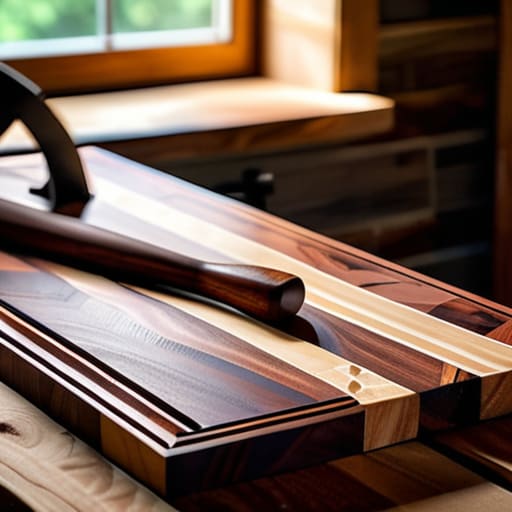
Think of a cutting board as your financial emergency fund. It’s the foundational tool that supports everything else you do, and just like a solid savings account, you want it to be sturdy, reliable, and built to last. Starting with a simple butcher block or a basic end-grain board allows you to practice precision cutting and sanding without the high stakes of a massive furniture build. It’s all about mastering the basic mechanics before you try to tackle a complex multi-course meal—or a diversified stock portfolio.
Rustic Floating Shelves
If a cutting board is your emergency fund, then floating shelves are your growth stocks. They take up a bit more space and require a little more strategic planning to install, but the visual and functional payoff is huge. Building these is a fantastic way to learn about structural integrity and how to properly anchor something to a wall—which, if we’re being honest, is a lot like securing your debt-to-income ratio to ensure your home investments are actually stable.
Minimalist Coaster Sets
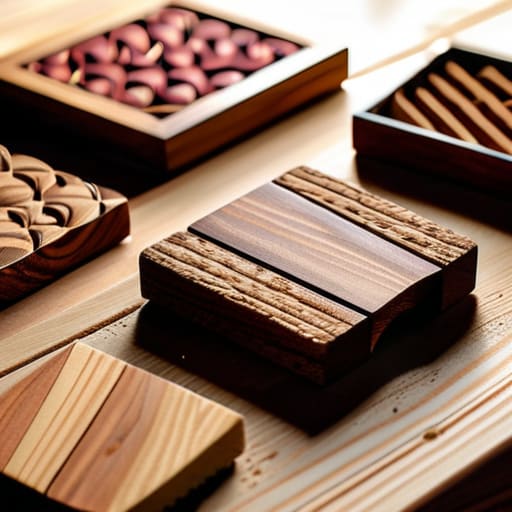
Sometimes, you just need a “micro-investment” to keep your momentum going. A set of handcrafted coasters is the woodworking equivalent of round-up savings apps. They are small, inexpensive to produce, and allow you to experiment with different finishes and textures without the fear of a massive “market crash” if you make a mistake. It’s the perfect way to practice your joinery and edge-work in a low-stakes environment.
The Classic Birdhouse
Building a birdhouse is like setting up a long-term retirement account. It’s a project designed for the future, focused on creating a sustainable environment for something else to thrive. While it might seem a bit whimsical, the geometry involved in creating sloped roofs and proper ventilation requires a level of mathematical precision that will sharpen your brain. It’s all about building a stable structure that can weather the elements over time.
A Simple Tool Caddy
As your hobby (and your portfolio) grows, you’re going to need a way to organize your assets. A small tool caddy or workshop organizer is the ultimate organizational system for your growing collection of gear. Think of it as a dedicated folder for your tax documents or a well-structured spreadsheet for your monthly expenses. Without a place to keep your tools, you’re just wasting time searching for what you need, which is the ultimate productivity killer.
The Recipe for Woodworking Success
Treat your first few projects like a simple vinaigrette—don’t worry about fancy garnishes or complex tools yet; focus on getting the basic ratios and techniques right so you build a solid foundation.
View your mistakes not as wasted capital, but as “tuition” for your education; just like a burnt roux, a botched cut is just a lesson that makes your next attempt much more refined.
Manage your tool budget like a smart investment portfolio—don’t blow your entire savings on a high-end table saw on day one, but do invest in a few quality “staple” tools that will yield long-term returns.
The Recipe for Craftsmanship
“Think of your first woodworking project like a basic roux—it might not look like a Michelin-star masterpiece right away, but once you master those fundamental movements, you’ve built the essential foundation for everything else you’ll ever create.”
Madeline Thompson
From Sawdust to Success
As we wrap up our little workshop session, I want you to look back at everything we’ve covered. Whether you started with a simple birdhouse or moved into more complex shelving, remember that each project was essentially a micro-investment in your own skill set. Much like building a diversified investment portfolio, you didn’t try to tackle a mahogany dining table on day one; instead, you focused on small, manageable wins that laid the groundwork for future growth. By mastering these five foundational projects, you’ve effectively learned how to manage your resources, minimize waste, and most importantly, build your confidence one cut at a time.
At the end of the day, woodworking—much like managing your bank account or scaling a business—is all about the long game. You aren’t just making a wooden box; you are cultivating a mindset of patience and precision. Don’t be discouraged if your first few attempts aren’t quite “Michelin star” quality; even the best chefs had to master the omelet before they could tackle the soufflé. Keep showing up to your workbench, stay curious, and remember that consistent progress is the most delicious reward of all. Now, go grab your safety goggles and let’s get to work!
Frequently Asked Questions
Do I need to invest in a massive workshop right away, or can I actually get these projects done with just a few basic tools?
Listen, I get it. Looking at a professional workshop feels like looking at a high-end commercial kitchen when you’re just trying to make a grilled cheese. It’s intimidating! But here’s the secret: don’t go overboard with the overhead right away. Think of your tools like ingredients—you don’t need a pantry full of rare spices to make a delicious meal. Start with the essentials, master the basics, and scale up your “equipment budget” as your skills (and bank account) grow.
How do I budget for lumber and supplies without my hobby becoming a "money pit" that eats into my monthly savings?
Think of your hobby budget like a grocery list for a dinner party: if you don’t plan, you’ll end up overspending on fancy spices you don’t need. Set a “lumber allowance” each month, just like a food budget. I recommend the “sinking fund” method—set aside a small, fixed amount into a separate account specifically for tools and wood. This way, when that high-quality walnut calls your name, it’s already paid for without denting your savings.
Is it better to stick to softwoods like pine for my first few builds, or should I jump straight into more expensive hardwoods?
Think of this like choosing between a quick weeknight pasta and a slow-braised short rib. You wouldn’t risk a high-end Wagyu steak on your very first try, right? Stick to softwoods like pine for now. They’re much more forgiving—and much cheaper—if you make a “measurement mistake” (we’ve all been there!). Consider pine your training wheels; it lets you master the technique without the heartbreak of a massive financial loss.