
Posted on

How to Use Cloud Storage to Keep Your Files Safe

Guide on how to use cloud storage.

Have you ever felt like you’re drowning in a digital sea of “miscellaneous” folders and lost spreadsheets, wondering if you’re actually getting anywhere? I get it. It’s like walking into a professional kitchen only to find that the pantry is a disaster zone—everything is there, but you can’t find the salt to save your life. Most people think learning how to use cloud storage means paying for a massive monthly subscription just to act as a digital junk drawer, but that is a recipe for financial disaster. You don’t need a bloated budget; you just need a better organizational system.

I’m not here to sell you on some high-priced, overhyped tech ecosystem that promises the world but delivers nothing but clutter. Instead, I’m going to show you how to treat your digital files like a perfectly prepped mise en place. I’ll share my no-nonsense, experience-based blueprint for organizing your data so it actually works for you, rather than against you. We’re going to turn that chaotic digital mess into a streamlined, cost-effective asset that gives you back your time and your peace of mind.

Table of Contents

Understanding How Cloud Computing Works Like a Recipe

Understanding How Cloud Computing Works Like a Recipe

Think of how cloud computing works like the difference between cooking a meal in your tiny apartment kitchen versus using a high-end, professional commissary kitchen. When you rely on cloud storage vs local storage, you’re essentially moving your ingredients from a cramped, single-shelf pantry into a massive, managed warehouse. Instead of being limited by the physical hard drive sitting on your desk—which is like having only one burner on a stove—the cloud provides a vast, scalable space where your data lives on remote servers, ready to be accessed whenever you’re hungry for productivity.

The real magic, though, is in the prep work. Just like a well-organized recipe allows you to scale a dish from a single serving to a banquet, the cloud allows for seamless syncing files across devices. You might start a spreadsheet on your laptop (the prep station), tweak a budget on your phone while waiting for a latte (the quick snack), and finish it on your tablet at home. It’s all about having your digital ingredients prepped and ready to go, no matter which “kitchen” you happen to be working in that day.

Cloud Storage vs Local Storage Choosing Your Best Ingredients

Think of the debate between cloud storage vs local storage like deciding whether to buy fresh, organic produce from a high-end market or stocking up on bulk dry goods in your basement pantry. Local storage—your physical hard drives and USB sticks—is like that pantry. It’s right there, you have total control, and there’s no “delivery fee” once you own it. However, if your kitchen floods (or your laptop takes a dive), those ingredients are gone for good. It’s a high-risk strategy if you aren’t diligent about managing online file backups separately.

On the other hand, the cloud is like having a world-class sous-chef on call 24/7. You aren’t tied to one physical location; instead, you’re syncing files across devices so your “recipe” is accessible whether you’re at your desk or on your phone at a food festival. While you have to keep an eye on various cloud storage pricing models to ensure your monthly subscription doesn’t eat your margins, the convenience and scalability are hard to beat. It’s about choosing the right tools to ensure your digital kitchen never runs dry.

5 Pro-Tips for Organizing Your Digital Pantry

5 Pro-Tips for Organizing Your Digital Pantry
  • Treat your folder structure like a mise en place. Just like I wouldn’t throw my chopped onions, garlic, and herbs into one giant bowl, you shouldn’t dump every file into a single “Misc” folder. Organize your cloud storage into clear, logical subfolders so you aren’t hunting for “ingredients” when you’re in the middle of a high-stakes project.
  • Set up an automatic backup schedule to avoid a kitchen fire. In the culinary world, we prep ahead so we aren’t scrambling during service; in the digital world, you should set your most vital documents to sync automatically. Don’t wait for a hard drive crash to realize you forgot to “save your sauce”—let the cloud handle the heavy lifting in the background.
  • Audit your subscriptions like you’re reviewing your food truck’s monthly overhead. It’s easy to sign up for a premium storage tier and then realize you’re paying for a massive walk-in freezer when a small reach-in would do. Every few months, check your usage stats and scale your plan down if you’re paying for space you aren’t actually using.
  • Use two-factor authentication to keep the “uninvited guests” out of your kitchen. Security is just like food safety; you wouldn’t leave your expensive truffle oil sitting out on the counter for anyone to grab. Enable that extra layer of protection on your cloud accounts to ensure your most valuable data stays strictly in your hands.
  • Curate your “Digital Pantry” by deleting the scraps. We all have those files that are essentially digital kitchen scraps—old drafts, blurry screenshots, and duplicate photos that are just taking up valuable real estate. Periodically go through and prune the clutter so your storage stays lean, mean, and ready for the high-quality stuff.

The Secret Sauce for Your Digital Success

Treat your cloud storage like a high-end spice rack—keep your essential, everyday tools within arm’s reach (local storage) but store your bulk ingredients and long-term investments in the cloud where they’re safe and easy to scale.

Don’t let your digital pantry get cluttered; just like you wouldn’t dump random leftovers into a gourmet sauce, organize your cloud folders systematically to avoid a “financial” mess of lost time and wasted productivity.

Think of cloud security as your kitchen’s health inspection; investing in strong passwords and two-factor authentication is the only way to ensure your precious data—and your hard-earned career assets—don’t go bad.

“Think of cloud storage as your ultimate digital mise en place; by organizing your most important files in a centralized, accessible space, you aren’t just saving data—you’re prepping your professional life so you can execute your biggest career moves without ever breaking a sweat.”

Madeline Thompson

Serving Up Your Digital Success
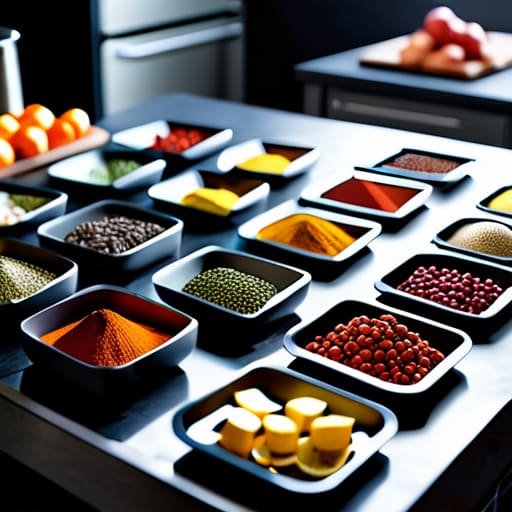
Serving Up Your Digital Success with cloud.

At the end of the day, mastering cloud storage is a lot like prepping your mise en place before a big dinner service. We’ve looked at how cloud computing acts as your fundamental recipe, and we’ve weighed the pros and cons of using local versus cloud-based ingredients to keep your data fresh and accessible. Whether you choose to keep your most sensitive “secret sauces” on a local drive or move your entire digital kitchen to the cloud for maximum scalability, the goal is the same: efficiency and organization. By choosing the right tools, you’re not just saving files; you’re optimizing your digital overhead so you can focus on the big picture instead of hunting for lost documents.

As you move forward, I want you to view your digital organization as a long-term investment in your most valuable asset—your time. Just as I learned on Wall Street that small, consistent contributions lead to massive compound interest, managing your digital files with intention will pay dividends in your productivity and peace of mind. Don’t let a cluttered digital pantry hold your career back. Take that first step, set up your folders, and start building your digital wealth today. You’ve got the ingredients; now it’s time to cook up something incredible!

Frequently Asked Questions

If I'm moving all my "ingredients" to the cloud, how do I make sure my digital pantry stays secure from hackers?

Think of your digital security like food safety in a professional kitchen—you wouldn’t leave the fridge door wide open, right? To protect your cloud pantry, start with strong, unique passwords (your secret recipe) and always enable Two-Factor Authentication. It’s like having a double-lock on the walk-in freezer. Finally, regularly audit your “inventory” by checking who has access permissions. A little preventative maintenance ensures no one sneaks in to steal your precious ingredients!

Is it actually cost-effective to pay for a monthly subscription, or am I better off just buying a physical hard drive?

Think of this like choosing between a high-end subscription meal kit or stocking your own pantry. A physical hard drive is a one-time grocery run—great for a bulk discount, but if you lose it, you’ve lost the whole meal. A monthly subscription is like a sous-chef service; you pay a little extra every month, but you get security, automatic backups, and easy access anywhere. For long-term peace of mind, I say invest in the subscription.

How do I organize my files in the cloud so I'm not staring at a messy kitchen counter every time I need to find something?

Think of your cloud storage like a professional kitchen: if you just toss every spice and utensil into one giant bin, you’ll never finish service on time. Start by creating high-level “stations”—folders for Finance, Career, and Personal. Within those, use sub-folders for specific “dishes,” like “2024 Tax Receipts” or “Recipe Experiments.” Most importantly, name your files consistently. A file named “Final_v2_REALLY_FINAL” is like a mystery container in the fridge—it’s better to label it clearly!


Posted on

Sewing Basics: Everything a Beginner Needs to Know

Essential sewing basics for beginners guide.

I remember sitting on my floor in my tiny first apartment, staring at a tangled mountain of thread and a sewing machine that felt more like a complex piece of Wall Street trading software than a creative tool. I had this grand vision of upcycling my wardrobe, but instead, I was just staring at a manual that felt like it was written in ancient Greek. Most people will tell you that you need a massive investment in designer kits and high-end equipment to get started, but let me tell you: that is a total financial sinkhole. Mastering the sewing basics for beginners isn’t about having the most expensive bobbin or the fanciest shears; it’s about understanding the mechanics, much like understanding the fundamental ingredients in a reduction sauce.

I’m not here to sell you a dream or a thousand-dollar starter kit. My goal is to give you a straight-shooting roadmap that treats your time and your bank account with respect. We are going to strip away the fluff and focus on the essential techniques that actually yield results, moving from the first stitch to a finished seam with the same precision I used to balance a quarterly budget. Consider this your no-nonsense recipe for success.

Table of Contents

Curating Your Beginner Sewing Kit Essentials

Curating Your Beginner Sewing Kit Essentials.

Before you dive into your first project, you need to stock your pantry—or in this case, your sewing basket. Just like I wouldn’t dream of starting a complex reduction without high-quality stock, you shouldn’t attempt a garment without the right beginner sewing kit essentials. Think of your tools as your mise en place; having everything prepped and ready prevents that mid-project panic when you realize you’re missing a seam ripper. You’ll want a sharp pair of fabric shears (never use them on paper, or you’ll dull them faster than a cheap knife!), a handful of assorted needles, a measuring tape, and some decent quality thread.

Investing in a few quality essential sewing machine tools early on is much like choosing the right kitchen appliances. You could buy the cheapest, most frustrating tools available, but you’ll end up spending more time fixing errors than actually creating. Don’t feel like you need to buy the entire catalog at the craft store, though. Start with the basics, focus on getting comfortable with your machine, and treat every little mistake as a learning opportunity rather than a sunk cost. Once you have your foundation set, we can start talking about the fancy stuff!

Navigating the Sewing Fabric Types Guide.

Now, let’s talk about the “ingredients” of your project: the fabric. Just like you wouldn’t try to make a delicate soufflé with heavy-duty flour, you can’t treat a flimsy silk the same way you treat a sturdy denim. Navigating a sewing fabric types guide is a lot like reading a nutrition label; you need to know exactly what you’re working with before you start mixing things together. If you choose a fabric that’s too slippery or too thick for your current skill level, it’s going to feel like trying to cook a five-course meal when you haven’t even mastered boiling water yet.

For your first few projects, I highly recommend sticking to natural fibers like cotton. Cotton is the “reliable pantry staple” of the sewing world—it’s predictable, holds its shape, and doesn’t jump around under the needle. Once you feel confident with your basic sewing stitches for beginners, you can start experimenting with more “exotic” textures like linen or rayon. Think of it as expanding your culinary palate; you have to master the basics before you start playing with those complex, temperamental spices!

Measuring Twice and Cutting Once: My Top 5 Pro-Tips for Sewing Success

  • Treat your measurements like a strict budget; if you’re sloppy with the numbers at the start, you’ll end up with a massive deficit by the time you reach the final seam. Always double-check your dimensions before you even touch the fabric!
  • Don’t let the “cost of entry” scare you away from high-quality thread. Using cheap, fuzzy thread is like trying to make a gourmet reduction with watered-down stock—it’s going to compromise the integrity of your entire project.
  • Embrace the “trial run” method by practicing your stitches on scrap fabric first. In the financial world, we call this a pilot program; in sewing, it’s your safety net to ensure your tension is dialed in before you commit to the real deal.
  • Organize your workspace like a well-oiled kitchen brigade. If you’re hunting for your seam ripper every five minutes, you’re losing momentum, and in both cooking and sewing, lost momentum is the quickest way to burnout.
  • Give yourself permission to “fail fast” and pivot. Your first few projects might look a little more “rustic” than a designer piece, but think of it as a rough draft—every mistake is just a lesson that adds value to your growing skill set.

The Recipe for Sewing Success

Don’t overspend on fancy tools right out of the gate; think of your initial kit like a starter pantry—get the high-quality essentials first, and you can add the “gourmet” specialized gadgets as your skills grow.

Treat your fabric choice like choosing the right protein for a dish; using a heavy denim when you meant to use a light silk is a recipe for a structural disaster, so always match your material to your intended design.

Precision is your best friend, whether you’re balancing a budget or cutting a pattern; taking an extra minute to measure twice ensures you won’t have to “re-cook” your entire project due to a costly mistake.

Investing in Your Creative Capital

“Think of learning your first few stitches like building a diversified portfolio; you start with the foundational basics to minimize risk, but once you master the technique, you’ve unlocked the ability to create something truly high-yield and uniquely yours.”

Madeline Thompson

Stitching Your Way to Success

Stitching Your Way to Success with tools.

At this point, you’ve gathered your essential tools and learned how to navigate the vast world of fabric, which is honestly the hardest part of the setup. Just like when I first transitioned from analyzing spreadsheets to managing my food truck’s inventory, the initial learning curve can feel a bit overwhelming. But remember, you don’t need to master every complex pattern right away. By focusing on your foundational kit and understanding how different textiles behave under a needle, you are essentially building a solid financial base for your new creative hobby. You’ve laid the groundwork; now it’s time to let the creativity flow.

As you take that first stitch, try not to sweat the small stuff—even the most seasoned pros deal with a few tangled threads and crooked seams now and then. Think of every mistake as a “minor loss” in a larger investment strategy; it’s just part of the process of refining your technique and increasing your long-term returns. Whether you are making a simple tote bag or a custom garment, the real reward is the confidence you build with every completed project. So, grab your shears, trust your instincts, and let’s start making something beautiful!

Frequently Asked Questions

I've got my kit and my fabric, but how do I actually start my first project without feeling like I'm about to crash my kitchen during a dinner rush?

Think of your first project like a “test kitchen” run. You wouldn’t attempt a complex soufflé on your first day, so don’t start with a tailored blazer! Pick a simple pattern—like a pillowcase or a drawstring bag—to practice your “mise en place.” Focus on steady pacing and straight lines. If you mess up a seam, don’t panic; just rip it out and try again. It’s all about building muscle memory before the dinner rush!

How much should I realistically budget for my sewing hobby before it starts eating into my grocery fund?

Think of your sewing budget like a grocery list: you wouldn’t spend your entire paycheck on truffle oil, right? Start by setting a “flavor profile”—a monthly limit—that keeps your sewing supplies from cannibalizing your food budget. I’d suggest allocating about 5-10% of your discretionary income. Treat your initial tool investment like a high-quality chef’s knife; it’s a one-time cost that saves you money on cheap, flimsy replacements later!

Are there specific sewing patterns that are "beginner-friendly," or am I better off just winging it like a freestyle cooking session?

Think of it this way: you wouldn’t try to master a complex Beef Wellington on your first night in the kitchen, right? Winging it might sound fun, but it usually leads to a messy kitchen and wasted ingredients. Stick to beginner-friendly patterns—like simple tote bags or elastic-waist skirts. They act like a foolproof recipe, guiding your technique so you don’t end up with a “financial loss” of wasted fabric and frustration!

Posted on

Kitchen Organization Ideas for a Clutter-free Counter

Kitchen organization ideas for clutter-free counters.

Have you ever stood in front of your pantry, staring at a chaotic mountain of half-empty pasta boxes and rogue spice jars, feeling like your entire life was spiraling out of control? I’ve been there. Between my years crunching numbers on Wall Street and now managing the high-stakes rush of a gourmet food truck, I’ve learned that chaos is the ultimate thief of time and money. When your workspace is a mess, you end up overbuying ingredients you already have or wasting precious minutes hunting for a whisk. Finding effective kitchen organization ideas isn’t just about making your space look pretty for Instagram; it’s about optimizing your most valuable assets—your time and your ingredients—to ensure your culinary ROI is always high.

In this post, I’m pulling back the curtain on my personal system for turning kitchen clutter into a streamlined, high-performing workspace. I’m sharing five specific strategies that act like a well-diversified portfolio for your cupboards, helping you eliminate waste and maximize efficiency. By the time we’re done, you’ll have a roadmap to transform your kitchen from a source of stress into a profitable sanctuary for creativity and delicious meals.

Table of Contents

Audit Your Pantry Like a Quarterly Earnings Report

Audit Your Pantry Like a Quarterly Earnings Report.

Before you go out and buy a bunch of fancy acrylic bins, you need to do a deep dive into what you actually own. I call this the pantry audit, and it’s exactly like reviewing your bank statements at the end of the month. You wouldn’t keep paying for a subscription service you never use, so why are you letting expired lentils and half-empty bags of flour take up valuable real estate in your cabinets? Take everything out, check the dates, and be brutally honest about what’s actually making it into your meals.

The Zoned Approach to Workflow Efficiency

The Zoned Approach to Workflow Efficiency.

In the professional culinary world, we talk a lot about “mise en place,” which basically means having everything in its place. I like to apply this to kitchen organization by creating specific functional zones. Think of your kitchen as a series of departments. You should have a prep zone near your cutting boards, a cooking zone around the stove, and a cleaning zone by the sink. When your tools are scattered randomly, you’re essentially experiencing operational friction that slows down your entire production line.

Decanting for Visual Clarity and Waste Reduction

Decanting for Visual Clarity and Waste Reduction.

There is something incredibly satisfying about transferring pasta and spices into clear, airtight glass containers. Not only does it look beautiful (perfect for that Instagram-worthy kitchen aesthetic), but it also serves a very practical financial purpose. When you can see exactly how much rice or quinoa you have left, you’re much less likely to make an impulse purchase at the grocery store. It’s like looking at a real-time dashboard of your finances instead of guessing what’s in your savings account.

Vertical Storage: Scaling Your Space Upward

When you’re working in a small food truck, every square inch is precious, and I carry that same philosophy into my home kitchen. If your cabinets are overflowing and you’re struggling to stack plates without a game of Jenga, it’s time to start thinking vertically. Use tiered spice racks, hanging pot racks, or even magnetic knife strips to move items off your limited counter space and up onto the walls or into the higher reaches of your cabinets.

Labeling: The Ultimate Accountability Tool

I know, I know—labeling everything might seem a little “Type A,” but hear me out. Whether it’s a label maker or a simple piece of masking tape and a Sharpie, knowing exactly what is in a container is a total game-changer. In finance, we rely on clear documentation to avoid errors, and the kitchen is no different. If you have three different white powders in unlabeled jars, you’re asking for a costly mistake—and I don’t just mean the price of the ingredients, but the time lost trying to fix a ruined dish.

The Bottom Line: Investing in Your Kitchen’s ROI

Treat your kitchen organization like a diversified portfolio; by allocating specific “assets” (like spices or gadgets) to dedicated spaces, you reduce the mental tax of daily decision-making and prevent the “waste” of lost time.

Don’t let your kitchen clutter become a bad debt that accumulates interest in the form of stress; regular audits of your pantry and cabinets ensure you’re only reinvesting in ingredients and tools that actually serve your culinary goals.

Small, incremental improvements in your kitchen layout yield much higher long-term returns than a massive, expensive overhaul; start with high-traffic zones to see immediate dividends in your cooking efficiency and daily sanity.

The ROI of a Tidy Pantry

“Think of organizing your kitchen like auditing your personal finances: when you stop digging through a cluttered mess just to find what you need, you aren’t just saving time—you’re eliminating the wasted capital of expired ingredients and impulse buys. A streamlined pantry is the ultimate high-yield investment for your daily sanity.”

Madeline Thompson

The Final Reduction: Savoring Your Organized Space

At the end of the day, organizing your kitchen isn’t just about finding the whisk without digging through a mountain of Tupperware; it’s about optimizing your most valuable assets. Whether you’ve implemented a tiered spice rack to prevent duplicate purchases or invested in clear bins to keep your pantry from looking like a chaotic stock market crash, you are essentially building a more efficient system. By categorizing your tools and streamlining your workflow, you’ve effectively reduced your operational overhead and minimized the mental clutter that comes with a messy workspace. Just like a well-balanced ledger, a well-organized kitchen allows you to see exactly what you have, preventing waste and ensuring you’re always ready to cook.

As you step back to admire your newly streamlined culinary headquarters, remember that this is just the first course in a much longer journey. Perfection doesn’t happen overnight—it’s a process of continuous improvement and fine-tuning, much like perfecting a delicate reduction sauce. Don’t get discouraged if things get a little messy again next week; even the best-managed portfolios have fluctuations. The goal isn’t to maintain a museum-quality kitchen, but to create an environment that empowers your creativity and makes the act of nourishing yourself feel like a reward rather than a chore. Now, go grab your apron and enjoy the fruits of your labor!

Frequently Asked Questions

I have a tiny kitchen with zero counter space—how can I organize without feeling like I'm living in a pantry?

Listen, I’ve been there—trying to prep a gourmet reduction in a space no bigger than a postage stamp. When your counter real estate is basically zero, you have to stop thinking horizontally and start thinking vertically. Think of it like diversifying your portfolio: if you can’t grow on the ground, look to the sky! Install magnetic knife strips and wall-mounted spice racks. It clears the “clutter” from your main accounts (the counters) so you can actually breathe.

How do I decide which kitchen gadgets are actually "high-value assets" worth keeping and which ones are just "bad investments" taking up space?

Think of your kitchen gadgets like a stock portfolio. To avoid “bad investments,” ask yourself: Does this tool perform multiple functions, or is it a single-use niche player? If a gadget only does one thing and you only use it once a month, it’s a depreciating asset taking up valuable real estate. Stick to high-yield tools—the versatile workhorses that pay dividends in efficiency every single day. If it isn’t adding value to your culinary ROI, liquidate it!

Is there a way to organize my kitchen that actually saves me money on my weekly grocery budget?

Absolutely! Think of your pantry as your personal investment portfolio. When your “assets” are scattered and hidden in the back of a dark cabinet, you end up “over-investing” in duplicates you didn’t need. By using clear bins and grouping items by category—like a well-diversified fund—you gain total visibility. This prevents those impulse buys and prevents food from expiring, effectively slashing your grocery waste and keeping more cash in your pocket.

Posted on

How to Set Up Parental Controls for Your Kids

Guide on how to set up parental controls.

Ever feel like you’re being sold a “premium” digital security suite that costs more than a high-end truffle oil, just to do something that should be straightforward? I’ve spent years analyzing cost-benefit ratios on Wall Street, and let me tell you, most of the hype surrounding digital safety is just expensive fluff. You don’t need a massive monthly subscription to protect your kids; you just need a solid strategy. Learning how to set up parental controls shouldn’t feel like trying to follow a recipe written in a foreign language with half the ingredients missing. It’s about setting the right boundaries so your family can enjoy the digital feast without anyone accidentally swallowing something toxic.

I’m not here to give you a generic manual or a sales pitch for a software company. Instead, I’m going to walk you through a no-nonsense blueprint for securing your home’s digital environment, treating it with the same precision I’d use to balance a complex budget or a delicate reduction sauce. We’ll dive into the practical, high-impact steps that actually work, ensuring you spend less time troubleshooting and more time enjoying your life.

Table of Contents

Filtering Inappropriate Content With Culinary Precision

Filtering Inappropriate Content With Culinary Precision.

Think of filtering inappropriate content like being a picky sous-chef when it comes to your ingredients. You wouldn’t serve a guest a dish made with spoiled milk, right? The same logic applies to the digital world. Just as I carefully vet every supplier for my food truck to ensure only the highest quality produce reaches the plate, you need to curate the digital environment for your kids. By setting app restrictions, you’re essentially pre-screening your pantry, making sure only the “nutritious” content makes it into their digital diet.

It’s not about being a strict critic, though; it’s about flavor profiles and safety. When you focus on digital wellbeing for children, you aren’t just blocking bad stuff—you’re helping them develop a taste for healthy, constructive online interactions. It’s a lot like teaching a beginner how to balance acidity and fat; you’re providing the guardrails so they can eventually learn to cook for themselves without burning the kitchen down. If you manage the “ingredients” they consume now, they’ll be much better equipped to handle the complex flavors of the internet later on.

Managing Device Access Like a Master Chef

Managing Device Access Like a Master Chef.

Now, let’s talk about timing. In my kitchen, I never let the sauce simmer for hours without checking the heat; if I walk away, I risk a burnt mess. Managing device access works the exact same way. You wouldn’t leave a toddler alone with a boiling pot, so why leave a teenager unsupervised with an unlimited data plan and an open internet connection? Think of setting app restrictions as your kitchen timer—it’s not about being the “food police,” but rather about ensuring the digital feast doesn’t overcook and turn into a headache.

By establishing clear boundaries on when and how long devices are used, you’re essentially prepping your household for long-term success. It’s about creating a balanced menu for their daily routine. When we prioritize digital wellbeing for children, we aren’t just limiting screen time; we are teaching them how to savor the “real world” ingredients of life, too. Just like a well-managed budget prevents a mid-month financial crisis, setting these digital guardrails prevents the burnout and distractions that can derail their focus and sleep.

Five Ingredients for a Balanced Digital Kitchen

  • Set your time limits like you would a delicate reduction; you want to simmer the screen time just enough to be engaging, but not so long that it burns the whole pot.
  • Use “Whitelisting” as your secret ingredient—instead of trying to block every bad thing in the world (which is an impossible recipe), just curate a list of trusted, high-quality sites that you know are safe for your kids to feast on.
  • Treat password management like food safety protocols; keep your administrative credentials tucked away in a secure “refrigerator” where kids can’t reach them, ensuring they can’t bypass the controls you’ve worked so hard to set up.
  • Don’t forget the “tasting” phase—periodically review the activity logs just like a chef tastes a sauce mid-prep. It’s not about being a micromanager, it’s about making sure the flavor profile of their digital life stays healthy and on track.
  • Communicate the “why” behind the rules, much like explaining a complex recipe to a sous-chef. If they understand that these controls are there to prevent a digital “food poisoning” from bad content, they’ll be much more likely to respect the boundaries you’ve set.

The Secret Sauce for Digital Success

Think of parental controls as your kitchen mise en place; by prepping your digital environment ahead of time, you prevent “ingredients” like inappropriate content from ruining the family experience.

Managing screen time is just like balancing a budget—it’s not about total deprivation, but about setting smart boundaries so your kids can enjoy the “feast” of the internet without overindulging.

Consistency is the key to any great recipe, so treat your digital safety settings as a living process that you adjust as your kids’ “appetites” and maturity levels grow.

## The Secret Sauce of Digital Boundaries

“Think of setting up parental controls like prepping your kitchen before a big dinner—you aren’t trying to lock the pantry and starve the kids; you’re just making sure they don’t grab the raw flour and eggs before you’ve had a chance to turn them into something safe and delicious.”

Madeline Thompson

Serving Up a Safer Digital Future

Serving Up a Safer Digital Future.

At the end of the day, setting up parental controls is a lot like balancing a complex recipe; you need the right ingredients to ensure everything turns out just right. We’ve walked through how to filter out the digital “bitter herbs” that don’t belong in your kids’ diet and how to manage screen time so it doesn’t become a recipe for burnout. By implementing these filters and time limits, you aren’t just restricting access—you are investing in their digital well-being and building a foundation of safety. Think of these settings as your kitchen prep work; once the heavy lifting is done, you can actually relax and enjoy the process of watching them grow.

Remember, managing a household—whether it’s your finances, your career, or your children’s digital footprint—is all about finding that perfect equilibrium. You don’t want to be so restrictive that you stifle their curiosity, but you can’t leave the stove unattended, either. Approach these boundaries with the same intentionality and care you would use when crafting a signature dish. You are the head chef of your family’s environment, and by taking these proactive steps, you are ensuring that their journey through the digital world is both nutritious and delicious. You’ve got this!

Frequently Asked Questions

If I set these restrictions now, will it be a headache to adjust the "ingredients" as my kids get older and need more digital freedom?

Think of it like seasoning a dish as you go. You wouldn’t dump a whole cup of salt into a simmering sauce right at the start, right? You start light and adjust to taste. Setting these controls now isn’t a permanent recipe; it’s just your base layer. As your kids grow, you can slowly dial back the restrictions, adding more “digital spices” and freedom as they prove they can handle the heat!

Is there a way to manage all these settings from one central "kitchen" instead of jumping between every single device in the house?

Think of this like moving from a chaotic home kitchen to a professional restaurant management system. You don’t want to run to every single stove to check the temperature, right? You need a central dashboard. Look into “Family Link” for Google or “Screen Time” for Apple. These act as your head chef’s station, allowing you to manage all your kids’ “ingredients”—apps, time limits, and filters—from one single, streamlined interface.

How do I make sure these controls don't accidentally spoil the fun or make my kids feel like I'm micromanaging their digital lives?

Think of it like seasoning a dish: you want to enhance the flavor, not drown everything in salt. If you over-restrict, you’ll end up with a bitter relationship. Instead of heavy-handed blocking, start with light “seasoning”—set clear boundaries and explain the why behind them. Treat it like a kitchen apprenticeship; give them some autonomy as they grow, so they learn to navigate the digital pantry responsibly without feeling like they’re constantly under a microscope.

Posted on

How to Practice Gratitude (and Why It Works)

Tips on how to practice gratitude.

I used to think that learning how to practice gratitude required a $50 leather-bound journal and a silent retreat in the mountains, but let’s be real—that sounds like a massive drain on your capital. Back when I was grinding away on Wall Street, I’d stare at my spreadsheets feeling completely hollow, convinced that “being grateful” was just some expensive wellness trend designed for people with too much free time. I hated the idea that it had to be this grand, performative ritual; to me, it felt as forced as adding truffle oil to a cheap instant ramen.

But here’s the thing: gratitude isn’t a luxury expense; it’s the essential seasoning that makes your existing life actually taste good. I’m not here to sell you on some toxic positivity or overpriced mindfulness apps. Instead, I want to show you how to integrate gratitude into your life with the same precision you’d use to balance a budget or perfect a reduction sauce. I’m going to share my no-nonsense, battle-tested methods for finding value in the small wins, ensuring your mental well-being gets the high-yield return it deserves.

Table of Contents

Mastering the Recipe How to Start a Gratitude Journal

Mastering the Recipe How to Start a Gratitude Journal

Think of starting a gratitude journal like prepping your mise en place before a big dinner service. You wouldn’t just throw random ingredients into a pan and hope for the best, right? You need a system. To figure out how to start a gratitude journal, I recommend keeping it simple: grab a dedicated notebook and a pen you actually enjoy using. Don’t feel pressured to write a culinary manifesto every night. Just aim for three specific things that went well—maybe it was a perfectly timed espresso shot or finally hitting your savings goal for the month.

The real magic happens when you treat this as one of your essential daily mindfulness exercises. Instead of just listing items like a grocery receipt, try to really savor the flavor of the moment. If you’re thankful for a sunny afternoon, don’t just write “sunshine.” Describe how the warmth felt on your skin. This level of detail is what transforms a basic habit into a powerful tool for cultivating a positive mindset, turning a simple list into a rich, nourishing feast for your mental well-being.

Savoring the Moment Through Daily Mindfulness Exercises

Savoring the Moment Through Daily Mindfulness Exercises

Now, if journaling is our prep work, then mindfulness is the actual cooking process. You can have all the best ingredients in the world, but if you’re rushing through the kitchen without actually tasting anything, you’re going to miss the magic. Incorporating daily mindfulness exercises into your routine is like slowing down to smell the garlic hitting the hot oil; it forces you to be present in the moment rather than worrying about the bill that hasn’t arrived yet.

I like to treat my morning coffee like a mini-investment strategy. Instead of scrolling through stressful market updates or my inbox, I spend five minutes just really experiencing the warmth of the mug and the richness of the roast. This simple act of presence is a cornerstone of cultivating a positive mindset, helping you build a mental buffer against the daily chaos. It’s not about escaping reality, but about learning to appreciate the small, high-yield moments that often go unnoticed. When you train your brain to focus on the “now,” you start to realize that happiness isn’t just a windfall—it’s a series of small, intentional wins.

The Secret Ingredients: 5 Ways to Season Your Life with Gratitude

  • Curate Your “Flavor Profile” by focusing on small wins. Just like you wouldn’t judge a five-course meal solely on the dessert, don’t wait for huge milestones to feel thankful. Did you nail a presentation or find a perfect ripe avocado? Count those as wins. It’s the little seasonings that build a rich life.
  • Audit Your Social Circle like a P&L Statement. Surround yourself with people who add value to your emotional balance sheet. When you spend time with those who uplift you, gratitude flows naturally. If a relationship is constantly draining your reserves without any return on investment, it might be time to adjust the recipe.
  • Practice “Batch Cooking” Your Positive Thoughts. Instead of sporadically trying to feel good, set aside a specific time—maybe during your morning coffee or while your dinner is simmering—to intentionally scan your day for the good stuff. Consistency is what turns a one-off snack into a sustainable lifestyle.
  • Don’t Let Your Joy Go Unaccounted For. In finance, if you don’t track it, you can’t manage it. The same goes for happiness. When something wonderful happens, don’t just let it pass through like an unrecorded transaction. Pause, acknowledge it, and mentally “file” it away so you can revisit that feeling when things get a little salty.
  • Diversify Your Gratitude Portfolio. It’s easy to be thankful when the market is up and the sun is shining, but true resilience comes from finding the silver linings in the “bear markets” of life. Even on a rough day, there’s usually one small, nutritious element—a warm shower, a good song, or a reliable friend—that can keep you going.

The Chef’s Notes: Bringing it All to the Table

Think of gratitude as your financial emergency fund; it might not solve every crisis instantly, but building that emotional reserve daily ensures you have the stability to handle life’s unexpected “kitchen fires” with grace.

Don’t wait for a five-course feast to start celebrating; just like saving small change in a jar, acknowledging the tiny, everyday wins builds the compound interest of happiness over time.

Consistency is the most important ingredient in any recipe, whether you’re balancing a budget or practicing mindfulness, so keep showing up for yourself even when the results feel slow to simmer.

The Secret Ingredient

“Think of gratitude like a perfectly balanced reduction; you can’t rush the process, but once you take the time to simmer down and focus on the richness that’s already in your pan, you realize you’ve actually been sitting on a goldmine of flavor all along.”

Madeline Thompson

The Final Course: Serving Up a Grateful Life

The Final Course: Serving Up a Grateful Life.

At the end of the day, practicing gratitude isn’t about pretending your life is a five-star Michelin meal every single second; it’s about recognizing the quality ingredients even when things feel a little bit messy. We’ve talked about how a gratitude journal acts as your financial ledger for the soul, tracking your emotional wins, and how mindfulness allows you to slow down and actually taste the life you’re working so hard to build. Just like managing a budget or perfecting a complex reduction sauce, these habits require consistency and a little bit of patience. You don’t need to overhaul your entire lifestyle overnight to see a return on your investment; you just need to start adding those small, intentional seasonings to your daily routine.

As you step back into the hustle of your career and your daily grind, remember that gratitude is the ultimate compound interest. The more you practice acknowledging the good, the more your perspective shifts, and the more “wealth” you accumulate in your mental and emotional bank accounts. Don’t wait for a massive windfall or a perfect moment to feel successful. Instead, find joy in the small, delicious details of the journey right now. I promise you, once you learn to appreciate the prep work, the whole experience of living becomes infinitely more satisfying. Now, go out there and make something wonderful!

Frequently Asked Questions

What if I’m having a really rough day and I can't find anything to be grateful for?

Listen, I’ve been there. Some days feel like a kitchen fire you just can’t put out. When everything tastes bitter, don’t force a five-course feast of gratitude. Instead, aim for the “micro-ingredients.” Can you be grateful for the warmth of your coffee? Or that your bed is soft? When the big picture looks messy, just find one tiny, tiny thing that didn’t suck. Even a single grain of salt counts when you’re rebuilding the flavor.

Is there a way to practice gratitude that doesn't feel like just another chore on my to-do list?

I totally get it. If gratitude feels like checking off a line item on a spreadsheet, you’re doing it wrong! Think of it less like a mandatory budget audit and more like a spontaneous tasting session. Instead of a formal journal, try “micro-gratitude.” When you sip your morning coffee or catch a green light, just pause and acknowledge that tiny win. It’s about flavor, not formality—small, delicious moments that don’t require a seat at the table.

How do I keep this habit from feeling stale once the initial excitement wears off?

Think of it like a signature sauce; if you use the exact same ingredients every single day, eventually, you’ll lose that zest. To keep your gratitude practice from feeling like a repetitive chore, switch up your “flavor profile.” Instead of just listing things, try focusing on a specific sensory detail—the way the morning light hits your coffee or a hilarious text from a friend. Varying your focus prevents burnout and keeps the habit fresh.

Posted on

How to Prioritize Your Spending When Money Is Tight

Tips on how to prioritize your spending.

I still remember the frantic, high-stakes energy of my old cubicle on Wall Street, staring at spreadsheets that felt more like a recipe for disaster than a roadmap to success. Back then, I thought “budgeting” meant deprivation—cutting out everything that brought me joy just to see a number go up. But let me tell you, trying to manage your life by cutting out every little luxury is like trying to cook a five-star meal with nothing but plain crackers and tap water; it’s utterly soul-crushing. Most financial gurus make it sound like a math problem, but I’ve learned that knowing how to prioritize your spending is actually much more like mastering your mise en place. It’s about prepping your essential ingredients first so you have the freedom to add that little bit of spice later without blowing the whole budget.

I’m not here to give you a lecture or a list of “dos and don’ts” that feel like a diet you’ll quit by Tuesday. Instead, I’m going to show you how to plate your finances so they actually taste good. We’re going to look at intentional allocation—the art of making sure your money goes toward the things that actually nourish your life and your future. No fluff, no judgment, just real-world strategies to help you build a life that feels as rich as a perfectly reduced balsamic glaze.

Table of Contents

Mastering the 503020 Rule Explained for Your Financial Table

Mastering the 503020 Rule Explained for Your Financial Table

Think of the 50/30/20 rule explained as your master recipe for a balanced plate. Just like you wouldn’t serve a meal that’s eighty percent garnish and zero percent protein, you can’t let your “wants” crowd out your actual needs. In this framework, 50% of your income goes toward your “essential ingredients”—the non-negotiables like rent, utilities, and groceries. This is your base, the foundation that keeps the kitchen running.

The next 30% is where you get to add the seasoning: your lifestyle choices. This covers dining out, hobbies, or that subscription service you swear by. But here’s the secret to not over-salting the dish: you have to be careful with managing variable expenses so they don’t bleed into your essentials.

Finally, the remaining 20% is your “reserve stock.” This portion is dedicated to your future self, focusing on financial goal setting and building up your savings. Whether you’re tackling debt or padding your rainy-day stash, this 20% ensures that even if a kitchen fire breaks out, you have the resources to stay in the game.

Budgeting for Beginners Choosing Your Finest Ingredients First

Now, if you’re just starting out with budgeting for beginners, it can feel a bit like walking into a professional kitchen for the first time—it’s loud, overwhelming, and there are too many tools to choose from. But here’s the secret: you wouldn’t start a five-course tasting menu by throwing random spices into a pan and hoping for the best, right? You start with your high-quality proteins and produce. In the same way, you need to identify your “non-negotiables”—your rent, utilities, and groceries—before you even think about the garnishes.

Once your base ingredients are secured, you can start looking at the more unpredictable elements, like managing variable expenses. Think of things like dining out or hobby supplies as the seasonal spices; they add incredible flavor to your life, but if you use too much of them too early, you’ll run out of budget for the main course. By focusing on your essential “ingredients” first, you ensure that your financial foundation is solid enough to support those more indulgent, flavorful moments down the line.

Five Secret Ingredients for a Balanced Financial Plate

  • Audit your “pantry” before grocery shopping. Just like you wouldn’t buy a second jar of cumin if you already have one hiding in the back, take a hard look at your recurring subscriptions. If you haven’t “tasted” that streaming service in months, it’s time to cut it from the menu to save room for something better.
  • Treat your emergency fund like your mise en place. In a professional kitchen, having everything prepped and ready prevents total chaos when a rush hits. In life, having that cash cushion ready means a sudden car repair won’t ruin your entire financial recipe.
  • Don’t let “side dishes” crowd out your main course. It’s easy to let small, impulsive purchases—the financial equivalent of mindless snacking—eat up your budget. Make sure your big, nutritious goals, like retirement or a down payment, are the star of the show before you indulge in the extras.
  • Season your savings with automation. You wouldn’t wait until the very end of a long shift to see if you have enough salt left; you prep ahead of time. Setting up automatic transfers to your savings account ensures your future self gets fed before the “hunger” of daily spending takes over.
  • Taste-test your lifestyle regularly. A dish that was perfect last season might be too heavy for you now. Periodically review your spending to see if your current habits still align with your long-term nutritional goals—or in this case, your long-term wealth goals.

The Chef's Notes: My Top Tips for a Balanced Budget

The Chef's Notes: My Top Tips for a Balanced Budget

Treat your fixed expenses like your base stock; they are the essential foundation that keeps everything else running, so never skimp on the quality of your “must-haves” like housing and utilities.

Don’t let “impulse appetizers” ruin your main course; if you want to splurge on something extra, make sure it’s a deliberate choice that fits within your fun budget rather than a random bite that leaves your savings feeling empty.

Regularly taste-test your spending habits to ensure your financial recipe still works; just like adjusting seasoning in a sauce, you might need to tweak your allocations as your life and goals evolve.

The Secret Sauce of Spending

“Prioritizing your spending isn’t about deprivation; it’s about curation. Just like you wouldn’t dump a whole bag of cheap spices into a high-end reduction, you shouldn’t let mindless expenses drown out the quality ingredients of your life—like your savings, your growth, and your peace of mind.”

Madeline Thompson

Serving Up Your Financial Success

Serving Up Your Financial Success through intentionality.

At the end of the day, prioritizing your spending isn’t about deprivation; it’s about intentionality. Just like you wouldn’t throw every random leftover into a single pot and hope for a Michelin-star result, you shouldn’t just throw your paycheck at every impulse buy that crosses your path. We’ve talked about using the 50/30/20 rule as your base recipe and learning how to select your “finest ingredients”—those essential needs—before you even think about the garnishes. By setting these boundaries now, you are ensuring that your financial foundation is solid, stable, and ready to grow without the bitter aftertaste of unexpected debt.

I know that staring at a spreadsheet can feel a lot more intimidating than staring at a complex recipe, but I promise you, the mastery comes with practice. Don’t worry if your first few “financial dishes” don’t turn out perfectly; even the best chefs burn a few sauces along the way. The goal is to keep refining your technique until managing your money feels as second nature as seasoning a steak. You have the tools, you have the talent, and now you have the blueprint. So, let’s stop letting our budgets run on autopilot and start cooking up the life we actually want to live.

Frequently Asked Questions

What do I do if my "must-have" ingredients, like rent and groceries, already take up more than 50% of my monthly budget?

Look, I’ve been there—sometimes the cost of the “base ingredients” is just higher than the recipe calls for. If your essentials are eating up more than 50%, don’t panic; your kitchen isn’t ruined. We just need to adjust the seasoning. Start by auditing your “needs” for hidden luxuries, or look for ways to trim the grocery bill through meal prepping. If that’s not enough, we may need to look at downsizing a fixed cost to balance the plate.

How can I tell the difference between a true "need" and a "want" when I'm staring at a sale or a tempting new recipe?

Think of it like this: a “need” is your base stock—the essential foundation you can’t make a meal without, like rent or groceries. A “want” is that fancy truffle oil or a seasonal garnish. It’s delicious, but if you run out of money, you can’t eat the garnish. Before you swipe, ask: “If I don’t buy this, will my financial kitchen fall apart?” If the answer is no, it’s just extra seasoning.

If I want to start investing for my future, should I prioritize that over paying down my high-interest debt first?

Think of high-interest debt like a kitchen fire—it’s an immediate emergency that’ll burn your whole house down if you don’t stomp it out. While investing is the slow-simmering stock that builds wealth over time, high-interest debt (like credit cards) is a recipe for disaster. I always recommend tackling those high-interest “fires” first. Once that debt is cleared, you’ll have much more “ingredients” to pour into your investment portfolio without the smoke getting in your eyes!

Posted on

Diy Cleaning Products That Actually Work

Effective homemade diy cleaning products.

I remember standing in my tiny studio apartment after my first stint on Wall Street, staring at a receipt for “eco-friendly” surface sprays that cost more than my weekly grocery budget. It felt like a total scam—paying a massive premium just for a fancy label and a spray bottle that looked pretty on the counter. I realized then that the cleaning industry loves to sell us complexity, making us believe we need a dozen specialized chemicals to keep a home safe. But honestly? Most of those expensive bottles are just inflated overhead masquerading as necessity. Learning to whip up your own diy cleaning products isn’t just about saving a few bucks; it’s about taking back control of your household’s “ingredient list” without getting ripped off.

I’m not here to give you some complicated, ten-step ritual that requires a chemistry degree or a massive shopping list. Instead, I’m going to show you how to treat your cleaning routine like a perfectly balanced recipe: simple, effective, and incredibly cost-efficient. We’re going to use basic pantry staples to create powerful diy cleaning products that actually work, helping you protect your wallet and your peace of mind. Let’s get cooking.

Table of Contents

Sourcing Premium Eco Friendly Cleaning Ingredients

Now, let’s talk about procurement. In the culinary world, you wouldn’t dream of making a signature reduction using subpar stock, right? The same logic applies to your home. When you’re hunting for eco-friendly cleaning ingredients, think of yourself as a high-end chef sourcing seasonal produce. You want items that are pure, potent, and won’t leave a “bitter aftertaste” in your living space. Instead of grabbing whatever is on sale at the big-box store, I love scouring local health food shops or even the bulk aisle at the supermarket. Buying in bulk is my favorite financial hack—it’s like buying flour by the sack instead of the cup; it significantly lowers your unit cost and keeps your overhead low.

When selecting your pantry staples, prioritize versatility. You don’t need a massive inventory; you need a few high-quality assets. I always keep a steady supply of white vinegar and baking soda on hand because they are the ultimate cost-effective cleaning solutions. They are the heavy lifters of my cleaning toolkit. To elevate your “recipe” from basic to gourmet, I highly recommend investing in a few high-grade essential oils for cleaning. A little drop of lemon or eucalyptus doesn’t just add a sophisticated aroma; it turns a chore into a sensory experience.

Mastering Cost Effective Cleaning Solutions With Culinary Precision

Mastering Cost Effective Cleaning Solutions With Culinary Precision

Now, let’s talk about the “bottom line”—and I don’t just mean the numbers on your bank statement. Think of your cleaning budget like a food cost percentage in a professional kitchen; if you aren’t careful with your overhead, your profits (or in this case, your savings) will vanish faster than a plate of truffle fries. By pivoting to cost-effective cleaning solutions, you’re essentially cutting out the middleman. Instead of paying a premium for fancy branding and flashy packaging, you’re investing in the raw ingredients that actually do the heavy lifting.

Mastering this is all about the technique. Just like how a chef uses a basic mirepoix to build deep flavors, you can use pantry staples to build a powerhouse cleaning kit. For instance, vinegar and baking soda cleaning is the ultimate high-yield recipe; it’s cheap, incredibly effective, and provides a massive ROI on your time and money. When you stop buying specialized sprays for every single surface and start using these versatile basics, you’ll notice your monthly “household expenses” line item starts looking a lot more appetizing.

The Secret Sauce: 5 Pro-Tips for a High-Yield Cleaning Pantry

The Secret Sauce: 5 Pro-Tips for a High-Yield Cleaning Pantry
  • Treat your ingredients like a high-stakes budget; don’t overbuy specialty items you’ll only use once. Stick to the “staple ingredients” like white vinegar and baking soda—they’re the reliable, low-cost assets that provide the highest return on your investment.
  • Watch your ratios like you’re balancing a delicate emulsion. Just as adding too much lemon juice can ruin a hollandaise, adding too much concentrated essential oil to your spray can be both pricey and overwhelming for your home’s “atmosphere.”
  • Don’t forget the importance of proper storage, or you’re essentially letting your capital rot. Keep your DIY concoctions in airtight, glass containers to prevent degradation; there’s nothing worse than wasting money on a cleaning solution that’s lost its potency.
  • Scale your production based on your actual needs to avoid “inventory bloat.” Instead of mixing a giant gallon of multi-purpose cleaner that might expire, make small, fresh batches—think of it like prepping mise en place rather than cooking a massive banquet you can’t finish.
  • Always run a “pilot program” before going all in. Test your new homemade cleaner on a small, inconspicuous area first, much like how I’d test a new fusion recipe on a single plate before adding it to the food truck’s permanent menu.

The Secret Sauce for a Clean Home and a Healthy Wallet

Treat your cleaning supplies like a high-end pantry; by investing in versatile, eco-friendly staples like white vinegar and baking soda, you’re cutting down on “ingredient” waste and keeping your household budget from overcooking.

Think of DIY cleaning as a low-overhead business model—the more you prep your own solutions, the more you reduce those pesky recurring expenses that eat away at your monthly savings.

Just like perfecting a complex reduction, mastering these simple cleaning recipes takes a little practice, but the long-term ROI on your health and your bank account is absolutely delicious.

Investing in Your Home’s Foundation

“Think of DIY cleaning products as the ultimate high-yield investment for your household; you’re trading a few cents of pantry staples for a massive return in both your savings account and your peace of mind.”

Madeline Thompson

The Secret Sauce to a Sustainable Home

The Secret Sauce to a Sustainable Home

At the end of the day, crafting your own cleaning supplies is a lot like managing a high-stakes investment portfolio or perfecting a complex reduction sauce—it requires the right ingredients, a bit of patience, and a solid strategy. We’ve walked through how to source premium, eco-friendly components and how to apply culinary precision to ensure your DIY solutions are both effective and budget-friendly. By moving away from overpriced, chemical-heavy store brands, you aren’t just cleaning your countertops; you are optimizing your household overhead and reducing your environmental footprint. Think of it as diversifying your domestic assets to ensure your home stays as healthy as it is spotless.

I know that stepping away from the convenience of the supermarket aisle can feel a little daunting at first, much like pivoting from a stable Wall Street desk to the unpredictable heat of a food truck kitchen. But remember, the greatest rewards often come from the things we build with our own two hands. Whether you are saving a few extra dollars for your next big career move or simply creating a safer space for your family, every small DIY win is a step toward total lifestyle autonomy. So, grab your vinegar, your essential oils, and your confidence. You have all the essential ingredients for success right at your fingertips!

Frequently Asked Questions

If I'm swapping out my usual commercial cleaners for these DIY versions, how can I make sure I'm actually disinfecting surfaces effectively rather than just making them smell nice?

That is a million-dollar question! Think of it like the difference between seasoning a dish and actually cooking the protein—smell isn’t the same as safety. To ensure you’re truly disinfecting rather than just “perfuming” your home, stick to proven heavy-hitters like white vinegar for grime or 3% hydrogen peroxide for tougher germs. Just remember: never mix them! Treat your cleaning routine like a precise recipe; follow the ratios to ensure your surfaces are truly sanitized, not just scented.

Is the upfront cost of buying bulk ingredients like white vinegar and baking soda actually going to give me a better return on my investment compared to just buying the cheap store brands?

Think of this like buying flour in bulk for a bakery versus buying those tiny single-serve packets. While the upfront cost of a gallon of vinegar feels like a bigger hit to your “kitchen budget” today, your cost-per-use drops significantly. It’s all about that ROI! By investing slightly more upfront in bulk staples, you’re essentially lowering your overhead, much like how I optimized my food truck’s inventory to keep margins healthy and delicious.

How should I approach the "shelf life" of these homemade concoctions so I'm not wasting money on ingredients that go bad before I can even use them?

Think of your DIY cleaners like a fresh batch of pesto—if you don’t manage the inventory, you’re essentially throwing money down the drain. To avoid “spoiled assets,” skip the large-scale production. Instead, adopt a “just-in-time” inventory strategy: mix small batches that you can use up within two weeks. Store them in airtight glass containers in a cool spot, and if a recipe uses citrus, treat it like fresh produce—use it fast!

Posted on

How to Negotiate Your Bills and Save Hundreds

Tips on how to negotiate a bill.

Ever sat there staring at a monthly utility statement, feeling that same sinking sensation I used to get when a supplier sent me an unexpected invoice for premium truffle oil? It’s infuriating. Most people think that learning how to negotiate a bill requires a law degree or the aggressive temperament of a Wall Street shark, but that’s a total myth. In reality, sitting back and accepting every price hike as “just the way it is” is like leaving a dish to burn on the stove because you’re too intimidated to turn down the heat. You aren’t being difficult; you’re being smart.

I’m not here to give you some watered-down, corporate script that sounds like a robot wrote it. Instead, I’m going to share the exact, battle-tested strategies I used to slash my own overhead when I transitioned from the trading floor to the food truck. We are going to treat your expenses like a recipe that needs adjusting—finding the right balance of firmness and finesse to get the result you want. By the end of this, you’ll have the confidence to reclaim your hard-earned cash without feeling like you’re starting a fight.

Table of Contents

Mastering Customer Service Negotiation Tactics

Mastering Customer Service Negotiation Tactics guide.

Now, let’s talk about the actual “cooking” part of this process: your interaction with the person on the other end of the line. Think of customer service negotiation tactics like balancing acidity in a heavy stew; you don’t want to be overwhelming or aggressive, but you need enough “zing” to cut through the corporate fluff. When you call, remember that the representative isn’t your enemy—they’re just a person following a recipe written by someone else. If you approach them with kindness and a clear goal, you’re much more likely to get them to help you find a better way to season your budget.

If you’re feeling a bit lost in the kitchen, I always recommend having some effective scripts for lowering bills tucked away in your notes. Instead of just asking, “Can I have a discount?” try something more seasoned, like, “I’ve been a loyal customer for three years, but my current rate is making it difficult to manage my monthly overhead. Are there any promotional offers available to help me stay with you?” It’s all about presenting your case with confidence and poise.

Effective Scripts for Lowering Bills Like a Pro

Effective Scripts for Lowering Bills Like a Pro

Now, I know what you’re thinking: staring at a blank page feels a lot like staring at a recipe that calls for ingredients you don’t have. But don’t let the intimidation factor stop you. Having effective scripts for lowering bills is like having a reliable mise en place; once you have your components prepped, the actual execution becomes much smoother. Instead of walking into a call feeling defensive, try a soft approach. For instance, when you’re lowering subscription costs, try saying: “I’ve been a loyal customer for two years, but my budget is tightening. Are there any promotional rates or loyalty discounts available to help me stay with your service?” It’s not aggressive; it’s just a polite request for a better deal.

If you’re tackling something heavier, like negotiating utility bills or even more daunting tasks like negotiating medical bills, your script needs a bit more substance. In these cases, be direct about your situation. You might say, “I am currently reviewing my monthly overhead to ensure I stay on track with my financial goals. Do you offer any assistance programs or flexible payment plans?” Remember, you aren’t asking for a favor; you’re looking for a way to make the relationship sustainable for both sides.

The Five Essential Ingredients for a Successful Negotiation

  • Prep Your Mise en Place: Before you pick up the phone, gather all your data. Just like you wouldn’t start a complex reduction without having your aromatics chopped and ready, you shouldn’t start a negotiation without knowing your current bill, your budget, and the competitor’s rates. Having your facts lined up prevents you from getting flustered when the representative starts throwing numbers at you.
  • Don’t Be Afraid to Ask for the “Chef’s Special”: Sometimes, the best deals aren’t listed on the main menu. Ask specifically about loyalty discounts, promotional rates, or even “retention offers.” Often, customer service reps have a specific set of tools—think of them as secret spices—that they only bring out when a customer asks for something beyond the standard service tier.
  • Timing is Everything: In cooking, if you pull a steak too early, it’s ruined; if you wait too long, it’s tough. Negotiating is the same. The best time to call is often right after a service outage or when a contract is nearing its expiration. This is when the company is most “hungry” to keep you as a satisfied customer and more likely to offer a concession to prevent you from walking away.
  • Keep Your Cool (Don’t Let the Sauce Burn): It is incredibly easy to let frustration boil over when you feel like you’re being overcharged, but a heated argument is like high heat on a delicate custard—it’s going to break. Stay calm, polite, and firm. You want to be a partner in solving this problem, not an adversary. A pleasant tone actually makes the person on the other end more inclined to help you out.
  • The “Salt to Taste” Rule: Never settle for the first number they give you. If they offer a small discount, treat it like a dish that needs a little more seasoning. Politely ask, “Is there anything else we can do to bring this number down further?” Sometimes, a tiny bit of extra pressure is all it takes to turn a mediocre discount into a real win for your bank account.

The Recipe for Long-Term Savings

Treat your bills like a simmering reduction; don’t just aim for a one-time discount, but instead negotiate for permanent rate adjustments that keep your monthly “nut” low over the long haul.

Keep a “pantry” of competitive offers ready—knowing what the shop down the street is charging gives you the leverage you need to ensure you aren’t overpaying for the same ingredients.

Document every interaction like a precious recipe card, noting names, dates, and promised credits so you can hold companies accountable when the flavor of their service doesn’t match the price tag.

The Secret Ingredient to a Better Deal

“Negotiating a bill isn’t about being difficult; it’s about fine-tuning your expenses. Think of it like adjusting the salt in a simmering sauce—you aren’t trying to ruin the dish, you’re just making sure you aren’t paying more for the flavor than you absolutely have to.”

Madeline Thompson

The Final Reduction: Serving Up Your Success

The Final Reduction: Serving Up Your Success

At the end of the day, negotiating your bills isn’t about being difficult; it’s about being a discerning consumer who knows the value of every dollar. We’ve walked through the prep work of gathering your data, the heat of the actual conversation with customer service, and the specific recipes—or scripts—you need to keep the dialogue moving in your favor. Just like perfecting a complex reduction sauce, it takes a little patience and the right amount of heat to get the results you want. Remember, whether you are tackling an internet bill or a pesky medical statement, you now have the essential toolkit to ensure you aren’t overpaying for the ingredients of your life.

I want you to walk away from this feeling empowered, not intimidated. Think of these savings as the extra “seed money” you’re planting back into your own personal garden. Every ten or twenty dollars you claw back from a service provider is more capital you can divert toward your dream career move, a high-yield savings account, or even that fancy truffle oil you’ve been eyeing for your next kitchen experiment. You have the power to reclaim your financial agency one conversation at a time. So, take a deep breath, grab your notes, and go get those savings—you’ve absolutely earned it!

Frequently Asked Questions

What should I do if the customer service representative tells me they don't have the authority to lower my rate?

Don’t let that “no” leave a bitter aftertaste! When a rep says they lack the authority, think of it like a sous-chef who doesn’t have the keys to the spice cabinet. They aren’t the executive chef, but they can certainly find one. Politely ask, “I understand, so could you please connect me with a supervisor who does have the discretion to review my account?” Sometimes, you just need to escalate the recipe to get the results you want.

Is it better to call during business hours, or is there a "sweet spot" in the week when they're more likely to say yes?

Think of this like timing your order in a busy kitchen—you don’t want to call during the dinner rush when everyone is stressed and snapping. Avoid Monday mornings (the chaos of the week starting) and Friday afternoons (when everyone is mentally checked out). Your “sweet spot” is mid-week, specifically Tuesday or Wednesday afternoons. The staff is calmer, the queues are shorter, and they’ll actually have the mental bandwidth to help you simmer down that bill.

How do I keep from getting flustered or losing my cool if the person on the other end is being difficult?

Think of a difficult customer service rep like a kitchen timer that’s gone rogue—it’s loud, it’s stressful, but it doesn’t mean the meal is ruined. When they push back, take a deep breath and remember: you aren’t fighting them, you’re just navigating a recipe that’s gone a bit sour. Stay calm, keep your tone steady, and don’t let their heat ruin your cool. If the conversation boils over, step away, reset, and try again later.

Posted on

Healthy Habits That Fit Into a Packed Schedule

Healthy habits for a busy schedule.

I remember sitting in my cubicle on Wall Street, staring at a spreadsheet of quarterly earnings while my stomach growled with the intensity of a dying star. I had exactly twelve minutes between meetings, and my “healthy” option was a lukewarm, overpriced granola bar that tasted like sweetened cardboard. It’s that same frantic energy that makes most wellness influencers push these ridiculous, expensive, three-hour morning routines that simply don’t work for people with actual lives. We’ve been sold this lie that healthy habits for a busy schedule require a mountain of organic superfoods and a meditative retreat, when in reality, most of us are just trying to survive the afternoon slump without a caffeine crash.

I’m not here to sell you a lifestyle you can’t afford or a routine that takes more time than it saves. Instead, I want to show you how to audit your energy just like you’d audit a budget, focusing on high-impact, low-effort shifts that actually stick. We are going to treat your daily wellness like a well-managed kitchen—efficient, organized, and deliciously simple. I promise to give you nothing but straight-shooting, experience-based strategies that integrate seamlessly into your chaos, ensuring you thrive without burning out.

Table of Contents

Time Efficient Meal Prepping Prepping Success for Your Week

Time Efficient Meal Prepping Prepping Success for Your Week

Think of your Sunday afternoon like a high-stakes quarterly review; if you don’t audit your pantry and prep your ingredients, you’re going to face a massive deficit by Wednesday lunch. I used to think I didn’t have the time, but I realized that time-efficient meal prepping is actually just a way to hedge against the high cost of mid-week takeout. By spending just two hours batch-cooking proteins and grains, you’re essentially building a diversified portfolio of nutrition that prevents you from making impulsive, expensive, and unhealthy decisions when your energy dips.

Don’t feel like you need to become a Michelin-star chef overnight to make this work. Start small by prepping a few nutritious snacks for work, like sliced bell peppers or hard-boiled eggs, to keep your blood sugar from crashing during those back-to-back Zoom calls. When you treat your kitchen prep like a strategic investment, you aren’t just feeding your body; you’re protecting your most valuable asset—your focus and energy. It’s all about creating a system that works for you, rather than you working for your food.

Nutritious Snacks for Work Fueling Your Professional Ambition

Nutritious Snacks for Work Fueling Your Professional Ambition

Think of your afternoon energy slump like a sudden market crash; if you aren’t prepared, your productivity is going to plummet right when you need it most. I used to rely on vending machine granola bars and sugary lattes to get through those mid-afternoon meetings, but I quickly learned that those are basically “junk bonds” for your body—they offer a quick spike but leave you bankrupt by 4:00 PM. Instead, investing in nutritious snacks for work is like building a diversified portfolio; you want a mix of complex carbs, healthy fats, and protein to ensure a steady, reliable return on your energy levels.

I love keeping a stash of almonds, Greek yogurt, or even some sliced bell peppers with hummus in my office fridge. These aren’t just quick bites; they are essential components of your daily wellness routines for productivity. When you fuel yourself with intention, you aren’t just avoiding a sugar crash—you’re protecting your mental bandwidth for those high-stakes decisions. Just like you wouldn’t skimp on the quality of your ingredients when making a signature sauce, don’t skimp on the fuel that powers your professional ambition.

The Secret Sauce: 5 Habits to Keep Your Energy From Crashing

  • Treat your sleep like a high-stakes investment; if you skimp on the principal now, you’re going to face some serious interest penalties in the form of burnout later.
  • Schedule your “deep work” blocks like a reservation at a Michelin-star restaurant—non-negotiable, timed perfectly, and protected from any uninvited interruptions.
  • Don’t let your hydration levels hit zero, because trying to function on dehydration is like trying to make a roux with no fat—it’s just going to clump up and leave you feeling stuck.
  • Practice the “micro-break” method to avoid mental indigestion; stepping away for five minutes every hour is like letting a delicate sauce simmer—it prevents everything from boiling over.
  • Automate your decision-making for small things, like your workout gear or your morning routine, so you don’t waste your precious mental capital on trivialities before the workday even begins.

The Secret Sauce to Staying Balanced

Treat your energy like a high-yield investment; if you don’t allocate enough “capital” to nutritious fuel, you’ll face a massive deficit in productivity by mid-afternoon.

Think of your daily routine as mise en place—having your healthy habits prepped and ready to go prevents the chaos of a “kitchen fire” when your work schedule gets intense.

Small, consistent wins in your wellness routine compound over time just like interest in a savings account, leading to massive long-term gains in both your health and your career performance.

## The Recipe for Sustained Energy

“Think of your daily habits like managing a high-stakes portfolio; you wouldn’t dump all your capital into one volatile stock, so don’t dump all your energy into one frantic workday. Small, consistent investments in your health are the compound interest that will pay off in career longevity and mental clarity.”

Madeline Thompson

The Secret Sauce to Your Success

The Secret Sauce to Your Success.

At the end of the day, managing a hectic schedule is a lot like managing a high-stakes investment portfolio or a complex recipe: it all comes down to the quality of your inputs. By mastering the art of time-efficient meal prepping and keeping those nutritious, high-energy snacks within arm’s reach, you aren’t just feeding your body; you are protecting your most valuable asset—your energy. Think of these habits as your financial safety net. When you take the time to prep your nutrition, you’re essentially depositing health capital into your daily accounts, ensuring you don’t face a “burnout bankruptcy” when the mid-afternoon slump hits. It’s about building a foundation that allows you to perform at your peak without constantly playing catch-up.

I know that starting these new routines can feel as daunting as opening your first business or tackling a massive tax season, but remember that even the most exquisite five-course meal starts with a single, simple chop. Don’t feel like you have to overhaul your entire life by Monday morning. Just pick one small “ingredient” to change, and let it simmer. If you can master the discipline of fueling yourself well, you’ll find that you have much more clarity and confidence to tackle your career goals. You’ve got the recipe for success right in front of you—now, it’s time to turn up the heat and start cooking!

Frequently Asked Questions

I love the meal prepping idea, but how do I keep my food from tasting like cardboard by Thursday?

Oh, the dreaded Thursday Cardboard Syndrome! I’ve been there. Think of it like a bad investment: if you don’t diversify your assets, you’re going to lose interest. To keep your meals vibrant, don’t prep everything at once. Keep your proteins and grains separate from your sauces and greens. Also, invest in high-quality, airtight containers—it’s like a diversified portfolio for freshness. Adding a squeeze of fresh lime or a splash of vinaigrette right before eating acts like a market boost, reviving those flavors!

Is it actually possible to stick to a budget while buying all the fresh, high-quality ingredients needed for these healthy habits?

I get this question all the time, and honestly? It’s the ultimate “price vs. value” debate. Think of it like investing in high-quality stocks rather than penny stocks; the upfront cost might look steeper, but the long-term dividends are massive. You don’t need organic truffle oil every day, though! Focus your “capital” on versatile staples like seasonal produce and bulk grains. It’s all about strategic allocation—spend where it counts, and skip the expensive processed fluff.

When my work schedule goes into "overtime chaos" mode, what’s the best way to pivot without completely abandoning my wellness goals?

When your schedule hits “overtime chaos,” don’t try to cook a seven-course meal; you’ll just end up ordering expensive, greasy takeout and blowing your budget. Instead, pivot to “triage mode.” Think of it like managing a volatile market crash: stabilize first. Keep high-quality, frozen staples on hand or grab a rotisserie chicken. It’s about minimizing losses and maintaining your baseline rather than aiming for perfection. A simple, nutritious meal is a win.

Posted on

Smart Home for Beginners: Where to Actually Start

Smart home for beginners setup guide.

Listen, if you’ve spent more than five minutes scrolling through tech blogs, you’ve probably been told that building a smart home for beginners requires a massive bankroll and a degree in electrical engineering. They make it sound like you need to overhaul your entire lifestyle just to turn off a lightbulb. Honestly? That’s just bad budgeting. It’s like telling someone they can’t enjoy a five-star meal unless they own a professional-grade sous vide machine and a walk-in freezer. Most of that high-tech hype is just expensive fluff designed to drain your savings, and I’m not about to let you fall for it.

I’m here to strip away the jargon and give you the actual recipe for success. Think of this as your financial and functional prep work; we’re going to focus on high-impact, low-cost investments that actually make your life easier without breaking your bank account. I’ll show you how to layer these technologies one by one, ensuring every gadget you buy adds real value to your daily routine. We aren’t just buying toys; we are investing in your lifestyle, one smart step at a time.

Table of Contents

Selecting the Best Starter Smart Devices

Selecting the Best Starter Smart Devices.

Think of selecting your first few gadgets like choosing the foundational ingredients for a signature sauce. You wouldn’t dump a random assortment of spices into a pot and hope for the best, right? You need a cohesive plan. When looking for the best starter smart devices, I always suggest starting with the “flavor profiles” that offer the most immediate ROI—both in terms of convenience and energy savings. A few smart plugs or a dimmable lighting kit are low-cost investments that yield high dividends in comfort.

However, before you go overboard and buy every gadget on the shelf, you have to consider your smart home ecosystem comparison. It’s much like choosing between a high-end convection oven or a classic cast-iron skillet; they both do the job, but they play by different rules. You want to ensure seamless voice assistant compatibility so your devices actually talk to each other instead of creating a chaotic kitchen of conflicting tech. If your lights don’t recognize your smart speaker, you’ve essentially bought expensive ingredients that refuse to blend. Stick to one ecosystem initially to keep your “financial recipe” simple and scalable.

Mastering Iot Connectivity Basics

Mastering IoT Connectivity Basics for smart homes.

Think of your smart home’s connectivity like the mise en place of a professional kitchen. You can have the highest-quality ingredients—or in this case, the fanciest gadgets—but if your prep work is messy, the whole service will fall apart. Understanding iot connectivity basics is all about ensuring your devices can actually “talk” to one another without a digital meltdown. If your smart lightbulb is speaking French and your smart lock only understands Italian, you’re going to have a very frustrating dinner service on your hands.

This is where the concept of a central command center comes in. Much like a head chef coordinating a busy line, setting up a smart home hub acts as the conductor for your entire household symphony. You want to ensure seamless voice assistant compatibility across the board so that when you ask for music or lights, the response is instant. Before you go overboard with new tech, do a quick “audit” of your current Wi-Fi strength. Just like you wouldn’t try to host a ten-course tasting menu on a broken stove, don’t try to run a high-tech home on a weak signal.

Prepping Your Digital Pantry: 5 Pro Tips for a Smooth Smart Home Launch

  • Start with a solid foundation, just like a good roux. Don’t go out and buy every gadget on the market at once; instead, pick one “hero ingredient”—like a smart thermostat or a few smart bulbs—and master those before expanding your menu.
  • Check your bandwidth before you cook. You wouldn’t try to host a five-course dinner party with a single tiny burner, so make sure your Wi-Fi can handle the extra “guests” your new devices are bringing to the network.
  • Watch your overhead by checking for compatibility. Buying a high-end smart lock that doesn’t talk to your existing hub is like buying expensive truffle oil for a dish that’s already ruined—it’s a total waste of capital. Stick to ecosystems like Matter or Zigbee to keep your investments working together.
  • Prioritize security like you prioritize food safety. In the kitchen, we wash our hands to prevent contamination; in a smart home, you need to change default passwords and keep your firmware updated to prevent digital “food poisoning” from hackers.
  • Automate for ROI, not just for the “wow” factor. The best smart home setups aren’t just flashy; they save you money and time. Aim for automations that actually impact your bottom line, like smart plugs that kill phantom power usage or lights that turn off when you leave the room.

The Recipe for Smart Home Success

Think of your smart home like a high-stakes kitchen budget—don’t try to buy every gadget on the market at once. Start with a few high-impact “staple ingredients” like smart lights or a thermostat, and scale up your investment only once you’ve mastered the basics.

Connectivity is your kitchen’s infrastructure; if your Wi-Fi is weak, even the most expensive smart oven won’t save you. Ensure your network can handle the extra “guests” (devices) you’re inviting to the table to avoid a digital meltdown.

Security is the non-negotiable health code of the tech world. Just as you wouldn’t leave your restaurant doors unlocked overnight, never skip the step of updating passwords and securing your devices to keep your personal data safe and sound.

Investing in Your Digital Kitchen

“Think of building your first smart home like prepping a complex reduction sauce; you don’t need every expensive gadget in the pantry right away, you just need to invest in a few high-quality ‘base ingredients’ that work together seamlessly to create a lasting return on your lifestyle.”

Madeline Thompson

Serving Up Your Smart Home Success

Serving Up Your Smart Home Success.

Building your smart home is a lot like scaling up a small catering business; you can’t just throw every expensive gadget into the mix and hope for the best. We’ve covered how to select your starter devices without breaking the bank, much like sourcing high-quality ingredients on a budget, and we’ve tackled the essential connectivity basics to ensure your digital kitchen runs smoothly. Remember, the goal isn’t to have the flashiest tech on the block, but to create a seamless ecosystem that actually adds value to your daily routine and optimizes your personal resources.

As you step away from the screen and start plugging in those first few devices, try not to let the technical details overwhelm you. Think of this as your first foray into a complex new recipe—there might be a little trial and error, but that’s just part of the learning process. Whether you’re automating your lights to save on energy costs or setting the perfect ambiance for dinner, you are ultimately investing in your own comfort and efficiency. Take it one step at a time, enjoy the process, and soon enough, you’ll be mastering your digital domain with the same confidence you bring to your career and your kitchen.

Frequently Asked Questions

Is investing in a full smart home setup going to blow my monthly budget, or can I scale it up slowly like a multi-course tasting menu?

Think of it like a tasting menu: you don’t need the full twelve-course feast on day one to enjoy the experience. Starting with a single smart plug or a bulb is like an appetizer—low cost, low risk, and it gives you a taste of the tech. Scale up as your budget allows, adding “courses” like security or climate control later. Building slowly prevents “sticker shock” and ensures your finances stay as balanced as a perfect vinaigrette.

How do I make sure all these new gadgets actually talk to each other without creating a technical headache that costs more in time than it saves?

Think of your smart home like a complex fusion recipe; if your spices don’t complement your proteins, the whole dish falls apart. To avoid a “technical indigestion,” stick to a single ecosystem—like Apple HomeKit, Alexa, or Google Home. It’s much like sticking to one reliable supplier for your kitchen; it ensures consistency and keeps your “operating costs” low. Before buying, check for “Matter” compatibility to ensure your gadgets play nice together without a massive time investment.

Are there any hidden "maintenance costs" or subscription fees I should account for, similar to how you have to factor in seasoning and pantry staples when calculating a recipe's cost?

Oh, you’re thinking like a true chef! Just like you can’t just buy a steak and forget about the salt, butter, and garlic, a smart home has “pantry staples” that add up. Watch out for those monthly subscription fees for cloud storage on security cameras—it’s like a recurring spice budget. Also, factor in the “utility tax”: smart bulbs and hubs draw a little extra power. Always budget for these small, recurring ingredients so your finances don’t go sour!