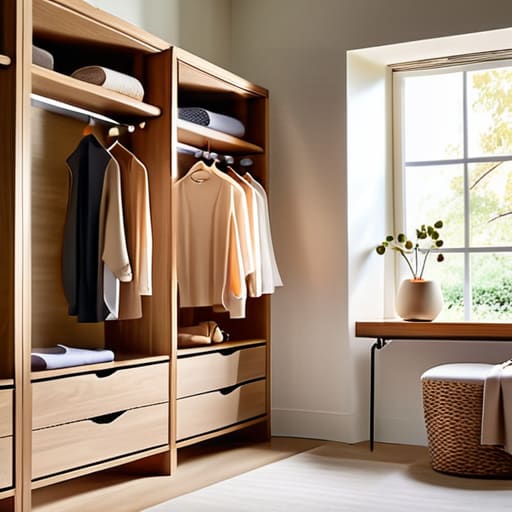
Have you ever stood in front of your wardrobe at 7:00 AM, staring at a mountain of fabric that feels more like a chaotic debt spreadsheet than a collection of clothes? We’ve all been there—frantically digging through a pile of “maybe” items just to find that one reliable blazer, feeling like our morning productivity is being completely liquidated by sheer clutter. Most people think learning how to organize a closet requires a massive investment in expensive, aesthetic acrylic bins that look great on Instagram but fail the utility test within a week. Honestly, that’s just bad capital allocation.
I’m not here to sell you on a lifestyle overhaul that requires a second mortgage; I’m here to teach you how to treat your wardrobe like a high-performing kitchen pantry. In this guide, I’m stripping away the fluff to give you a streamlined, budget-friendly blueprint for reclaiming your space. We are going to apply some serious financial discipline to your hanging rods, ensuring that every item you own serves a purpose and is easy to access. Let’s stop wasting your most valuable asset—time—and start building a closet that actually works for you.
Table of Contents
- Sifting Through the Clutter Essential Closet Decluttering Tips
- Small Closet Organization Ideas for a Perfectly Balanced Space
- The Secret Sauce: 5 Pro-Tips for a High-Yield Wardrobe
- The Recipe for a Closet That Actually Works
- The Bottom Line of Your Wardrobe
- Serving Up Your New Wardrobe
- Frequently Asked Questions
Sifting Through the Clutter Essential Closet Decluttering Tips
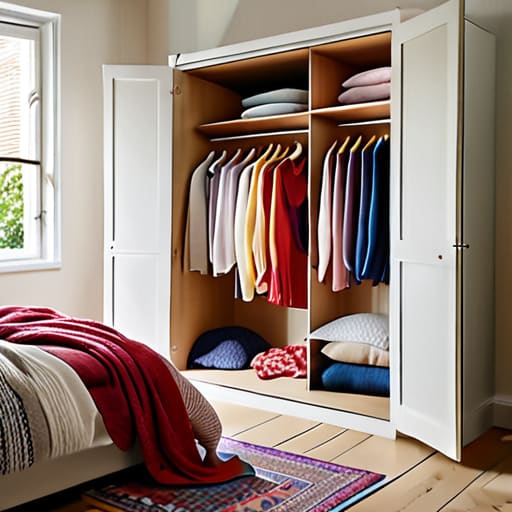
Before you can start arranging your wardrobe like a high-end pantry, you have to face the messy reality of your current inventory. Think of this stage like auditing a bank statement; you can’t balance the books if you don’t know exactly where every cent—or in this case, every sweater—is going. I like to start by pulling everything out. It sounds chaotic, but you need to see the full scale of your “expenditure” to make informed decisions.
As you sift through the piles, ask yourself: “Does this item still provide a high return on investment for my daily life?” If you haven’t worn that neon blazer since 2018, it’s a bad asset. Use these closet decluttering tips to ruthlessly prune the excess. Group items into three piles: Keep, Donate, and Toss. This is your chance to implement a seasonal clothing rotation, moving those heavy wool coats to storage so they don’t take up prime real estate during the summer months. By clearing out the “bad debt” of your wardrobe, you’re finally making room for the pieces that actually add value to your life.
Small Closet Organization Ideas for a Perfectly Balanced Space
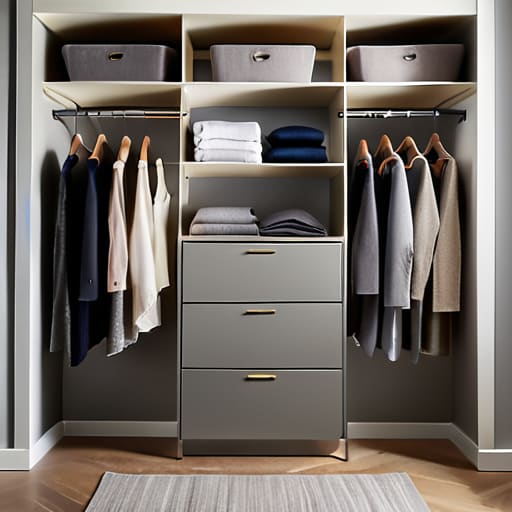
When you’re working with a tight footprint, you have to treat your closet like a high-end food truck kitchen: every square inch has to earn its keep. You can’t afford “dead stock” taking up valuable real estate. To get the most out of a cramped area, I’m a huge advocate for maximizing closet space through verticality. Instead of just relying on a single rod, look into tiered hangers or slim velvet versions to reduce bulk. Think of it like layering flavors in a sauce; you want depth and richness without the clutter.
If you’re still feeling squeezed, it’s time to invest in some smart clothing storage solutions like over-the-door organizers or specialized bins. I love using clear containers for accessories so I can see my “inventory” at a glance, much like a well-stocked pantry. Another pro tip? Implement a strict seasonal clothing rotation. By tucking away your heavy winter coats in vacuum-sealed bags during the summer, you free up breathing room for your daily essentials. It’s all about maintaining that perfect balance between what you need now and what’s just waiting in the wings.
The Secret Sauce: 5 Pro-Tips for a High-Yield Wardrobe
- Invest in uniform hangers to avoid visual “inflation.” Just like how a consistent mise en place keeps a kitchen running smoothly, using the same style of hangers reduces visual noise and makes your closet feel like a high-end boutique rather than a clearance rack.
- Implement a “First In, Last Out” inventory system. Think of your closet like a pantry; you don’t want your seasonal staples buried under a mountain of last year’s trends. Rotate your pieces so your most “liquid” assets—the clothes you actually wear—are always front and center.
- Use vertical space to maximize your ROI. If you have high ceilings, use those upper shelves for items you only pull out once a year, like heavy winter coats or formal wear. It’s all about optimizing your square footage to get the most value out of every inch.
- Categorize by color and type to prevent “decision fatigue.” When your clothes are organized in a logical gradient, you aren’t wasting mental capital every morning trying to find that one specific navy blazer. It’s the difference between a chaotic kitchen scramble and a streamlined service.
- Audit your wardrobe like a quarterly earnings report. Every six months, sit down and look at what’s actually performing. If a piece hasn’t “turned a profit” in terms of joy or utility, it’s time to divest and make room for new investments.
The Recipe for a Closet That Actually Works
Treat your wardrobe like a high-end pantry: if you haven’t “used” an item in a year, it’s like an expired spice—toss it out to make room for the ingredients that actually add flavor to your life.
Invest in high-quality “kitchen tools” for your closet, such as uniform hangers and clear bins, because much like a well-organized workstation, a streamlined setup prevents the mental fatigue of a morning scramble.
Maintain your space with regular “kitchen audits” rather than one massive overhaul; small, consistent adjustments are much easier to digest than trying to fix your entire financial—or fashion—life in a single day.
The Bottom Line of Your Wardrobe
“Think of your closet like a high-stakes investment portfolio: if you keep pouring resources into clutter that yields zero joy, you’ll never have the capital to invest in the pieces that actually make you feel like a million bucks.”
Madeline Thompson
Serving Up Your New Wardrobe
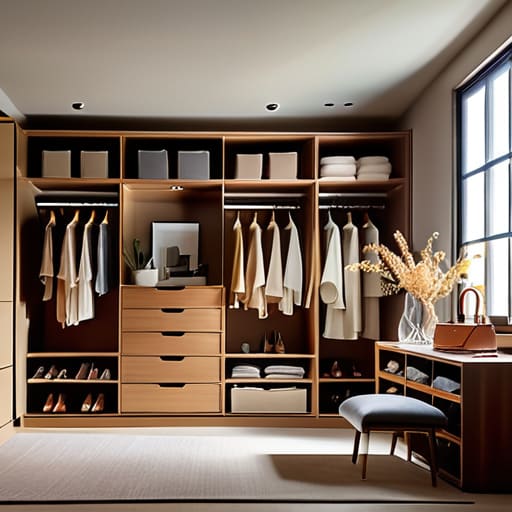
At the end of the day, organizing your closet is a lot like balancing a complex recipe; it requires the right ingredients, a bit of prep work, and a whole lot of discipline. We’ve gone through the heavy lifting of decluttering the excess and implemented those smart, space-saving hacks to make sure every inch of your closet is working as hard as a line cook during the dinner rush. By treating your wardrobe with the same strategic precision you’d use to manage a high-stakes budget, you’ve transformed a chaotic pile of fabric into a streamlined, functional system. Remember, the goal isn’t just to have a tidy space, but to ensure that your daily routine runs like a well-oiled machine, saving you both time and mental energy every single morning.
As you step out into your day, I want you to view your newly organized closet as more than just a storage solution—it’s a reflection of the intentional life you are building. Just as I learned on Wall Street that small, consistent investments lead to massive long-term gains, these small organizational wins compound to create a sense of clarity and confidence. You are now better equipped to curate your image and your life with purpose. So, go out there and own your day with the same boldness and flair as a signature dish!
Frequently Asked Questions
How do I decide which items are "expired" or no longer serve me without feeling guilty about the money I spent on them?
Think of it like a pantry audit: just because you paid top dollar for that expensive truffle oil doesn’t mean you should keep it if it’s gone rancid. That money is a “sunk cost”—it’s already spent. Holding onto clothes that don’t fit or suit you is like keeping spoiled milk in the fridge; it just takes up valuable real estate. Let go of the expense and reinvest that mental energy into pieces that actually serve your current life.
Are there any budget-friendly organizational tools that actually work, or am I going to have to invest a fortune in fancy custom shelving?
Listen, I promise you don’t need a Wall Street budget to get a designer look. Think of it like cooking: you don’t need a $500 copper pan to make a killer risotto; you just need the right technique. Skip the custom built-ins and grab some clear bins from a discount store or even repurpose sturdy shoeboxes as drawer dividers. It’s all about smart resource allocation—investing in quality hangers while saving on the “flavorful” little organizers!
How can I maintain this organized system so my closet doesn't turn back into a disorganized pantry of clothes within a week?
Think of maintaining your closet like keeping a high-end kitchen: it’s all about the “clean as you go” method. If you let the dishes pile up, you’re in trouble. Apply that same logic here. When you finish an outfit, return it to its designated “station” immediately. Also, implement a “one-in, one-out” rule—every time you buy a new ingredient for your wardrobe, something else has to leave the pantry. Stay disciplined!