I used to think that creating a sanctuary required a massive capital injection—the kind of high-end, designer-label splurge that would make even my old Wall Street colleagues blush. I’d see these influencers posting about “aesthetic” living rooms filled with expensive, sterile furniture, and I’d think, that’s not comfort, that’s just a showroom. But here’s the truth: you don’t need a massive budget to figure out how to make your home cozy. In fact, trying to buy “coziness” is like trying to buy a Michelin star without ever stepping into a kitchen; you can have all the expensive equipment in the world, but if you don’t understand the soul of the ingredients, you’re just left with an empty, expensive shell.
In this guide, I’m stripping away the overpriced fluff and giving you the real, bottom-line strategy for building warmth. We aren’t going to chase fleeting trends that drain your savings account; instead, we’re going to focus on layering textures and scents much like you’d balance acidity and fat in a reduction sauce. I promise to show you how to curate a space that feels deeply nourishing and personal, ensuring your home provides a high return on investment for your mental well-being.
Table of Contents
Mastering Warm Lighting for Living Rooms
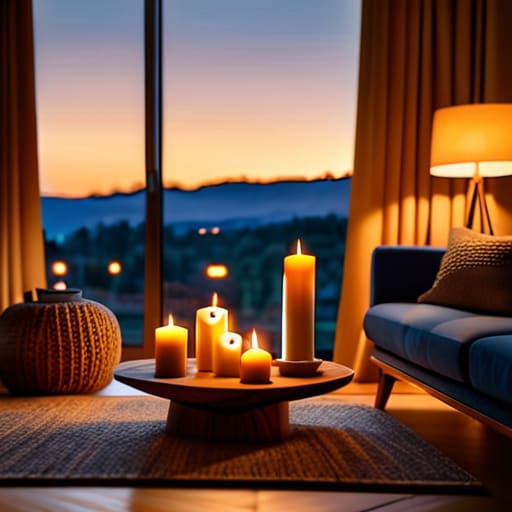
If your living room feels a bit “cold,” don’t immediately reach for your credit card to buy a new sofa. Think of your lighting like the seasoning in a delicate sauce; if you rely solely on one harsh ingredient—like that aggressive overhead light—the whole dish falls flat. To truly master warm lighting for living rooms, you need to diversify your “flavor profile” by layering different light sources. I always tell my team that a single bright bulb is like a high-interest loan: it provides immediate visibility, but it leaves you feeling drained in the long run.
Instead, aim for a mix of floor lamps, table lamps, and even some dimmable sconces to create depth. I love using bulbs with a lower Kelvin rating to mimic the soft, golden glow of a sunset. This approach is a cornerstone of creating a sanctuary at home, turning a sterile space into something that feels emotionally rich. When you layer these soft glows, you aren’t just illuminating a room; you’re investing in a sensory experience that pays dividends in relaxation every single evening.
Textile Layering Techniques for Rich Textures
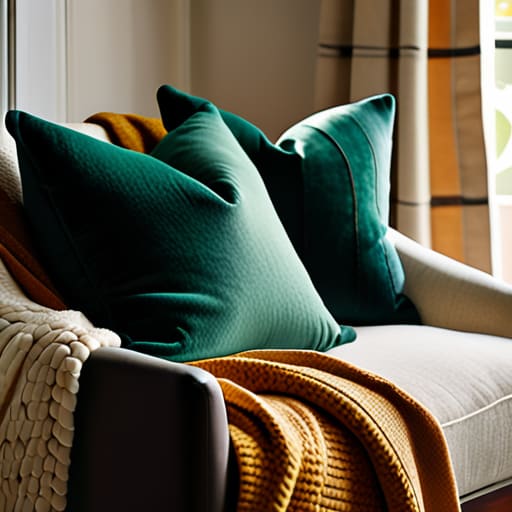
If lighting is the seasoning that sets the mood, then textiles are the hearty, protein-rich base of your home’s flavor profile. To truly master textile layering techniques, you have to think like a chef building a complex sauce. You wouldn’t just throw a splash of cream into a pan and call it a day; you layer flavors to create depth. In your living room, this means moving beyond a single, flat sofa cushion. Instead, mix a heavy velvet pillow with a lighter linen one, or drape a chunky knit throw over a sleek cotton armchair. This creates a tactile richness that makes the space feel expensive and intentional, rather than just cluttered.
Don’t view these additions as unnecessary expenses, but rather as high-yield investments in your daily well-being. When you focus on varying the weights and weaves of your fabrics, you are essentially creating a sanctuary at home that appeals to more than just the eyes. It’s about the sensory experience—the way a soft faux-fur rug feels underfoot after a long workday. Much like diversifying a stock portfolio to mitigate risk, layering different textures ensures your space feels balanced and resilient against the cold, sterile feeling of a minimalist aesthetic.
The Secret Ingredients: 5 Ways to Season Your Space for Maximum Comfort
- Curate a Sensory Menu: Just like a great meal hits every taste bud, a cozy home needs a full sensory profile. Don’t just stop at the visual; light a cedarwood candle or simmer some cinnamon on the stove to add that “aromatic layer” that makes a room feel lived-in and loved.
- Invest in High-Yield Greenery: Think of indoor plants as the compound interest of interior design. They require a little upfront effort and consistent “deposits” of water, but the long-term payoff in air quality and visual vibrancy is an absolute winner for your mental wellness.
- Declutter to Balance Your Books: You can’t cook a gourmet meal in a kitchen overflowing with junk, and you can’t relax in a room full of visual noise. Treat your surfaces like a lean budget—trim the excess clutter so your most meaningful pieces have the room they need to shine.
- Create a Dedicated “Nook” Fund: In finance, we talk about diversifying your assets; in home design, you should diversify your relaxation zones. Carve out a specific corner—even if it’s just a single armchair—and treat it as your personal “low-risk” zone where the only goal is complete stillness.
- The Scent of Stability: Consistency is key in both a balanced portfolio and a cozy home. Find a signature scent or a specific way you arrange your pillows that signals to your brain, “The workday is over, and we are officially in the safe zone.”
The Recipe for a High-Yield Home Atmosphere
Treat your lighting like a diversified portfolio; avoid the “single-stock” risk of one harsh overhead light by spreading warmth through various lamps and dimmers to create a balanced, stable glow.
Think of textiles as your home’s liquid assets—layering different textures like velvet and wool adds immediate depth and “interest” to your space without requiring a massive capital injection.
Prioritize “quality over quantity” when selecting decor, much like choosing premium ingredients; a few well-curated, soulful pieces will always yield a better return on comfort than a room filled with cheap, cluttered filler.
## The ROI of Atmosphere
“Think of coziness as the ultimate long-term investment; you aren’t just buying a soft throw blanket or a dimmable lamp, you’re diversifying your emotional assets to ensure your home provides a high yield of peace and comfort every single day.”
Madeline Thompson
The Final Recipe for a Cozy Home
At the end of the day, curating a cozy home is a lot like balancing a complex recipe; it’s about the synergy of all your ingredients working together. We’ve looked at how the right lighting can act as the perfect seasoning to set the mood, and how layering textiles provides that rich, textural depth that makes a room feel substantial rather than superficial. Just as you wouldn’t serve a gourmet meal without checking the seasoning one last time, take a moment to walk through your space and see where the “flavors” might be missing. Whether it’s a soft throw or a warm lamp, every small adjustment is an investment in your daily well-being that pays dividends in comfort.
Remember, building a sanctuary doesn’t require a massive capital injection or a total renovation. It’s about making intentional, small-scale decisions that yield a high return on happiness. Think of your home as your most important personal asset—it’s the place where you recharge your mental and emotional reserves. Don’t feel pressured to achieve perfection overnight; instead, focus on gradual, meaningful improvements that reflect who you are. Just like mastering a difficult culinary technique or a complex financial portfolio, the real magic happens in the consistency of the process. Now, go grab a blanket, dim the lights, and start savoring the comfort you’ve built.
Frequently Asked Questions
How can I achieve that high-end, cozy aesthetic without blowing my entire monthly budget on designer decor?
Think of it like making a gourmet reduction: you don’t need the most expensive ingredients to get a concentrated, high-end flavor; you just need to know where to invest your capital. Instead of buying a full designer set, allocate your “decor budget” toward a few high-impact “anchor pieces”—like a heavy velvet pillow or a sculptural vase. For everything else, shop the thrift markets. It’s all about strategic sourcing to create a rich, layered look without the luxury markup.
Are there specific ways to layer textiles that won't make my small living space feel cluttered or visually "expensive" in a bad way?
Think of layering like balancing flavors in a delicate sauce; you want depth without overpowering the palate. In a small space, avoid “heavy” fabrics like thick velvet everywhere. Instead, mix textures—try a chunky knit throw over a smooth linen sofa. Stick to a cohesive color palette to prevent visual noise. It’s about high-quality accents, not high volume. By choosing a few intentional, tactile pieces, you get that “rich” feeling without the clutter.
Can you suggest some lighting hacks that provide warmth without the high electricity costs of running multiple lamps all night?
Think of your electricity bill like an ingredient list—you want maximum flavor without blowing your budget. Instead of running five different lamps, swap your old bulbs for warm-toned LEDs. They’re the “low-sodium” version of lighting: all the warmth, none of the heavy cost. You can also use smart plugs to schedule dimmers, creating that perfect ambiance on a timer. It’s like prepping your mise en place; you’re working smarter, not harder, to save.