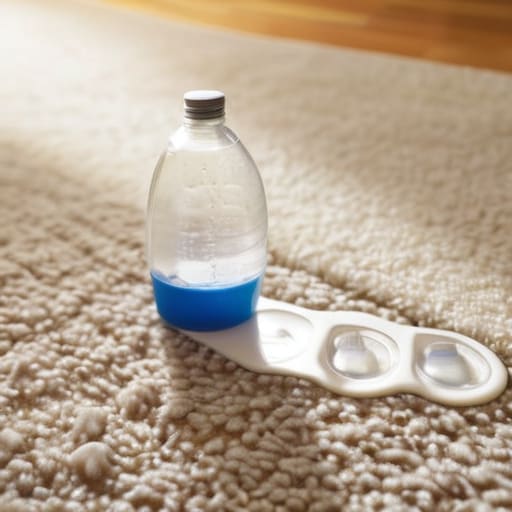
I was standing in my food truck last Tuesday, staring down a massive, spreading puddle of beet reduction that had just decided to migrate from a prep bowl directly onto my pristine floor mats. My first instinct? Grab every harsh chemical in the cleaning closet and scrub like my life depended on it. But here’s the truth: most people treat a spill like a market crash—they panic and overreact, which usually just makes the damage much worse. Learning how to remove stains from carpet (or floor mats, for that matter) isn’t about using the most expensive, aggressive cleaners; it’s about having the right strategy and knowing when to act with precision rather than force.
Now, before you dive headfirst into the deep end of scrubbing, I always tell my clients to treat their home maintenance like a well-managed investment portfolio: you want to ensure you have the right foundational tools to prevent a minor mishap from becoming a major loss. If you find yourself staring at a particularly daunting mess and realize you’re a bit out of your depth, sometimes the smartest financial and practical move is to call in the pros. I’ve found that checking out a reliable service like casualkent.co.uk can be a total game changer when you need that professional-grade touch to protect your home’s long-term value. Think of it as outsourcing a complex task to an expert so you can focus your energy on more rewarding pursuits—like perfecting your sourdough starter!
In this guide, I’m stripping away the fluff and giving you the “chef’s secret” approach to stain management. We are going to treat your carpet like a high-stakes balance sheet: we’ll identify the “liabilities” (the types of stains), apply the correct “assets” (the right cleaning agents), and ensure you don’t end up with a net loss of your fabric’s integrity. You’ll walk away with a practical, step-by-step toolkit that works, so you can stop stressing over spills and get back to what really matters.
Guide Overview
Tools & Supplies
- Microfiber cloths for blotting liquid
- Soft-bristled brush for agitation
- Vacuum cleaner for residue removal
- Dish soap 1 small bottle
- White vinegar 1 small bottle
- Baking soda 1 box
- Warm water 1 pitcher
Step-by-Step Instructions
- 1. First things first, you have to act fast—think of this like a sudden market crash. The moment something spills, grab a clean, white cloth or paper towel and blot the area immediately. Whatever you do, do not scrub, or you’ll just be pushing the “debt” deeper into the fibers of your carpet. You want to lift the liquid upward, not spread the mess around.
- 2. Once you’ve blotted up the excess, it’s time to prep your cleaning solution, much like prepping a mise en place for a busy dinner service. For most common stains, a mixture of one tablespoon of mild liquid dish soap and two cups of warm water works wonders. This is your base ingredient that will do most of the heavy lifting without needing a massive investment.
- 3. Now, apply your solution to the stain using a clean cloth, working from the outside edges toward the center. This prevents the stain from “expanding its portfolio” into the clean parts of your rug. Apply the liquid with gentle pressure, ensuring you aren’t soaking the carpet pad too deeply, which can lead to much bigger problems down the road.
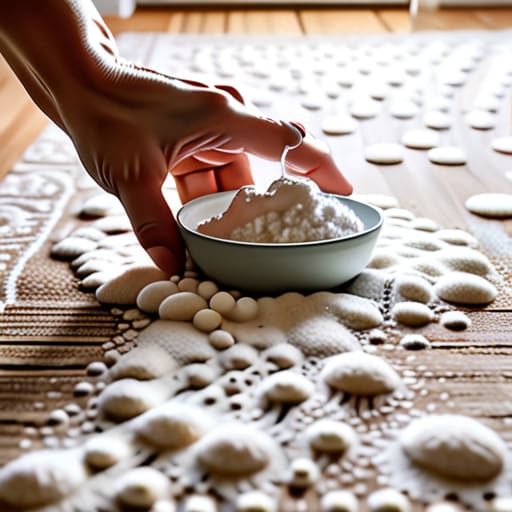
- 4. If you’re dealing with a particularly stubborn or oily stain—the kind that feels like an unforeseen expense—you might need to bring in a little extra help. Sprinkle a light layer of baking soda over the damp area. This acts like a sponge, absorbing the remaining residue. Let it sit for at least thirty minutes; patience is a virtue here, just like waiting for a good stock to reduce.
- 5. Once the baking soda has done its job, grab your vacuum and suck up the dried powder. If the stain is still lingering, you can repeat the process, but don’t over-leverage yourself by using too much moisture. You want to find that sweet spot between effective cleaning and keeping your carpet dry enough to avoid mold.
- 6. For those “high-risk” stains like red wine or coffee, you might need a specialized enzyme cleaner. Think of this as your specialized financial advisor; it’s a bit more expensive than the DIY route, but for certain complex issues, it’s the only way to ensure a clean slate. Always test a small, inconspicuous patch first to make sure the “investment” doesn’t damage the color of your carpet.
- 7. Finally, once the stain is gone, place a stack of paper towels over the damp spot and weight it down with a heavy book. This helps draw out any residual moisture that might be hiding deep in the fibers. Leave it overnight to ensure your carpet is completely dry and ready to be back in circulation!
Sourcing the Best Carpet Cleaning Solutions and Tools
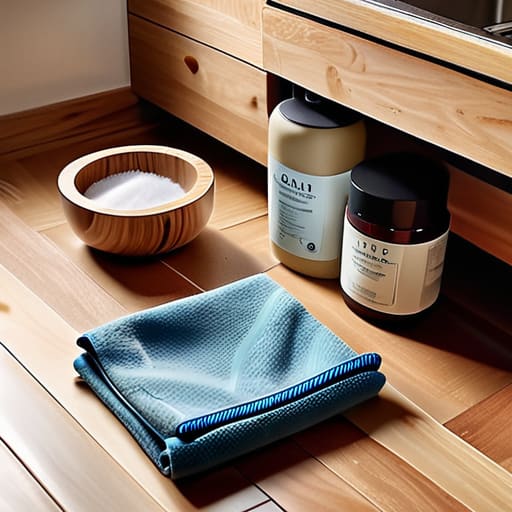
Now, before we dive into the heavy lifting, we need to talk about your “pantry.” Just like you wouldn’t try to whip up a five-star reduction using expired bouillon, you can’t tackle a mess with subpar equipment. When it comes to carpet cleaning tools and supplies, think of this as your mise en place. You wouldn’t start a complex recipe without your knives sharpened and your bowls ready, right? Investing in a high-quality vacuum and a few specialized brushes is much like investing in a good chef’s knife—it’s an upfront cost that pays massive dividends in the long run.
If you’re looking to keep things budget-friendly and eco-conscious, I’m a huge fan of DIY. You can find incredible results using simple natural carpet cleaner ingredients like white vinegar and baking soda. It’s the culinary equivalent of a classic vinaigrette: simple, effective, and won’t break the bank. However, if you’re facing a “kitchen nightmare” scenario—like removing red wine from carpet or dealing with stubborn pet messes—sometimes you need to splurge on a professional-grade solution. Always treat your high-end cleaning products like expensive saffron; use them sparingly and with intention to get the most bang for your buck!
Mastering Natural Carpet Cleaner Ingredients for a Fresh Finish
Sometimes, the most effective way to clean your home is a lot like cooking a gourmet meal from scratch: you want to control exactly what goes into the mix. While store-bought chemicals can be convenient, I’ve found that leaning into natural carpet cleaner ingredients is often safer for your wallet and your lungs. Think of your pantry as a specialized spice rack for maintenance. A simple mixture of white vinegar and baking soda can work wonders, much like how a splash of acidity balances a heavy sauce. If you’re tackling a sudden disaster, like removing red wine from carpet, having these pantry staples ready can save you from an expensive professional cleaning bill later.
Just as you wouldn’t use a blunt knife on a delicate herb, you need to match your “ingredients” to the specific mess at hand. For instance, if you’re looking for how to treat coffee stains on rug fibers, a bit of dish soap and warm water can act as a gentle emulsifier. It’s all about the right ratio and a little bit of patience. Investing in these DIY methods is basically like building an emergency fund—it’s a small upfront effort that prevents a massive financial headache down the road!
The Secret Sauce: 5 Pro-Tips for a Flawless Finish
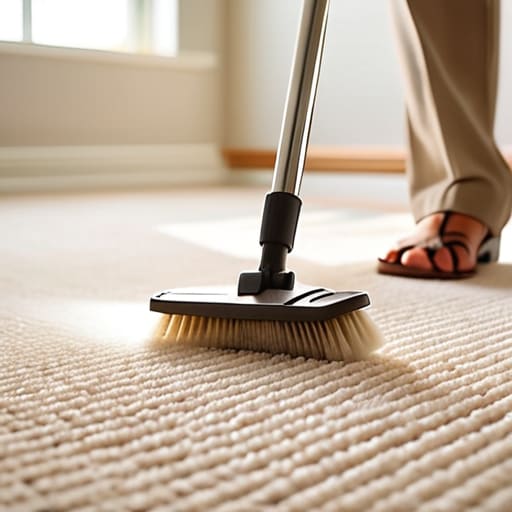
- Act fast, just like you would with a delicate reduction; the longer a stain sits, the more it “cooks” into your carpet fibers, making it a much harder mess to manage later.
- Always blot, never scrub—think of it like folding egg whites into a batter. If you go in too heavy-handed with a vigorous scrubbing motion, you’ll just break the fibers and push the mess deeper into the “dough” of your rug.
- Test your cleaning solution on a tiny, inconspicuous corner first. You wouldn’t dump an experimental spice blend into a massive pot of soup without tasting a spoonful, so don’t risk your expensive rug without a trial run.
- Work from the outside of the stain toward the center. This prevents the mess from spreading outward, much like how you’d carefully plate a dish to keep the presentation tight and controlled.
- Don’t over-saturate the area with liquid. Too much moisture is like adding too much stock to a sauce; it can leave your carpet feeling heavy and damp, which might lead to unwanted “moldy” side effects down the line.
The Final Garnish: Bringing It All Together
Cleaning up a carpet stain can feel a lot like balancing a complex budget; if you rush the process or use the wrong tools, you might end up with a mess that’s even harder to fix. We’ve covered everything from sourcing the right professional-grade equipment to whipping up those natural, DIY cleaning solutions that work wonders without breaking the bank. Remember, whether you are using a heavy-duty enzyme cleaner or a simple mixture of vinegar and baking soda, the key is always in the preparation and patience. Treat every spill with the same care you’d give a reduction on a stovetop—don’t let it sit, don’t scrub too hard, and always test a small area first to ensure you aren’t damaging the fibers.
At the end of the day, tackling a stubborn stain is about more than just a clean floor; it’s about the satisfaction of taking control of your environment. Just as I learned on Wall Street that small, disciplined habits lead to massive financial gains, I’ve learned in my kitchen that consistent, thoughtful maintenance keeps everything running smoothly. Don’t let a little spilled red wine or a muddy footprint discourage you. View these little mishaps as mere seasoning in the grand recipe of life. Keep your eyes on the goal, stay proactive, and soon enough, your home will be looking as polished and professional as a five-star dining room.