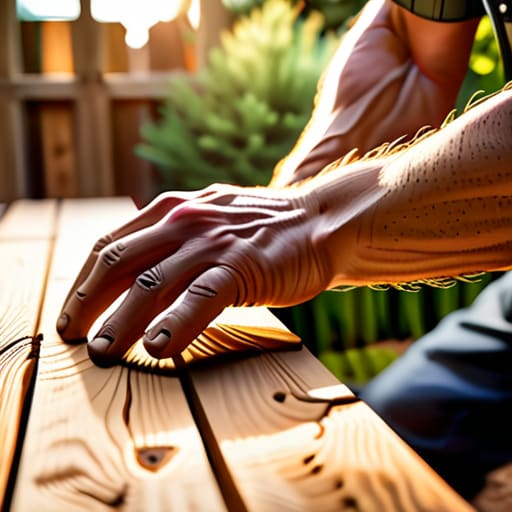
Have you ever looked at a stack of weathered wooden pallets and seen nothing but clutter, or are you like me—seeing a massive opportunity for a high-yield investment? In my years on Wall Street, I learned that the best returns often come from looking at undervalued assets, and in the world of home decor, pallets are the ultimate undervalued commodity. Instead of blowing your entire quarterly budget on overpriced boutique furniture, you can master a few simple DIY techniques to transform these raw materials into something stunning. Exploring creative pallet project ideas isn’t just about crafting; it’s about practicing the art of smart resource allocation to elevate your living space without breaking the bank.
In this post, I’m going to walk you through five specific projects that offer the highest “aesthetic ROI” for your home. We aren’t just talking about basic garden planters; I’m sharing curated concepts that will turn those scraps into functional pieces of art. By the end of this list, you’ll have a clear blueprint for turning “trash” into treasure, proving that with the right recipe, you can achieve a luxury look on a shoestring budget.
Table of Contents
- The Vertical Herb Garden: High Yield, Low Overhead
- The Rustic Beverage Station: Serving Up Style
- The Entryway Organizer: Managing Your Daily Flow
- The Outdoor Lounge Seating: Comfort with Capital Gains
- The Statement Wall Art: Decorating with Intent
- The Bottom Line: Making Your Pallet ROI Count
- The ROI of Upcycling
- Investing in Your Home’s Potential
- Frequently Asked Questions
The Vertical Herb Garden: High Yield, Low Overhead
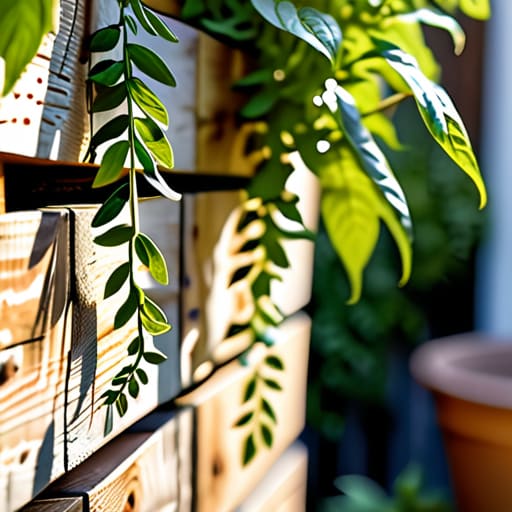
If you’ve ever managed a kitchen, you know that having fresh herbs on hand is the difference between a mediocre sauce and a culinary masterpiece. Think of a vertical pallet garden as your personal high-yield investment portfolio. Instead of letting your backyard real estate go to waste, you’re utilizing vertical space to grow basil, mint, and rosemary. It’s the ultimate way to maximize your returns without needing a massive capital outlay for a professional greenhouse setup.
The Rustic Beverage Station: Serving Up Style
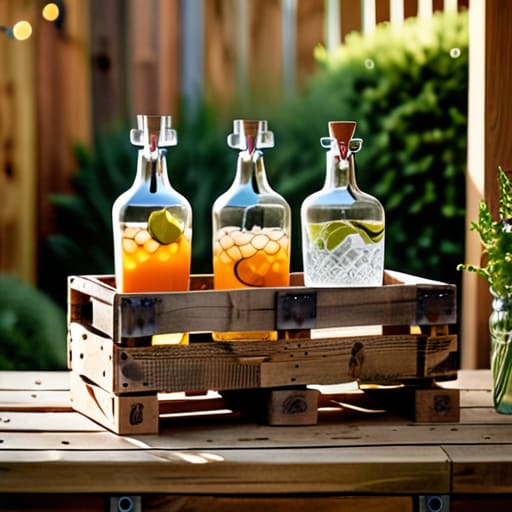
We’ve all been there—hosting a little get-together and realizing the countertop is a cluttered mess of bottles and coasters. Creating a beverage station out of a reclaimed pallet is like optimizing your workflow in a busy restaurant. It keeps your “inventory” organized and accessible, allowing you to host with the grace of a seasoned pro while keeping your decor looking intentional rather than accidental.
The Entryway Organizer: Managing Your Daily Flow
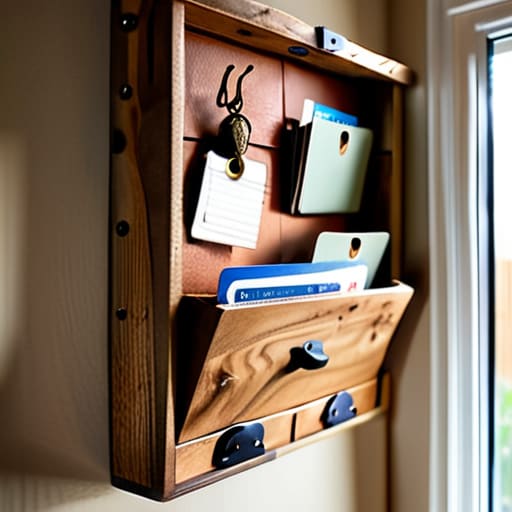
In the financial world, if you don’t track your cash flow, you’re going to run into trouble fast. The same logic applies to your entryway; if your keys, mail, and bags are scattered everywhere, your daily “operational efficiency” takes a massive hit. A pallet-based wall organizer acts as your personal command center, helping you categorize your essentials so you aren’t frantically searching for your wallet when you’re already five minutes late.
The Outdoor Lounge Seating: Comfort with Capital Gains
Let’s talk about luxury on a budget. When I was working on Wall Street, I saw people spend fortunes on designer patio furniture, but I’ve learned that true value comes from smart resourcefulness. By stacking and securing pallets, you can create custom lounge seating that looks incredibly high-end. It’s all about the “pivot”—taking a low-value raw material and applying a bit of design thinking to turn it into a high-value asset.
The Statement Wall Art: Decorating with Intent
Sometimes, the best way to upgrade your environment isn’t by buying something new, but by repurposing what’s already there. Using pallet wood to create textured wall art is much like compound interest; small, incremental additions of beauty and character build up over time to create something substantial. You can strip the slats, stain them in varying shades, and arrange them in a geometric pattern to create a focal point that screams sophistication.
The Bottom Line: Making Your Pallet ROI Count
Treat your DIY projects like a smart investment; by repurposing pallets, you’re essentially lowering your “cost of goods” for home decor while significantly increasing your home’s aesthetic value.
Don’t skip the prep work—just like you wouldn’t throw unwashed vegetables into a reduction, don’t rush the sanding and sealing process, or you’ll end up with a low-quality finished product.
Start small to manage your risk; you don’t need to renovate your entire backyard at once, so pick one high-impact project to master your technique before scaling up your DIY portfolio.
The ROI of Upcycling
“Think of a pallet project like a high-yield investment: you’re taking a low-cost, raw asset and, with just the right amount of technique and seasoning, turning it into something with massive aesthetic dividends for your home.”
Madeline Thompson
Investing in Your Home’s Potential
At the end of the day, whether you’re building a vertical herb garden for your kitchen or constructing a rustic coffee table, these pallet projects are all about maximizing your resources. Just like I used to look at a balance sheet to find hidden value, these DIY ideas allow you to take something essentially free and turn it into a high-value asset for your living space. By choosing to repurpose instead of buying brand new, you aren’t just saving a few bucks; you are practicing the art of smart resource allocation. From functional storage to aesthetic statement pieces, each project serves as a way to build equity in your home environment without breaking your budget.
I want you to remember that starting a new project—much like starting a new investment portfolio or a new recipe—can feel a little intimidating at first. You might worry about the “ingredients” not coming together quite right, but the real magic happens in the execution. Don’t be afraid to get your hands a little dirty and experiment with different finishes or layouts. Think of this as your personal return on investment for your creativity and your wallet. Once you see the finished product sitting in your living room, you’ll realize that the most rewarding things in life are often the ones we have the courage to build ourselves.
Frequently Asked Questions
How do I make sure these pallets are safe to use and won't leach nasty chemicals into my home or garden?
Think of checking your pallets like inspecting the quality of your ingredients before you start cooking—you wouldn’t use spoiled produce, so don’t use “spoiled” wood! Look for the IPPC stamp; you want “HT” (Heat Treated), which is the gold standard. Avoid anything marked “MB” (Methyl Bromide), as that’s a nasty chemical pesticide. If the wood smells funky or looks oily, leave it on the shelf. Safety first, always!
What’s the best way to prep and sand the wood so I don't end up with a DIY project that's more splinter than style?
Think of prepping your wood like prepping a delicate risotto—if you rush the base, the whole dish falls apart. You can’t skim over the prep work! Start by clearing any debris, then move from coarse to fine sandpaper. It’s just like diversifying a portfolio: you start with the heavy hitters to build the foundation, then refine the details for that polished, high-end finish. Don’t skip the fine grit, or your “investment” will literally bite back!
If I'm on a tight budget, are there specific affordable finishes or paints that will give these projects a high-end look without breaking the bank?
Think of your budget like a pantry staple: you don’t need the most expensive truffle oil to make a dish sing. To get that high-end look without the Wall Street price tag, skip the designer paints and head to the hardware store for matte or satin milk paints—they give a sophisticated, velvety finish. Even a cheap wood stain, when applied thinly and evenly, can mimic expensive reclaimed timber. It’s all about the technique, not the cost!