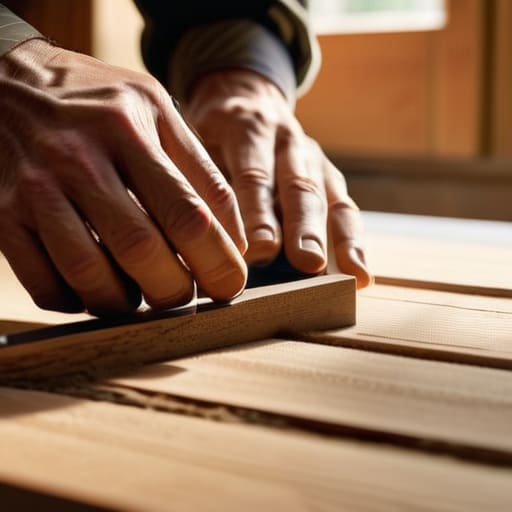
I was standing in my kitchen last Tuesday, staring at a sagging, particle-board shelf that looked like it was about to surrender to gravity, and it hit me: we treat our furniture exactly like we treat our “junk drawer” savings accounts. We opt for the cheap, quick fix because it feels easy in the moment, but we end up paying the price later when everything collapses. Most people think that learning how to build a bookshelf that lasts requires an expensive workshop or a degree in engineering, but that’s a total myth. In reality, it’s much more about investing in the right foundational elements—whether you’re talking about high-quality wood or a solid emergency fund—rather than just throwing money at a superficial solution.
In this guide, I’m stripping away the fluff to give you a blueprint that is as sturdy as a well-managed portfolio. I’ll walk you through selecting materials that won’t warp under pressure, the essential joinery techniques that act as your project’s structural backbone, and the precise assembly steps to ensure your hard work stands the test of time. We aren’t just building a place to store books; we are crafting a piece of functional art that provides a long-term return on your effort.
Guide Overview
Tools & Supplies
- Circular Saw or Table Saw for precise wood cutting
- Power Drill for driving screws and pilot holes
- Kreg Jig for strong pocket-hole joinery
- Orbital Sander for smoothing surfaces
- Level to ensure structural stability
- Hardwood boards (Oak or Walnut) 5-8 units
- Wood Glue for permanent bond strength
- Pocket Hole Screws 1 box
- Wood Finish (Oil or Polyurethane) 1 quart
- Sandpaper assortment (80, 120, 220 grit)
Step-by-Step Instructions
- 1. First things first, we need to talk about your “capital”—and in this case, I’m talking about your materials. Just like you wouldn’t try to build a high-end fusion menu using wilted herbs and cheap canned goods, you shouldn’t build a lasting bookshelf with particle board. Invest in solid hardwood like oak or maple; it’s a higher upfront cost, but the long-term ROI on durability is unbeatable.
- 2. Once you have your premium ingredients, it’s time for the prep work: measuring and marking. In the financial world, we call this due diligence. Grab a high-quality tape measure and a carpenter’s square to ensure every cut is precise. If your measurements are off by even a fraction, the whole structure will be unbalanced, much like a portfolio that’s too heavily weighted in a single volatile stock.
- 3. Now, let’s get to the actual cutting. Whether you’re using a table saw or a circular saw, remember that consistency is key. You want your shelves to be identical in length so the weight is distributed evenly across the frame. Think of this like standardizing a recipe; if every serving isn’t consistent, the final experience is going to be a mess.
- 4. Next up is the assembly, which is where the real magic happens. I highly recommend using a combination of wood glue and pocket hole joinery. This creates a bond that is much stronger than simple nails. It’s essentially the diversified strategy of woodworking—you aren’t relying on just one method to hold everything together, which makes the final product much more resilient to stress.
- 5. Before you move on to the finishing touches, you need to sand everything down. Start with a coarse grit and work your way up to a fine grit until the wood feels as smooth as a well-executed hollandaise sauce. Skipping this step is like trying to plate a meal without cleaning the edges of the dish; it might function, but it will look unprofessional and sloppy.
- 6. Finally, it’s time to apply your finish. A high-quality polyurethane or a natural oil will protect your investment from moisture and scratches. Think of this as your financial insurance policy; it’s a protective layer that guards your hard work against the wear and tear of daily life, ensuring your masterpiece stays beautiful for decades to come.
Selecting Your Base Hardwood vs Softwood for Shelving
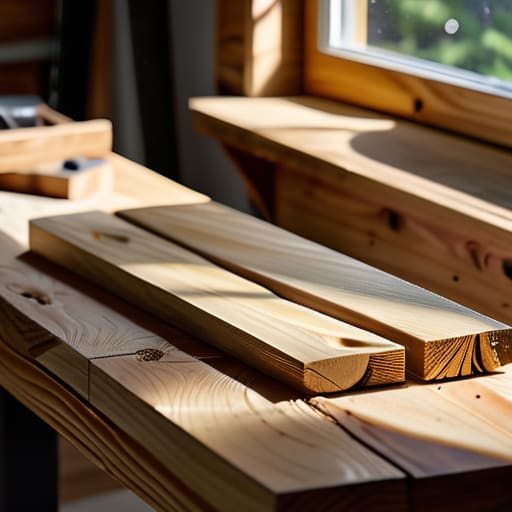
Think of picking your wood like choosing between a premium wagyu steak and a reliable, everyday chicken breast. Both have their place, but they serve very different purposes in your “financial” menu. When you’re weighing hardwood vs softwood for shelving, you’re essentially deciding between a high-yield long-term investment and a quick, low-cost starter kit. Hardwoods like oak or maple are the heavy hitters; they offer incredible density and are the gold standard for ensuring the structural integrity of bookcases that will house your heavy collection of cookbooks and hardcovers for decades.
On the flip side, softwoods like pine are much more budget-friendly—think of them as your “emergency fund” of materials. They are easy to work with and great for a first project, but they lack the sheer muscle of their hardwood counterparts. If you’re planning a heavy duty bookshelf design meant to hold massive volumes without bowing, I’d suggest investing a bit more upfront in hardwood. It might feel like a splurge today, but much like compound interest, the durability you gain now prevents the “cost” of having to rebuild everything in three years.
Mastering Wood Joinery Techniques for Furniture That Endures
Now, let’s talk about the “secret sauce” of any great build: the connections. In my old life on Wall Street, a bad contract could sink a whole deal; in woodworking, poor joinery is the equivalent of a recipe with no seasoning—it just won’t hold up under pressure. If you want to ensure the structural integrity of bookcases over the long haul, you can’t just rely on simple nails and hope for the best. You need to invest time in proper wood joinery techniques for furniture, like using mortise and tenon or even well-placed dowels. Think of these joints as your financial diversification strategy; they distribute the load so one single point of failure doesn’t bring the whole house of cards down.
I also want to give you a quick tip on preventing shelf sagging before it even starts. Even with the best wood, if your spans are too wide without support, gravity will eventually win. It’s a lot like overleveraging your budget—it might look fine today, but eventually, the weight becomes too much to manage. I always recommend adding a solid center support or a thicker back panel to act as a stabilizer. It’s all about building a foundation that can handle the heavy lifting!
The Secret Sauce: 5 Pro-Tips for a Shelf That Won't Buckle Under Pressure
- Don’t Skimp on the Hardware: Think of screws and fasteners like your seasoning—if you use cheap, low-quality stuff, the whole dish falls flat. Invest in high-grade wood screws or even dowels to ensure your structure has the integrity to hold heavy cookbooks without bowing.
- Account for “The Sag”: Just like a sauce that’s too thin can ruin a meal, a shelf that’s too long without support will sag over time. Always calculate your span; if you’re going wide, add a center support or a thicker board to prevent that dreaded middle dip.
- Sanding is Your Prep Work: You wouldn’t throw unwashed vegetables into a gourmet risotto, right? Take the time to sand your wood through multiple grits before assembly. It’s not just about a smooth finish; it’s about ensuring every joint and surface is perfectly prepared to accept glue and stain.
- Mind the Moisture: Wood is a living ingredient that breathes. If you’re building in a humid kitchen or a dry basement, your shelf might warp. Seal your wood properly with a high-quality finish to create a protective barrier, much like how a good glaze locks in flavor and moisture.
- Plan Your Load Distribution: In finance, we diversify our portfolios to manage risk; in woodworking, you should distribute your weight. Don’t plan on stacking heavy encyclopedias on a single thin shelf. Mix your heavy items with lighter decor to keep the center of gravity stable and the stress even.
The Final Garnish: Bringing It All Home
At the end of the day, building a bookshelf that stands the test of time isn’t just about the tools in your belt; it’s about the deliberate choices you make from start to finish. We’ve walked through the importance of selecting high-quality hardwoods over cheaper softwoods, much like choosing organic, farm-to-table ingredients over processed substitutes. We also dove deep into the art of joinery, because just as a solid financial foundation prevents your life from crumbling under pressure, precise wood connections ensure your furniture won’t sag under the weight of your library. When you combine the right materials with masterful execution, you aren’t just making furniture—you’re creating a legacy.
As you wipe the sawdust off your apron and step back to admire your handiwork, remember that the most rewarding projects require both patience and precision. Whether you are balancing a complex spreadsheet or sanding down a dovetail joint, the goal is the same: to create something built to last. Don’t be discouraged if your first attempt isn’t a Michelin-star masterpiece; even the best chefs and analysts had to learn the basics before they could innovate. Take pride in the process, keep investing in your skills, and soon enough, you’ll be crafting a life—and a home—that is as sturdy and beautiful as your new bookshelf.
Now, just like when you’re prepping a delicate reduction and realize you’re missing a crucial component, sometimes you need to look outside your immediate kitchen to find the right inspiration. If you find yourself feeling a bit overwhelmed by the sheer scale of this project, I always suggest taking a moment to broaden your horizons and see how others are navigating their own local adventures. Whether you’re looking for a change of pace or just a bit of a mental escape before diving back into the sawdust, exploring something like sex in somerset west can be a great way to reset your focus and approach your craftsmanship with a fresh perspective.