Posted on

How to Build an Exercise Habit That Sticks

Guide on how to build an exercise habit.

I used to think that building a fitness routine required a massive upfront investment—think expensive boutique gym memberships, high-tech smartwatches, and a wardrobe of designer leggings that cost more than my first car. Honestly, it’s the same way people approach investing; they think they need a million dollars just to get a seat at the table. But here’s the truth: if you’re waiting for the perfect, high-budget moment to start, you’re just burning capital you don’t have. Learning how to build an exercise habit isn’t about the flashy equipment or the intimidating influencers; it’s about the same discipline you use to prep a complex sauce—it’s all about the small, consistent movements that create a lasting result.

In this guide, I’m stripping away the hype and the “all-or-nothing” mentality that usually leads to burnout. I’m going to show you how to approach your movement with the same strategic precision I used on Wall Street and the same patience I use when perfecting a sourdough starter. We aren’t looking for overnight miracles here; we are building a sustainable system that fits into your actual life, without breaking your bank account or your spirit.

Table of Contents

Mastering the Behavioral Psychology of Habit Formation

Mastering the Behavioral Psychology of Habit Formation

Now, if you’ve ever tried to follow a complex soufflé recipe only to have it collapse in the oven, you know that timing and technique are everything. Building a movement practice is no different. To really make it stick, we need to look at the behavioral psychology of habit formation. It isn’t about sheer willpower—which, let’s be honest, is a finite resource that runs out faster than a fresh batch of garlic butter—it’s about understanding the cues that trigger your actions. If you wait until you “feel” like working out, you’re essentially waiting for a market rally in a bear market; it might never happen.

The secret sauce is a technique I call habit stacking for exercise. Think of it like layering flavors in a reduction. You take a habit you already have—like brewing your morning coffee—and immediately anchor a small movement to it, such as five minutes of stretching. By piggybacking on existing neural pathways, you’re essentially automating your discipline. This approach helps in overcoming workout motivation barriers because you aren’t relying on a sudden burst of inspiration; you’re relying on a system that’s already prepped and ready to go.

Setting Realistic Fitness Goals With Culinary Precision

Setting Realistic Fitness Goals With Culinary Precision

When you’re staring at a massive, complex recipe for a Beef Wellington, it’s easy to feel overwhelmed before you even crack an egg. If you try to tackle the whole thing at once without prep, you’re going to end up with a kitchen disaster. Building a fitness routine is exactly the same. Instead of deciding you’re going to run a marathon by next month—which is the physiological equivalent of trying to bake a five-tier wedding cake on your first try—start with setting realistic fitness goals that actually fit into your current lifestyle.

Think of your progress like a slow-simmered reduction sauce; you can’t rush the heat without burning the bottom of the pan. If you aim too high too fast, you’ll likely hit a wall, leading to those frustrating moments of overcoming workout motivation barriers. I’ve learned that true success comes from consistency in fitness routines, not intensity spikes that leave you burnt out. Start with small, manageable “ingredients”—like a fifteen-minute walk or a quick stretch—and once those are mastered, you can start adding more complex movements to the mix.

The Secret Sauce: 5 Pro-Tips for Keeping Your Fitness Momentum Sizzling

  • Prep Your Ingredients the Night Before: Just like I wouldn’t start a complex reduction without my mise en place, don’t start your morning without your workout gear laid out. If your leggings are already by the bed and your sneakers are by the door, you’ve already eliminated the “decision fatigue” that usually leads to hitting snooze.
  • Don’t Overseason Your Routine: In finance, we talk about diversification, and in fitness, it’s the same. If you try to go from zero to a marathon-level training plan overnight, you’re going to burn out—or worse, get injured. Start with small, manageable “flavor profiles” like a 20-minute walk or a light yoga session to build your baseline.
  • Treat Your Workout Like a Non-Negotiable Business Meeting: On Wall Street, if a meeting was on your calendar, you showed up. Period. Stop treating exercise as an “if I have time” luxury and start scheduling it as a fixed expense in your weekly budget. You wouldn’t skip a payment on your mortgage, so don’t skip the appointment you made with yourself.
  • Find Your Signature Flavor: If you hate running, don’t run! Forcing yourself through a workout you loathe is like eating unseasoned boiled chicken every single day—it’s unsustainable. Whether it’s kickboxing, dancing, or heavy lifting, find the activity that actually makes you excited to show up.
  • Audit Your Progress Regularly: Every quarter, I look at my spreadsheets to see where my money is going. You should do the same with your fitness. Every few weeks, take a moment to look back at how much more energy you have or how much stronger you feel. Seeing that “return on investment” is the best motivation to keep the kitchen—and the gym—running smoothly.

The Secret Sauce to Long-Term Consistency

Treat your fitness routine like a slow-simmered reduction; you can’t rush the process, so focus on small, daily increments rather than trying to boil the whole pot at once.

Audit your energy and schedule with the same scrutiny you’d use for a food cost analysis, ensuring your “fitness budget” actually fits into your daily life without causing a deficit.

Don’t wait for a “perfect” recipe to start cooking; perfectionism is the enemy of progress, so embrace the messy, unpolished workouts just as you’d embrace a kitchen mishap on the way to a masterpiece.

The Secret Ingredient to Consistency

Building a workout routine isn’t about a sudden, massive influx of capital or a kitchen overhaul; it’s about the slow simmer. You don’t master a complex reduction in five minutes, and you won’t master a fitness habit overnight. Success is found in those small, daily prep steps that eventually turn a chaotic kitchen into a Michelin-star operation.

Madeline Thompson

The Secret Sauce to Long-Term Success

Consistency: The Secret Sauce to Long-Term Success

At the end of the day, building an exercise habit isn’t about a sudden, massive influx of capital or a grueling marathon session that leaves you burnt out. It’s about the small, consistent investments you make in yourself every single morning. Just like we discussed, mastering the psychology of your triggers and setting goals with the precision of a perfectly balanced vinaigrette ensures you aren’t just chasing a fleeting trend. You’ve learned to manage your energy like a well-allocated budget and set your targets with culinary accuracy; now, it’s simply a matter of showing up to the kitchen every day. Remember, consistency is the most important ingredient in any recipe for success, whether you’re balancing a spreadsheet or hitting the pavement.

I know that starting something new can feel as intimidating as managing your first million-dollar portfolio, but I promise you, the ROI on your health is unparalleled. Don’t get discouraged if a few days don’t go exactly according to plan—even the best chefs have a dish fall flat occasionally. The trick is to adjust your seasoning and keep cooking. Treat your fitness journey as a long-term investment in your most valuable asset: you. You have the tools, the technique, and the recipe for greatness. Now, go out there and make it delicious.

Frequently Asked Questions

I’ve tried setting goals before, but how do I stop myself from "over-seasoning" my routine and burning out by week three?

Think of it like a reduction sauce: if you turn the heat up too high too fast, you’ll scorch the pan and ruin the whole batch. You’re trying to “over-season” your schedule with too many new movements at once. Instead of a five-course marathon, start with a simple, high-quality base. Build your foundation with one or two consistent habits first. Once that flavor profile is stable, then—and only then—can we start adding the spice.

When my schedule gets as chaotic as a dinner rush, what are some low-cost, low-effort ways to keep my momentum without breaking the bank on expensive gym memberships?

When life hits you with a sudden dinner rush, don’t panic and reach for the expensive “emergency” gym membership. Think of it like a pantry staple: you don’t need a full feast to stay nourished. Try bodyweight circuits at home or a brisk power walk during your lunch break. These are your “quick-prep” meals—low cost, zero commute, and high impact. Consistency is the secret sauce; even a ten-minute “micro-workout” keeps your momentum simmering!

How can I tell if I'm actually making progress, or if I'm just spinning my wheels like a blender with nothing in it?

Think of it like checking your profit and loss statements; you can’t just rely on “vibes” to know if your business is scaling. If you’re just spinning your wheels, you aren’t tracking your metrics. Start measuring non-scale victories—like improved stamina or better sleep—alongside the hard data. If you aren’t logging your lifts or your miles, you’re essentially cooking without a recipe. Data is the seasoning that turns guesswork into actual growth.


Posted on

How to Patch Jeans So They Look Better Than New

Guide on how to patch jeans.

I was standing in my kitchen last Tuesday, staring at a gaping hole in my favorite vintage denim, and all I could think about was the sheer waste of capital. Most people will tell you that once a seam blows or a knee goes, it’s time to cut your losses and head to the mall for a replacement, but that is a total financial myth. Learning how to patch jeans isn’t just about a quick fix; it’s about extending the lifecycle of your assets. Think of it like salvaging a slightly scorched sauce—with the right technique and a little patience, you can actually turn a “loss” into something even more character-filled than the original.

In this guide, I’m stripping away the complicated sewing jargon and giving you the straight-up, no-nonsense methods to mend your wardrobe without breaking the bank. We’re going to cover everything from the invisible “surgical” repairs to the bold, decorative patches that turn a flaw into a statement piece. Whether you want your denim to look brand new or you’re aiming for that perfectly distressed, lived-in vibe, I’ll show you exactly how to patch jeans so you can stop spending and start creating.

Table of Contents

Guide Overview

Total Time: 30-60 minutes
Estimated Cost: $5-20

Tools & Supplies

  • Sewing needle or sewing machine for joining fabric
  • Fabric scissors for trimming excess material
  • Thimble to protect fingers during hand sewing
  • Patch fabric (denim or cotton scrap) 1 piece
  • Thread (matching color) 1 spool
  • Pins to hold the patch in place 5-10 pieces

Step-by-Step Instructions

  • 1. First, let’s gather our “ingredients.” Just like prepping a mise en place before you hit the stove, you don’t want to be hunting for a needle halfway through a stitch. You’ll need a sturdy needle, some high-quality thread that matches your denim, and your patch material. If you want that seamless, high-end look, try to find a scrap of fabric that has a similar weight and weave to your jeans so the repair doesn’t feel like a heavy lump on your leg.
  • 2. Next, clean up the “prep station” by trimming any loose, fraying threads around the hole. You don’t want old, ragged edges interfering with your new work, much like how you’d trim the fat off a piece of meat before searing it. Use a pair of sharp fabric scissors to make the area as neat and manageable as possible.
  • 3. Now, it’s time to position your patch. Place your fabric scrap underneath the hole, ensuring it extends at least an inch beyond the damaged area in every direction. Think of this like a financial safety net; you want plenty of coverage to ensure the structural integrity of the denim stays intact even if you’re moving around quite a bit.
  • 4. Grab your needle and start your first few stitches around the perimeter of the patch. I like to use a simple running stitch or a more robust whip stitch to secure the edges. This is the foundation of your repair, so make sure your tension is consistent and even—if you pull too tight, you’ll pucker the fabric, and if it’s too loose, the whole thing will unravel like a poorly managed budget.
  • 5. For those of you looking to go the extra mile, try the “darning” technique for a more invisible finish. Instead of just sewing around the edges, you’ll weave your thread back and forth across the hole, essentially rebuilding the fabric from the ground up. It’s a bit more time-consuming, but the ROI on your effort is massive because the repair becomes incredibly durable.
  • 6. Once you’ve filled in the area and secured the edges, give the patch a gentle tug to make sure everything is locked in place. If you notice any loose loops, go back and reinforce them immediately. You want to ensure this repair is a long-term investment in your wardrobe, not just a quick fix that falls apart after one wash.
  • 7. Finally, let’s talk about the “aftercare.” To keep your hard work from fraying, I recommend washing your jeans inside out in cold water and air drying them whenever possible. High heat in a dryer is like high-interest debt; it might seem easy and convenient in the moment, but it eventually takes a heavy toll on the quality of what you’re trying to preserve.

Sourcing the Finest Denim Fabric Scraps

Sourcing the finest denim fabric scraps.

Now, before we dive into the actual labor, we need to talk about your “ingredients.” Just like I wouldn’t try to whip up a high-end reduction using bottom-shelf broth, you shouldn’t settle for subpar materials when you’re looking for denim fabric scraps. If you’re aiming for a seamless look, hunt for an old pair of jeans in a similar wash. However, if you’re leaning into the trendier side of things, I actually love using contrasting colors to turn a tear into a statement piece. Think of it as adding a bold spice to a mild dish—it changes the whole profile!

If you aren’t feeling particularly crafty, don’t sweat it; you can always grab some iron-on denim patches for a quick fix. But if you want that artisanal, high-value finish, I highly recommend scavenging for vintage scraps. It’s much like diversifying a portfolio; having a variety of textures and weights at your disposal ensures you have the perfect “asset” for any specific tear. Whether you’re repairing a tiny fray or a massive blowout, the quality of your source material is what ultimately determines the longevity of your repair.

Choosing Your Sewing Needle and Thread for Jeans

Choosing Your Sewing Needle and Thread for Jeans.

Now, let’s talk about the tools of the trade. If you were in my kitchen, I’d tell you that using a dull knife is a recipe for disaster, and the same logic applies to your sewing kit. When you’re looking for the right sewing needle and thread for jeans, don’t just grab whatever is sitting in your junk drawer. Denim is a heavy-duty fabric—think of it like a thick, hearty brisket—so you need a sturdy needle, specifically a denim or heavy-duty size, to pierce through those tough fibers without snapping. If your needle is too flimsy, you’ll end up frustrated, much like trying to slice a sourdough loaf with a butter knife.

As for the thread, I love playing with color. You can go for a perfect match to make the repair discreet, or you can lean into visible mending techniques by choosing a contrasting shade to turn that hole into a piece of art. If you’re aiming for a more seamless look, try to find a heavy-duty polyester thread; it has the strength to withstand the “wear and tear” of daily life, much like a well-diversified investment portfolio protects your assets.

The Secret Sauce: 5 Pro-Tips for a Flawless Finish

  • Don’t skimp on the prep work; just like you wouldn’t toss unwashed veggies into a pan, make sure you trim any loose, fraying threads around the hole before you start patching.
  • Think of your patch like a seasoning layer—if you’re going for a subtle look, use a fabric that matches the denim’s wash, but if you want to make a statement, go for a bold contrast that pops!
  • Avoid “over-seasoning” with too many stitches; if you sew too densely in one spot, you’ll turn your denim into a stiff, unwearable piece of cardboard rather than a flexible, comfortable garment.
  • Always iron your patch flat before you begin sewing; it’s much like prepping your mise en place, it ensures everything is perfectly aligned and prevents those annoying, bulky lumps.
  • Manage your “overhead” by testing your tension on a scrap piece first; you don’t want to realize halfway through that your thread is pulling too tight and puckering your favorite pair of jeans.

The Secret Sauce: My Top Three Tips for Denim Success

Don’t skimp on the ingredients; just like choosing high-quality spices can elevate a basic broth, investing in the right heavy-duty needle and matching thread ensures your patch holds up through every wash and wear.

Think of your fabric scraps as your financial emergency fund; keep a small stash of similar denim on hand so that when a hole inevitably pops up, you aren’t caught off guard or forced to spend more than necessary.

Patience is your most valuable kitchen tool; rushing a patch is like cranking the heat too high on a delicate sauce—you might get it done faster, but you’ll end up with a messy, uneven result that won’t last.

## Investing in What Lasts

“Think of patching your favorite denim like managing a high-yield savings account; instead of spending money on a brand-new pair every time there’s a tear, you’re reinvesting a little time and effort into something you already value. It’s not just about fixing a hole; it’s about increasing the longevity of your assets and finding beauty in the repair.”

Madeline Thompson

The Final Garnish: Wear Your Story Proudly

The Final Garnish: Wear Your Story Proudly

Taking the time to patch your jeans is a lot like managing a long-term investment portfolio; it requires a bit of upfront effort and the right tools, but the compounded returns are well worth it. By carefully sourcing high-quality scraps and selecting the perfect needle and thread, you haven’t just fixed a hole—you’ve prevented the “sunk cost” of having to replace an entire garment. You’ve successfully navigated the preparation, the sourcing, and the technical execution, much like a chef balancing flavors in a complex reduction. Now, you have a piece of clothing that is structurally sound and ready for its next chapter.

At the end of the day, I hope this project reminds you that nothing is ever truly “broken” beyond repair if you have the patience to tend to it. Whether you are mending a favorite pair of denim or recalculating your monthly budget, the goal is the same: intentionality. Don’t be afraid of the visible stitches or the mismatched textures; those imperfections are just the seasoning that gives your life and your style its unique character. Go ahead, step out into the world, and wear your hard work with absolute confidence.

Frequently Asked Questions

Is it better to use a heavy-duty denim patch or a lighter fabric to avoid making the area too bulky?

Think of this like choosing between a heavy reduction and a light vinaigrette; it’s all about the balance! If you use a heavy-duty denim patch, you’re investing in long-term durability—perfect for high-wear spots like the knees. However, if you want to avoid that “bulky” feeling, a lighter fabric is like a clever budget hack: it’s less intrusive but still gets the job done. I usually go for a medium-weight denim to strike that perfect middle ground.

How can I make my patch look intentional and stylish rather than just a messy fix?

Think of a patch like a bold fusion ingredient; if you use it thoughtfully, it elevates the whole dish. To avoid that “oops, I tripped” look, lean into the aesthetic. Instead of trying to hide the repair, make it a feature! Use a contrasting fabric color or a fun pattern to create a deliberate statement piece. When you treat the patch as a design choice rather than a cover-up, you’re investing in style, not just a quick fix.

What’s the best way to prevent my newly patched jeans from fraying further in the washing machine?

Think of your newly patched jeans like a delicate reduction sauce; you don’t want to boil it too hard or you’ll lose all that hard work! To prevent fraying, always turn them inside out before tossing them in the wash. This creates a protective barrier for your stitching. I also recommend using a mesh laundry bag and a cold, gentle cycle. It’s like prepping your ingredients—a little extra care upfront keeps the final result perfect.

Posted on

How to Save Money on Groceries Every Week

Tips on how to save on groceries.

I still remember my first month running the food truck, staring at a mountain of crumpled receipts and wondering where my entire profit margin had vanished. I was trying to follow every “expert” tip online, but most of them were just expensive ways to buy artisanal salt or pre-chopped kale that cost more than my actual rent. Let’s be real: most of the mainstream advice on how to save on groceries is either too complicated to actually follow or forces you to eat bland, uninspired mush just to balance the books. I’m tired of the idea that you have to choose between a healthy bank account and a delicious meal.

I’m not here to sell you on a complicated lifestyle overhaul or a diet of generic beans. Instead, I’m going to show you how to apply the same strategic precision I used on Wall Street to your weekly shopping list. We’re going to treat your pantry like a high-performing portfolio, focusing on smart substitutions and tactical planning that keeps your budget intact without sacrificing an ounce of flavor. Consider this your roadmap to mastering your kitchen and your cash, one recipe at a time.

Table of Contents

Mastering Meal Planning for Beginners

Mastering Meal Planning for Beginners pantry audit.

Think of meal planning like drafting a quarterly budget: if you don’t have a roadmap, you’re going to end up with a lot of “unexplained expenses” sitting in your fridge. For those just starting out with meal planning for beginners, the secret isn’t about spending hours in the kitchen every Sunday; it’s about auditing your pantry before you even step foot in the store. I always tell my crew that a disorganized pantry is like a messy balance sheet—it hides the assets you already own! By checking what you have on hand, you avoid the “double-buy” trap that drains your bank account.

Once you have your menu set, you can really start seeing the compounding interest of your efforts. Instead of wandering the aisles aimlessly, you’re shopping with a mission. This is where you can leverage smart grocery shopping tips, like building meals around what’s currently on sale or choosing versatile ingredients that work across multiple dishes. When you shop with intention, you aren’t just buying food; you’re investing in a strategy that minimizes impulse buys and keeps your hard-earned cash right where it belongs.

Smart Grocery Shopping Tips for Flavorful Savings

Smart Grocery Shopping Tips for Flavorful Savings

Now that we’ve got our meal plans prepped like a perfectly organized mise en place, it’s time to hit the aisles. Think of the grocery store as your marketplace; if you go in without a strategy, you’re essentially leaving your wallet open to temptation. One of my favorite ways to keep costs down without losing that gourmet touch is understanding the store brand vs name brand debate. Honestly, most generic staples—like flour, canned beans, or even olive oil—are identical in quality to the big names but cost a fraction of the price. It’s like choosing a high-quality local ingredient over a flashy, overpriced import; the results on your plate will be just as delicious.

Don’t forget to shop with the seasons in mind, too. Leveraging seasonal produce advantages is a total game-changer for both your budget and your palate. When a fruit or vegetable is in peak season, it’s not only more affordable because the supply is high, but the flavor profile is absolutely off the charts. Just like diversifying a stock portfolio, rotating your produce based on what’s fresh keeps your kitchen dynamic and prevents your grocery bill from spiking.

The Secret Ingredients to a Leaner Grocery Budget

  • Audit your pantry like a pre-service kitchen check. Before you even think about heading to the store, see what’s hiding in the back of your cupboard. Using that half-bag of lentils or that lonely jar of marinara prevents “duplicate spending”—which is basically just throwing money directly into the trash bin.
  • Embrace the “Frozen Asset” strategy. We often think fresh is always better, but frozen fruits and veggies are like high-yield savings accounts for your kitchen. They’re picked at peak ripeness, won’t wilt in your crisper drawer, and usually cost a fraction of the price of their fresh counterparts.
  • Shop the perimeter, but don’t fear the bulk bins. Most of your nutritional “capital” is found in the outer aisles (produce, proteins, dairy), but hitting the bulk section for grains, nuts, and spices is where you’ll see your margins really improve. Buying only what you need avoids that wasteful “over-leveraging” of your pantry space.
  • Master the art of the “Store Brand Swap.” Think of name brands like high-fee hedge funds; they charge a premium for the logo. Most generic or store-brand staples—like flour, salt, or canned beans—are functionally identical to the big names. Swap them out and watch your grocery bill’s overhead drop instantly.
  • Never shop while “emotionally volatile”—and by that, I mean hungry. Shopping on an empty stomach is like making a high-stakes trade without doing your research; you’re going to make impulsive, expensive decisions. Eat a snack before you go so you can stick to your calculated list and avoid those high-interest impulse buys in the snack aisle.

The Secret Sauce to Long-Term Grocery Success

Treat your pantry like a high-yield savings account; by auditing what you already have before you shop, you prevent “duplicate spending” on ingredients that are already sitting on your shelf.

Think of bulk buying as a smart investment strategy—focus your capital on non-perishables and staples that have a long shelf life to lower your cost-per-serving over time.

Don’t let impulse buys ruin your bottom line; just like a rogue ingredient can throw off a delicate sauce, unplanned luxury items can quickly derail your entire weekly budget.

The Secret Ingredient to a Healthy Budget

“Think of your grocery budget like a high-stakes investment portfolio: if you don’t prep your ingredients and diversify your pantry ahead of time, you’re going to end up with a lot of wasted capital and a very hungry bottom line.”

Madeline Thompson

Bringing It All Home to the Table

Bringing It All Home to the Table.

At the end of the day, saving on groceries isn’t about deprivation or eating bland, uninspired meals; it’s about strategic preparation. We’ve talked about how meal planning acts as your financial blueprint, and how smart shopping habits are the secret ingredients to keeping your budget intact. Just like I learned on Wall Street, it’s all about managing your resources so you don’t end up with a deficit by the end of the month. By treating your grocery list like a carefully curated investment portfolio, you ensure that every dollar spent is working hard to bring high-quality flavor to your plate without breaking the bank.

I know that shifting your mindset can feel a bit overwhelming at first, much like trying to master a complex soufflé on your very first attempt. But remember, consistency is the key to any great recipe—and any great financial plan. Don’t aim for perfection overnight; just aim to be a little more intentional with your next trip to the store. As you start seeing those extra savings stack up, you’ll realize that you aren’t just saving money; you are investing in your future freedom. So, grab your reusable bags, trust your prep work, and let’s make every bite—and every cent—count!

Frequently Asked Questions

How do I balance eating healthy and nutritious meals without my grocery bill skyrocketing?

Think of your grocery budget like a balanced recipe: you need the right ratio of high-quality essentials to budget-friendly fillers. To keep things nutritious without breaking the bank, lean heavily on “investment staples” like dried lentils, quinoa, and frozen veggies—they’re nutritional powerhouses that won’t spoil on you. By prioritizing seasonal produce and bulk proteins, you’re essentially diversifying your culinary portfolio, ensuring maximum nutritional ROI without draining your savings account.

Is it actually cheaper to buy in bulk, or am I just spending more money upfront on things I might not use?

Think of bulk buying like investing in a high-quality Dutch oven: the upfront cost is higher, but the long-term payoff is massive—if you actually use it. It’s a total win for pantry staples like grains or spices, where the unit price drops significantly. But be careful not to “over-season” your budget with bulk perishables that end up rotting in the crisper drawer. If it doesn’t have a long shelf life, you’re just buying expensive compost.

How can I stop wasting food that's sitting in my fridge and turn those "leftover scraps" into actual, delicious meals?

Think of your fridge like a high-stakes investment portfolio: if you let assets sit idle for too long, you’re essentially hemorrhaging cash. To stop the bleed, treat those “scraps” as raw ingredients for a new venture. That wilted kale? It’s a pesto waiting to happen. Those lonely veggie ends? Simmer them into a rich stock. By repurposing what you already own, you’re maximizing your ROI and ensuring nothing goes to waste.

Posted on

How to Extend Your Laptop’s Battery Life

Tips on how to extend laptop battery life.

I remember sitting in a frantic corner of a Midtown coffee shop during my Wall Street days, staring in pure horror as my laptop screen dimmed and my charger sat uselessly in my bag. It’s that sinking feeling in your gut—the digital equivalent of realizing you’ve completely underestimated your overhead right before a big presentation. We’ve all been told that we need to buy expensive, proprietary power banks or constantly obsess over every single background process just to figure out how to extend laptop battery life, but honestly? Most of that advice is just expensive noise.

I’m not here to sell you on some high-tech gimmick or a complicated manual that reads like a tax code. Instead, I want to treat your battery like a premium ingredient; if you prep it correctly and manage its energy with intention, it will serve you beautifully for years. I’m going to share the practical, no-nonsense habits I’ve learned from both the boardroom and the kitchen to help you maximize your uptime. We’re going to stop the unnecessary drain and start making your tech work as hard as you do.

Table of Contents

Reduce Screen Brightness Settings for a Subtle Glow

Reduce Screen Brightness Settings for a Subtle Glow

Think of your screen brightness like the heat on a stovetop; if you’re cranking it up to high when a gentle simmer will do, you’re just wasting energy and potentially scorching your resources. Most of us walk around with our screens set to a blinding level, even when we’re sitting in a cozy, dimly lit corner of a café. By taking a moment to reduce screen brightness settings, you’re essentially turning down the burner to a more efficient level, allowing your hardware to breathe a little easier.

It’s one of those small, “low-cost” adjustments that yields a massive return on investment. You don’t need a complex spreadsheet to see the impact; it’s as simple as realizing that a subtle glow is often much easier on the eyes and much kinder to your hardware. When you learn to optimize battery performance through these minor tweaks, you’re practicing the same kind of mindfulness I use when managing my food truck’s overhead. It’s about making sure every bit of power is being used intentionally, rather than being squandered on something unnecessary.

Minimize Power Hungry Peripherals to Lighten the Load

Minimize Power Hungry Peripherals to Lighten the Load.

Think of your laptop as the head chef of your mobile workstation. When you start plugging in every external gadget you own—external hard drives, fancy wireless mice, or even those extra USB-powered fans—you’re essentially asking that chef to multitask a dozen complex orders at once. It’s exhausting! Just like a kitchen gets cluttered and inefficient when too many extra tools are left on the prep station, your laptop struggles to keep up when it has to supply constant juice to everything attached to it. To keep things running smoothly, you really need to minimize power-hungry peripherals whenever you’re working on the go.

If you absolutely must use a mouse or an external drive, try to keep them disconnected when they aren’t actively in use. It’s a lot like managing your overhead in a restaurant; you wouldn’t keep the heavy-duty industrial mixer running while you’re just whisking eggs, right? By being intentional about what stays plugged in, you’re practicing excellent laptop power management settings without even opening a menu. Keeping your setup lean and mean ensures that every drop of energy is reserved for the tasks that actually matter.

The Secret Sauce: 5 Pro-Tips to Keep Your Battery From Running Dry

  • Audit Your Background Apps Like a Kitchen Inventory: You know how a cluttered workstation slows down a chef? The same goes for your laptop. Those sneaky background apps are like uninvited guests eating all your supplies; close out anything you aren’t actively using to stop that silent drain on your “financial” reserves.
  • Master the Art of Power-Saving Modes: Think of your laptop’s battery life like a fixed monthly budget. When you know you’re heading into a long stretch without a “recharge,” switch to Low Power Mode. It’s essentially your fiscal austerity measure—it cuts out the non-essentials so you can make your resources last until the next payday.
  • Keep Your Hardware Cool to Avoid Burnout: Overheating is like cooking on a stove that’s way too high; it’s inefficient and eventually ruins the ingredients. If your laptop gets too hot, your battery’s health takes a massive hit. Make sure you’re working on a flat, hard surface to ensure proper airflow, keeping your tech as cool as a well-managed investment portfolio.
  • Optimize Your Browser Habits: If you’re a tab hoarder, you’re essentially overspending on every single webpage. Each open tab is like a tiny micro-transaction pulling from your battery’s bank account. Stick to the tabs you actually need, or use a browser extension to “hibernate” those inactive ones to save your energy.
  • Schedule Your Recharges Wisely: Don’t let your battery hit zero every single night; that’s like letting your checking account go into the red. Try to keep your charge between 20% and 80% whenever possible. It’s a bit like meal prepping—a little bit of consistent, smart management goes a long way in preventing a total meltdown later on.

The Recipe for a Longer-Lasting Battery

Treat your brightness settings like seasoning; just a pinch is often enough to see clearly without draining your resources.

Keep your workspace lean by unplugging unnecessary gadgets, much like clearing your prep station to avoid kitchen clutter.

Think of your battery life as your monthly budget—small, smart adjustments throughout the day prevent a total deficit when you need it most.

## Managing Your Energy Reserves

“Think of your laptop battery like a well-managed investment portfolio; if you constantly overdraw from your high-energy accounts without a plan, you’ll find yourself facing a sudden market crash right when you need it most.”

Madeline Thompson

The Secret Sauce to Longevity

The Secret Sauce to Longevity: Battery Tips

At the end of the day, managing your laptop’s battery life is a lot like managing a kitchen pantry; it’s all about being mindful of what you’re consuming. By dimming that screen brightness to a comfortable glow and disconnecting those extra peripherals that act like unnecessary overhead, you’re effectively cutting down on wasted energy. We’ve looked at how small, tactical adjustments—much like prepping your mise en place—can prevent your battery from draining before the main course is even served. Think of these steps as your financial budget for energy, ensuring you aren’t spending your precious percentage points on things that don’t actually add value to your workflow.

I know that sometimes these little technical tweaks can feel like just another chore on an endless to-do list, but I promise you, the payoff is delicious. Just as a well-managed investment portfolio grows steadily over time through consistent, small decisions, your device’s lifespan improves when you treat its resources with respect. Don’t let a dead battery stall your momentum or ruin your creative flow. Take control, implement these habits, and you’ll find that you have much more freedom to create and work wherever inspiration strikes. You’ve got the recipe for success; now, go out there and make it happen!

Frequently Asked Questions

If I'm constantly plugging my laptop in to keep it at 100%, am I actually hurting the battery's long-term "health" like over-salting a delicate sauce?

Think of it exactly like that: over-salting a delicate sauce. You might think more is better, but you’re actually masking the natural flavors and ruining the balance. Keeping your battery pinned at 100% creates “voltage stress,” which is like keeping a pan on high heat indefinitely—eventually, something’s going to burn. To keep your battery’s “flavor profile” fresh, try letting it breathe between 20% and 80%. It’s all about that sweet spot!

Are there any specific background apps that act like "hidden costs" in my budget, quietly draining my power without me noticing?

Think of background apps like those “ghost subscriptions” in your bank statement—you aren’t actively using them, but they’re still nibbling away at your balance. Apps like Spotify, heavy cloud sync tools, or even unclosed browser tabs are the hidden fees of your laptop. They sit there in the background, quietly draining your energy reserves. To fix this, check your Activity Monitor or Task Manager; it’s time to cancel those “subscriptions” and reclaim your power!

Is it worth investing in a high-quality power bank, or is that just adding unnecessary overhead to my tech setup?

Think of a high-quality power bank like a well-stocked pantry: it might seem like extra overhead initially, but it’s actually a crucial hedge against “resource depletion.” Investing in a reliable one is like buying premium ingredients; you’re paying for stability and longevity. It prevents the “emergency cost” of a dead battery during a big presentation. If you travel or work remotely, it’s not an unnecessary expense—it’s an essential insurance policy for your productivity.

Posted on

How to Beat the Afternoon Energy Slump

Tips on how to beat afternoon fatigue.

Ever feel like your brain has suddenly gone into a “liquidation” phase right around 2:00 PM, leaving you staring blankly at a spreadsheet while your energy levels plummet to zero? I’ve been there—stuck in a cubicle on Wall Street, desperately reaching for a third espresso because I thought that was the secret to productivity. But let me tell you, chasing caffeine spikes is like trying to fix a broken budget with a high-interest credit card; it feels like a quick fix, but the crash is going to cost you even more in the long run. If you’re tired of the expensive supplements and empty promises of “biohacking” and just want to know how to beat afternoon fatigue without sabotaging your health, you aren’t alone.

I’m not here to sell you a miracle powder or a complicated ten-step ritual. Instead, I want to show you how to treat your daily energy like a carefully balanced recipe, where the ingredients of nutrition, movement, and mental discipline work in harmony. I’m going to share the exact, no-nonsense strategies I use to keep my momentum high, whether I’m crunching numbers or prepping a busy lunch rush. Let’s stop wasting your most valuable asset—your focus—and start investing in your vitality instead.

Table of Contents

Decoding Post Lunch Dip Causes With Culinary Precision

Decoding Post Lunch Dip Causes With Culinary Precision

Think of your energy levels like a delicate reduction sauce; if you throw in too many heavy ingredients too quickly, the whole thing becomes cloying and unmanageable. When we talk about post-lunch dip causes, we’re often looking at a “budget deficit” of energy caused by poor ingredient selection. If your midday meal is loaded with refined sugars or heavy simple carbohydrates, you’re essentially taking out a high-interest loan on your alertness. You get that immediate spike of dopamine—the “sugar high”—but the crash that follows is a brutal interest rate that leaves you feeling completely bankrupt by 3:00 PM.

It isn’t always about what you eat, though; sometimes, it’s about the internal clockwork managing your kitchen. Our circadian rhythm and energy levels are deeply intertwined, acting like a pre-set timer on a professional convection oven. Even if your meal is perfectly balanced, your body naturally experiences a slight dip in core temperature and alertness during this window. Understanding this biological rhythm helps us realize that combatting brain fog isn’t just about caffeine; it’s about recognizing when your internal systems are simply transitioning between service shifts.

Identifying Dietary Triggers for Drowsiness in Your Menu

Identifying Dietary Triggers for Drowsiness in Your Menu

Think of your midday meal as the “capital investment” of your afternoon. If you overspend on heavy carbohydrates or refined sugars, you’re essentially taking out a high-interest loan on your energy that you’ll have to pay back with interest by 3:00 PM. These dietary triggers for drowsiness act like a market crash for your focus; one massive bowl of pasta or a sugary pastry can send your blood sugar on a rollercoaster ride, leaving you crashing hard just when you need to be most productive.

To keep your momentum steady, you need to diversify your nutritional portfolio. Instead of a single, heavy “asset” like a sandwich loaded with white bread, try incorporating lean proteins and healthy fats. This approach provides a slow, steady release of energy rather than a volatile spike. By choosing complex grains and fiber-rich veggies, you aren’t just eating; you are optimizing your internal supply chain to ensure a consistent flow of fuel. It’s one of the most effective natural ways to increase alertness without relying on a third cup of coffee that will only lead to a jittery crash later.

The Afternoon Prep List: 5 Ways to Reclaim Your Energy

  • Think of your hydration like a slow-simmering reduction; you can’t rush it, and you definitely can’t skip it. Instead of reaching for a third cup of coffee—which is basically like adding too much salt to a delicate sauce—try sipping on infused water. Staying hydrated keeps your cognitive “kitchen” running smoothly without the jittery crash later.
  • Stop treating your lunch like an all-you-can-eat buffet. When we overstuff our plates with heavy carbs, we’re essentially inviting a massive “energy deficit” to settle in our stomachs. Aim for a balanced plate with lean proteins and complex carbs; it’s the difference between a heavy, doughy bread and a light, nutritious grain salad that sustains you.
  • Schedule your “prep work” during your peak hours. In the culinary world, we do the heavy chopping when our focus is sharpest. Apply that same logic to your career: tackle your most complex, high-stakes tasks in the morning. When that afternoon slump hits, switch to the “low-heat” tasks like filing, organizing, or clearing out your inbox.
  • Incorporate a “micro-break” to reset your palate. Just as a chef tastes a dish to see if it needs adjusting, you need to check in with your body. A five-minute walk or even just stepping away from your screen acts like a palate cleanser for your brain, breaking the cycle of mental stagnation.
  • Watch your sugar “investments.” It’s tempting to grab a sugary snack for a quick boost, but that’s a high-interest loan you’ll have to pay back with interest when your blood sugar inevitably crashes. Invest in “blue-chip” snacks instead—think almonds or Greek yogurt—that provide a steady, reliable return on your energy levels.

The Recipe for Sustained Energy

Audit your lunch menu like a high-stakes budget; swap those heavy, carb-loaded “high-interest” meals for lean proteins and complex grains that offer a steady return on your energy investment.

Treat your hydration like your most essential kitchen ingredient—don’t wait until you’re “starving” for water to drink, because dehydration is a hidden tax on your mental clarity.

Practice strategic meal timing to avoid the mid-day crash, ensuring you aren’t overspending your glucose levels all at once, but rather pacing your intake for a consistent, productive afternoon.

## The Secret Ingredient to Sustained Energy

“Think of your energy levels like a delicate reduction; if you overload your system with heavy, high-carb ingredients at lunch, you’re essentially crashing your own market. To keep your momentum high, you have to balance your nutritional portfolio with the same precision I use to balance a spreadsheet or a spice rack.”

Madeline Thompson

Savoring Your Success

Savoring Your Success through peak performance.

At the end of the day, beating that afternoon slump isn’t about luck; it’s about having a solid recipe for your daily routine. We’ve looked at how to identify those heavy, carb-laden dietary triggers that act like a bad investment in your energy stocks, and we’ve decoded the physiological “why” behind that dreaded post-lunch dip. Just like managing a kitchen during a dinner rush, you can’t afford to let your resources—in this case, your glucose and focus—run dry halfway through the shift. By treating your nutritional choices with the same discipline you’d apply to a quarterly budget, you ensure you aren’t just surviving the workday, but actually investing in your peak performance.

I want you to remember that small, incremental adjustments are often more effective than a total kitchen overhaul. You don’t need to reinvent your entire lifestyle overnight to see a return on your energy investment. Whether it’s swapping a sugary snack for something more nutrient-dense or simply adjusting your lunch proportions, every little change is a deposit into your long-term wellness fund. Stay optimistic, keep experimenting with your “menu” of habits, and don’t be afraid to pivot when a certain routine isn’t yielding the results you want. You have the power to master your energy just as surely as you can master your money. Now, go out there and finish your day strong!

Frequently Asked Questions

Can I still enjoy a hearty, carb-heavy lunch without crashing, or am I doomed to the mid-day slump?

Oh, I hear you! As someone who lives for a good pasta bowl, I promise you aren’t doomed. Think of your lunch like a high-stakes investment portfolio: it’s not about avoiding the “assets” (the carbs), it’s about the diversification. If you go all-in on simple sugars, you’ll face a massive market crash by 2 PM. But, if you pair those carbs with “stabilizers” like lean protein and healthy fats, you’ll enjoy a steady, sustained energy release instead.

Are there specific "power snacks" that work like a well-balanced budget to keep my energy steady until dinner?

Think of your energy like a diversified portfolio—you don’t want to go “all in” on a single high-sugar stock that’s going to crash by 3 PM. Instead, aim for a balanced blend of complex carbs, healthy fats, and protein. A handful of almonds with an apple or Greek yogurt with a sprinkle of chia seeds works perfectly. It’s the financial equivalent of steady, compounding interest: small, smart investments that keep your energy levels growing all afternoon.

How much of this fatigue is actually about my food choices versus just poor sleep hygiene or workplace stress?

Think of your energy like a balanced ledger: if one account is overdrawn, the whole system crashes. While a heavy, carb-loaded lunch is like a bad investment that leaves you crashing by 3 PM, you can’t ignore the “fixed costs” like sleep and stress. If your sleep hygiene is poor, no amount of kale salads will save your productivity. It’s rarely just one thing; it’s usually a combination of poor inputs and high overhead.

Posted on

How to Build a Birdhouse With the Kids

Kids learning how to build a birdhouse.

I was standing in my backyard last spring, staring at a pile of expensive cedar planks and a set of instructions that felt more like a complex tax code than a DIY project, feeling completely defeated. Most people think that learning how to build a birdhouse requires a master carpenter’s toolkit or a massive inheritance to fund a workshop, but that’s just not true. In reality, building a birdhouse is a lot like managing a startup budget—it’s less about having the flashiest equipment and more about having a solid plan and knowing exactly where your resources are going. If you approach it with the right mindset, you don’t need a degree in engineering to create something beautiful.

In this guide, I’m stripping away the fluff and the intimidating jargon to show you exactly how to build a birdhouse from the ground up. I’ll walk you through the essential measurements, the best materials for your “investment,” and the simple assembly steps that ensure your feathered tenants actually want to move in. We aren’t just making a wooden box; we are practicing the art of precision and patience. By the time we’re done, you’ll have a finished product that looks professional and, more importantly, a newfound confidence in your ability to build something from scratch.

Table of Contents

Guide Overview

Total Time: 1-2 hours
Estimated Cost: $15-30
Difficulty: Beginner

Tools & Supplies

  • Handsaw or miter saw for cutting wood
  • Hammer for assembling pieces
  • Drill with small bits for pilot holes and entrance hole
  • Measuring tape for accurate dimensions
  • Untreated cedar or pine board (1 piece, approx. 1" x 6" x 4')
  • Galvanized nails or exterior screws (1 small box)
  • Wood glue (waterproof)

Step-by-Step Instructions

  • 1. First things first, we need to gather our ingredients. Just like you wouldn’t start a complex reduction sauce without having your mise en place ready, you shouldn’t start a DIY project without your materials. You’ll need some cedar or pine boards (cedar is the high-quality organic ingredient here because it resists rot), a saw, a hammer, galvanized nails, a drill, and a measuring tape. Think of this as your initial capital investment; if you skimp on the quality of your wood now, you’ll be paying for it in repairs later.
  • 2. Next, let’s get to the prep work: measuring and marking. Grab your tape measure and mark out your floor, your two sides, your front, your back, and your roof pieces on your lumber. I like to think of this as budgeting your expenses before you actually spend a dime. If your measurements are off by even a fraction, the whole structure—much like a poorly balanced ledger—won’t hold up under pressure.
  • 3. Now, it’s time for the heavy lifting, which is cutting the wood. Use your saw to carefully follow those lines you marked. Precision is everything here; you want clean, straight edges to ensure a snug fit. If you find yourself struggling with a tricky cut, just remember that consistency is key to a professional finish. It’s a lot like tempering chocolate—you have to be steady and controlled to get that perfect result.
  • 4. Once your pieces are cut, it’s time to assemble the base and the walls. Start by nailing the sides to the floor piece, then attach the front and back. I highly recommend using a little bit of wood glue along the seams first; it acts like a financial safety net, providing extra stability to your construction. Make sure everything is square, or you’ll end up with a birdhouse that looks a little more “abstract art” than “cozy home.
  • 5. Now, let’s talk about the entrance hole. You’ll need to drill a hole in the front panel, but the size matters immensely depending on which “client” (or bird species) you’re trying to attract. A hole that’s too big is like an uncontrolled expense—it lets in unwanted elements and predators. Research the specific bird you want to host and drill that hole with absolute precision to keep your tiny tenants safe and sound.
  • 6. The final step is the roof, which is essentially the protective canopy of your project. Attach your roof pieces so they have a slight overhang; this ensures that rain runs off rather than seeping into the interior. Once that’s secure, you can give the exterior a light sanding. It’s the final “garnish” on your dish, turning a rough construction project into something that is truly polished and professional.

Sourcing the Finest Ingredients Choosing the Best Wood for Outdoor Birdhous

Think of your materials like the base of a high-end risotto; if you start with subpar stock, the whole dish falls flat. When you’re deciding on the best wood for outdoor birdhouses, you need to prioritize durability and weather resistance. I always tell my friends that using untreated cedar or redwood is like investing in a high-quality cast iron skillet—it’s a bit of an upfront cost, but it pays dividends in longevity. These woods naturally resist rot and insects without needing toxic stains, which is crucial because we want to keep our feathered guests safe.

Avoid using pressure-treated lumber or plywood with heavy glues if you can help it. Just like you wouldn’t serve a gourmet meal seasoned with industrial chemicals, you don’t want to introduce harsh toxins into a delicate ecosystem. If you’re working with limited woodworking tools for birdhouses, don’t sweat it; even a simple hand saw can handle cedar quite well. The goal is to find that sweet spot where your budget meets high-quality, organic materials. After all, a sturdy foundation is what makes the final result truly worth the investment.

Mastering Your Kitchen Tools Essential Woodworking Tools for Birdhouses

Mastering Your Kitchen Tools Essential Woodworking Tools for Birdhouses

Think of your toolkit like a professional chef’s knife roll—you wouldn’t try to julienne a carrot with a butter knife, and you certainly shouldn’t try to tackle a woodworking project without the right gear. To get those clean, precise edges, you’ll need a reliable saw, a hammer, and a drill. Investing in quality woodworking tools for birdhouses is a lot like buying a high-end cast iron skillet; it might feel like a bit of an upfront cost, but the long-term dividends in precision and ease of use are absolutely worth it.

Precision is everything here. Just as a pinch too much salt can ruin a delicate consommé, a slightly crooked cut can compromise the structural integrity of your project. I always recommend using a square to ensure every joint is flush. This isn’t just about aesthetics; it’s about creating safe birdhouse design features that protect your feathered guests from the elements. If your measurements are off, you’re essentially serving a meal that’s undercooked—it might look okay on the surface, but it’s just not going to hold up when things get real.

The Secret Sauce: 5 Pro-Tips for a Birdhouse That Truly Sizzles

The Secret Sauce: 5 Pro-Tips for a Birdhouse That Truly Sizzles
  • Don’t over-season your design. Just like you wouldn’t drown a delicate scallop in heavy cream, avoid adding too many “extra” features like perches or complex decorative cutouts. Most birds actually find perches a bit risky because they give predators a front-row seat to the buffet. Keep it sleek and functional.
  • Mind your margins with ventilation. In the culinary world, if your pan is too crowded, nothing cooks evenly; the same goes for your birdhouse. Drill a few small holes near the top to ensure airflow. You want your feathered guests to feel like they’re in a breezy bistro, not a stuffy, overheated kitchen.
  • Watch your drainage—don’t let the profits leak out. A little moisture is fine, but a puddle at the bottom of the house is a recipe for disaster. Drill a few small drainage holes in the floor to ensure the “nesting area” stays dry and crisp, much like how you’d want to avoid a soggy bottom on a delicious tart.
  • Practice precision in your measurements. In my Wall Street days, being off by a single decimal point could cost a fortune, and in woodworking, being off by a fraction of an inch means your roof won’t sit flush. Use a sharp pencil and double-check your cuts before you commit; you can’t “un-slice” a piece of cedar once it’s gone.
  • Choose a non-toxic finish. You wouldn’t spray a chemical sealant on a cutting board you use for fresh produce, so don’t use heavy, toxic stains on the interior of the birdhouse. If you want to add some aesthetic flair to the outside, stick to water-based, eco-friendly options that won’t compromise the health of your new tiny neighbors.

The Secret Sauce to a Successful Build

Treat your materials like premium ingredients; just as you wouldn’t use wilted herbs in a gourmet reduction, don’t settle for low-grade wood that won’t stand the test of time and weather.

Precision is your best friend, whether you’re balancing a quarterly budget or measuring a joint—getting the small details right early on prevents a costly and frustrating mess later.

Don’t be afraid to invest in the right tools of the trade, because having a high-quality kit is like having a professional chef’s knife; it makes the entire process smoother, faster, and much more rewarding.

## The Secret Ingredient to a Lasting Project

“Building a birdhouse is a lot like managing a high-yield investment portfolio: if you skimp on the quality of your initial materials or rush the assembly process, you’re just setting yourself up for a costly breakdown down the road. Take the time to prep your foundation properly, and you’ll enjoy the dividends of a sturdy, beautiful result for years to come.”

Madeline Thompson

The Final Plating: Bringing Your Project Home

The Final Plating: Bringing Your Project Home

At the end of the day, building a birdhouse is a lot like executing a complex tasting menu; you can’t just throw ingredients in a pan and hope for the best. We’ve covered everything from selecting the high-quality cedar that can withstand the elements, to mastering your tools so you don’t end up with a “kitchen disaster” of a structure. By focusing on the precision of your cuts and the durability of your materials, you’ve essentially laid the groundwork for a successful long-term investment. Just like a well-diversified portfolio, a sturdy birdhouse is built on a foundation of smart, intentional choices that pay dividends in beauty and function for years to come.

As you step back to admire your handiwork, I want you to remember that the most important ingredient isn’t the wood or the nails—it’s the confidence you gained during the process. Whether you’re managing a budget, climbing the corporate ladder, or sawing through a piece of pine, the secret to success is always the same: showing up, staying patient, and trusting your technique. Don’t be afraid to make a few mistakes along the way; even the best chefs burn a little garlic now and then. Take pride in what you’ve created, and remember that every great masterpiece starts with a single, well-placed step.

Frequently Asked Questions

How do I make sure the birdhouse is actually safe and cozy for the birds, rather than just looking pretty?

Think of this like seasoning a dish: it’s not just about the presentation, it’s about the quality of what’s inside. To keep your feathered guests safe, skip the toxic paints and go for natural finishes. Most importantly, ensure you drill ventilation holes near the top and drainage holes in the floor. You wouldn’t want to serve a meal in a room without airflow, right? Proper ventilation and drainage are the “nutritional value” of a great birdhouse.

Is it worth investing in high-end power tools, or can I get a professional result with just a basic starter kit?

Think of this like choosing between a high-end chef’s knife and a basic set of kitchen utensils. If you’re just whipping up a quick omelet, the basics will do fine. But if you’re aiming for a Michelin-star finish, that investment pays off in precision and efficiency. For birdhouses, start with a solid mid-range kit. You don’t need the most expensive gear to see a return on your effort, but quality tools prevent costly mistakes!

Once the "prep work" is done, how do I protect my investment from the elements without using toxic finishes?

Think of this like seasoning a cast-iron skillet—you want protection, but you don’t want to ruin the “flavor” with chemicals. Since birds are sensitive, skip the heavy lacquers. Instead, go for a natural food-grade linseed oil or a beeswax finish. It’s like choosing organic ingredients for a meal; it’s better for the environment and much safer for your feathered guests. It builds a beautiful, protective layer without any toxic aftertaste!

Posted on

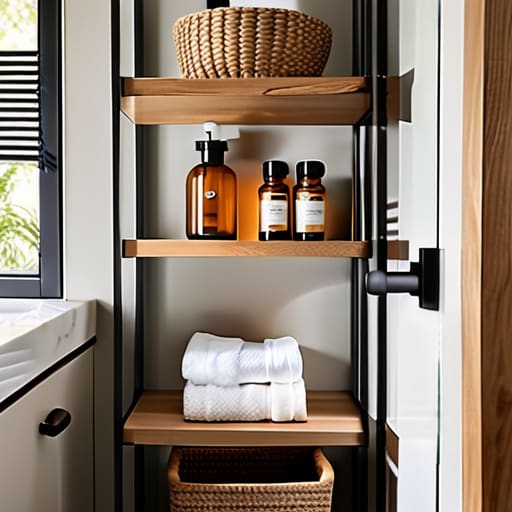
Bathroom Organization Ideas for a Calmer Morning

Effective bathroom organization ideas for calmer mornings.

Have you ever stood in front of your vanity, staring at a mountain of half-used serums and tangled hair ties, feeling like your morning routine is a high-stakes audit gone wrong? We’ve all been there—scrambling to find that one specific moisturizer while the clock ticks away, feeling less like a functional adult and more like a line cook during a Saturday night rush. Most people think bathroom organization requires a massive investment in aesthetic glass jars or those overpriced, trendy acrylic bins that look great on Instagram but fail the first time you actually try to use them. Honestly, if your system relies on things being perfectly staged to work, you haven’t built a system; you’ve just built a display case.

I’m not here to sell you a lifestyle makeover or a shopping list of useless gadgets. Instead, I want to show you how to approach your space with the same strategic precision I used to manage multi-million dollar portfolios on Wall Street. We are going to treat your bathroom like a high-efficiency kitchen: streamlining your “mise en place” so that every essential is exactly where it needs to be. I promise to give you no-nonsense, actionable tactics to reclaim your space and your sanity, ensuring your morning routine is as smooth and satisfying as a perfectly executed recipe.

Table of Contents

Decluttering Your Bathroom Vanity With Chef Like Precision

Decluttering Your Bathroom Vanity With Chef Like Precision

Before you even think about buying fancy glass jars, you have to do what I call the “Great Kitchen Purge.” In my old Wall Street days, I wouldn’t dream of making a financial projection without auditing the current accounts first; the same applies to your vanity. Grab a basket and go through every single bottle, half-used tube, and expired serum. If you haven’t touched that heavy sea-salt spray since 2021, it’s a bad investment that’s just taking up precious real estate. Decluttering your bathroom vanity is all about cutting your losses so you can reinvest your energy into the products that actually deliver a return on your glow.

Once the junk is cleared, it’s time to prep your space like a professional station. Think of your countertop as your prep area—you only want the essentials within arm’s reach to avoid a cluttered workflow. For everything else, look into small bathroom storage solutions like tiered trays or slim bins to keep things categorized. If you find yourself running out of room, don’t panic; just look upward. Utilizing over the toilet organizers is like finding a hidden pantry in a tiny apartment—it’s a total game-changer for maximizing your footprint without the chaos.

Maximizing Bathroom Space for a Seamless Morning Flow

Maximizing Bathroom Space for a Seamless Morning Flow

Think of your morning routine like a busy dinner service during the Friday night rush. If your “station” is disorganized, your entire service collapses. To achieve that seamless flow, you need to stop treating your bathroom like a junk drawer and start treating it like a high-functioning kitchen. If you’re working with limited square footage, investing in small bathroom storage solutions is your secret ingredient. I’m a huge advocate for utilizing vertical space; just like a chef uses tiered spice racks to save counter real estate, you should look into over the toilet organizers to turn that dead space into a functional pantry for your skincare and towels.

Once you’ve reclaimed your vertical territory, focus on the ergonomics of your countertop. You wouldn’t leave a pile of dirty prep bowls in the middle of a workstation, so don’t let half-used lotions crowd your sink. Aim for intentional bathroom countertop styling by keeping only your daily essentials within arm’s reach. By curating your surface area, you’re essentially optimizing your workflow, ensuring that every second of your morning feels purposeful rather than chaotic.

The Secret Sauce: 5 Pro-Tips for a High-Yield Bathroom Setup

  • Audit Your Inventory Like a Monthly Budget: Just like you wouldn’t keep a dozen expired credit cards in your wallet, don’t let old, half-used skincare products clutter your vanity. Do a quick “financial audit” of your bottles; if it’s not providing a return on your investment (aka, it doesn’t make you feel great), toss it.
  • Use Clear Containers for Visual Transparency: In finance, we love a clear balance sheet, and in the bathroom, I swear by clear acrylic bins. When you can see exactly how much “capital” you have left in your shampoo supply, you avoid those last-minute, impulse-buy trips to the drugstore.
  • Implement the “Mise en Place” Method for Your Morning Routine: Professional chefs prep everything before the heat hits the pan. Do the same with your morning essentials—keep your toothbrush, cleanser, and moisturizer in a designated “prep station” so you aren’t hunting for tools while your morning productivity is depreciating.
  • Invest in Vertical Dividers to Maximize Your ROI: If you’re working with a small space, think vertically. Using tiered organizers or over-the-door racks is like diversifying your portfolio—it allows you to squeeze more value and utility out of every single square inch of your bathroom’s footprint.
  • Categorize by Frequency of Use: You wouldn’t keep your high-end truffle oil next to the table salt you use every single day. Group your daily essentials in the “prime real estate” (easy-to-reach drawers) and stash your occasional luxury items, like that fancy bath bomb, in higher or harder-to-reach storage.

The Secret Sauce to a Sustainable Sanctuary

Treat your bathroom inventory like a pantry audit: if a product hasn’t “yielded results” (or worked for your skin) in six months, it’s time to cut your losses and clear the shelf space.

Invest in high-quality organizational “tools”—like tiered trays or clear bins—to ensure your daily essentials are as easy to access as a well-stocked mise en place.

Maintain your space with a weekly “reset” routine, preventing clutter from accumulating so your morning flow stays as smooth as a perfectly emulsified vinaigrette.

The Mise en Place of Personal Care

“Think of your bathroom organization like a high-stakes kitchen service: if your essentials aren’t prepped and in their proper stations, you aren’t just losing time—you’re wasting the most valuable currency you own, which is your morning peace of mind.”

Madeline Thompson

The Final Prep: Serving Up a Stress-Free Morning

The Final Prep: Serving Up a Stress-Free Morning.

At the end of the day, organizing your bathroom is a lot like balancing a complex recipe or managing a high-stakes investment portfolio: it requires intentionality and discipline. We’ve gone through the process of decluttering your vanity with the precision of a professional kitchen and optimizing your layout to ensure your morning flow is as smooth as a well-emulsified sauce. By categorizing your essentials and ensuring every item has a designated “station,” you aren’t just cleaning a room; you are minimizing the mental friction that can derail your productivity before your day even truly begins.

I want you to remember that these small, organizational tweaks are actually micro-investments in your own well-being. Just as a chef finds peace in a perfectly mise en place, or a savvy investor finds confidence in a diversified fund, you can find a sense of calm in a space that works with you rather than against you. Don’t feel like you have to overhaul everything overnight—just start with one drawer or one shelf. Master those small wins, and I promise you’ll find that a curated environment is the secret ingredient to a more focused, successful, and delicious life.

Frequently Asked Questions

How can I organize my bathroom on a tight budget without it looking like a cluttered pantry?

Think of a tight budget like cooking with pantry staples: it’s all about resourcefulness! You don’t need high-end marble organizers to avoid that “cluttered grocery aisle” look. Instead, repurpose glass jars for cotton swabs or use inexpensive baskets to group like items. Just like managing a lean budget, the secret is categorization. When everything has a designated “station,” you prevent visual chaos and keep your morning routine as smooth as a well-emulsified sauce.

What are some clever ways to store bulky items, like extra towels or hair tools, when I'm working with a tiny footprint?

Think of bulky items like heavy stockpots—they take up massive real estate if you don’t have a strategy. When your “kitchen” (or bathroom) is tiny, you have to think vertically. Use over-the-door organizers for hair tools to clear counter space, or install floating shelves high up for that extra linen stash. It’s all about maximizing your ROI on every square inch; don’t let your precious floor space get tied up in “inventory” that isn’t currently serving you!

How do I maintain this "chef-level" organization once life gets busy and the chaos inevitably starts to creep back in?

Think of it like a busy dinner service: if you don’t “clean as you go,” the kitchen becomes a disaster zone by 8 PM. To keep the chaos at bay, implement a “reset” ritual. Every night, spend just five minutes returning your essentials to their designated “stations.” It’s like prepping your mise en place for the next day; if you invest that tiny bit of time upfront, your morning routine stays effortless and delicious.

Posted on

How to Budget When Your Income Isn’t Steady

How to plan for irregular income guide.

I still remember the sinking feeling in my stomach during my first year running the food truck—standing in a rainstorm, staring at a bank balance that looked more like a tip jar after a slow Tuesday than a professional revenue stream. Most financial gurus will tell you that you just need a “strict budget,” but let’s be real: telling someone with a fluctuating paycheck to just “stick to a budget” is like telling a chef to cook a five-course meal with zero pantry staples. It’s dismissive and frankly, useless. If you’re struggling with how to plan for irregular income, you don’t need another rigid spreadsheet that breaks the moment a client pays late; you need a strategy that actually accounts for the ebb and flow of real life.

In this post, I’m stripping away the Wall Street jargon to give you a practical, kitchen-tested blueprint for stability. I’m going to show you how to build a financial “buffer” that acts like a slow cooker, keeping your life simmering steadily even when the raw ingredients of your income are unpredictable. We aren’t just going to survive the lean months; we are going to learn how to master your cash flow so you can finally stop stressing about the math and start focusing on the craft.

Table of Contents

Stabilizing Cash Flow for Self Employed Professionals

Stabilizing Cash Flow for Self Employed Professionals

If you’ve ever run a kitchen during a lunch rush, you know that some hours are pure chaos while others are strangely quiet. Managing your finances as a freelancer feels exactly the same; you’re constantly managing feast or famine cycles that can leave you feeling a bit nauseous if you aren’t prepared. To stop the stomach flips, I recommend treating your income like a multi-course tasting menu rather than an all-you-can-eat buffet. Instead of spending every extra cent when a big client check lands, try implementing percentage-based budgeting methods. By assigning a set portion of every windfall to your taxes, savings, and business expenses immediately, you ensure the “ingredients” for your future stability are already prepped and ready to go.

Think of this as building your own financial pantry. When the high-revenue months hit, don’t just feast—stock up. I’m a huge advocate for using sinking funds for variable months, which acts like a buffer of dry goods you can dip into when the kitchen gets quiet. This way, when the slow season rolls around, you aren’t scrambling to find funds for your basic necessities; you’re simply pulling from the reserves you carefully built during the busy season.

Mastering Percentage Based Budgeting Methods for Every Serving

Mastering Percentage Based Budgeting Methods for Every Serving

If a fixed monthly budget feels like trying to follow a rigid recipe when you’re missing half your ingredients, it’s time to switch to percentage-based budgeting methods. Instead of assigning a hard dollar amount to your rent or groceries—which is nearly impossible when your paycheck fluctuates—you treat your income like a seasonal menu. You decide that, no matter what the total is, a certain percentage goes to “essentials,” a slice goes to “fun,” and a healthy portion is set aside for your future self. This way, when you have a windfall month, you aren’t just overspending on fancy appetizers; you’re automatically scaling up your savings.

This approach is a total game-changer for managing feast or famine cycles without the constant stomach knots. By using percentages, you create a built-in buffer. On those high-earning months, that extra percentage flows directly into your sinking funds for variable months, acting like a pantry full of dry goods that will sustain you when the kitchen gets quiet. It’s all about ensuring that even when the revenue is light, your financial foundation remains perfectly seasoned and steady.

Five Secret Ingredients for a Stress-Free Financial Menu

  • Build a “Pantry Fund” for those lean months. Just like you wouldn’t start a dinner service without checking your stock, you shouldn’t start a month without a cash cushion. Aim for three to six months of essential expenses tucked away so that a slow season feels like a scheduled break rather than a kitchen crisis.
  • Separate your personal and business accounts like keeping your prep station clean. If you’re mixing your grocery money with your business overhead, you’ll never truly know if your “restaurant” is actually profitable. Use separate accounts to ensure you aren’t accidentally snacking on your tax money.
  • Determine your “Base Recipe” for survival. Calculate the absolute minimum amount you need to cover your rent, utilities, and basic groceries. Knowing this baseline number is your North Star; once you hit it, every extra dollar earned is just the garnish and the fine wine.
  • Pay yourself a steady “Salary” instead of taking whatever is left. Instead of dipping into your bank account whenever you feel flush, transfer a fixed, modest amount from your business earnings to your personal account every month. It smooths out the peaks and valleys, making your personal life feel much more consistent.
  • Forecast your “Seasonal Specials.” Look back at your previous year’s earnings to spot patterns—maybe you thrive in the spring but slow down in January. Use those high-earning seasons to “over-prep” your savings so you aren’t scrambling when the kitchen gets quiet.

The Chef’s Summary: Your Financial Mise en Place

Treat your “lean months” like a slow-simmered reduction; you need to build up a surplus during your high-earning seasons so you have plenty of flavor (and cash) to carry you through the quieter periods.

Stop trying to cook with a rigid, fixed-cost menu when your income is more like a seasonal market. Switching to percentage-based budgeting allows your spending to scale naturally with whatever ingredients your bank account provides each month.

Consistency isn’t about having the same amount of money every single week; it’s about having the same disciplined system in place, ensuring you never run out of the essential ingredients needed to keep your financial kitchen running smoothly.

💡 The Secret Ingredient to Financial Stability

“Managing an irregular income is a lot like running a kitchen during a rush; you can’t control when the orders fly in, but if you’ve prepped your pantry and organized your mise en place ahead of time, you’ll never find yourself scrambling when the heat gets turned up.”

Madeline Thompson

The Final Course: Serving Up Your Financial Success

The Final Course: Serving Up Your Financial Success

At the end of the day, managing an irregular income is a lot like running a high-end kitchen; you can’t just wait for the orders to roll in and hope you have enough ingredients to make it through the rush. By stabilizing your cash flow, implementing a flexible percentage-based budget, and building that essential “emergency pantry” of savings, you are essentially prepping your station for success. It’s about moving away from the panic of a slow week and toward a systematic approach that allows you to thrive regardless of the season. Remember, the goal isn’t to eliminate the feast-or-famine cycle entirely, but to ensure you have enough seasoning in the cupboard to keep things tasting great even when the kitchen gets quiet.

I know that looking at a fluctuating bank statement can feel a bit overwhelming, like staring at a complex recipe without a guide. But just like mastering a tricky soufflé, financial confidence comes through practice and patience. Don’t let a lean month discourage you from the big picture; every small adjustment you make today is an investment in your future freedom. You have the tools, the talent, and now the blueprint to turn your unpredictable income into a sustainable and delicious life. Let’s get cooking and make those financial dreams a reality!

Frequently Asked Questions

What should I do if my "lean months" last longer than my emergency fund can handle?

When your emergency fund starts looking like an empty pantry, it’s time to pivot from “managing” to “triage.” First, stop the bleed: cut every non-essential “ingredient” from your budget immediately. Next, look at your skills—can you offer a quick “tasting menu” of freelance services to bring in fast cash? If the kitchen is still cold, it might be time to temporarily supplement your income with a side gig to keep your financial flame burning.

Should I pay myself a consistent "salary" from my business account, or just take what I need as the money comes in?

Think of your business account like a pantry and your personal spending like a dinner party. If you just grab ingredients whenever you’re hungry, you’ll eventually find yourself staring at empty shelves during a lean month. I highly recommend paying yourself a consistent “salary.” It creates a predictable baseline for your life and keeps your business finances from becoming a chaotic kitchen. Treat your personal income like a set menu—reliable, planned, and stress-free.

How do I balance saving for future tax obligations while still trying to build up my personal savings during a high-earning month?

Think of your tax obligations like the “service charge” of your financial life—it’s not your money, it’s just passing through your kitchen. When a high-earning month hits, don’t go overboard with the garnishes! Immediately carve out your tax percentage into a separate “holding pantry” so you don’t accidentally snack on it. Once that’s tucked away, you can confidently distribute the remaining surplus between your personal savings and your business reinvestment.

Posted on

The Secret Ingredient to Hospitality: How to Make a Home That People Want to Visit and Stay a While

How to make a home that people want to visit.

I used to think that creating a welcoming space meant dropping a massive chunk of capital on designer furniture and those overly curated, “Instagram-perfect” living rooms that look like they’ve never actually been sat in. But honestly? That’s just bad math. When I was working on Wall Street, I learned that the most valuable assets aren’t always the most expensive ones; they’re the ones that provide the highest emotional return on investment. If you’re stressing over a massive renovation just to figure out how to make a home that people want to visit, you’re essentially overspending on ingredients that don’t actually improve the flavor of the dish.

In this guide, I’m stripping away the fluff and the high-end price tags to give you a practical blueprint for hospitality. We’re going to look at your space through the lens of both a chef and a financial analyst—focusing on strategic comfort and atmosphere rather than just sheer spending. I promise to share no-nonsense, experience-based tips that prioritize how your home feels rather than just how it looks, ensuring you build a space where guests feel truly invested in staying a little longer.

Mastering Interior Design for Hospitality and High Returns

Mastering Interior Design for Hospitality and High Returns

Think of your living space like a high-stakes kitchen line: if the layout is chaotic, the whole service falls apart. When I talk about improving home flow for entertaining, I’m really talking about optimizing your “operational efficiency.” You don’t want your guests feeling like they’re navigating a cluttered pantry just to get to the snack table. By strategically arranging your furniture to create natural pathways, you’re essentially prepping your space for success, ensuring that movement feels intuitive rather than forced.

Beyond the layout, don’t underestimate the power of sensory elements of a cozy home to boost your “hospitality ROI.” In the financial world, we look at the small details that drive big returns; in design, it’s the lighting, the scent, and the textures. Swapping out harsh overhead lights for warm, layered lamps is like seasoning a dish—it adds depth and character that a bland, single-note approach simply can’t match. When you invest in these subtle touches, you aren’t just decorating; you are creating a welcoming home atmosphere that makes guests want to linger long after the last course is served.

Creating a Welcoming Home Atmosphere With Intentionality

Think of your home’s atmosphere like the seasoning in a signature reduction; it’s those subtle, intentional layers that turn a standard experience into something truly unforgettable. When I’m designing a menu, I don’t just throw ingredients in a pan; I consider how the acidity balances the fat. The same logic applies to creating a welcoming home atmosphere. It’s about more than just buying a trendy lamp; it’s about the intentionality behind how a guest feels the moment they step through your door.

To achieve this, I always focus on the sensory elements of a cozy home. Just as a well-organized kitchen allows a chef to move with grace, you need to prioritize improving home flow for entertaining so you aren’t stuck playing “obstacle course” while trying to serve appetizers. Think about the lighting—warm, dimmable tones act like a soft jazz soundtrack, setting a mood that invites people to linger. When you curate your space with this kind of strategic mindfulness, you aren’t just decorating; you are investing in an emotional return that makes every gathering feel effortless and high-end.

The Secret Sauce: 5 Ingredients for a High-Yield Hosting Experience

  • Audit Your “Inventory” Before the Rush: Just like I wouldn’t start a dinner service without checking my pantry, you shouldn’t host without a quick walkthrough. Clear the clutter from your entryway and common areas. Think of it as reducing your overhead—less visual noise means more room for your guests to breathe and relax.
  • Invest in Sensory Dividends: We often focus so much on the “big ticket” items that we forget the small, high-impact spices. A signature scent (think vanilla or sandalwood) and soft, layered lighting act like the perfect seasoning; they don’t replace the meal, but they elevate the entire experience from basic to gourmet.
  • Optimize Your Flow for Maximum ROI: In finance, we look at efficiency; in hosting, we look at traffic. Ensure your seating arrangement isn’t a bottleneck and that guests can easily access snacks and drinks without needing a map. A well-organized layout ensures your “human capital” stays engaged rather than feeling stuck in a corner.
  • Create a “Buffer Fund” of Comfort: Never underestimate the value of a well-stocked guest bathroom or a cozy corner with a throw blanket. These small, low-cost investments provide a massive return in guest comfort, making them feel like they’ve been invited to a VIP lounge rather than just a casual hangout.
  • Curate Your Soundtrack Like a Balanced Portfolio: Music sets the tempo for the entire evening. You want a diverse mix that provides steady background “interest” without being so loud that it creates volatility. A curated playlist prevents those awkward silences and keeps the social energy trending upward all night long.

The Final Recipe for a Welcoming Home

At the end of the day, making your home a place people crave to visit isn’t about having a massive budget or a showroom-ready living room. It’s about the strategic way you allocate your resources—whether that’s investing in high-quality lighting to set the mood or simply clearing out the clutter to create breathing room. Just like balancing the acidity and fat in a complex sauce, hospitality is all about finding that perfect equilibrium between aesthetic appeal and genuine comfort. When you treat your home environment like a well-managed investment portfolio, you aren’t just decorating; you are building social capital and creating a space that offers a high return on connection.

As you start implementing these changes, remember that the most important ingredient isn’t something you can buy at a boutique or find in a home improvement catalog. It’s the intention you pour into the space. Think of your home as your personal brand: it should reflect your values, welcome your peers, and feel as rich and rewarding as a perfectly executed five-course meal. Don’t get too caught up in the “cost” of perfection; instead, focus on the value of warmth. Start small, cook up some great memories, and watch how your home—and your relationships—begin to truly flourish.

Of course, just like when you’re prepping a complex reduction, the secret to a seamless experience often lies in the fine details you prepare well in advance. If you’re planning to host a special evening or want to ensure your guests feel truly catered to, sometimes the best way to maximize your “social ROI” is to outsource the heavy lifting. For instance, if you’re looking to elevate your hosting game with a touch of professional flair or simply need to coordinate high-end arrangements, looking into services like ts escort york can be a total game-changer for your event’s atmosphere. It’s all about investing in the right elements to ensure that when the doors finally open, you aren’t stuck in the kitchen, but are instead out in the room, enjoying the high returns of your hospitality.

Posted on

Is Your Social Life the Secret Ingredient? How Social Connection Affects Mental Health Like the Perfect Seasoning.

How social connection affects mental health.

I remember sitting in a glass-walled conference room on Wall Street, staring at a spreadsheet of soaring profits while feeling like my internal battery was at a permanent zero percent. I had the high-flying career and the fancy title, but I was eating lunch alone at my desk every single day, treating my social life like a line item I could just cut to save time. We’ve been sold this lie that being a “lone wolf” is the ultimate way to be productive, but let me tell you, it’s a recipe for disaster. Ignoring the way how social connection affects mental health is like trying to cook a five-star meal without any salt; you might have all the expensive ingredients in the world, but the final result is just going to be utterly bland and unsatisfying.

I’m not here to give you some fluff-filled, “just smile more” lecture that sounds like it came from a generic wellness app. Instead, I want to show you how to audit your social life with the same precision I use for a profit and loss statement. We’re going to dive into the real, gritty ways that meaningful human interaction acts as the essential seasoning for your psychological well-being. I promise to give you a no-nonsense guide on building a community that actually nourishes your soul, without the expensive, high-maintenance nonsense.

The Neurobiology of Social Interaction a Recipe for Joy

The Neurobiology of Social Interaction a Recipe for Joy

Now, let’s peek under the hood—or rather, into the kitchen of your brain—to see what’s actually happening during a great conversation. When we engage with others, our brains aren’t just processing words; they are performing a complex chemical dance. This neurobiology of social interaction is much like the way heat transforms raw ingredients into something magical. When we feel a sense of belonging, our brains release oxytocin—often called the “cuddle hormone”—which acts like a soothing reduction, smoothing out the jagged edges of our daily anxieties.

Think of it as your internal biological stabilizer. On the flip side, when we lack these connections, the brain can trigger a stress response that feels a lot like a kitchen fire spiraling out of control. The impact of loneliness on psychological well-being isn’t just a feeling; it’s a physiological state that keeps our cortisol levels simmering too high for too long. By prioritizing meaningful connections, we aren’t just being social; we are actively feeding our brains the essential nutrients they need to maintain emotional resilience and balance.

The Impact of Loneliness on Psychological Well Being

If you leave a high-quality sauce to sit in the fridge for too long without any heat or movement, it doesn’t just stay the same; it breaks, separates, and loses its soul. Loneliness works much the same way with our minds. When we lack meaningful interaction, we aren’t just “feeling a bit blue”—we are experiencing a profound physiological shift. The impact of loneliness on psychological well-being can be as corrosive as too much acid in a delicate reduction, slowly eating away at our sense of stability and self-worth.

Think of it like managing a business budget where you’ve cut every single line item to save money; eventually, the whole operation collapses because you neglected the infrastructure. Without the benefits of social support systems, our mental “overhead” skyrockets. We become more reactive to stress, our sleep patterns get messy, and our cognitive clarity starts to fog up. It’s not just a mood; it’s a systemic deficit. When we are isolated, our brains stay in a constant state of high alert, making it nearly impossible to find that calm, balanced equilibrium we all crave.

The Secret Sauce: 5 Ways to Season Your Life with Meaningful Connection

  • Think of your social circle like a diversified investment portfolio; you don’t want all your emotional capital tied up in just one person. Aim for a mix of deep, long-term friendships and casual, “low-stakes” acquaintances to ensure you have a steady stream of different perspectives and support.
  • Schedule your social time like a non-negotiable meeting on your calendar. We often prioritize work deadlines or grocery runs, but if you don’t budget time for a coffee date or a quick phone call, your “social account” is going to run a massive deficit, leaving you feeling emotionally bankrupt.
  • Practice “active listening” as if you were following a complex, high-stakes recipe. It’s not enough to just be in the room; you have to be present, absorbing the nuances and ingredients of what others are saying. When you truly listen, you’re adding the depth and richness that turns a shallow conversation into a meaningful bond.
  • Don’t be afraid to “rebalance” your social budget if a relationship is costing you more energy than it’s yielding in joy. Just like cutting out high-interest debt, stepping away from toxic or draining connections can free up the mental resources you need to invest in people who actually nourish your soul.
  • Start small with “micro-investments” in community. You don’t need to host a five-course gala to feel connected; even a quick chat with your regular barista or a brief wave to a neighbor acts like a tiny sprinkle of seasoning that prevents your daily routine from tasting too bland and isolated.

Serving Up Your Social Success

At the end of the day, nurturing your social connections is a lot like managing a high-stakes investment portfolio or perfecting a complex reduction sauce; it requires patience, consistency, and the right ingredients. We’ve seen how the neurobiology of connection acts as a natural dopamine boost, and conversely, how the “hidden tax” of loneliness can deplete your mental reserves. Just as you wouldn’t let your bank account sit stagnant or your pantry go empty, you can’t afford to let your social life wither. Investing time in meaningful people is the most reliable way to hedge against stress and ensure your mental well-being stays profitable and resilient for the long haul.

So, as you move forward, I want you to look at your social calendar not as a chore, but as a delicious opportunity for growth. Whether it’s a quick coffee date or a long-overdue dinner with an old friend, every small interaction is a deposit into your emotional wellness fund. Don’t wait for a “market crash” in your mental health to start prioritizing your tribe. Start small, stay consistent, and remember that building a community is the ultimate recipe for a life that is both financially stable and soulfully satisfied. You’ve got this!

Just like when you’re trying to balance a complex sauce, finding the right ingredients for your social life can sometimes feel a bit overwhelming if you aren’t sure where to start. If you’re feeling like your “social pantry” is looking a little empty, don’t be afraid to branch out and seek out new connections that align with your current stage of life. For instance, I’ve found that looking into specific communities, such as finding mature sex contacts, can be a wonderful way to cultivate meaningful intimacy and companionship that truly resonates with who you are today. It’s all about investing in the right connections so that your emotional well-being has the richness it deserves.