Posted on

Budget Decorating Ideas That Look High-end

High-end budget decorating ideas for homes.

Ever feel like your living room is missing that certain je ne sais quoi, but your bank account is looking a little more “empty pantry” than “full walk-in fridge”? We’ve all been there—staring at a space that feels uninspired, feeling like we have to choose between a beautiful home and a healthy savings account. I used to think that creating a chic atmosphere required a massive capital investment, much like launching a high-end restaurant, but I’ve learned that’s a total myth. Finding creative budget decorating ideas isn’t about throwing money at a problem; it’s about knowing how to layer your resources to create something truly spectacular.

In this post, I’m going to show you how to garnish your home with style without overextending your financial margins. I’ve curated five essential strategies that will help you transform your space from bland to absolutely gourmet using nothing but smart planning and a little bit of elbow grease. Get ready to learn how to maximize your visual ROI and discover that a stunning home is well within your reach, even if you’re currently working with a tight budget.

Table of Contents

Shop Your Own Pantry

Shop Your Own Pantry for home decor.

Before you head to the big-box retailers and start adding expensive decor to your digital cart, I want you to do a quick “inventory audit” of your own home. Think of it like checking your spice rack before committing to an expensive new recipe; you might already have exactly what you need to add some flavor to a room. Sometimes, that vintage vase sitting in the back of your linen closet or that stack of art books on your shelf is just waiting for a strategic relocation to act as a centerpiece on your coffee table.

Thrift Like a Pro

Thrift Like a Pro with secondhand furniture.

If you do decide to spend a little, don’t go straight for the showroom floor where prices are marked up like a luxury tasting menu. Instead, head to your local thrift stores or online marketplaces. Shopping secondhand is the ultimate way to find “high-quality ingredients” for your home at a fraction of the retail cost. You can often find solid wood furniture that just needs a little bit of sanding or a fresh coat of paint to look like a designer masterpiece.

The Power of Textiles

Transforming living rooms: The Power of Textiles.

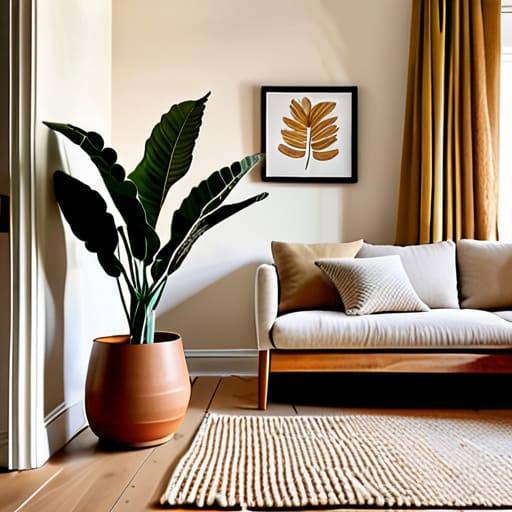
If your living room feels a bit bland, don’t think you need to replace the entire sofa. That’s like throwing out a perfectly good cast-iron skillet just because it looks a little dull. Instead, think about layering in new textures. Swapping out old, tired throw pillows for some vibrant, velvet ones or adding a chunky knit blanket can completely transform the sensory experience of your seating area.

Lighting as an Investment

One of the biggest mistakes I see people make is relying solely on that harsh, overhead “big light.” It’s the equivalent of overcooking a delicate soufflé—it ruins the entire vibe! To create a cozy, high-end atmosphere, you need to layer your lighting. Adding a small table lamp in a dark corner or stringing some warm fairy lights near a window can create a much more sophisticated ambiance.

Bring the Outdoors In

Nature is one of the most beautiful, and surprisingly affordable, decorators available to us. Adding greenery to your home is like adding a splash of fresh acidity to a heavy dish—it brightens everything up instantly. Whether it’s a large, statement fiddle-leaf fig or a few small succulents on a windowsill, plants add life, movement, and a sense of freshness that man-made decor just can’t replicate.

The Secret Sauce to a Stylish Home

Treat your decor budget like a recipe; it’s not about how much you spend on the “premium ingredients,” but how you balance and combine what you have to create a cohesive flavor.

Don’t fear the “leftovers”—repurposing old furniture and DIYing small accents is the financial equivalent of a great kitchen hack that yields high-end results for pennies.

Focus on the seasoning, not just the main course; small, intentional touches like lighting and textures can elevate a room’s entire “profile” without requiring a massive capital investment.

The Secret Ingredient to a Beautiful Home

“Decorating on a budget isn’t about settling for less; it’s about mastering the art of mise en place—having all your right elements prepared and thoughtfully placed so that even the simplest ingredients create a masterpiece.”

Madeline Thompson

The Final Garnish

At the end of the day, decorating your space on a budget is a lot like perfecting a complex reduction sauce—it requires patience, a bit of strategy, and knowing exactly when to stop adding ingredients. We’ve looked at how rearranging your current layout can provide a fresh perspective, how thrifted treasures offer more character than big-box showroom pieces, and how small, intentional accents can serve as the perfect seasoning for any room. By focusing on these high-impact, low-cost shifts, you aren’t just spending money; you are investing in your environment without draining your savings account. It’s about being resourceful rather than being restrictive.

As you move forward, remember that a beautiful home isn’t defined by the price tag on your furniture, but by the intention you pour into it. Just like a well-managed portfolio, a well-curated home grows more valuable and meaningful over time as you layer in your personal history and style. Don’t feel pressured to finish everything in one weekend; treat your home decor like a slow-simmered stew that gets better with time. Take it one small step at a time, stay mindful of your budget, and most importantly, savor the process of creating a space that truly feels like you.

Frequently Asked Questions

How do I know when it's worth investing in a "high-quality ingredient" like a real wood table versus saving money with something budget-friendly?

Think of it like buying a chef’s knife versus a cheap grocery store version. You invest in the “high-quality ingredient”—like a solid wood table—when it’s a foundational piece that handles heavy daily use. If it’s something you’ll touch and rely on every single day, the long-term ROI is massive because you won’t be replacing it in two years. For seasonal decor or side pieces? Stick to the budget options. Invest in the staples; garnish with the savings.

Can I really make a space look high-end without it feeling like a cheap imitation?

Think of it like making a reduction sauce: it’s not about how much you throw into the pan, but how you concentrate the quality. To avoid that “cheap imitation” vibe, stop chasing flashy trends and focus on texture and intentionality. Instead of buying a whole set of matching, shiny furniture, mix in a few high-quality, tactile elements—like a heavy linen throw or a ceramic vase. It’s about investing in the “seasoning” that makes the room feel curated, not cluttered.

How do I balance my desire to decorate with the need to keep my emergency fund properly seasoned and untouched?

Think of your emergency fund as your kitchen’s “mise en place”—it’s the essential prep work that keeps everything from crashing when things get heated. You wouldn’t use your base stock to make a quick sauce, right? Treat your savings the same way. Decorating should come from your “flavor budget”—the extra cash left after your essentials are prepped. If you have to dip into your emergency fund to buy a rug, you’re over-seasoning your lifestyle!

Posted on

Kitchen Gadgets That Are Actually Worth the Space

Top kitchen gadgets worth buying.

We’ve all been there: staring at a cluttered kitchen drawer filled with “as-seen-on-TV” contraptions that have more dust on them than actual seasoning. It’s easy to fall into the trap of impulse buying, treating your kitchen budget like a high-risk speculative stock without doing any of the due diligence first. But here’s the thing—just like a well-diversified portfolio, your kitchen needs a strategy. You don’t need everything under the sun; you just need the right assets that actually move the needle on your cooking efficiency. Finding the few kitchen gadgets worth buying is less about mindless consumption and more about making high-impact investments that yield a delicious return on your time and effort.

In this guide, I’m cutting through the marketing fluff to bring you my curated list of five essential tools. I’ve applied the same analytical rigor I used on Wall Street to these picks, ensuring each one offers maximum utility for your culinary lifestyle. We’re going to dive into the heavy hitters that act as the bedrock of a functional kitchen, helping you streamline your meal prep and elevate your flavors without breaking the bank. Get ready to stop wasting capital on clutter and start investing in tools that truly pay dividends every single time you preheat the oven.

Table of Contents

The High-Yield Chef's Knife

The High-Yield Chef's Knife for efficient cutting.

If you’re still hacking away at your vegetables with a dull, serrated multipurpose blade, we need to have a serious talk about your return on investment. In the financial world, we talk about efficiency and minimizing friction, and that is exactly what a high-quality, forged chef’s knife does for your kitchen workflow. It’s not just a tool; it’s your most reliable asset, the one piece of equipment that works harder for you than any other.

The Cast Iron Workhorse

The Cast Iron Workhorse seasoned skillet.

I like to think of a seasoned cast iron skillet as the compound interest of the culinary world. It starts off simple, maybe even a little rough around the edges, but as you continue to use it, it actually gets better with age. Every time you sear a steak or bake a cornbread, you’re adding a layer of “interest” to that non-stick seasoning, making it more valuable over time rather than depreciating like your cheap Teflon pans.

The Digital Instant-Read Thermometer

The Digital Instant-Read Thermometer for steak.

We’ve all been there: you’ve spent forty dollars on a beautiful ribeye, only to realize you overcooked it by ten degrees because you were “eyeballing it.” In my old life on Wall Street, we called that unnecessary risk exposure. Relying on guesswork when you’re dealing with high-quality ingredients is a recipe for a net loss, and quite frankly, your taste buds deserve better than a gamble.

The Versatile Dutch Oven

If I were building a diversified portfolio, the Dutch oven would be my heavyweight index fund. It’s incredibly versatile, capable of handling everything from slow-simmered stews to crusty sourdough bread and even deep-frying. It isn’t a niche tool meant for one specific task; rather, it’s a broad-market powerhouse that covers a wide range of culinary “sectors” with ease.

The Reliable Immersion Blender

Sometimes, you don’t need a massive, expensive kitchen overhaul to see massive gains in productivity; sometimes, you just need a strategic tactical move. An immersion blender is exactly that—a compact, high-efficiency tool that eliminates the messy, time-consuming step of transferring hot liquids into a traditional blender. It streamlines your workflow, allowing you to pivot from cooking to serving with much higher operational efficiency.

The Bottom Line: Cooking Up a Smart Kitchen Budget

Treat your kitchen gear like a diversified portfolio; focus on high-quality “blue chip” tools that offer long-term durability rather than chasing every trendy, single-use gadget that’ll end up gathering dust.

Always calculate your “cost per use” before hitting the checkout button—a pricey chef’s knife is a high-yield investment if you use it daily, but a fancy bread maker is a liability if it just sits on your counter.

Prioritize versatility to maximize your ROI, opting for multi-functional tools that expand your culinary repertoire without cluttering your financial or physical space.

The ROI of Your Kitchen

“Don’t let your kitchen drawer become a graveyard of impulse buys; instead, treat every gadget like a strategic investment—if it isn’t going to increase your culinary efficiency or provide a high daily dividend of joy, it’s just overhead you don’t need.”

Madeline Thompson

Investing in Your Culinary Future

At the end of the day, choosing the right kitchen tools is a lot like building a diversified investment portfolio. You don’t need every shiny new gadget on the market to see a return; instead, you need a few high-quality assets that do the heavy lifting. Whether it’s that precision chef’s knife that saves you time every single morning or a versatile Dutch oven that acts as your culinary cornerstone, the goal is to prioritize long-term utility over fleeting trends. By focusing on items that offer both durability and efficiency, you aren’t just spending money—you are strategically allocating your capital to improve your daily quality of life.

Remember, the most important ingredient in any kitchen—and any successful financial plan—is the confidence to take action. Don’t let the fear of a “bad purchase” keep you from upgrading your lifestyle or your skills. Start small, invest in the essentials, and watch how those incremental improvements compound over time. Just like a well-managed savings account, a well-equipped kitchen provides a sense of security and creative freedom that grows richer with every meal you prepare. Now, go grab that spatula, whip up something incredible, and remember that you are the chef of your own destiny.

Frequently Asked Questions

Is it actually more cost-effective to invest in premium gadgets upfront, or am I better off sticking to budget options and upgrading later?

Think of it like building a diversified portfolio. Buying a bunch of cheap, “budget” gadgets is like scattering pennies across low-yield savings accounts; you’ll constantly be replacing them, which drains your capital through frequent “transaction costs.” I’m a firm believer in the “Buy Once, Cry Once” philosophy. Investing in premium tools upfront is like buying a high-quality index fund—it’s a higher initial outlay, but the long-term dividends in durability and performance are massive.

How do I distinguish between a "must-have" tool that adds real value and a trendy gadget that's just going to gather dust in my pantry?

Think of it like evaluating a stock: you want to look at the utility versus the hype. Before you swipe that card, ask yourself if the tool solves a recurring problem or just looks pretty on a countertop. A “must-have” is like a high-yield savings account—it works for you every single day. If it only performs one niche trick you’ll use once a year, it’s just a speculative bubble. Don’t let your pantry become a graveyard of bad investments!

Are there any specific high-quality items that offer the best "return on investment" for someone trying to meal prep on a tight budget?

If you’re meal prepping on a budget, think of your kitchen tools as your capital expenditures. The absolute best ROI comes from a high-capacity slow cooker or an Instant Pot. They turn “cheap” cuts of meat into gourmet meals with minimal oversight, saving you both time and money. Pair that with a set of durable, airtight glass containers. It prevents “food waste leakage”—which, in financial terms, is basically just throwing your hard-earned cash in the trash.

Posted on

How to Organize Your Garage in a Single Weekend

Tips on how to organize your garage.

I remember standing in my driveway last summer, staring at a mountain of rusted garden tools and half-empty paint cans, feeling that familiar, sinking sensation in my gut. It wasn’t just the clutter; it was the sheer financial drain of knowing I’d bought replacements for things I couldn’t even find under the chaos. Most “experts” will try to sell you on those $500 custom-built modular shelving units or high-tech storage systems that look great in a catalog but bleed your bank account dry. But let’s be real: learning how to organize your garage shouldn’t require a Wall Street budget or a degree in interior design.

I’m not here to give you a superficial makeover that falls apart the moment you try to park the car. Instead, I’m going to show you how to approach your space with the same strategic precision I used when auditing spreadsheets or prepping a complex reduction sauce. We are going to implement a high-yield, low-cost system that treats your storage like a well-managed asset. By the end of this, you’ll have a streamlined, functional space that actually works for your life—without the unnecessary overhead.

Table of Contents

Mastering the Menu Your Essential Garage Decluttering Checklist

Mastering the Menu Your Essential Garage Decluttering Checklist

Before you start tossing things into heavy-duty bins, you need to treat this like a high-stakes kitchen prep session. You wouldn’t start sautéing without checking your pantry first, right? Grab a notepad and create your own personalized garage decluttering checklist to categorize everything into three piles: keep, donate, or toss. Think of this as your “audit phase”—just like reviewing your quarterly expenses, you need to see exactly what’s taking up space before you decide what’s actually worth the investment.

Once you’ve cleared the clutter, it’s time to talk about the layout. If you’re working with limited square footage, you really need to focus on maximizing small garage space by looking up. I’m a huge advocate for vertical wall storage ideas; think of it as utilizing your spice rack instead of letting everything pile up on the countertop. By installing sturdy garage shelving systems, you’re essentially creating a structured “mise en place” for your gear. This keeps your floor clear and ensures that your most important tools are always within arm’s reach, just like a chef’s favorite knife.

Savoring the Space Maximizing Small Garage Space With Elegance

Savoring the Space Maximizing Small Garage Space With Elegance

If your garage feels more like a cramped pantry than a functional workspace, don’t panic—we’ve all been there. When you’re working with limited square footage, you have to stop thinking about the floor and start thinking about the walls. I like to view maximizing small garage space much like optimizing a tiny commercial kitchen: if you don’t utilize your vertical real estate, you’re essentially leaving money (and precious room) on the table.

One of my absolute favorite garage storage solutions is investing in heavy-duty vertical wall storage ideas, such as slatwalls or pegboards. By getting your gear off the ground and up onto the walls, you clear the “floor traffic” and make the entire area feel more breathable. Think of it as plating a dish; when everything is neatly arranged and visible, the whole experience feels more premium and much less chaotic. Whether you’re hanging bikes or organizing garage tools, the goal is to create a streamlined system that works for you, rather than you constantly fighting against the clutter.

The Secret Sauce: 5 Pro-Tips for a High-Yield Garage

  • Categorize like a professional chef. Just like you wouldn’t store your vanilla extract next to the garlic powder, don’t mix your holiday decorations with your power tools. Group your items into “stations”—gardening, automotive, sports—so you aren’t hunting through a messy pantry every time you need a specific tool.
  • Invest in vertical shelving to boost your ROI. Think of floor space as your most expensive real estate; don’t let it go to waste on clutter! By utilizing heavy-duty wall racks and overhead storage, you’re essentially “leveraging your assets” to create more room for what actually matters.
  • Implement a “First In, First Out” (FIFO) system for your supplies. Whether it’s seasonal car wax or outdoor pesticides, keep your older stock toward the front. This prevents your supplies from “spoiling” or becoming obsolete, ensuring you’re always using your inventory efficiently.
  • Use clear bins for total transparency. In the financial world, we love a clear audit trail, and your garage is no different. Using transparent containers allows you to see exactly what’s inside at a glance, saving you the time and “transaction cost” of opening every single box to find that one specific wrench.
  • Schedule regular “financial audits” for your gear. Every few months, do a quick sweep to see what’s actually providing value. If you have tools or equipment that are just sitting there collecting dust, it’s time to liquidate them! Sell them online or donate them to keep your garage’s “cash flow” of space moving smoothly.

The Secret Sauce to a Stress-Free Garage

Treat your garage organization like a high-stakes budget; if you don’t account for every “ingredient” (or item) you own, you’ll end up with a messy deficit that costs you time and sanity.

Think of vertical storage as your kitchen’s spice rack—by utilizing wall space instead of letting everything pile up on the floor, you’re maximizing your square footage just like a pro chef in a tiny bistro.

Don’t let your garage become a “sunk cost” of forgotten junk; implement a regular audit to ensure you’re only investing space in the items that actually add value to your life.

The Secret to a Balanced Garage

“Think of your garage like a high-stakes kitchen: if you’re constantly digging through a cluttered pantry just to find the salt, you’re wasting more than just time—you’re wasting your most valuable asset. Organizing your space isn’t just about tidiness; it’s about prepping your environment so you can execute your life with precision and zero wasted overhead.”

Madeline Thompson

Serving Up Your Success

Serving Up Your Success with organized storage.

At the end of the day, organizing your garage is a lot like balancing a complex recipe; it requires the right ingredients, a bit of patience, and a solid plan. We’ve gone through the essential decluttering checklist to clear out the expired “ingredients” of your past, and we’ve looked at how to maximize your square footage with the same elegance I use when setting a small bistro table. By treating your storage like a well-oiled kitchen station, you aren’t just moving boxes around—you are actively reducing the mental overhead that comes with chaos. Remember, a streamlined space is the ultimate way to protect your most valuable asset: your time.

I know that looking at a mountain of clutter can feel as overwhelming as staring at a massive, unpaid credit card statement, but don’t let the scale of the task scare you off. Just like building a retirement fund or mastering a difficult soufflé, the secret is to take it one small, manageable step at a time. Once you’ve reclaimed this space, you’ll find that the sense of order spills over into your career and your finances, too. So, grab your metaphorical apron, roll up your sleeves, and start building a life that is as organized and delicious as it is financially sound. You’ve totally got this!

Frequently Asked Questions

How do I decide which "expired" items to toss and which ones are still worth keeping in my inventory?

Think of this like auditing your pantry before a big dinner service. You wouldn’t serve a sauce that’s gone sour, right? Apply that same logic here. If an item is broken, outdated, or hasn’t been touched in two years, it’s “spoiled” inventory—toss it. But if it’s just a bit dusty but still functional, it’s like a high-quality spice that just needs a new jar. Keep the essentials, cut the waste, and protect your bottom line!

What are some budget-friendly ways to build storage systems without breaking the bank like a high-end kitchen remodel?

Think of this like building a gourmet meal on a grocery-store budget; you don’t need truffle oil to make it delicious. Skip the expensive custom cabinetry and look toward “pantry staples” like heavy-duty plastic bins or pegboards from the hardware store. They’re incredibly versatile and much cheaper than built-ins. You can even upcycle old wooden crates for a rustic, organized look. It’s all about smart sourcing—maximizing your ROI without the luxury price tag.

How can I maintain this organization long-term so my garage doesn't end up in a state of "financial and physical clutter" again?

Think of long-term organization like maintaining a high-end kitchen: you can’t just prep once and walk away. To avoid that “clutter bankruptcy,” you need a routine. I swear by the “One In, One Out” rule—it’s like managing a strict food budget. If you bring in a new power tool, an old one has to go. Schedule a monthly “audit” to reset your systems, ensuring your physical space stays as balanced as a well-managed portfolio.

Posted on

How to Declutter Your Home Without Getting Overwhelmed

Tips on how to declutter your home.

I’ll be honest: most of the advice you find online about how to declutter your home feels like it was written by someone who has never actually lived in a real house—or managed a real budget. They want you to buy expensive, color-coded acrylic bins and aesthetic organizational systems that cost more than a decent steak dinner. But here’s the truth from a former Wall Street analyst: clutter is just unnecessary overhead. It’s the emotional and physical equivalent of a high-interest debt that you’re paying off every single day with your time and your mental energy. If your living space feels like a kitchen pantry where you can’t find the salt because of the sheer volume of expired spices, you don’t need more containers; you need a better strategy.

I’m not here to sell you a lifestyle makeover or a mountain of plastic organizers. Instead, I’m going to show you how to approach your space with the same precision I use to balance a kitchen line or a profit and loss statement. We are going to strip away the excess and build a streamlined system that actually works for your life. My promise to you is a no-nonsense, actionable blueprint that treats your time like the precious commodity it is.

Table of Contents

Savoring the Clarity of Minimalist Living Strategies

Savoring the Clarity of Minimalist Living Strategies.

When I first transitioned from the high-stakes trading floors of Wall Street to the cramped, bustling kitchen of my food truck, I learned a hard lesson: you can’t cook a five-star meal if your workstation is buried under old invoices and broken whisks. The same logic applies to your life. Adopting minimalist living strategies isn’t about living in a cold, empty white box; it’s about auditing your inventory so you only keep the “high-yield assets” that actually serve you. Think of it as trimming the fat from a budget—once you remove the unnecessary expenses, you finally have the capital to invest in what truly matters.

Shifting your focus toward decluttering for mental clarity is where the real magic happens. When your physical environment is chaotic, your brain is constantly processing that visual noise, much like trying to balance a complex spreadsheet while someone is playing drums in the next room. By streamlining your surroundings, you’re essentially lowering your cognitive overhead. You aren’t just cleaning a room; you are optimizing your internal operating system for better focus and much less stress.

Preparing the Palate for Decluttering for Mental Clarity

Preparing the Palate for Decluttering for Mental Clarity

Before you even touch a single cardboard box or reach for a trash bag, you have to address the most important ingredient in this entire process: your head. In my old life on Wall Street, we used to talk about “mental capital,” and honestly, clutter is the ultimate drain on that resource. You can’t expect to execute a flawless strategy if your internal workspace is a chaotic mess of half-baked ideas and emotional baggage. Developing a proper decluttering mindset and psychology is like seasoning a complex sauce; if you rush the base, the whole dish falls apart. You need to approach this with intention, rather than just moving piles from one corner to another.

Think of this stage as your mise en place. In a professional kitchen, nothing happens until every knife is sharp and every ingredient is prepped and ready. If you dive into a room without a clear mental blueprint, you’ll quickly find yourself overwhelmed and ready to order takeout instead of finishing the job. By focusing on decluttering for mental clarity first, you’re essentially clearing the smoke from the kitchen so you can actually see the recipe you’re trying to follow.

The Five-Ingredient Recipe for a Clutter-Free Life

  • Audit Your Inventory Like a Food Cost Analysis: Before you start tossing things, sit down and look at what you actually use versus what’s just sitting on the shelf gathering dust. Just like I wouldn’t overstock my food truck with expensive truffles that expire in a week, don’t let “dead capital” in the form of unused gadgets and clothes take up valuable real estate in your home.
  • Prep Your Zones Before You Cook: You wouldn’t try to sauté garlic in a pan that’s still covered in flour, right? Tackle your home one “station” at a time. Instead of trying to overhaul the whole house in one chaotic afternoon, focus on the kitchen one morning or the closet one evening. It keeps your energy high and prevents that overwhelming feeling of a kitchen fire.
  • Apply the “High-Yield” Rule to Your Belongings: In finance, we look for assets that provide the best return on investment. Apply that same logic to your stuff. If an item doesn’t bring you joy, serve a functional purpose, or hold significant sentimental value, it’s a low-yield asset. It’s time to divest and clear that space for something that actually adds value to your life.
  • Don’t Let Your “Leftovers” Accumulate: We all know what happens when you leave takeout in the fridge for too long—it becomes a science project. The same goes for your “maybe” pile. If you aren’t sure if you want to keep something, put it in a box and date it. If you haven’t reached for it by the expiration date, it’s time to donate it.
  • Savor the Gains of a Clean Exit: When you’re finished decluttering, don’t just rush to the next task. Take a moment to appreciate the “profit” you’ve just made: more space, less stress, and a more streamlined way of living. Think of it as the sweet dessert at the end of a long, productive shift in the kitchen.

The Final Prep: Bringing Your New Space to Life

Treat your decluttering process like a high-stakes kitchen renovation; you can’t cook a five-star meal in a workspace overflowing with old, broken tools, so clear the clutter to make room for the investments that actually add value to your life.

Don’t let “decision fatigue” spoil your progress, much like how a chef wouldn’t try to prep a whole banquet in one sitting—tackle one “ingredient” or room at a time to keep your momentum high and your stress levels low.

Remember that a streamlined home is your most valuable asset for mental wealth, providing the calm environment you need to focus on growing your career and your bank account without the constant “overhead” of physical chaos.

The ROI of a Clear Countertop

“Think of decluttering your home like auditing a messy balance sheet: you have to strip away the non-performing assets—the clutter that costs you more in mental energy than it’s worth—to finally see the true value of the space you actually live in.”

Madeline Thompson

The Final Reduction: Serving Up Your New Space

The Final Reduction: Serving Up Your New Space

At the end of the day, decluttering isn’t just about tossing old junk into a bin; it’s about performing a strategic financial audit of your physical environment. We’ve talked about prepping your mental palate and implementing minimalist strategies to ensure your home isn’t just a storage unit, but a curated space that serves your life. Just like managing a high-stakes portfolio or perfecting a complex reduction sauce, this process requires patience, precision, and the courage to cut out the excess that no longer adds value to your bottom line. When you stop investing your energy into things that don’t serve you, you finally free up the capital—both mental and physical—to focus on what truly matters.

As you step away from the boxes and the sorting bins, remember that a clear home is the foundation for a clear future. Think of this as your initial investment in a lifestyle of intention and ease. You wouldn’t walk into a Michelin-star kitchen and expect a masterpiece without first clearing the workspace, so don’t expect a masterpiece life without clearing your surroundings. Embrace the process, celebrate the small wins, and remember that you are the chef of your own life. Now, go enjoy that beautiful, breathing room you’ve worked so hard to create!

Frequently Asked Questions

How do I decide which items are "staples" and which are just "excess ingredients" taking up space in my budget and my home?

Think of your home like a well-managed pantry. A “staple” is your high-quality olive oil—essential, versatile, and provides a solid ROI for every meal. “Excess ingredients” are those niche, single-use gadgets or decor items you bought on impulse; they look flashy but don’t actually contribute to your daily nourishment. If an item doesn’t serve a frequent purpose or bring genuine value to your “lifestyle recipe,” it’s just dead capital taking up precious real estate.

If I start decluttering and feel overwhelmed, how can I pace myself without losing my momentum?

Listen, I’ve been there. Trying to declutter a whole house is like attempting a ten-course tasting menu in one sitting—you’re going to end up burnt out and staring at a messy kitchen. Instead, treat it like a slow simmer. Set a “timer” for just twenty minutes a day. By managing your energy like a tight budget, you prevent emotional bankruptcy and keep that momentum cooking without crashing mid-service. Small bites lead to big results!

Is there a way to declutter my home that actually helps me save money instead of just feeling like another chore on my to-do list?

Think of decluttering as an audit of your “inventory.” When you clear out the excess, you aren’t just tidying; you’re stopping the “leakage” in your budget. I always tell my clients: stop buying duplicates of things you already own but can’t find under the clutter. By organizing your space, you’re essentially reclaiming lost capital. It turns a chore into a high-yield investment—less impulse buying, less wasted food, and a much healthier bottom line.

Posted on

How to Organize the Chaos Under Your Sink

How to organize under the sink chaos.

Ever opened your cabinet door only to have a rogue bottle of dish soap and a half-empty box of scouring pads tumble out like a failed soufflé? I’ve been there, usually right in the middle of a frantic dinner rush in my food truck when I realized I couldn’t find the degreaser for the life of me. Most “organization gurus” will try to sell you a $50 custom-molded acrylic bin system that looks pretty in a photo but fails the moment you actually try to use it. Honestly, learning how to organize under the sink shouldn’t require a massive capital investment or a degree in interior design; it just requires a little bit of strategic prep work.

I’m not here to peddle expensive gadgets that clutter your budget and your space. Instead, I’m going to show you how to apply some basic financial discipline to your kitchen storage by categorizing your “assets” and eliminating the “debt” of useless clutter. We are going to build a high-yield organization system using simple, cost-effective tools that actually work in a high-traffic kitchen. By the end of this, your under-sink area will be as streamlined and efficient as a well-managed balance sheet.

Table of Contents

Savoring Success With Kitchen Cabinet Decluttering Tips

Savoring Success With Kitchen Cabinet Decluttering Tips

Once you’ve conquered the chaos beneath the sink, it’s time to look upward. Think of your upper cabinets as your high-yield savings account—if you just let things pile up randomly, you’re losing potential value. Applying some solid kitchen cabinet decluttering tips can transform a cluttered mess into a streamlined system that actually works for your workflow. I always tell my crew that a cluttered workspace is like a poorly managed budget; it creates unnecessary stress and slows your momentum.

To truly master this, you need to invest in the right tools to keep your “assets” in order. I’m a huge fan of using tiered shelf organizers for cabinets because they allow you to stack items without creating a hidden graveyard of expired spices or forgotten gadgets. It’s all about visibility and accessibility. Just like diversifying a portfolio, you want to ensure every item has a specific purpose and a clear place where it can be easily monitored. When everything is visible, you stop overspending on duplicates, and suddenly, your kitchen feels as balanced and satisfying as a perfectly executed risotto.

Maximizing Small Cabinet Space Like a Master Chef

Maximizing Small Cabinet Space Like a Master Chef

When you’re working with a tiny footprint, you have to treat your cabinet space like a high-end commercial kitchen: every square inch needs to earn its keep. If you’re just stacking bottles haphazardly, you’re essentially wasting capital. To stop the “hidden cost” of digging through clutter, I highly recommend investing in under sink pull out organizers. These act like a well-structured investment portfolio, allowing you to access your “assets”—like dish soap or sponges—without having to liquidate the entire pile just to find one thing.

If you want to level up, think vertically. Just as a chef uses tiered workstations to keep prep efficient, you should utilize tiered shelf organizers for cabinets to reclaim that dead air space at the top of your cupboard. It’s all about layering your resources. And a pro tip from my time running a food truck: always lay down some under sink waterproof mats first. Think of it as an insurance policy against the inevitable leaks, ensuring that a small spill doesn’t turn into a massive financial and structural headache down the road.

The Five-Ingredient Recipe for Under-Sink Organization

  • Audit your inventory before you invest. Just like you wouldn’t buy a dozen expensive truffles without checking your pantry first, don’t buy fancy organizers until you’ve tossed the expired cleaning supplies and half-empty bottles that are just taking up “capital.”
  • Invest in clear, stackable bins to create “liquid assets.” Using transparent containers allows you to see exactly what you have at a glance, preventing that dreaded double-purchase of dish soap when you already have a bottle hiding in the back.
  • Use tension rods to create vertical real estate. Think of this as optimizing your overhead costs; by installing a rod across the top, you can hang spray bottles and cleaning cloths, freeing up the “floor space” below for larger items.
  • Categorize your supplies into “specialty stations.” Group your dishwashing essentials in one bin and your heavy-duty degreasers in another. It’s much like mise en place—having your tools grouped by function makes the actual work go so much smoother.
  • Implement a “maintenance budget” for your organization. A little bit of weekly tidying is much cheaper (and less stressful!) than a total kitchen overhaul. Spend five minutes every Sunday evening resetting your supplies so you don’t end up in a deficit of chaos by mid-month.

The Secret Sauce: Your Final Takeaway Checklist

Treat your under-sink organization like a high-stakes kitchen prep; if you don’t have your “ingredients” (cleaning supplies and tools) sorted into clear bins, you’re just inviting chaos to ruin your workflow.

Think of space management as your financial budget—don’t let “hidden costs” like expired cleaners or unused gadgets take up valuable real estate that could be used for more essential supplies.

Invest in quality organizers early to avoid the “interest” of constant clutter; a little upfront effort in setting up tiered shelves or pull-out drawers pays massive dividends in daily efficiency and peace of mind.

## The Secret Ingredient to a Stress-Free Kitchen

“Think of your under-sink space like a high-stakes budget: if you don’t allocate room for the essentials and stop letting the ‘junk’ expenses pile up, you’ll eventually find yourself in a total deficit when you actually need a sponge or a cleanser.”

Madeline Thompson

The Final Reduction: Bringing It All Together

The Final Reduction: Bringing It All Together

At the end of the day, organizing that chaotic under-sink space is a lot like balancing a complex budget or perfecting a delicate reduction sauce: it takes a little patience and the right tools, but the payoff is immense. We’ve talked about decluttering your cabinets, maximizing every inch of vertical space, and treating your cleaning supplies like high-value assets rather than random clutter. By implementing these organizational strategies, you aren’t just tidying up a dark corner of your kitchen; you are reducing the mental friction that comes with a messy workspace. When you know exactly where your dish soap and scrubbers live, you save time, energy, and—most importantly—you keep your kitchen flow as smooth as a well-executed service.

I want you to remember that small, intentional wins lead to massive long-term results. Just as a single well-placed spice can elevate a whole dish, or a small monthly contribution can grow into a robust retirement fund, these tiny organizational habits build the foundation for a life that feels orderly and intentional. Don’t let the mess under the sink intimidate you; treat it as your next small project to master. You have the tools, the plan, and the vision to turn this culinary chaos into a streamlined success story. Now, go grab those bins and let’s get cooking!

Frequently Asked Questions

How do I keep my cleaning supplies from leaking and creating a "financial drain" on my budget by ruining everything else under there?

Think of a leaking bottle like an unexpected interest rate hike—it’s a tiny leak that eventually drains your entire account. To stop the bleeding, invest in airtight silicone dispensers or dedicated spray bottle organizers. I also swear by using shallow, stackable bins; they act like a “diversified portfolio,” containing any spills so one faulty cap doesn’t liquidate your entire cleaning supply budget. Protect your assets, whether they’re in the bank or under the sink!

Are there any affordable, DIY organizational hacks that won't break the bank like a high-end kitchen renovation would?

Listen, you don’t need a massive capital injection or a high-interest loan to fix this. Think of DIY hacks like using spices to elevate a budget meal—they add huge value without the premium price tag. Grab some inexpensive tension rods to create “shelves” for spray bottles, or repurpose old mason jars for sponges. It’s all about smart resource allocation; you’re maximizing your current assets to create a high-yield, organized space!

What’s the best way to categorize my items so I'm not constantly "overspending" time searching for a single sponge?

Think of your under-sink space like a diversified investment portfolio: you need to group your “assets” by function to avoid wasted energy. I like to categorize by “use-case clusters.” Dedicate one bin to cleaning supplies (sprays and scrubs), another to dish essentials (sponges and soaps), and a third to trash liners. When everything has a dedicated “account,” you stop hemorrhaging time searching for that one sponge and start operating with much higher efficiency!

Posted on

How to Keep Your Houseplants Alive and Thriving

Guide on how to care for houseplants.

I remember standing in the middle of a high-end nursery last spring, staring at a $75 fiddle-leaf fig and feeling like I was looking at a bad stock tip. The salesperson was pitching me specialized nutrient blends and designer misting kits, acting like you couldn’t master how to care for houseplants without a massive capital investment and a PhD in botany. Honestly, it felt like a total scam. Just like trying to follow a recipe that requires “hand-harvested Himalayan salt” when regular sea salt works just fine, most of this plant-care hype is just expensive noise designed to drain your wallet.

I’m not here to sell you a lifestyle or a subscription to a boutique watering can. My goal is to give you the high-yield, low-stress fundamentals of plant ownership—the kind of stuff that actually works when you’re busy running a business or a food truck. We are going to break down the essential ingredients of light, water, and soil so you can stop wasting money on “miracle” products and start seeing real growth. Let’s treat your indoor jungle like a well-managed portfolio: smart, sustainable, and incredibly rewarding.

Table of Contents

Sourcing the Best Soil for Houseplants and Nutrient Richness

Sourcing the Best Soil for Houseplants and Nutrient Richness.

Think of your soil as the foundational capital of your indoor garden; if your initial investment is poor, no amount of fancy decor will save your bottom line. Just like I wouldn’t dream of making a reduction using low-quality stock, you shouldn’t settle for generic garden dirt that’s been sitting in a shed for years. For most of your greenery, finding the best soil for houseplants means looking for a mix that offers both aeration and drainage. You want a substrate that holds onto moisture without turning into a soggy, stagnant mess—think of it as balancing your budget so you have enough liquidity to grow, but not so much that you’re drowning in debt.

Once you’ve secured your base, you need to consider the long-term nourishment. A high-quality potting mix acts like a diversified portfolio, providing the essential minerals your plants need to thrive. However, even the best soil eventually loses its “nutritional equity” as your plants consume the available resources. This is where a consistent fertilizing indoor plants schedule becomes your secret weapon. By adding nutrients back into the mix at regular intervals, you’re essentially reinvesting your profits to ensure sustained, long-term growth for your leafy companions.

Decoding Indoor Plant Light Requirements for Vibrant Growth

Decoding Indoor Plant Light Requirements for Vibrant Growth.

Think of light as the primary capital in your plant’s economic ecosystem; without it, no amount of fancy potting mix can prevent a total market crash. Just like I used to analyze market volatility on Wall Street, you need to assess the “volatility” of light in your home. Some spots offer high-intensity, direct sunlight—perfect for a desert cactus—while others are more like a low-yield savings account, providing only soft, indirect glow. Understanding these indoor plant light requirements is the difference between a thriving green asset and a leaf-dropping liability.

If you notice your plants stretching toward the window like they’re desperately chasing a stock rally, they’re likely starving for more sun. Conversely, if those vibrant leaves start looking scorched, you’ve overleveraged them with too much intensity. I always tell my friends that finding the sweet spot is much like balancing a recipe; too much heat ruins the delicate flavors, but too little leaves everything bland. Once you master this light-to-leaf ratio, you’ll find that your indoor jungle becomes much more resilient and rewarding to manage.

Mastering the Recipe: 5 Pro-Tips for a Thriving Indoor Garden

  • Don’t Over-Season with Water: Just like adding too much salt can ruin a delicate reduction, overwatering is the fastest way to kill your plant’s momentum. Always check the soil moisture with your finger first; if it’s still damp, hold off on the “pour” to avoid root rot.
  • Pruning for Profit: Think of pruning as trimming the fat from your budget. By snipping off yellowing or dead leaves, you’re redirecting your plant’s limited energy away from “bad debt” and toward new, healthy growth.
  • The Humidity Factor: Some plants, like tropical varieties, crave a high-moisture environment just like a slow-cooked stew needs a tight lid to stay tender. If your home is dry, use a pebble tray or a humidifier to keep that ambient moisture levels high.
  • Repotting is Like Reinvesting: Eventually, your plant will outgrow its current “account.” When you see roots circling the bottom of the pot, it’s time to scale up. Moving them to a larger container provides the space and fresh nutrients they need to continue their upward trajectory.
  • Consistency is Your Secret Ingredient: You wouldn’t check your stock portfolio once a year and expect a windfall, right? Similarly, regular check-ins—inspecting for pests or dust on leaves—ensure you catch small issues before they become massive financial (or botanical) disasters.

The Secret Sauce to a Thriving Indoor Jungle

The Secret Sauce to a Thriving Indoor Jungle

Think of your watering schedule like managing a budget; consistency is key, but overspending on water can lead to “root rot” bankruptcy just as quickly as overspending on impulse buys ruins your savings.

Just as you wouldn’t substitute high-quality saffron with cheap turmeric in a gourmet risotto, don’t skimp on the right soil mix—investing in nutrient-rich foundations pays off in long-term growth.

Light is your plant’s primary capital; ensure you’re allocating the right amount of “energy resources” to each species so they can scale their growth without burning out.

Investing in Your Green Assets

“Think of your houseplants like a high-yield savings account: you can’t expect a massive return if you aren’t willing to make those small, consistent daily deposits of water and care. It’s all about compounding that effort until you’re sitting on a lush, thriving indoor garden.”

Madeline Thompson

The Secret Sauce to a Thriving Indoor Jungle

At the end of the day, nurturing your houseplants is a lot like managing a high-stakes investment portfolio or perfecting a complex reduction sauce; it’s all about the consistency of your inputs. We’ve covered the essentials, from sourcing that nutrient-dense, high-quality soil that acts as your plant’s financial foundation, to decoding the specific light requirements that fuel their growth. If you get the soil right and respect the light, you’ve already mitigated most of your risks. Think of these steps as your fundamental groundwork—once you have the right ingredients in place, the rest of the process becomes much more intuitive and far less stressful.

Don’t be discouraged if a leaf turns yellow or a stem wilts; even the most seasoned chefs and financial pros face a few setbacks before they find their rhythm. Gardening, much like building wealth or climbing the career ladder, is a marathon, not a sprint. It’s about making small, intentional adjustments every single day. As you watch those new shoots emerge, remember that you aren’t just growing greenery; you’re cultivating a sense of discipline and patience that will serve you well in every other aspect of your life. So, grab your watering can, trust your process, and enjoy the delicious rewards of your hard work!

Frequently Asked Questions

How do I know if I'm overwatering my plants, or am I just being too stingy with the "budget" of water?

Think of watering like managing your monthly cash flow: you don’t want a massive surplus that leads to a “liquidity crisis” (root rot), but you can’t run a deficit either. If your leaves look yellow, mushy, or the soil feels like a swamp, you’re overspending on water. If they’re crispy and drooping, you’re being too stingy. Always check the soil depth first—it’s the ultimate audit for your plant’s hydration budget!

Is there a way to tell if my plant is actually thriving or if it's just surviving on a deficit of nutrients?

Think of it like checking your bank statement versus your actual lifestyle. A plant can look “fine” on the surface, but it might be living paycheck-to-paycheck on minimal nutrients. Look for the tell-tale signs of a deficit: stunted new growth or leaves that look pale and washed out—that’s your plant running on a budget. If it’s just surviving, it lacks the “capital” to truly flourish. You want vibrant, lush growth, not just basic maintenance!

What are the best low-maintenance plant options for someone who wants the greenery without the high-maintenance "overhead" of a difficult plant?

Think of high-maintenance plants like a complex soufflé—one wrong move and everything collapses. If you want greenery without the high “overhead” of constant upkeep, you need low-cost, high-yield options. I’m talking about the “blue-chip” plants of the botanical world: Snake Plants and Pothos. They’re incredibly resilient, much like a well-diversified index fund. They thrive on neglect, meaning you get all the aesthetic dividends with almost zero daily management.

Posted on

How to Keep Pests Out of Your Home Naturally

Tips on how to prevent pests at home.

I still remember the first time I realized that a messy kitchen wasn’t just a culinary sin—it was a financial leak. I was prepping a reduction for my first gourmet food truck menu, surrounded by the scent of shallots and butter, when I spotted a single, uninvited ant trekking across my marble prep station. My heart sank, not just because of the hygiene risk, but because I realized I had been completely inefficient with my pantry management. Most people think you need to spend a fortune on high-tech traps or aggressive chemical sprays to fix the problem, but honestly? That’s just throwing money down the drain. Learning how to prevent pests at home shouldn’t require a massive budget or a degree in entomology; it’s really just about mastering your “kitchen inventory” and closing the gaps before the chaos starts.

In this guide, I’m stripping away the expensive myths and giving you the straight talk. I’m going to show you how to treat your home like a high-performing kitchen—focusing on preventative maintenance and smart organization rather than reactive spending. We are going to build a defense system that is as disciplined and effective as a well-managed investment portfolio.

Table of Contents

Eliminating Food Sources for Pests With Culinary Precision

Eliminating Food Sources for Pests With Culinary Precision

Think of your kitchen like a high-stakes restaurant line: if you leave a spill on the prep station, you’re basically inviting chaos to the party. In the financial world, we call this “leaking capital,” but in my kitchen, it’s just an open invitation for uninvited guests. Eliminating food sources for pests is the most fundamental step in your defense strategy. If you leave crumbs in the toaster tray or an open bag of flour on the counter, you aren’t just cooking; you’re subsidizing a tiny, unwanted workforce.

To truly master your kitchen’s defense, you need to treat your pantry with the same discipline I used when auditing balance sheets. I’m talking about airtight containers for everything from grains to snacks. It’s all about minimizing the variables that lead to an infestation. When you secure your ingredients, you aren’t just being tidy; you’re performing a crucial bit of seasonal pest management tips by ensuring there’s no “easy profit” for bugs to scavenge. If you wouldn’t leave a pile of cash sitting on your doorstep, don’t leave a trail of breadcrumbs leading straight to your pantry.

Mastering Moisture Control to Prevent Bugs and Decay

Mastering Moisture Control to Prevent Bugs and Decay

If managing your budget is about plugging the leaks in your spending, then managing moisture is about plugging the leaks in your foundation. Think of excess humidity or a dripping faucet as a “bad debt” for your home—it might seem small at first, but it accumulates interest in the form of mold, rot, and a literal buffet for unwanted guests. Implementing consistent moisture control to prevent bugs is essentially your home’s version of an emergency fund; it’s the preventative measure that keeps a minor inconvenience from turning into a total financial—and structural—disaster.

I always tell my crew that a dry kitchen is a disciplined kitchen. Beyond just wiping down the counters, you need to look at the structural “fine print.” This means checking under sinks for slow leaks and ensuring your gutters are flowing freely to keep water away from your baseboards. If you spot gaps where pipes enter the walls, prioritize sealing cracks and crevices immediately. It’s much cheaper to invest in a bit of caulk today than to pay for a professional remediation crew to fix a damp, pest-infested wall tomorrow.

Fortifying Your Perimeter: The Five-Step Recipe for a Pest-Free Sanctuary

  • Seal the Entry Points Like You’re Prepping a Tight Sauté Pan. Think of your home’s exterior like a professional kitchen; you can’t have flavor—or in this case, pests—leaking in through the cracks. Grab some high-quality caulk and inspect your window frames and door sweeps. If there’s a gap, a pest sees it as an all-you-can-eat buffet invitation.
  • Manage Your Trash with the Discipline of a High-End Line Cook. In a busy kitchen, food scraps are the enemy of cleanliness. The same goes for your home. Ensure your trash cans have tight-fitting lids and aren’t overflowing. Leaving an open bin of organic waste is basically like leaving a “Grand Opening” sign out for ants and roaches.
  • Declutter to Reduce Your “Hidden Inventory.” In my finance days, we called it “bloat,” and in a kitchen, it’s just a recipe for chaos. Piles of cardboard, old newspapers, or disorganized storage bins provide the perfect hiding spots for pests to set up shop. Keep your spaces streamlined so there’s nowhere for unwanted guests to nest.
  • Audit Your Pantry Like a Strict Inventory Manager. Just like tracking your food costs to prevent waste, you need to track your pantry storage. Transferring dry goods like flour, sugar, and cereal into airtight glass or hard plastic containers isn’t just about keeping things fresh—it’s about denying pests access to your “capital.”
  • Maintain a Strategic Buffer Zone Around Your Foundation. Don’t let your landscaping become a bridge for intruders. Keep shrubs trimmed away from the house and ensure mulch isn’t piled directly against your siding. You want a clear “margin of safety” between the wild world outside and the controlled environment of your home.

The Recipe for a Pest-Free Home: My Top Three Takeaways

Treat your kitchen like a high-end restaurant—strict food storage and zero crumbs are your best defense against unwanted guests.

Managing moisture is just like managing your cash flow; if you let things leak or accumulate unchecked, you’re going to face a massive deficit later.

Consistency is your secret ingredient; small, daily habits in cleaning and maintenance prevent the big, expensive “pest disasters” from ever hitting your bottom line.

The Bottom Line on Home Defense

“Think of pest prevention like managing your overhead costs: if you don’t tighten up your kitchen’s ‘leaks’ and secure your resources today, you’ll end up paying a much higher price in repairs and headaches down the road.”

Madeline Thompson

The Final Prep: Setting Yourself Up for Success

The Final Prep: Setting Yourself Up for Success.

At the end of the day, keeping your home pest-free is a lot like managing a high-stakes investment portfolio or running a busy dinner service—it all comes down to the consistency of your systems. We’ve talked about sealing off those food sources with the same discipline you’d use to audit your monthly expenses, and we’ve tackled moisture control to ensure your “financial” foundation isn’t eroding from the inside out. When you eliminate the crumbs and dry out the leaks, you aren’t just cleaning; you are mitigating risk before it turns into a costly crisis. It’s about being proactive rather than reactive, ensuring that your home remains a sanctuary rather than a liability.

I know that staying on top of every little detail can feel like a chore, especially after a long day, but remember that small, incremental habits lead to massive long-term dividends. Just as a perfectly balanced recipe requires a little bit of prep work upfront, a well-maintained home requires a bit of daily mindfulness. Don’t let the small stuff pile up until it feels overwhelming. Take control of your environment today, and you’ll find that peace of mind is the most delicious reward of all. You’ve got the tools, the plan, and the discipline—now go out there and master your domain!

Frequently Asked Questions

If I’ve already spotted a few uninvited guests, should I focus on a deep clean first or go straight to professional treatments?

Think of this like spotting a few burnt edges on a steak: do you toss the whole meal, or do you fix the heat? If it’s just a handful of ants, start with a deep clean—it’s your “mise en place” for pest control. Scrub those crumbs and seal the gaps. But if the infestation feels like a runaway souffle, don’t waste your capital on DIY fixes; call in a pro to protect your investment.

Are there any natural, kitchen-friendly deterrents that won't mess with the flavor profile of my actual cooking?

Think of this like choosing the right spices: you want something potent enough to work, but subtle enough not to ruin the main course. I swear by peppermint oil and dried bay leaves. A few drops of peppermint on cotton balls near entry points acts like a high-quality barrier, and tucking bay leaves into your pantry is a zero-cost way to keep weevils at bay without tainting your risotto. It’s all about strategic placement!

How can I tell if my pest problem is a minor "budget leak" I can fix myself or a major financial drain that requires calling in the pros?

Think of it like a line item in your budget: is it a small, annoying subscription you can cancel yourself, or a massive, unexpected debt? If you see a stray ant or two, treat it like a minor expense—clean up the crumbs and tighten your seals. But if you’re seeing constant activity or structural damage, that’s a major deficit. Don’t let a small leak turn into a total bankruptcy; call the pros before the costs spiral.

Posted on

Home Lighting Tips That Instantly Improve Any Room

Effective home lighting tips for every room.

Have you ever walked into a room that felt completely “off,” even though everything was technically in its place? It’s like biting into a dish that looks beautiful on the plate but tastes entirely bland because someone forgot the salt. Most people think they need to drop a massive windfall on designer chandeliers to fix a gloomy space, but that’s just expensive fluff that doesn’t actually solve the problem. When I was first setting up my food truck, I realized that bad lighting wasn’t just a design flaw; it was a drain on my productivity and my mood. Navigating through a sea of generic home lighting tips online can feel like reading a complicated financial prospectus—lots of jargon, but very little actual value for your bottom line.

I’m not here to sell you on high-end luxury that breaks your budget. Instead, I want to show you how to layer your light with the same precision I use to balance a kitchen’s flavor profile. I’m going to share my personal, no-nonsense approach to selecting fixtures and placement that will transform your atmosphere without draining your savings. Think of this as your practical guide to investing in your environment, ensuring every corner of your home feels as warm and inviting as a perfectly executed brunch.

Table of Contents

Mastering Layered Lighting Techniques Like a Pro

Mastering Layered Lighting Techniques Like a Pro

Think of your lighting setup like a complex, multi-course tasting menu. You wouldn’t serve a five-course meal with just a single, blinding spotlight, right? That would be a culinary disaster! In the same way, you need to master layered lighting techniques to create depth and dimension in your home. You want to move beyond that single, lonely overhead fixture and start thinking in layers.

First, let’s talk about the foundation: ambient and task lighting. Your ambient light is like your base stock—it provides the essential warmth and visibility that holds everything together. But, just as a chef relies on a sharp knife for precision, you need task lighting for the heavy lifting, like a bright lamp over your kitchen island or a reading nook.

To really elevate the experience, don’t forget the “garnish”—the accent lighting for decor. This is where you highlight a piece of art or a beautiful bookshelf, adding that final touch of sophistication. If you want to take it a step further, investing in a few dimmer switch benefits can allow you to adjust the “flavor” of your room’s mood instantly, transitioning from a high-energy workspace to a cozy, candle-lit dinner setting.

Choosing Warm vs Cool Light Temperature for Flavor

Choosing Warm vs Cool Light Temperature for Flavor

Think of light temperature like the balance of acidity and fat in a signature sauce; if you get it wrong, the whole experience feels off. When we talk about warm vs cool light temperature, we’re really talking about the “flavor profile” of your room. Warm light, which sits on the lower end of the Kelvin scale, acts like a rich, comforting reduction. It’s perfect for living rooms or dining areas where you want to evoke a sense of coziness and relaxation. On the other hand, cool light is more like a bright, sharp citrus zest—it’s crisp, energizing, and ideal for those high-focus zones like a home office or a kitchen workspace.

The trick to avoiding a “flavor clash” is knowing when to switch gears. You wouldn’t serve a heavy beef bourguignon at a summer brunch, right? Similarly, you shouldn’t blast your cozy reading nook with clinical, blue-toned light. To truly master your space, I recommend integrating dimmer switch benefits to allow for real-time adjustments. This gives you the ability to pivot from a bright, productive morning setting to a soft, ambient evening glow, ensuring your home’s atmosphere is always perfectly seasoned.

The Secret Sauce: 5 Pro Tips to Season Your Space with Light

  • Don’t let your lighting be a “fixed cost.” Just like you wouldn’t commit your entire food truck budget to a single expensive ingredient, avoid relying on one massive overhead light. Instead, diversify your lighting “portfolio” with small, manageable sources like sconces and lamps to spread the visual wealth across the room.
  • Think of your task lighting as your mise en place. You wouldn’t try to chop onions in a dim kitchen, right? Whether it’s a reading nook or a kitchen counter, ensure you have dedicated, high-intensity light exactly where the “work” happens so you aren’t straining your eyes—or your budget—on mistakes.
  • Control your ambiance with dimmers, because life (and cooking) isn’t always high-stakes. Dimmer switches are the ultimate hedge against volatility; they allow you to dial back the intensity for a cozy dinner or crank it up when you’re in high-productivity mode.
  • Use accent lighting to highlight your “high-value assets.” In a gourmet dish, a garnish draws the eye; in a room, a well-placed spotlight on a piece of art or a beautiful bookshelf does the same. It directs the focus to what truly adds value to your environment.
  • Mind the “hidden fees” of poor placement. A floor lamp tucked too far into a corner is like a wasted ingredient—it’s not doing its job. Position your lights strategically to eliminate harsh shadows, ensuring your room’s “return on investment” is a seamless, beautiful glow rather than a series of dark, awkward pockets.

The Secret Sauce for a Perfectly Lit Home

Treat your lighting layers like a recipe; you wouldn’t just dump a bucket of salt into a stew, so don’t rely on a single overhead light when you could blend ambient, task, and accent layers for a more balanced “flavor.”

Think of color temperature as your seasoning—use warm tones to create a cozy, inviting atmosphere for relaxing, but keep your “kitchen” (task) areas bright and cool so you can see exactly what you’re working with.

Don’t overspend on the flashy “garnish” until your foundation is solid; invest in high-quality, functional lighting first, and then add those decorative statement pieces once your budget and your base layers are well-managed.

💡 The ROI of Ambiance

“Think of your home lighting like a well-balanced budget: if you put all your resources into one single, glaring overhead light, you’re essentially overleveraged and leaving your room’s potential completely untapped. You need to diversify your light sources to create a rich, layered atmosphere that feels as high-end as a Michelin-star dining room.”

Madeline Thompson

The Final Course: Setting the Stage for Your Home

The Final Course: Setting the Stage for Your Home

At the end of the day, mastering your home’s lighting is a lot like managing a high-stakes investment portfolio or perfecting a complex reduction sauce—it requires patience, the right ingredients, and a bit of strategic layering. We’ve talked about how to build depth through layered lighting, how to select the perfect “flavor” profile with color temperatures, and why balance is everything. Just as you wouldn’t dump a whole bottle of salt into a simmering pot, you shouldn’t rely on a single, harsh overhead bulb to do all the heavy lifting. By treating your light sources as carefully curated assets, you can transform any room from a dim, uninspired space into a high-value environment that feels both functional and luxurious.

As you step away from the blueprint and start making these changes, remember that small, incremental adjustments often yield the most significant returns. You don’t need to overhaul your entire electrical system overnight to see a difference; sometimes, just swapping out a bulb or adding a single well-placed lamp can completely change your ROI on home comfort. Think of this as an investment in your daily well-being. Whether you are grinding through a work project or unwinding with a glass of wine, your environment should serve you. So, go ahead—tinker, experiment, and find that perfect glow. You’ve got the tools, now go make your home truly shine!

Frequently Asked Questions

How can I balance the cost of high-end designer lighting fixtures with my monthly budget without sacrificing my home's aesthetic?

Think of your lighting budget like a high-end tasting menu: you don’t need every course to be a splurge. Invest your “capital” in one stunning statement piece—like a gorgeous dining chandelier—to act as your centerpiece. For everything else, look for high-quality “store brands” or vintage finds. It’s all about strategic allocation; by saving on the secondary layers, you can afford that designer glow without blowing your monthly cash flow.

Is it worth investing in smart lighting systems, or is that just another "fancy ingredient" that doesn't actually add value to my daily routine?

Think of smart lighting like adding a high-end sous-vide machine to your kitchen. Is it a “must-have” for survival? No. But if you value efficiency and precision, it’s a game-changer. Automating your lighting schedules is like setting a timer on a slow-cooker—it removes the mental load of manual tasks. If the convenience of hands-free ambiance fits your budget without breaking your “overhead,” it’s a high-yield investment in your daily quality of life.

How do I avoid the "over-seasoning" effect where too many light sources make a small room feel cluttered and overwhelming?

Think of too many light sources like dumping an entire spice rack into a single pot—it completely masks the natural flavors of the room. To avoid that “over-seasoned” clutter, you need to prioritize your lighting hierarchy. Instead of adding more fixtures, focus on the quality of your layers. If your space feels overwhelming, pull back on the accent lights and let your ambient layer do the heavy lifting. Less is often more.

Posted on

Kitchen Organization Ideas for a Clutter-free Counter

Kitchen organization ideas for clutter-free counters.

Have you ever stood in front of your pantry, staring at a chaotic mountain of half-empty pasta boxes and rogue spice jars, feeling like your entire life was spiraling out of control? I’ve been there. Between my years crunching numbers on Wall Street and now managing the high-stakes rush of a gourmet food truck, I’ve learned that chaos is the ultimate thief of time and money. When your workspace is a mess, you end up overbuying ingredients you already have or wasting precious minutes hunting for a whisk. Finding effective kitchen organization ideas isn’t just about making your space look pretty for Instagram; it’s about optimizing your most valuable assets—your time and your ingredients—to ensure your culinary ROI is always high.

In this post, I’m pulling back the curtain on my personal system for turning kitchen clutter into a streamlined, high-performing workspace. I’m sharing five specific strategies that act like a well-diversified portfolio for your cupboards, helping you eliminate waste and maximize efficiency. By the time we’re done, you’ll have a roadmap to transform your kitchen from a source of stress into a profitable sanctuary for creativity and delicious meals.

Table of Contents

Audit Your Pantry Like a Quarterly Earnings Report

Audit Your Pantry Like a Quarterly Earnings Report.

Before you go out and buy a bunch of fancy acrylic bins, you need to do a deep dive into what you actually own. I call this the pantry audit, and it’s exactly like reviewing your bank statements at the end of the month. You wouldn’t keep paying for a subscription service you never use, so why are you letting expired lentils and half-empty bags of flour take up valuable real estate in your cabinets? Take everything out, check the dates, and be brutally honest about what’s actually making it into your meals.

The Zoned Approach to Workflow Efficiency

The Zoned Approach to Workflow Efficiency.

In the professional culinary world, we talk a lot about “mise en place,” which basically means having everything in its place. I like to apply this to kitchen organization by creating specific functional zones. Think of your kitchen as a series of departments. You should have a prep zone near your cutting boards, a cooking zone around the stove, and a cleaning zone by the sink. When your tools are scattered randomly, you’re essentially experiencing operational friction that slows down your entire production line.

Decanting for Visual Clarity and Waste Reduction

Decanting for Visual Clarity and Waste Reduction.

There is something incredibly satisfying about transferring pasta and spices into clear, airtight glass containers. Not only does it look beautiful (perfect for that Instagram-worthy kitchen aesthetic), but it also serves a very practical financial purpose. When you can see exactly how much rice or quinoa you have left, you’re much less likely to make an impulse purchase at the grocery store. It’s like looking at a real-time dashboard of your finances instead of guessing what’s in your savings account.

Vertical Storage: Scaling Your Space Upward

When you’re working in a small food truck, every square inch is precious, and I carry that same philosophy into my home kitchen. If your cabinets are overflowing and you’re struggling to stack plates without a game of Jenga, it’s time to start thinking vertically. Use tiered spice racks, hanging pot racks, or even magnetic knife strips to move items off your limited counter space and up onto the walls or into the higher reaches of your cabinets.

Labeling: The Ultimate Accountability Tool

I know, I know—labeling everything might seem a little “Type A,” but hear me out. Whether it’s a label maker or a simple piece of masking tape and a Sharpie, knowing exactly what is in a container is a total game-changer. In finance, we rely on clear documentation to avoid errors, and the kitchen is no different. If you have three different white powders in unlabeled jars, you’re asking for a costly mistake—and I don’t just mean the price of the ingredients, but the time lost trying to fix a ruined dish.

The Bottom Line: Investing in Your Kitchen’s ROI

Treat your kitchen organization like a diversified portfolio; by allocating specific “assets” (like spices or gadgets) to dedicated spaces, you reduce the mental tax of daily decision-making and prevent the “waste” of lost time.

Don’t let your kitchen clutter become a bad debt that accumulates interest in the form of stress; regular audits of your pantry and cabinets ensure you’re only reinvesting in ingredients and tools that actually serve your culinary goals.

Small, incremental improvements in your kitchen layout yield much higher long-term returns than a massive, expensive overhaul; start with high-traffic zones to see immediate dividends in your cooking efficiency and daily sanity.

The ROI of a Tidy Pantry

“Think of organizing your kitchen like auditing your personal finances: when you stop digging through a cluttered mess just to find what you need, you aren’t just saving time—you’re eliminating the wasted capital of expired ingredients and impulse buys. A streamlined pantry is the ultimate high-yield investment for your daily sanity.”

Madeline Thompson

The Final Reduction: Savoring Your Organized Space

At the end of the day, organizing your kitchen isn’t just about finding the whisk without digging through a mountain of Tupperware; it’s about optimizing your most valuable assets. Whether you’ve implemented a tiered spice rack to prevent duplicate purchases or invested in clear bins to keep your pantry from looking like a chaotic stock market crash, you are essentially building a more efficient system. By categorizing your tools and streamlining your workflow, you’ve effectively reduced your operational overhead and minimized the mental clutter that comes with a messy workspace. Just like a well-balanced ledger, a well-organized kitchen allows you to see exactly what you have, preventing waste and ensuring you’re always ready to cook.

As you step back to admire your newly streamlined culinary headquarters, remember that this is just the first course in a much longer journey. Perfection doesn’t happen overnight—it’s a process of continuous improvement and fine-tuning, much like perfecting a delicate reduction sauce. Don’t get discouraged if things get a little messy again next week; even the best-managed portfolios have fluctuations. The goal isn’t to maintain a museum-quality kitchen, but to create an environment that empowers your creativity and makes the act of nourishing yourself feel like a reward rather than a chore. Now, go grab your apron and enjoy the fruits of your labor!

Frequently Asked Questions

I have a tiny kitchen with zero counter space—how can I organize without feeling like I'm living in a pantry?

Listen, I’ve been there—trying to prep a gourmet reduction in a space no bigger than a postage stamp. When your counter real estate is basically zero, you have to stop thinking horizontally and start thinking vertically. Think of it like diversifying your portfolio: if you can’t grow on the ground, look to the sky! Install magnetic knife strips and wall-mounted spice racks. It clears the “clutter” from your main accounts (the counters) so you can actually breathe.

How do I decide which kitchen gadgets are actually "high-value assets" worth keeping and which ones are just "bad investments" taking up space?

Think of your kitchen gadgets like a stock portfolio. To avoid “bad investments,” ask yourself: Does this tool perform multiple functions, or is it a single-use niche player? If a gadget only does one thing and you only use it once a month, it’s a depreciating asset taking up valuable real estate. Stick to high-yield tools—the versatile workhorses that pay dividends in efficiency every single day. If it isn’t adding value to your culinary ROI, liquidate it!

Is there a way to organize my kitchen that actually saves me money on my weekly grocery budget?

Absolutely! Think of your pantry as your personal investment portfolio. When your “assets” are scattered and hidden in the back of a dark cabinet, you end up “over-investing” in duplicates you didn’t need. By using clear bins and grouping items by category—like a well-diversified fund—you gain total visibility. This prevents those impulse buys and prevents food from expiring, effectively slashing your grocery waste and keeping more cash in your pocket.

Posted on

Smart Home for Beginners: Where to Actually Start

Smart home for beginners setup guide.

Listen, if you’ve spent more than five minutes scrolling through tech blogs, you’ve probably been told that building a smart home for beginners requires a massive bankroll and a degree in electrical engineering. They make it sound like you need to overhaul your entire lifestyle just to turn off a lightbulb. Honestly? That’s just bad budgeting. It’s like telling someone they can’t enjoy a five-star meal unless they own a professional-grade sous vide machine and a walk-in freezer. Most of that high-tech hype is just expensive fluff designed to drain your savings, and I’m not about to let you fall for it.

I’m here to strip away the jargon and give you the actual recipe for success. Think of this as your financial and functional prep work; we’re going to focus on high-impact, low-cost investments that actually make your life easier without breaking your bank account. I’ll show you how to layer these technologies one by one, ensuring every gadget you buy adds real value to your daily routine. We aren’t just buying toys; we are investing in your lifestyle, one smart step at a time.

Table of Contents

Selecting the Best Starter Smart Devices

Selecting the Best Starter Smart Devices.

Think of selecting your first few gadgets like choosing the foundational ingredients for a signature sauce. You wouldn’t dump a random assortment of spices into a pot and hope for the best, right? You need a cohesive plan. When looking for the best starter smart devices, I always suggest starting with the “flavor profiles” that offer the most immediate ROI—both in terms of convenience and energy savings. A few smart plugs or a dimmable lighting kit are low-cost investments that yield high dividends in comfort.

However, before you go overboard and buy every gadget on the shelf, you have to consider your smart home ecosystem comparison. It’s much like choosing between a high-end convection oven or a classic cast-iron skillet; they both do the job, but they play by different rules. You want to ensure seamless voice assistant compatibility so your devices actually talk to each other instead of creating a chaotic kitchen of conflicting tech. If your lights don’t recognize your smart speaker, you’ve essentially bought expensive ingredients that refuse to blend. Stick to one ecosystem initially to keep your “financial recipe” simple and scalable.

Mastering Iot Connectivity Basics

Mastering IoT Connectivity Basics for smart homes.

Think of your smart home’s connectivity like the mise en place of a professional kitchen. You can have the highest-quality ingredients—or in this case, the fanciest gadgets—but if your prep work is messy, the whole service will fall apart. Understanding iot connectivity basics is all about ensuring your devices can actually “talk” to one another without a digital meltdown. If your smart lightbulb is speaking French and your smart lock only understands Italian, you’re going to have a very frustrating dinner service on your hands.

This is where the concept of a central command center comes in. Much like a head chef coordinating a busy line, setting up a smart home hub acts as the conductor for your entire household symphony. You want to ensure seamless voice assistant compatibility across the board so that when you ask for music or lights, the response is instant. Before you go overboard with new tech, do a quick “audit” of your current Wi-Fi strength. Just like you wouldn’t try to host a ten-course tasting menu on a broken stove, don’t try to run a high-tech home on a weak signal.

Prepping Your Digital Pantry: 5 Pro Tips for a Smooth Smart Home Launch

  • Start with a solid foundation, just like a good roux. Don’t go out and buy every gadget on the market at once; instead, pick one “hero ingredient”—like a smart thermostat or a few smart bulbs—and master those before expanding your menu.
  • Check your bandwidth before you cook. You wouldn’t try to host a five-course dinner party with a single tiny burner, so make sure your Wi-Fi can handle the extra “guests” your new devices are bringing to the network.
  • Watch your overhead by checking for compatibility. Buying a high-end smart lock that doesn’t talk to your existing hub is like buying expensive truffle oil for a dish that’s already ruined—it’s a total waste of capital. Stick to ecosystems like Matter or Zigbee to keep your investments working together.
  • Prioritize security like you prioritize food safety. In the kitchen, we wash our hands to prevent contamination; in a smart home, you need to change default passwords and keep your firmware updated to prevent digital “food poisoning” from hackers.
  • Automate for ROI, not just for the “wow” factor. The best smart home setups aren’t just flashy; they save you money and time. Aim for automations that actually impact your bottom line, like smart plugs that kill phantom power usage or lights that turn off when you leave the room.

The Recipe for Smart Home Success

Think of your smart home like a high-stakes kitchen budget—don’t try to buy every gadget on the market at once. Start with a few high-impact “staple ingredients” like smart lights or a thermostat, and scale up your investment only once you’ve mastered the basics.

Connectivity is your kitchen’s infrastructure; if your Wi-Fi is weak, even the most expensive smart oven won’t save you. Ensure your network can handle the extra “guests” (devices) you’re inviting to the table to avoid a digital meltdown.

Security is the non-negotiable health code of the tech world. Just as you wouldn’t leave your restaurant doors unlocked overnight, never skip the step of updating passwords and securing your devices to keep your personal data safe and sound.

Investing in Your Digital Kitchen

“Think of building your first smart home like prepping a complex reduction sauce; you don’t need every expensive gadget in the pantry right away, you just need to invest in a few high-quality ‘base ingredients’ that work together seamlessly to create a lasting return on your lifestyle.”

Madeline Thompson

Serving Up Your Smart Home Success

Serving Up Your Smart Home Success.

Building your smart home is a lot like scaling up a small catering business; you can’t just throw every expensive gadget into the mix and hope for the best. We’ve covered how to select your starter devices without breaking the bank, much like sourcing high-quality ingredients on a budget, and we’ve tackled the essential connectivity basics to ensure your digital kitchen runs smoothly. Remember, the goal isn’t to have the flashiest tech on the block, but to create a seamless ecosystem that actually adds value to your daily routine and optimizes your personal resources.

As you step away from the screen and start plugging in those first few devices, try not to let the technical details overwhelm you. Think of this as your first foray into a complex new recipe—there might be a little trial and error, but that’s just part of the learning process. Whether you’re automating your lights to save on energy costs or setting the perfect ambiance for dinner, you are ultimately investing in your own comfort and efficiency. Take it one step at a time, enjoy the process, and soon enough, you’ll be mastering your digital domain with the same confidence you bring to your career and your kitchen.

Frequently Asked Questions

Is investing in a full smart home setup going to blow my monthly budget, or can I scale it up slowly like a multi-course tasting menu?

Think of it like a tasting menu: you don’t need the full twelve-course feast on day one to enjoy the experience. Starting with a single smart plug or a bulb is like an appetizer—low cost, low risk, and it gives you a taste of the tech. Scale up as your budget allows, adding “courses” like security or climate control later. Building slowly prevents “sticker shock” and ensures your finances stay as balanced as a perfect vinaigrette.

How do I make sure all these new gadgets actually talk to each other without creating a technical headache that costs more in time than it saves?

Think of your smart home like a complex fusion recipe; if your spices don’t complement your proteins, the whole dish falls apart. To avoid a “technical indigestion,” stick to a single ecosystem—like Apple HomeKit, Alexa, or Google Home. It’s much like sticking to one reliable supplier for your kitchen; it ensures consistency and keeps your “operating costs” low. Before buying, check for “Matter” compatibility to ensure your gadgets play nice together without a massive time investment.

Are there any hidden "maintenance costs" or subscription fees I should account for, similar to how you have to factor in seasoning and pantry staples when calculating a recipe's cost?

Oh, you’re thinking like a true chef! Just like you can’t just buy a steak and forget about the salt, butter, and garlic, a smart home has “pantry staples” that add up. Watch out for those monthly subscription fees for cloud storage on security cameras—it’s like a recurring spice budget. Also, factor in the “utility tax”: smart bulbs and hubs draw a little extra power. Always budget for these small, recurring ingredients so your finances don’t go sour!