
Have you ever sat through a high-stakes meeting, staring at a sea of grainy, shadowy faces, and felt like you were watching a low-budget horror movie instead of a professional presentation? I’ve been there—back when I was navigating the frantic, high-pressure corridors of Wall Street, and even more recently, while trying to manage my food truck’s logistics from a cramped kitchen corner. We’ve been told that mastering how to look better on video calls requires a massive investment in studio-grade equipment or a professional lighting crew, but honestly? That is just expensive fluff. You don’t need a thousand-dollar setup to command a room; you just need to understand the basic recipe for a polished digital presence.
Think of your video setup like a well-plated meal; a little bit of intentionality is the secret ingredient that makes you look absolutely top-tier. In this guide, I’m skipping the tech jargon and the overpriced gadget recommendations to give you the straight-up, no-nonsense essentials. I’ll show you how to prep your “digital plate” using what you already have on hand, ensuring you show up looking confident, capable, and ready to win. Let’s get cooking.
Table of Contents
- Setting the Table With a Professional Video Call Lighting Setup
- Mastering Camera Framing for Remote Work and Best Webcam Angles
- The Final Garnishes: Small Tweaks for a High-End Professional Look
- The Secret Sauce for Your Digital Presence
- The Secret Ingredient to Your Digital Presence
- The Final Course: Polishing Your Digital Presence
- Frequently Asked Questions
Setting the Table With a Professional Video Call Lighting Setup
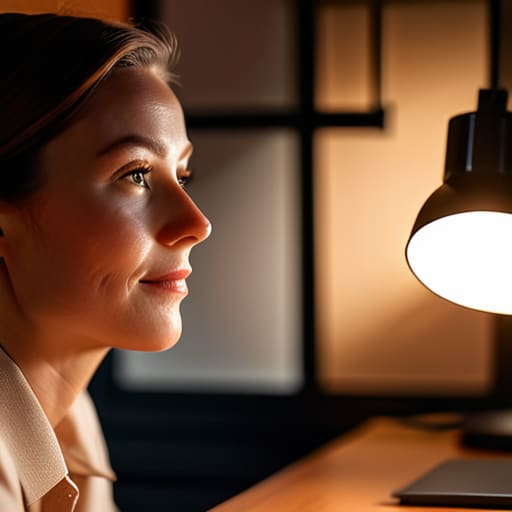
Think of your lighting like the seasoning in a signature sauce; too little and everything feels bland, but too much and you’ve completely overwhelmed the palate. If you’re sitting with a bright window directly behind you, you’re essentially creating a silhouette effect, which is the visual equivalent of serving a meal with no salt. To nail a professional video call lighting setup, you want your light source to be in front of you, ideally at a slight angle to mimic that soft, natural glow you’d find in a high-end bistro.
If you don’t have a fancy ring light, don’t panic—we can work with what’s in the pantry. A simple desk lamp positioned behind your monitor can do wonders for illuminating your face without creating harsh, unflattering shadows. Just remember to aim for soft, diffused light rather than a direct beam. Once you’ve got the brightness dialed in, take a second to check your camera framing for remote work. You want to ensure you aren’t just a floating head in a dark void, but a well-composed professional ready to take on the world.
Mastering Camera Framing for Remote Work and Best Webcam Angles
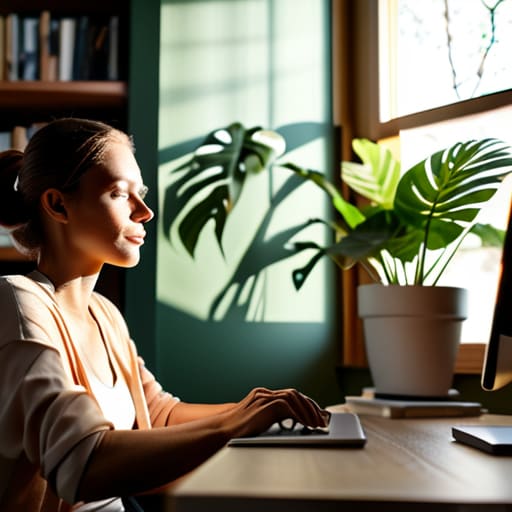
Now that we’ve got the lighting simmered to perfection, let’s talk about the presentation: your framing. Think of camera framing for remote work like plating a high-end entree; if you’re too close, you’re overwhelming the guest, and if you’re too far away, the dish looks lost on the plate. You want to find that “sweet spot” where there is just enough breathing room above your head. I always tell my team to aim for a medium shot—from the chest up—so your expressions are clear without feeling like you’re invading someone’s personal space.
Next, let’s adjust the tilt. Most people default to that awkward “looking up your nose” angle, which is about as unappealing as a burnt roux. To find the best webcam angles for meetings, try to position your lens at eye level. If you’re working from a laptop, grab a sturdy stack of cookbooks—I use my vintage French culinary encyclopedias—to prop it up. This slight elevation creates a much more natural and authoritative presence, making you look engaged rather than like you’re looming over your colleagues.
The Final Garnishes: Small Tweaks for a High-End Professional Look
- Choose your “seasoning” wisely with a clean, intentional background. Just like you wouldn’t serve a five-star risotto on a chipped, stained plate, you don’t want a cluttered bookshelf or a pile of laundry competing for your viewers’ attention. Keep your backdrop simple so the focus stays exactly where it belongs: on you.
- Dress for the “service” you want to provide. You don’t need a full suit, but think of your outfit as your professional uniform. Wearing something that makes you feel confident and polished is like using high-quality ingredients; it elevates the entire experience and signals to everyone on the call that you mean business.
- Mind your digital “plating” by checking your audio quality. You can have the most beautiful presentation in the world, but if the flavor is off, the meal is ruined. A little bit of investment in a decent microphone or even just a pair of clear earbuds can prevent that grainy, distorted sound that makes meetings feel like a budget meal.
- Keep your eyes on the “menu” by mastering eye contact. It’s tempting to stare at your own face on the screen—we’ve all been there—but looking directly into the camera lens is the digital equivalent of making eye contact across a dinner table. It builds trust and makes your connection feel much more personal and engaged.
- Manage your “overhead” by minimizing distractions. Just as a chaotic kitchen can ruin a chef’s flow, constant notifications or a barking dog can derail your professional presence. Set your status to “do not disturb” and clear your workspace; when you control your environment, you control the quality of your performance.
The Secret Sauce for Your Digital Presence
Just like you wouldn’t serve a five-star meal under dim, flickering kitchen lights, don’t settle for grainy video; invest in a little intentional lighting to make your professional presence pop.
Think of your camera angle as your plating technique—aim for eye level to ensure you’re presenting your best self to the “customers” on the other side of the screen.
Treat your background like a clean workspace; keeping it tidy and intentional ensures your audience focuses on your insights rather than the clutter in your “pantry.”
The Secret Ingredient to Your Digital Presence
“Think of your video setup like a well-plated dish; you wouldn’t serve a five-star meal under dim, flickering kitchen lights, so don’t settle for presenting a low-budget version of yourself to your clients and colleagues.”
Madeline Thompson
The Final Course: Polishing Your Digital Presence
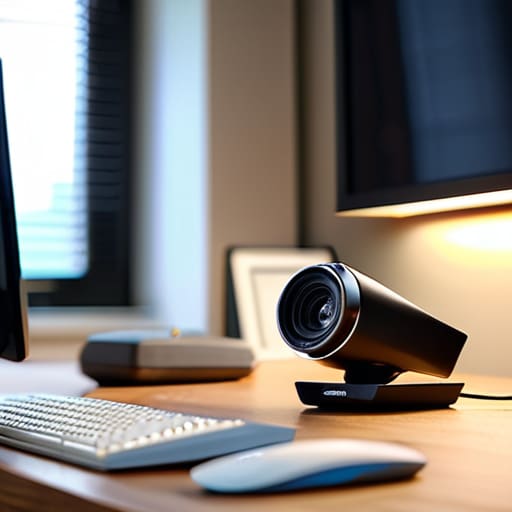
At the end of the day, looking your best on camera isn’t about having a Hollywood production budget; it’s about the small, intentional adjustments that make a massive difference. We’ve covered how to set the stage with proper lighting, how to frame your shot so you aren’t staring into a void, and how to find that perfect angle that says “I’m professional” rather than “I’m looking up your nose.” Think of these tweaks like the mise en place of your digital workspace—once you have all your ingredients prepped and organized, the actual execution becomes effortless. When you master these basics, you aren’t just showing up to a meeting; you are presenting a polished version of yourself that commands respect before you even say a single word.
Just like perfecting a complex reduction sauce, mastering your professional image takes a little bit of practice and a lot of patience. You might not get the lighting or the framing exactly right on your first attempt, but don’t let that discourage you. Every small adjustment is an investment in your personal brand, and just like a well-managed savings account, those tiny gains compound over time into something truly impressive. So, go ahead, tweak that webcam, find your light, and step into your next call with the confidence of a chef walking into a five-star kitchen. You’ve got this, and I can’t wait to see you shine!
Frequently Asked Questions
I don't have a fancy studio setup; can I still look professional using just a basic desk lamp or natural window light?
Absolutely! You don’t need a high-end studio kit to make a great impression—think of it like making a five-star meal with pantry staples. Natural window light is your best friend; just face it directly to avoid those harsh, “shadowy” vibes. If it’s cloudy, grab that desk lamp! Just bounce the light off a wall or use a piece of paper to soften it. It’s all about layering your light, not the price tag.
How much of my background should be visible before it starts looking cluttered and distracting to my colleagues?
Think of your background like a garnish: it should enhance the main course, not overwhelm it. If your bookshelf is a chaotic pantry of unorganized spices, it’s going to distract your team from what you’re actually saying. Aim for a “clean plate” approach—keep the area immediately behind you intentional and relatively simple. You want enough context to show personality, but if your colleagues are busy counting your knick-knacks, you’ve definitely over-seasoned the scene.
Is investing in a high-end external webcam actually worth the "capital expenditure," or should I just stick with my laptop's built-in camera for now?
Think of your built-in webcam like a budget pantry staple: it gets the job done, but it lacks depth. If you’re just checking in with friends, stick to the basics. But if you’re pitching clients or leading high-stakes meetings, investing in a high-end webcam is like upgrading from instant coffee to a premium pour-over. It’s a strategic capital expenditure that pays dividends in perceived authority. Better clarity equals better professional “plating.”