
I used to think that learning how to practice gratitude required a $50 leather-bound journal and a silent retreat in the mountains, but let’s be real—that sounds like a massive drain on your capital. Back when I was grinding away on Wall Street, I’d stare at my spreadsheets feeling completely hollow, convinced that “being grateful” was just some expensive wellness trend designed for people with too much free time. I hated the idea that it had to be this grand, performative ritual; to me, it felt as forced as adding truffle oil to a cheap instant ramen.
But here’s the thing: gratitude isn’t a luxury expense; it’s the essential seasoning that makes your existing life actually taste good. I’m not here to sell you on some toxic positivity or overpriced mindfulness apps. Instead, I want to show you how to integrate gratitude into your life with the same precision you’d use to balance a budget or perfect a reduction sauce. I’m going to share my no-nonsense, battle-tested methods for finding value in the small wins, ensuring your mental well-being gets the high-yield return it deserves.
Table of Contents
- Mastering the Recipe How to Start a Gratitude Journal
- Savoring the Moment Through Daily Mindfulness Exercises
- The Secret Ingredients: 5 Ways to Season Your Life with Gratitude
- The Chef’s Notes: Bringing it All to the Table
- The Secret Ingredient
- The Final Course: Serving Up a Grateful Life
- Frequently Asked Questions
Mastering the Recipe How to Start a Gratitude Journal

Think of starting a gratitude journal like prepping your mise en place before a big dinner service. You wouldn’t just throw random ingredients into a pan and hope for the best, right? You need a system. To figure out how to start a gratitude journal, I recommend keeping it simple: grab a dedicated notebook and a pen you actually enjoy using. Don’t feel pressured to write a culinary manifesto every night. Just aim for three specific things that went well—maybe it was a perfectly timed espresso shot or finally hitting your savings goal for the month.
The real magic happens when you treat this as one of your essential daily mindfulness exercises. Instead of just listing items like a grocery receipt, try to really savor the flavor of the moment. If you’re thankful for a sunny afternoon, don’t just write “sunshine.” Describe how the warmth felt on your skin. This level of detail is what transforms a basic habit into a powerful tool for cultivating a positive mindset, turning a simple list into a rich, nourishing feast for your mental well-being.
Savoring the Moment Through Daily Mindfulness Exercises
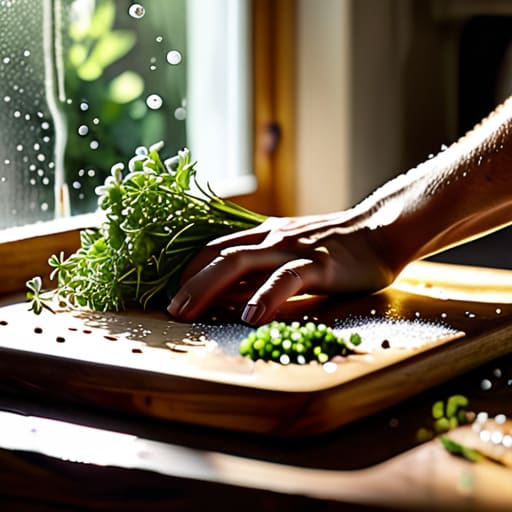
Now, if journaling is our prep work, then mindfulness is the actual cooking process. You can have all the best ingredients in the world, but if you’re rushing through the kitchen without actually tasting anything, you’re going to miss the magic. Incorporating daily mindfulness exercises into your routine is like slowing down to smell the garlic hitting the hot oil; it forces you to be present in the moment rather than worrying about the bill that hasn’t arrived yet.
I like to treat my morning coffee like a mini-investment strategy. Instead of scrolling through stressful market updates or my inbox, I spend five minutes just really experiencing the warmth of the mug and the richness of the roast. This simple act of presence is a cornerstone of cultivating a positive mindset, helping you build a mental buffer against the daily chaos. It’s not about escaping reality, but about learning to appreciate the small, high-yield moments that often go unnoticed. When you train your brain to focus on the “now,” you start to realize that happiness isn’t just a windfall—it’s a series of small, intentional wins.
The Secret Ingredients: 5 Ways to Season Your Life with Gratitude
- Curate Your “Flavor Profile” by focusing on small wins. Just like you wouldn’t judge a five-course meal solely on the dessert, don’t wait for huge milestones to feel thankful. Did you nail a presentation or find a perfect ripe avocado? Count those as wins. It’s the little seasonings that build a rich life.
- Audit Your Social Circle like a P&L Statement. Surround yourself with people who add value to your emotional balance sheet. When you spend time with those who uplift you, gratitude flows naturally. If a relationship is constantly draining your reserves without any return on investment, it might be time to adjust the recipe.
- Practice “Batch Cooking” Your Positive Thoughts. Instead of sporadically trying to feel good, set aside a specific time—maybe during your morning coffee or while your dinner is simmering—to intentionally scan your day for the good stuff. Consistency is what turns a one-off snack into a sustainable lifestyle.
- Don’t Let Your Joy Go Unaccounted For. In finance, if you don’t track it, you can’t manage it. The same goes for happiness. When something wonderful happens, don’t just let it pass through like an unrecorded transaction. Pause, acknowledge it, and mentally “file” it away so you can revisit that feeling when things get a little salty.
- Diversify Your Gratitude Portfolio. It’s easy to be thankful when the market is up and the sun is shining, but true resilience comes from finding the silver linings in the “bear markets” of life. Even on a rough day, there’s usually one small, nutritious element—a warm shower, a good song, or a reliable friend—that can keep you going.
The Chef’s Notes: Bringing it All to the Table
Think of gratitude as your financial emergency fund; it might not solve every crisis instantly, but building that emotional reserve daily ensures you have the stability to handle life’s unexpected “kitchen fires” with grace.
Don’t wait for a five-course feast to start celebrating; just like saving small change in a jar, acknowledging the tiny, everyday wins builds the compound interest of happiness over time.
Consistency is the most important ingredient in any recipe, whether you’re balancing a budget or practicing mindfulness, so keep showing up for yourself even when the results feel slow to simmer.
The Secret Ingredient
“Think of gratitude like a perfectly balanced reduction; you can’t rush the process, but once you take the time to simmer down and focus on the richness that’s already in your pan, you realize you’ve actually been sitting on a goldmine of flavor all along.”
Madeline Thompson
The Final Course: Serving Up a Grateful Life

At the end of the day, practicing gratitude isn’t about pretending your life is a five-star Michelin meal every single second; it’s about recognizing the quality ingredients even when things feel a little bit messy. We’ve talked about how a gratitude journal acts as your financial ledger for the soul, tracking your emotional wins, and how mindfulness allows you to slow down and actually taste the life you’re working so hard to build. Just like managing a budget or perfecting a complex reduction sauce, these habits require consistency and a little bit of patience. You don’t need to overhaul your entire lifestyle overnight to see a return on your investment; you just need to start adding those small, intentional seasonings to your daily routine.
As you step back into the hustle of your career and your daily grind, remember that gratitude is the ultimate compound interest. The more you practice acknowledging the good, the more your perspective shifts, and the more “wealth” you accumulate in your mental and emotional bank accounts. Don’t wait for a massive windfall or a perfect moment to feel successful. Instead, find joy in the small, delicious details of the journey right now. I promise you, once you learn to appreciate the prep work, the whole experience of living becomes infinitely more satisfying. Now, go out there and make something wonderful!
Frequently Asked Questions
What if I’m having a really rough day and I can't find anything to be grateful for?
Listen, I’ve been there. Some days feel like a kitchen fire you just can’t put out. When everything tastes bitter, don’t force a five-course feast of gratitude. Instead, aim for the “micro-ingredients.” Can you be grateful for the warmth of your coffee? Or that your bed is soft? When the big picture looks messy, just find one tiny, tiny thing that didn’t suck. Even a single grain of salt counts when you’re rebuilding the flavor.
Is there a way to practice gratitude that doesn't feel like just another chore on my to-do list?
I totally get it. If gratitude feels like checking off a line item on a spreadsheet, you’re doing it wrong! Think of it less like a mandatory budget audit and more like a spontaneous tasting session. Instead of a formal journal, try “micro-gratitude.” When you sip your morning coffee or catch a green light, just pause and acknowledge that tiny win. It’s about flavor, not formality—small, delicious moments that don’t require a seat at the table.
How do I keep this habit from feeling stale once the initial excitement wears off?
Think of it like a signature sauce; if you use the exact same ingredients every single day, eventually, you’ll lose that zest. To keep your gratitude practice from feeling like a repetitive chore, switch up your “flavor profile.” Instead of just listing things, try focusing on a specific sensory detail—the way the morning light hits your coffee or a hilarious text from a friend. Varying your focus prevents burnout and keeps the habit fresh.