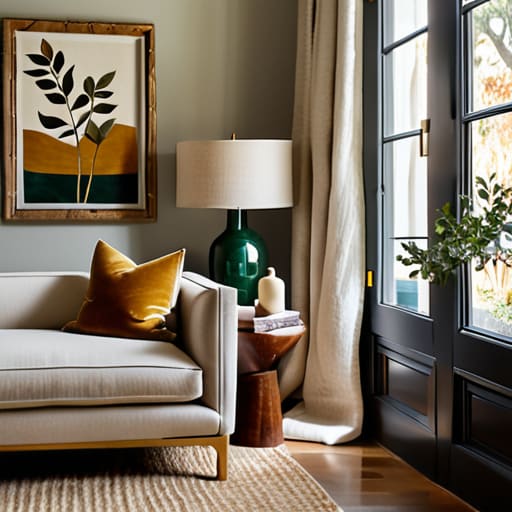
Ever feel like your living room is missing that certain je ne sais quoi, but your bank account is looking a little more “empty pantry” than “full walk-in fridge”? We’ve all been there—staring at a space that feels uninspired, feeling like we have to choose between a beautiful home and a healthy savings account. I used to think that creating a chic atmosphere required a massive capital investment, much like launching a high-end restaurant, but I’ve learned that’s a total myth. Finding creative budget decorating ideas isn’t about throwing money at a problem; it’s about knowing how to layer your resources to create something truly spectacular.
In this post, I’m going to show you how to garnish your home with style without overextending your financial margins. I’ve curated five essential strategies that will help you transform your space from bland to absolutely gourmet using nothing but smart planning and a little bit of elbow grease. Get ready to learn how to maximize your visual ROI and discover that a stunning home is well within your reach, even if you’re currently working with a tight budget.
Table of Contents
Shop Your Own Pantry
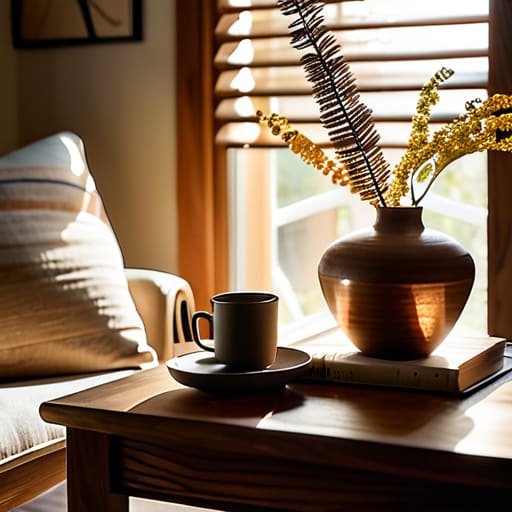
Before you head to the big-box retailers and start adding expensive decor to your digital cart, I want you to do a quick “inventory audit” of your own home. Think of it like checking your spice rack before committing to an expensive new recipe; you might already have exactly what you need to add some flavor to a room. Sometimes, that vintage vase sitting in the back of your linen closet or that stack of art books on your shelf is just waiting for a strategic relocation to act as a centerpiece on your coffee table.
Thrift Like a Pro
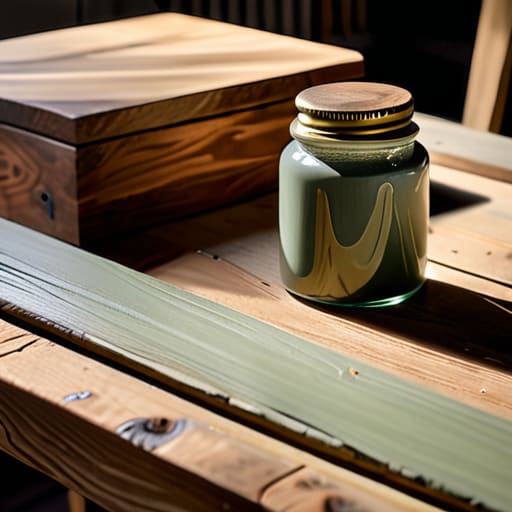
If you do decide to spend a little, don’t go straight for the showroom floor where prices are marked up like a luxury tasting menu. Instead, head to your local thrift stores or online marketplaces. Shopping secondhand is the ultimate way to find “high-quality ingredients” for your home at a fraction of the retail cost. You can often find solid wood furniture that just needs a little bit of sanding or a fresh coat of paint to look like a designer masterpiece.
The Power of Textiles
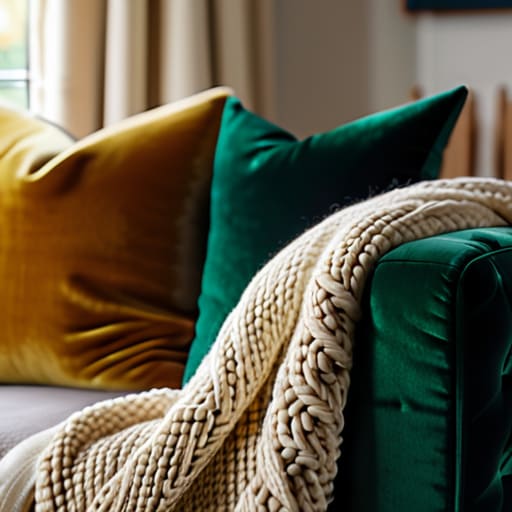
If your living room feels a bit bland, don’t think you need to replace the entire sofa. That’s like throwing out a perfectly good cast-iron skillet just because it looks a little dull. Instead, think about layering in new textures. Swapping out old, tired throw pillows for some vibrant, velvet ones or adding a chunky knit blanket can completely transform the sensory experience of your seating area.
Lighting as an Investment
One of the biggest mistakes I see people make is relying solely on that harsh, overhead “big light.” It’s the equivalent of overcooking a delicate soufflé—it ruins the entire vibe! To create a cozy, high-end atmosphere, you need to layer your lighting. Adding a small table lamp in a dark corner or stringing some warm fairy lights near a window can create a much more sophisticated ambiance.
Bring the Outdoors In
Nature is one of the most beautiful, and surprisingly affordable, decorators available to us. Adding greenery to your home is like adding a splash of fresh acidity to a heavy dish—it brightens everything up instantly. Whether it’s a large, statement fiddle-leaf fig or a few small succulents on a windowsill, plants add life, movement, and a sense of freshness that man-made decor just can’t replicate.
The Secret Sauce to a Stylish Home
Treat your decor budget like a recipe; it’s not about how much you spend on the “premium ingredients,” but how you balance and combine what you have to create a cohesive flavor.
Don’t fear the “leftovers”—repurposing old furniture and DIYing small accents is the financial equivalent of a great kitchen hack that yields high-end results for pennies.
Focus on the seasoning, not just the main course; small, intentional touches like lighting and textures can elevate a room’s entire “profile” without requiring a massive capital investment.
The Secret Ingredient to a Beautiful Home
“Decorating on a budget isn’t about settling for less; it’s about mastering the art of mise en place—having all your right elements prepared and thoughtfully placed so that even the simplest ingredients create a masterpiece.”
Madeline Thompson
The Final Garnish
At the end of the day, decorating your space on a budget is a lot like perfecting a complex reduction sauce—it requires patience, a bit of strategy, and knowing exactly when to stop adding ingredients. We’ve looked at how rearranging your current layout can provide a fresh perspective, how thrifted treasures offer more character than big-box showroom pieces, and how small, intentional accents can serve as the perfect seasoning for any room. By focusing on these high-impact, low-cost shifts, you aren’t just spending money; you are investing in your environment without draining your savings account. It’s about being resourceful rather than being restrictive.
As you move forward, remember that a beautiful home isn’t defined by the price tag on your furniture, but by the intention you pour into it. Just like a well-managed portfolio, a well-curated home grows more valuable and meaningful over time as you layer in your personal history and style. Don’t feel pressured to finish everything in one weekend; treat your home decor like a slow-simmered stew that gets better with time. Take it one small step at a time, stay mindful of your budget, and most importantly, savor the process of creating a space that truly feels like you.
Frequently Asked Questions
How do I know when it's worth investing in a "high-quality ingredient" like a real wood table versus saving money with something budget-friendly?
Think of it like buying a chef’s knife versus a cheap grocery store version. You invest in the “high-quality ingredient”—like a solid wood table—when it’s a foundational piece that handles heavy daily use. If it’s something you’ll touch and rely on every single day, the long-term ROI is massive because you won’t be replacing it in two years. For seasonal decor or side pieces? Stick to the budget options. Invest in the staples; garnish with the savings.
Can I really make a space look high-end without it feeling like a cheap imitation?
Think of it like making a reduction sauce: it’s not about how much you throw into the pan, but how you concentrate the quality. To avoid that “cheap imitation” vibe, stop chasing flashy trends and focus on texture and intentionality. Instead of buying a whole set of matching, shiny furniture, mix in a few high-quality, tactile elements—like a heavy linen throw or a ceramic vase. It’s about investing in the “seasoning” that makes the room feel curated, not cluttered.
How do I balance my desire to decorate with the need to keep my emergency fund properly seasoned and untouched?
Think of your emergency fund as your kitchen’s “mise en place”—it’s the essential prep work that keeps everything from crashing when things get heated. You wouldn’t use your base stock to make a quick sauce, right? Treat your savings the same way. Decorating should come from your “flavor budget”—the extra cash left after your essentials are prepped. If you have to dip into your emergency fund to buy a rug, you’re over-seasoning your lifestyle!