
Ever walk into a grocery store with a simple list, only to emerge twenty minutes later with a cart full of “must-have” artisanal sauces and organic snacks you didn’t even know existed? I’ve been there, and let me tell you, it’s a recipe for a financial hangover. Most of the advice you hear about how to shop smarter feels like it was written by someone who has never had to balance a tight budget while trying to feed a hungry crew. They tell you to “just buy in bulk” or “only shop organic,” but that’s like telling a chef to just “make it taste good”—it completely ignores the actual art of the hustle.
I’m not here to give you some cookie-cutter, overpriced lifestyle guide. Instead, I’m going to share the exact strategies I used to transition from a high-stress Wall Street analyst to a food entrepreneur without draining my bank account. We’re going to treat your grocery runs like a well-managed investment portfolio: focusing on high-quality essentials, minimizing waste, and maximizing every single cent. By the end of this, you’ll know how to shop smarter so you can spend less time stressing over receipts and more time savoring the results.
Table of Contents
Mastering the Art of Budgeting for Groceries

Think of your grocery list as your financial recipe card. Just like I wouldn’t start a complex reduction without checking my pantry for stock, you shouldn’t head to the store without a clear plan. Budgeting for groceries isn’t about deprivation; it’s about resource allocation. When you walk into a supermarket without a roadmap, you’re essentially leaving your wallet open to every shiny, processed distraction on the shelves. I like to treat my weekly food spend like a small business operating budget—every dollar needs a specific job to do.
To really master this, you have to get granular with your math. I always tell my friends to look past the flashy “Sale!” signs and dive into unit price comparison. Sometimes that jumbo-sized box is actually more expensive per ounce than the smaller one! It’s all about the data. By mastering these little comparison shopping techniques, you stop paying the “convenience tax” and start building real equity in your bank account. It’s the difference between a chaotic kitchen and a Michelin-star service: precision is everything.
Seasonal Shopping Strategies for a Freshly Balanced Budget
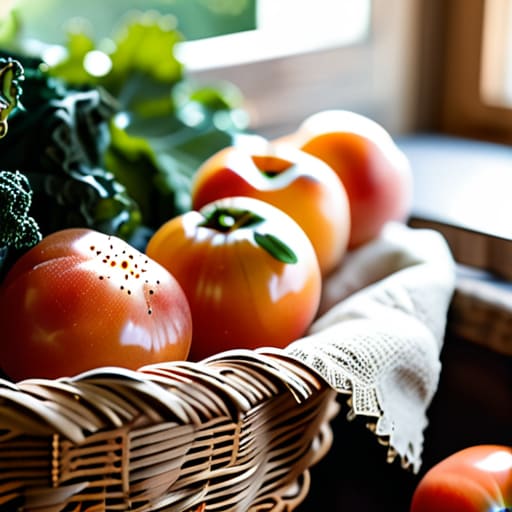
Think of your grocery list like a seasonal menu at a high-end bistro; when you lean into what’s naturally in season, you’re getting the highest quality ingredients for the lowest possible price. Just like how a chef wouldn’t pay premium prices for strawberries in the dead of winter, you shouldn’t let your budget suffer by chasing out-of-season produce. Implementing seasonal shopping strategies is essentially the “low-hanging fruit” of financial management. When you buy what’s peaking, you aren’t just getting better flavor; you’re avoiding those inflated price tags that come with long-distance shipping and artificial growing cycles.
Once you’ve identified your seasonal stars, it’s time to sharpen your tools with some comparison shopping techniques. Don’t just grab the first bag of kale you see; take a second to look at the shelf tags. I always tell my team that a lower price tag can be a total illusion if the volume is smaller. Always perform a quick unit price comparison to ensure you’re actually getting the best value per ounce or gram. It’s the difference between buying a cheap, watered-down stock and a rich, concentrated reduction—one is a waste of resources, while the other is a true investment in your kitchen and your wallet.
Five Secret Ingredients for a Leaner Grocery Bill
- Meal Prep Your Wallet: Before you even step foot in the store, audit your pantry like you’re doing a quarterly fiscal review. Knowing exactly what ingredients you already have prevents “duplicate spending”—that’s when you buy a third jar of cumin because you forgot you had two hiding in the back.
- Shop the Perimeter, Not the Aisles: Think of the outer edges of the store as your high-quality, core assets—fresh produce, proteins, and dairy. The inner aisles are like high-risk speculative stocks; they’re packed with processed goods and impulse buys that can drain your cash flow faster than a bad day on Wall Street.
- Master the Unit Price Metric: Don’t let flashy “Sale!” signs fool you into a bad investment. Always look at the unit price on the shelf tag. Sometimes that bulk bag is actually a higher cost per ounce than the smaller option, and in my world, we never overpay for volume without seeing the ROI.
- Never Shop While “Hungry-Speculating”: Shopping on an empty stomach is like making a high-stakes trade without doing any research; you’re going to make emotional, impulsive decisions. If you shop while famished, you’ll end up with a cart full of high-margin snacks instead of the nutritious staples your budget (and body) actually needs.
- Embrace the “Store Brand” Substitution: In the culinary world, we know that sometimes the premium label is just paying for the fancy packaging. Switching to store brands for staples like flour, canned beans, or olive oil is an easy way to reduce your overhead without sacrificing the quality of your final dish.
The Secret Sauce to Long-Term Savings
Treat your grocery list like a recipe; having a solid plan before you hit the aisles prevents those expensive, impulsive “extra ingredients” from wrecking your budget.
Think of seasonal shopping as your financial hedge against inflation—buying what’s in peak season is like finding a high-yield investment for your pantry.
Always remember that small, smart swaps in your shopping cart are like seasoning a dish; they might seem minor individually, but together they create a much healthier bottom line.
The Secret Ingredient to Financial Flavor
Shopping smart isn’t about depriving yourself of the good stuff; it’s about prepping your budget like a fine mise en place—when you have your ingredients organized and your costs accounted for, you can cook up a life that tastes way more expensive than it actually cost.
Madeline Thompson
The Secret Sauce to Your Success

At the end of the day, shopping smarter isn’t about deprivation or living on a diet of plain rice and beans; it’s about strategic preparation. We’ve talked about how a solid grocery budget acts as your financial recipe, how seasonal shopping keeps your ingredients fresh and your costs low, and how having a plan prevents those expensive, impulse-driven “kitchen disasters.” Just like a complex reduction sauce requires patience and the right ratio of ingredients, building a sustainable shopping habit requires a little bit of foresight and a lot of intentionality. When you master these small, daily habits, you aren’t just saving a few dollars at the checkout counter—you are optimizing your entire household economy.
I know that shifting your mindset can feel as daunting as trying a brand-new, complicated recipe for the first time, but I promise you, the payoff is delicious. Every time you choose a seasonal vegetable over a pricey import or stick to your list instead of grabbing that extra gourmet snack, you are making a deposit into your future freedom. Think of your finances as your most important kitchen: keep it organized, use the best tools, and always cook with purpose. You have the power to take control of your plate and your purse, so go out there and start cooking up the life you’ve always wanted!
Frequently Asked Questions
How can I keep my grocery spending on track when I'm tempted by all those delicious impulse buys in the snack aisle?
Think of those impulse buys like a flashy, expensive garnish that looks great but doesn’t actually nourish the dish. They’re high-cost, low-yield assets! To fight the urge, try the “pre-heat” method: never shop hungry, and stick to a strict list. If you see a snack calling your name, treat it like a luxury expense—give it a “budget line item” before you even leave the house. Discipline in the aisle leads to a much richer feast later!
Is it actually worth the extra time to meal prep every week, or am I just adding more stress to my schedule?
Think of meal prepping like setting up your mise en place before a busy dinner service. Sure, the prep work takes time upfront, but it prevents a total kitchen meltdown when you’re hungry and exhausted on a Tuesday night. From a financial standpoint, it’s your best defense against those high-interest “convenience” costs—like expensive takeout. If you approach it with a plan rather than perfectionism, it’s an investment that pays dividends in both cash and sanity.
What are some clever ways to shop for high-quality ingredients without breaking my monthly budget?
Think of high-quality ingredients like a high-yield investment: you want the best return on your dollar. Instead of buying everything premium, pick your “star” ingredients—like a grass-fed steak or organic heirloom tomatoes—and splurge there. For everything else, go for store brands or bulk staples. It’s all about strategic allocation. Just like balancing a complex recipe, you don’t need every ingredient to be top-shelf to create a five-star experience!