
I still remember the frantic energy of my first month on Wall Street, staring at my bank statement and wondering how I was blowing through my paycheck on takeout while my fridge sat empty. People love to give you this tired, cliché advice that the only way to save is to survive on bland lentils and unseasoned rice, as if depriving your taste buds is a prerequisite for financial stability. It’s total nonsense. Learning how to lower food costs shouldn’t mean signing a peace treaty with mediocrity; it’s actually more about mastering the “mise en place” of your budget so you can enjoy high-quality ingredients without the high-end price tag.
I’m not here to sell you on some impossible lifestyle overhaul or a list of expensive “budget” gadgets you don’t need. Instead, I’m sharing the exact, battle-tested strategies I used to transition from a broke analyst to a successful entrepreneur. I promise to show you how to approach your grocery bill with the precision of a chef and the strategic mind of a financial pro. We’re going to find the sweet spot where your savings account grows and your dinner plate stays absolutely delicious.
Table of Contents
Mastering Meal Planning for Savings and Culinary Joy
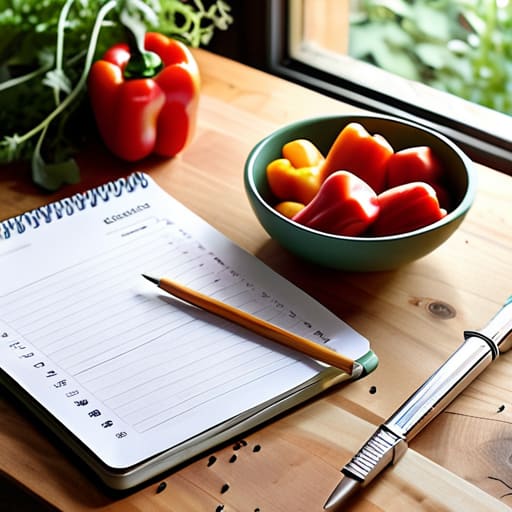
Think of meal planning as your financial blueprint; without a solid plan, you’re essentially throwing ingredients—and dollars—at a wall to see what sticks. When I was on Wall Street, we never made a move without a strategy, and your kitchen should be no different. By committing to meal planning for savings, you’re essentially performing a cost-benefit analysis before you even step foot in the store. Instead of wandering the aisles with “hungry eyes” (which is a recipe for impulse buys), you’ll have a roadmap that keeps you focused on what you actually need.
The real magic happens when you start building your menu around affordable pantry staples like grains, beans, and spices. These are your high-yield assets; they are inexpensive, shelf-stable, and provide the foundation for a thousand different flavor profiles. When you pair these basics with a seasonal produce run, you aren’t just eating well—you’re reducing food waste by ensuring every item in your fridge has a designated purpose. It’s about working smarter, not harder, to ensure your kitchen remains a place of abundance rather than a source of financial stress.
Smart Grocery List Strategies for a Perfect Pantry

Now, let’s talk about the actual execution: the grocery store run. If meal planning is your recipe, then your shopping list is your inventory management. I used to treat grocery shopping like a free-for-all, wandering the aisles and tossing whatever looked delicious into my cart—which is essentially the financial equivalent of uncontrolled spending in a high-risk market. To avoid those impulse buys that eat into your margins, you need to stick to a rigorous list. Think of it as your strategic roadmap; if it’s not on the list, it doesn’t make it into the basket.
One of my favorite ways to optimize your “kitchen capital” is by focusing on affordable pantry staples. I’m talking about the heavy hitters like grains, beans, and spices that have a long shelf life and high versatility. When you lean into these, you’re essentially building a diversified portfolio of ingredients. I also highly recommend looking into the bulk buying benefits for items you use daily. Buying in volume might feel like a larger upfront investment, but just like compounding interest, the long-term savings on your cost-per-unit are absolutely delicious.
The Secret Ingredients to a Leaner Food Budget
- Embrace the “Inventory Audit” before you shop. Think of it like checking your stock levels before a big dinner service; if you don’t know what’s hiding in the back of your pantry, you’re essentially throwing money into the trash every time you buy a duplicate jar of cumin.
- Buy in bulk, but with a strategy. Much like diversifying a stock portfolio, buying staples like grains, beans, and spices in larger quantities can lower your unit price significantly, but don’t over-leverage yourself on perishables that will spoil before you can realize the ROI.
- Get cozy with the “ugly” produce. In the culinary world, we know flavor isn’t determined by a perfect exterior. Those slightly bruised apples or misshapen carrots are often sold at a massive discount, and once they’re chopped up for a stew or a smoothie, nobody will ever know the difference.
- Master the art of the “Pantry Transformation.” Instead of letting a new recipe dictate your grocery list, let your current ingredients dictate your menu. It’s much more satisfying to create a gourmet meal out of what you already own than to constantly chase the next expensive ingredient.
- Watch your “Impulse Interest.” Those pre-cut veggie trays and individual snack packs are like high-interest credit card debt—they offer instant gratification but come with a massive premium. Do the “prep work” yourself during a slow Sunday afternoon to save a fortune over the month.
The Secret Sauce to a Leaner Food Budget
Treat your grocery trips like a strategic investment; by sticking to a list and shopping with intent, you’re preventing “impulse interest” from eating away at your savings.
Think of meal planning as your financial blueprint—it ensures every dollar spent on ingredients actually yields a high return in delicious, wasted-free meals.
Master the art of the “pantry pivot” by using what you already have on hand, much like how a smart investor reallocates assets to maximize their current portfolio.
The Secret Ingredient to a Healthy Budget
“Think of your food budget like a well-managed investment portfolio: it’s not about cutting out everything you love, but about diversifying your ingredients and investing in high-quality staples that yield the most delicious returns for your wallet.”
Madeline Thompson
Bringing It All Home to the Table

At the end of the day, lowering your food costs isn’t about deprivation; it’s about strategic seasoning. We’ve covered how a solid meal plan acts as your financial roadmap, preventing those expensive, last-minute takeout impulse buys that drain your bank account. We’ve also looked at how a well-curated pantry and a disciplined grocery list serve as your foundation, ensuring you’re only investing in ingredients that will actually make it into a delicious dish. When you approach your kitchen with the same intentionality as a well-managed portfolio, you stop wasting money on “filler” and start investing in quality ingredients that fuel your life.
I know that transitioning from mindless spending to mindful eating can feel a bit like learning a complex new recipe—it takes a little practice and a few failed attempts before you get the seasoning just right. But don’t let the fear of a “burnt” budget stop you from trying. Every small tweak you make, from checking your pantry before heading to the store to embracing seasonal produce, is a win for both your wallet and your wellbeing. Remember, you aren’t just saving pennies; you are reclaiming your freedom to enjoy life’s best flavors without the financial hangover. Now, let’s get cooking!
Frequently Asked Questions
How do I balance eating healthy and nutritious meals while sticking to a strict budget?
Think of your budget like a recipe: you don’t need the most expensive ingredients to create a five-star result; you just need the right technique. Focus on “staple” nutrition—think lentils, oats, and seasonal veggies. They’re the high-yield assets of the food world! By prioritizing these versatile, low-cost ingredients, you’re investing in your health without draining your capital. It’s all about maximizing your nutritional ROI!
Are there specific ways to shop for high-quality ingredients without paying "gourmet" prices?
Think of this like diversifying your investment portfolio: you don’t need every single ingredient to be top-shelf to see a massive return on flavor. I love sourcing my “star” ingredients—like a high-quality balsamic or aged parmesan—from specialty shops, but I balance the budget by buying staples like grains and seasonal produce in bulk or at local markets. It’s all about strategic allocation; spend on the flavor drivers and save on the supporting cast.
What are some clever ways to use up leftover ingredients so I'm not literally throwing money in the trash?
Think of your leftovers as “underutilized assets.” Instead of letting them depreciate in the back of the fridge, pivot! That wilted kale? Sauté it into a frittata. Those lonely half-onions and veggie scraps? Simmer them into a rich stock. I like to call this “culinary recycling.” It’s essentially a zero-cost way to upgrade your pantry, turning what looks like waste into a high-yield meal that saves you serious cash.