Have you ever noticed how tech companies try to sell you a “premium ecosystem” just to move a simple photo from your phone to your laptop? It honestly feels like they’re trying to charge you a convenience tax for something that should be as basic as seasoning a steak. I spent years on Wall Street watching people overpay for complex solutions to simple problems, and I see the same thing happening in the tech world. People get so bogged down in expensive subscriptions and proprietary cables that they forget the most important rule: efficiency is everything. Learning how to transfer files between devices shouldn’t feel like you’re trying to decode a complex financial derivative; it should be a seamless part of your daily workflow.
I’m not here to sell you on some shiny, overpriced software that promises the moon but delivers nothing. Instead, I’m going to give you the straightforward recipe for moving your data without the headache or the hidden costs. Think of this as your kitchen prep—once you have the right techniques down, everything else cooks much smoother. I’ll be sharing the exact, no-nonsense methods I use to keep my business files and culinary inspirations moving effortlessly across all my gadgets.
Table of Contents
- Savoring the Ease of Wireless File Sharing Methods
- The Reliable Usb Cable File Transfer Technique
- My Secret Ingredients for a Smooth Data Transfer
- The Chef's Summary: Quick Tips for a Seamless Transfer
- ## The Secret Ingredient to Digital Organization
- The Final Course: Mastering Your Digital Pantry
- Frequently Asked Questions
Savoring the Ease of Wireless File Sharing Methods

Think of wireless file sharing methods like using a high-end food processor instead of a manual knife; it might take a second to get the settings right, but the speed and efficiency are absolute game-changers. When you aren’t tethered to a desk or hunting for a specific cord, you have the freedom to move your digital assets as fluidly as a chef moves through a busy kitchen. I personally love using cloud storage synchronization because it acts like a well-stocked pantry—your ingredients (or files) are always exactly where you need them, regardless of which “kitchen” or device you happen to be working in.
However, I know that sometimes you’re dealing with a massive batch of data, like a heavy video file or a huge folder of high-res photos. In those moments, relying on a slow Wi-Fi connection can feel like trying to simmer a delicate sauce over a roaring bonfire—it’s just too unpredictable. If you’re dealing with something substantial, you might find that transferring large files via network or even sticking to a reliable USB cable file transfer is the way to go to ensure everything arrives perfectly intact.
The Reliable Usb Cable File Transfer Technique
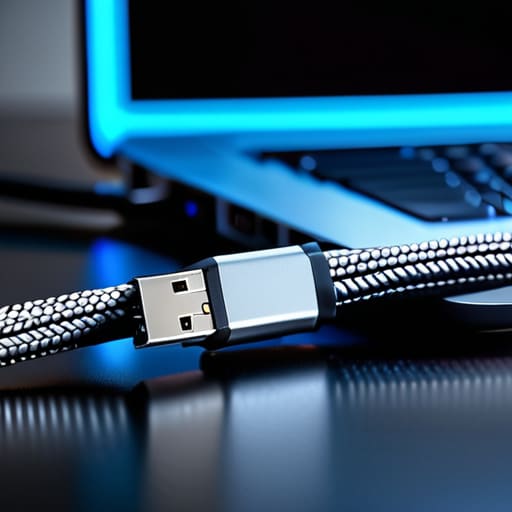
Now, if wireless methods are like a light, zesty vinaigrette, then the USB cable file transfer is your heavy-duty cast iron skillet. It’s not always the flashiest tool in the kitchen, but when you need to get the job done without any fuss, it is incredibly reliable. Sometimes, when you’re dealing with massive amounts of data—think high-resolution recipe videos or years of financial spreadsheets—relying on a shaky Wi-Fi connection is like trying to bake a soufflé in a drafty kitchen. You just need that direct, physical connection to ensure everything lands exactly where it belongs.
The beauty of using a cable is the sheer stability it offers, especially when you are transferring large files via network or dealing with cumbersome hardware. While I love the convenience of modern tech, there’s a certain peace of mind that comes with a physical link. It’s much like prepping your mise en place; having your tools physically connected means you aren’t left waiting for a progress bar to catch up while your “dish” loses its momentum. It’s straightforward, predictable, and keeps your digital workflow from getting messy.
My Secret Ingredients for a Smooth Data Transfer
- Audit your digital pantry before you start; just like you wouldn’t dump a whole bag of flour into a recipe, don’t waste time or bandwidth moving old, junk files you no longer need.
- Think of your cloud storage as your walk-in freezer—it’s perfect for keeping large batches of data safe and accessible from any device, but don’t rely on it for every single tiny ingredient if you need instant speed.
- Always double-check your “mise en place” by verifying the file size and format before you hit send, ensuring your new device actually has the capacity and the right “tools” to open what you’re serving up.
- Treat your security like food safety standards; if you’re transferring sensitive financial spreadsheets, skip the public Wi-Fi and use an encrypted connection to avoid any nasty digital contamination.
- Invest in high-quality “kitchenware” by using a high-speed USB 3.0 cable or a reliable external SSD if you’re moving massive amounts of data, because a cheap, slow connection is like trying to chop onions with a butter knife—it’s just going to be a frustrating mess.
The Chef's Summary: Quick Tips for a Seamless Transfer
Think of your connection method like choosing a kitchen tool; use wireless sharing for quick, light tasks to save time, but reach for the USB cable when you’re moving massive “batches” of data that require stability.
Always double-check your “ingredients” before you start the transfer; verify that your files are complete and organized to avoid the digital equivalent of a messy workstation and lost data.
Invest a little time in learning the shortcuts of your specific devices, much like mastering a knife skill, because the initial effort pays off in long-term efficiency and much less frustration.
## The Secret Ingredient to Digital Organization
“Think of transferring your files like prepping your mise en place; if you don’t have a streamlined system to move your ingredients from the pantry to the pan, your entire workflow turns into a kitchen nightmare. Whether you’re using a cloud service or a physical cable, the goal is the same: minimize the friction so you can focus on the actual cooking.”
Madeline Thompson
The Final Course: Mastering Your Digital Pantry
Choosing the right way to move your data is a lot like choosing between a high-speed blender and a slow-simmering stockpot; it all depends on what you’re trying to achieve. We’ve looked at the effortless convenience of wireless sharing for those quick, everyday transfers, and we’ve weighed it against the heavy-duty, reliable grunt work of a USB cable when you’re moving massive amounts of data. Just like managing a kitchen budget, you don’t want to waste precious time or energy on an inefficient method. Whether you’re going cloud-based or sticking to the classics, the goal is to minimize friction and maximize your flow, ensuring your digital assets are exactly where you need them when the pressure is on.
At the end of the day, mastering these little technical workflows is about more than just moving files; it’s about reclaiming your most valuable resource: time. When you streamline your digital life, you’re clearing the clutter off your metaphorical countertop, leaving you more room to focus on the big things—like your career growth or perfecting that new fusion recipe. Don’t let technical hiccups be the bitter ingredient that ruins your day. Take control of your tools, invest in the right methods, and remember that a well-organized digital space is the foundation for a much more delicious and productive life. Now, go forth and create something amazing!
Frequently Asked Questions
If I'm moving a huge batch of data, like my entire photo library, will it mess up my device's "budget" in terms of storage space?
Think of your device’s storage like a monthly food budget: once you overspend on one big “meal”—like a massive photo library—you’ve got less room for the daily essentials. Moving that data won’t break your device, but it definitely consumes your “storage capital.” If you’re running low on space, I’d recommend offloading those heavy files to the cloud or an external drive to keep your device’s internal budget balanced and running smoothly.
Are there any hidden "service fees" or security risks I should watch out for when using public cloud services to move my files?
Think of public cloud services like a fancy catering service: the base price looks great, but those “hidden fees” can sneak up on you. Watch out for extra charges for premium storage or high-speed transfers once you hit your limit. More importantly, treat your data security like food safety—don’t leave it unprotected! Always use two-factor authentication and strong encryption to ensure your digital “ingredients” don’t end up in the wrong hands.
Which method is actually the most cost-effective if I need to transfer files frequently between my phone and my laptop?
If you’re looking for the best ROI on your time and wallet, stick with the USB cable. Think of it like using a trusty cast-iron skillet; it might not be the flashiest tool in the kitchen, but it’s incredibly reliable and costs you absolutely nothing extra once you own it. Cloud subscriptions are like those fancy, expensive spice blends—great for convenience, but if you’re transferring files daily, those monthly fees will definitely eat into your budget!